
Barbara W. Tuchman Books
Barbara W. Tuchman (1912–1989) was an American historian and author known for her accessible and engaging works on military and political history.
Known for: A Distant Mirror: The Calamitous 14th Century, The Guns of August, The March of Folly: From Troy to Vietnam, The Proud Tower: A Portrait of the World Before the War, 1890–1914
Books by Barbara W. Tuchman
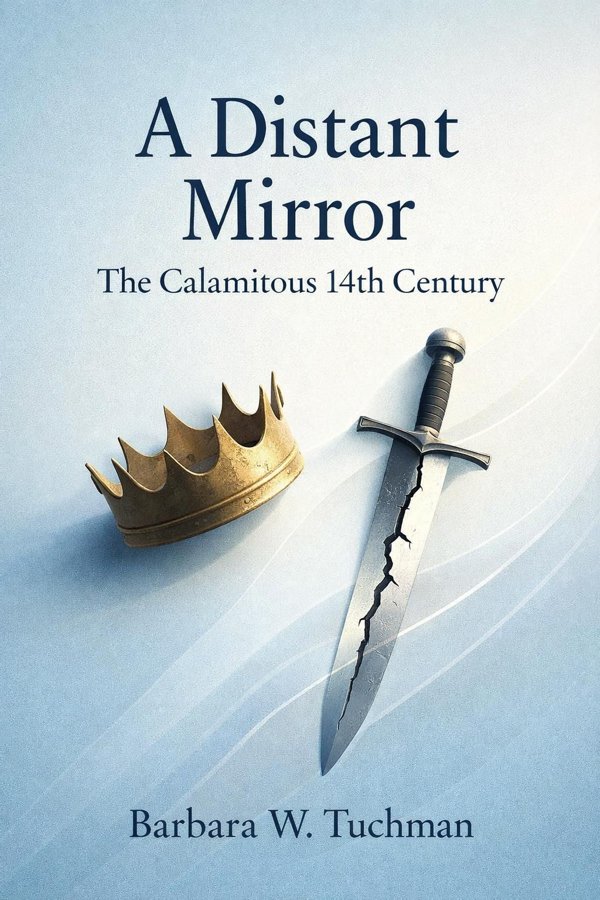
A Distant Mirror: The Calamitous 14th Century
Barbara W. Tuchman’s A Distant Mirror: The Calamitous 14th Century is far more than a history of medieval Europe. It is a sweeping portrait of a civilization under pressure, an age marked by war, plag...
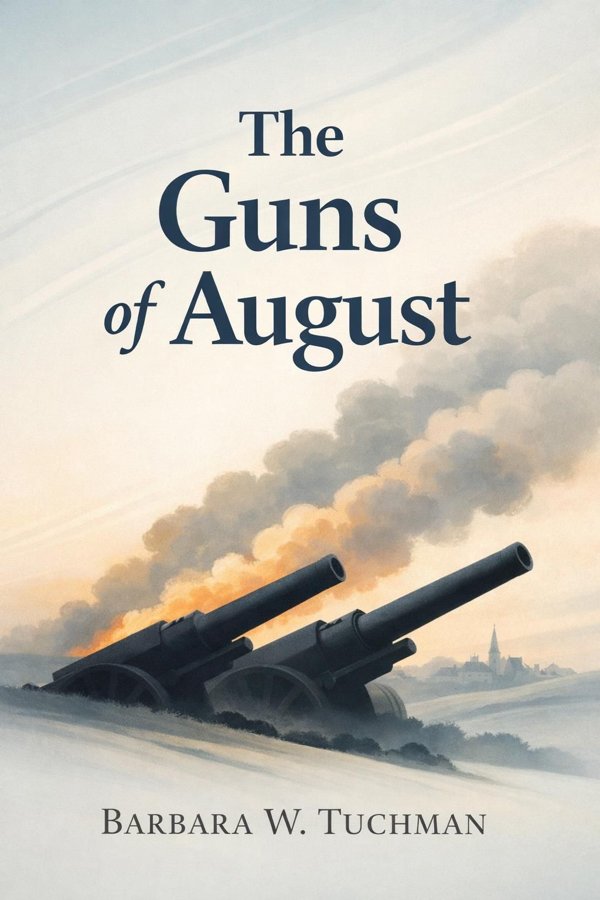
The Guns of August
Barbara W. Tuchman’s The Guns of August is a gripping history of how Europe stumbled into catastrophe in the summer of 1914. Rather than treating World War I as an inevitable explosion, Tuchman recons...
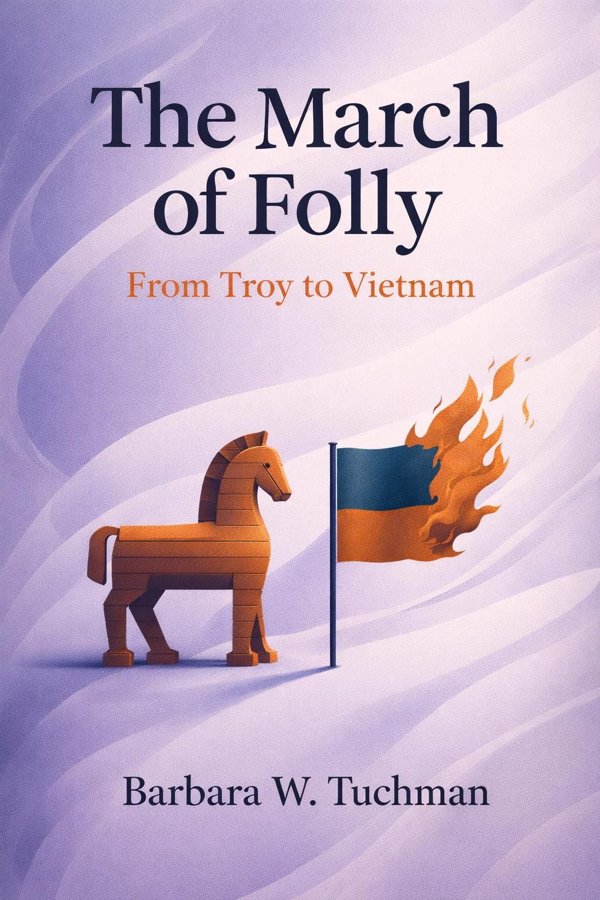
The March of Folly: From Troy to Vietnam
Why do leaders keep making disastrous choices even when warning signs are obvious? In The March of Folly: From Troy to Vietnam, Barbara W. Tuchman tackles that unsettling question with the clarity of ...

The Proud Tower: A Portrait of the World Before the War, 1890–1914
Barbara W. Tuchman’s The Proud Tower is a sweeping portrait of the Western world in the final decades before World War I, when confidence, wealth, and progress seemed to define modern civilization eve...
Key Insights from Barbara W. Tuchman
Feudal Order Shaped Every Human Relationship
A society does not begin with ideas; it begins with the structure of obligation. Tuchman shows that to understand the 14th century, we must first understand feudalism not as a simple hierarchy, but as a lived system of dependence. Power flowed through personal bonds rather than impersonal institutio...
From A Distant Mirror: The Calamitous 14th Century
The Hundred Years’ War Remade Europe
Wars are often remembered as dates and battles, but Tuchman reveals them as long processes that reshape society from the ground up. The Hundred Years’ War was not a single continuous conflict. It was a rolling sequence of invasions, raids, truces, dynastic claims, and resumed hostilities between Eng...
From A Distant Mirror: The Calamitous 14th Century
The Black Death Exposed Human Vulnerability
Nothing strips away illusions of control faster than plague. In one of the book’s most unforgettable sections, Tuchman presents the Black Death not simply as a medical catastrophe but as a civilizational rupture. Arriving in Europe in the mid-14th century, the plague killed on a scale that shattered...
From A Distant Mirror: The Calamitous 14th Century
Religious Authority Fractured from Within
Institutions often appear strongest just before they reveal their deepest weakness. Tuchman’s account of the medieval Church in crisis is one of the book’s central achievements. The Church was not merely a religious body in the 14th century; it was a political force, a moral authority, a landholder,...
From A Distant Mirror: The Calamitous 14th Century
Chivalry Survived After Its Usefulness Declined
Cultures often cling to ideals long after reality has moved on. Tuchman treats chivalry not as a fairy-tale code but as a social ethic that organized noble identity. Courage, honor, loyalty, courtly behavior, martial prowess, and the defense of status all belonged to the chivalric world. It gave mea...
From A Distant Mirror: The Calamitous 14th Century
Economic Change Disrupted the Social Pyramid
Material life often transforms society faster than official ideology does. Tuchman shows that beneath the grand dramas of kings and popes, the 14th century was also a period of profound economic and social transition. The Black Death sharply reduced population, creating labor shortages that gave sur...
From A Distant Mirror: The Calamitous 14th Century
About Barbara W. Tuchman
Barbara W. Tuchman (1912–1989) was an American historian and author known for her accessible and engaging works on military and political history. She won the Pulitzer Prize twice, including for 'The Guns of August' in 1963, and was celebrated for her ability to bring historical events to life throu...
Read more
Barbara W. Tuchman (1912–1989) was an American historian and author known for her accessible and engaging works on military and political history. She won the Pulitzer Prize twice, including for 'The Guns of August' in 1963, and was celebrated for her ability to bring historical events to life throu...
Barbara W. Tuchman (1912–1989) was an American historian and author known for her accessible and engaging works on military and political history. She won the Pulitzer Prize twice, including for 'The Guns of August' in 1963, and was celebrated for her ability to bring historical events to life through narrative storytelling.


Frequently Asked Questions
Barbara W. Tuchman (1912–1989) was an American historian and author known for her accessible and engaging works on military and political history.
Read Barbara W. Tuchman's books in 15 minutes
Get AI-powered summaries with key insights from 4 books by Barbara W. Tuchman.