

Arturo Pérez-Reverte Books
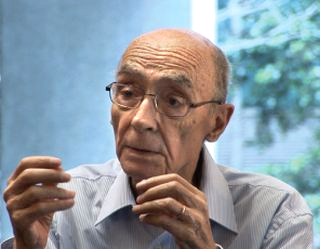
Arturo Pérez-Reverte (born 1951 in Cartagena, Spain) is a Spanish novelist and journalist, and a member of the Royal Spanish Academy since 2003. Before becoming a full-time writer, he worked as a war correspondent for over twenty years.
Known for: Captain Alatriste, The Club Dumas, The Flanders Panel, The Painter of Battles, The Queen Of The South, The Seville Communion
Books by Arturo Pérez-Reverte
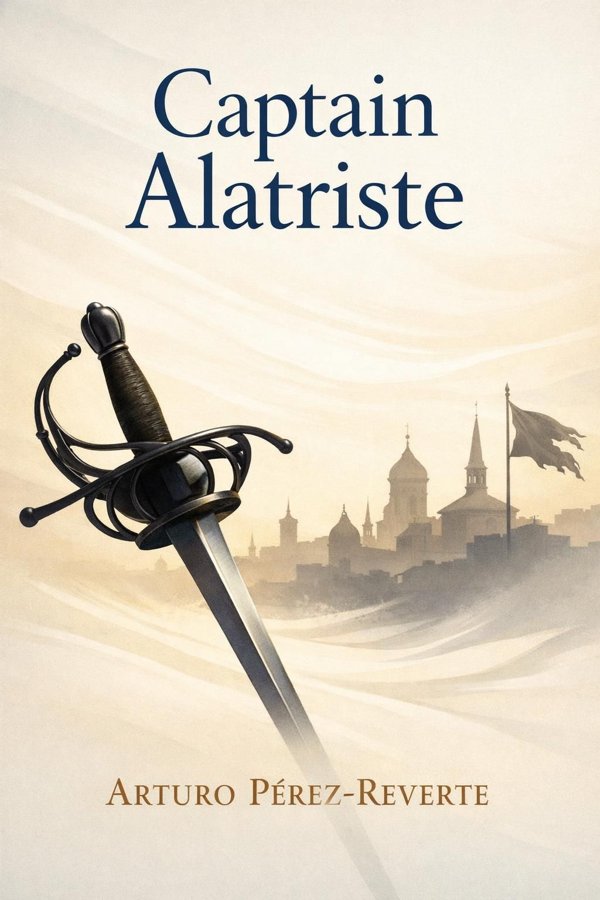
Captain Alatriste
Captain Alatriste is the electrifying opening novel in Arturo Pérez-Reverte’s celebrated historical adventure series, set in the shadowed streets, taverns, theaters, and palaces of seventeenth-century...

The Club Dumas
The Club Dumas is a literary mystery novel by Spanish author Arturo Pérez-Reverte. It follows Lucas Corso, a rare book dealer hired to authenticate a manuscript of The Three Musketeers by Alexandre Du...

The Flanders Panel
What if a painting were not simply an object to admire, but a crime scene waiting to be reopened? In The Flanders Panel, Arturo Pérez-Reverte builds an intricate mystery around Julia, a young art rest...
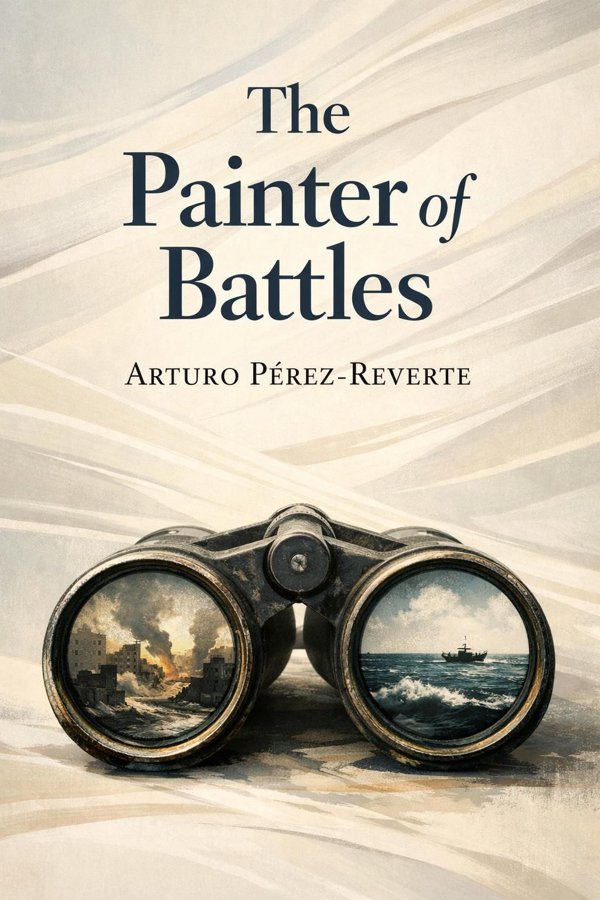
The Painter of Battles
What happens when a man who has spent his life documenting war can no longer bear to simply record it? In The Painter of Battles, Arturo Pérez-Reverte follows Andrés Faulques, a retired war photograph...
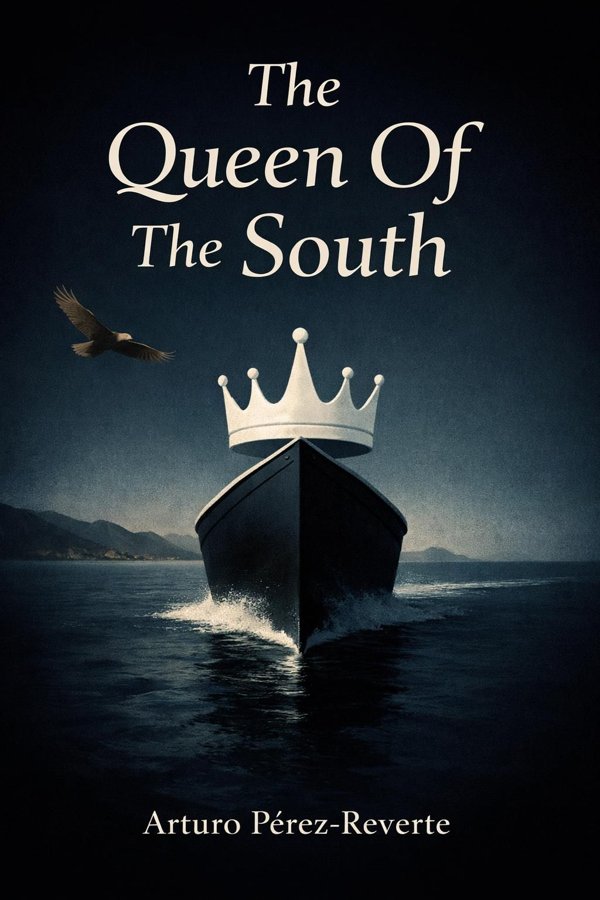
The Queen Of The South
What does it take for an ordinary person to survive a world built on fear, money, and betrayal? In The Queen Of The South, Arturo Pérez-Reverte answers that question through the unforgettable rise of ...
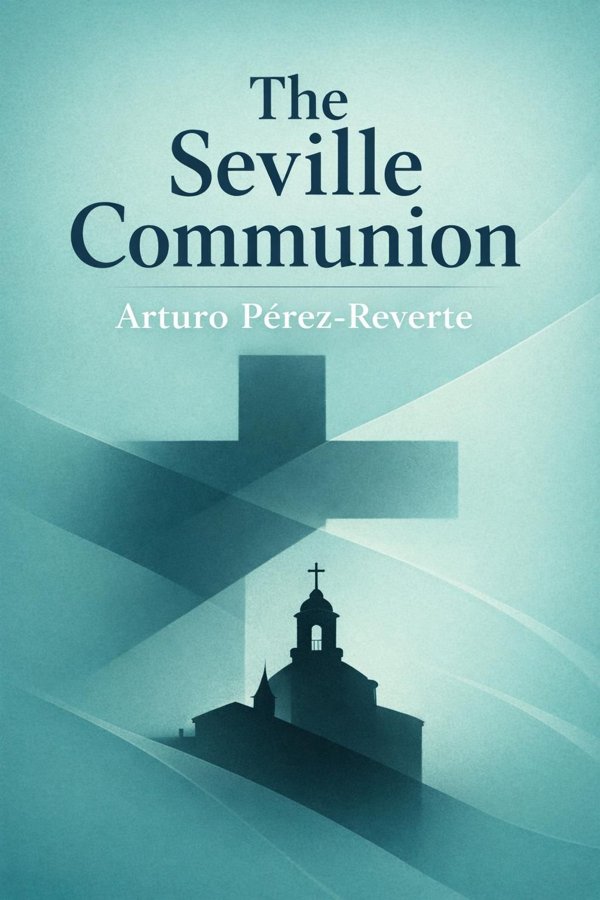
The Seville Communion
What happens when a place of worship becomes the center of a lethal mystery? In The Seville Communion, Arturo Pérez-Reverte begins with an unforgettable premise: a hacker breaches the Vatican’s intern...
Key Insights from Arturo Pérez-Reverte
Alatriste and Spain’s Diminishing Glory
Empires often collapse long before they admit it, and Captain Alatriste lives inside that contradiction. Diego Alatriste moves through a Spain that still speaks the language of destiny, Catholic supremacy, and imperial grandeur, yet the reality beneath the rhetoric is debt, corruption, exhausted sol...
From Captain Alatriste
The Ambush Reveals a Larger Game
A seemingly simple assignment is often the doorway to hidden power. The plot of Captain Alatriste begins when two masked employers hire Alatriste and the Italian assassin Gualterio Malatesta to attack two foreign travelers arriving in Madrid. At first, the task appears to be routine mercenary work: ...
From Captain Alatriste
Madrid as a Theater of Masks
Cities reveal character by what they force people to hide, and Madrid in Captain Alatriste is a city of masks. Pérez-Reverte presents the capital not merely as a backdrop but as a living system in which everyone performs a role: noblemen cultivate elegance while drowning in debt, priests preach virt...
From Captain Alatriste
Honor in a Corrupted World
Honor matters most when it is costly. Captain Alatriste is not a sentimental celebration of virtue; it is a hard examination of what remains of dignity in a world where institutions repeatedly fail. Alatriste is no spotless hero. He kills, lies when necessary, and works for money. Yet he possesses a...
From Captain Alatriste
Íñigo’s Education in Reality
Coming of age often means discovering that bravery is more complicated than stories suggest. The novel is narrated by Íñigo Balboa, who looks back on his youth and his apprenticeship under Alatriste. This perspective is crucial because Captain Alatriste is not just an adventure story; it is also an ...
From Captain Alatriste
Violence, Skill, and Moral Ambiguity
Skill is never morally neutral once it is placed in human hands. Swordsmanship in Captain Alatriste is thrilling, but Pérez-Reverte refuses to present violence as clean entertainment. Fencing, ambush, and dueling are shown as arts shaped by discipline, speed, reputation, and instinct, yet every blad...
From Captain Alatriste
About Arturo Pérez-Reverte
Arturo Pérez-Reverte (born 1951 in Cartagena, Spain) is a Spanish novelist and journalist, and a member of the Royal Spanish Academy since 2003. Before becoming a full-time writer, he worked as a war correspondent for over twenty years. His internationally acclaimed novels include The Flanders Panel...
Read more
Arturo Pérez-Reverte (born 1951 in Cartagena, Spain) is a Spanish novelist and journalist, and a member of the Royal Spanish Academy since 2003. Before becoming a full-time writer, he worked as a war correspondent for over twenty years. His internationally acclaimed novels include The Flanders Panel...
Arturo Pérez-Reverte (born 1951 in Cartagena, Spain) is a Spanish novelist and journalist, and a member of the Royal Spanish Academy since 2003. Before becoming a full-time writer, he worked as a war correspondent for over twenty years. His internationally acclaimed novels include The Flanders Panel, Captain Alatriste, and The Queen of the South.




Frequently Asked Questions
Arturo Pérez-Reverte (born 1951 in Cartagena, Spain) is a Spanish novelist and journalist, and a member of the Royal Spanish Academy since 2003. Before becoming a full-time writer, he worked as a war correspondent for over twenty years.
Read Arturo Pérez-Reverte's books in 15 minutes
Get AI-powered summaries with key insights from 6 books by Arturo Pérez-Reverte.