
Antony Beevor Books
Antony Beevor is a British historian renowned for his works on World War II, including Stalingrad, Berlin: The Downfall 1945, and D-Day. His books are celebrated for their narrative clarity, depth of research, and human perspective on military history.
Known for: D-Day: The Battle for Normandy, Stalingrad: The Fateful Siege, 1942–1943, Stalingrad: The Fateful Siege: 1942-1943, The Spanish Civil War
Books by Antony Beevor
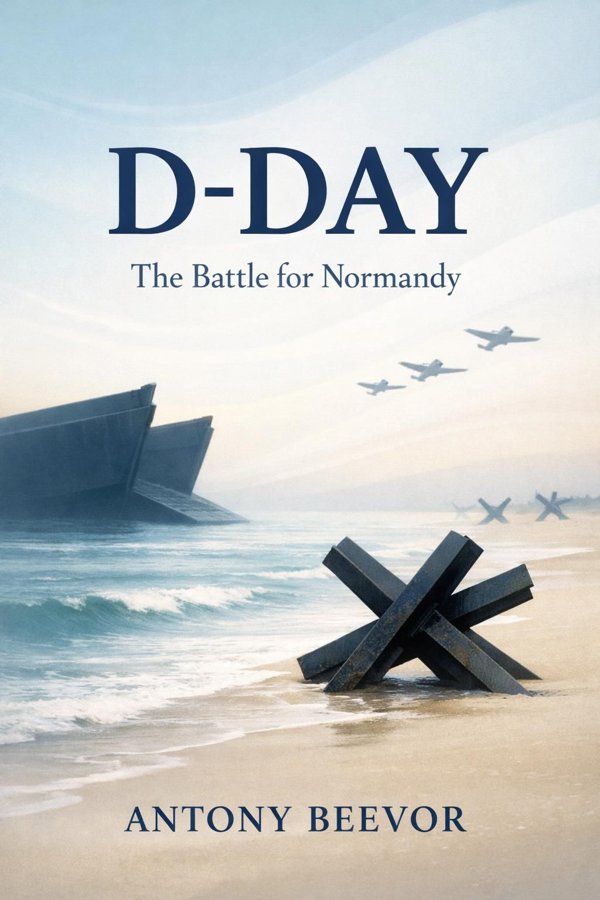
D-Day: The Battle for Normandy
D-Day: The Battle for Normandy is Antony Beevor’s sweeping account of one of the most consequential military campaigns in modern history: the Allied invasion of France in June 1944 and the brutal stru...
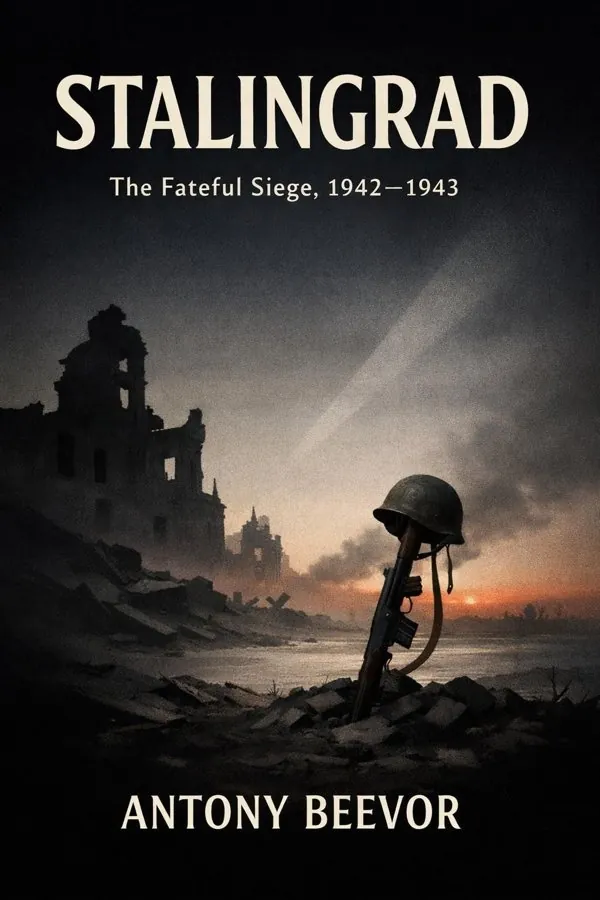
Stalingrad: The Fateful Siege, 1942–1943
A detailed historical account of the Battle of Stalingrad, one of the most decisive and brutal confrontations of World War II. Antony Beevor reconstructs the events from both the German and Soviet per...
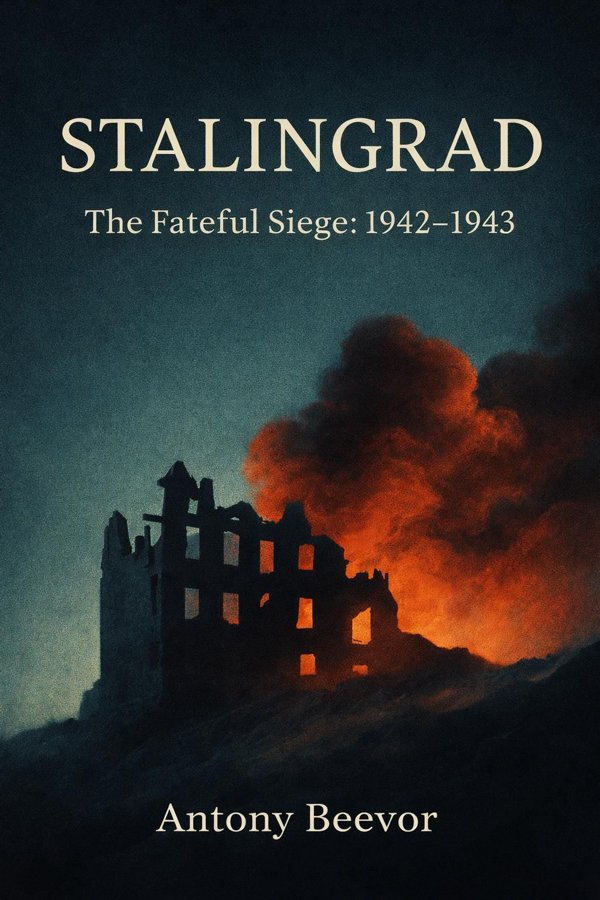
Stalingrad: The Fateful Siege: 1942-1943
Antony Beevor’s Stalingrad: The Fateful Siege: 1942-1943 is one of the most gripping and influential accounts ever written about the battle that changed the course of World War II. More than a militar...
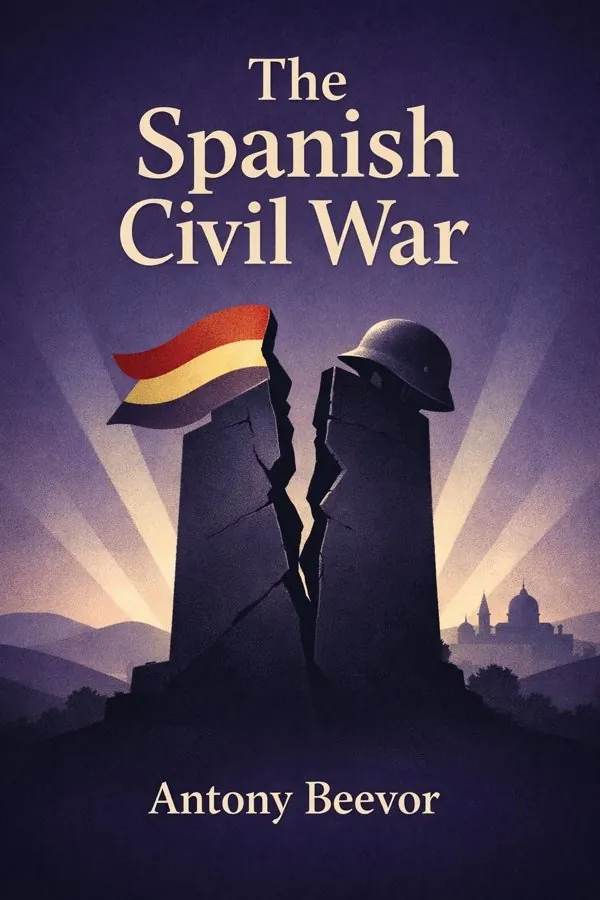
The Spanish Civil War
Antony Beevor’s The Spanish Civil War is a gripping history of one of the twentieth century’s most consequential conflicts: the brutal struggle that tore Spain apart from 1936 to 1939 and foreshadowed...
Key Insights from Antony Beevor
Victory Began With Deception
Before armies clash openly, wars are often decided in the realm of belief. Beevor shows that Operation Overlord depended not only on men, ships, and aircraft, but on persuading Hitler and the German high command to expect the main invasion somewhere else. The Allied deception plan, most famously Ope...
From D-Day: The Battle for Normandy
The Invasion Started In Darkness
History remembers the beaches, but Beevor reminds us that D-Day began in confusion, isolation, and darkness. In the early hours of June 6, airborne troops were dropped behind enemy lines to secure bridges, disrupt communications, and sow chaos in the German rear. Their mission was crucial: if German...
From D-Day: The Battle for Normandy
The Beaches Were Different Wars
D-Day is often spoken of as a single event, but Beevor makes clear that each beach represented a different battle shaped by terrain, weather, leadership, and luck. Utah, Omaha, Gold, Juno, and Sword were linked strategically yet experienced very differently by the men who landed there. At Utah, the ...
From D-Day: The Battle for Normandy
Command Delays Can Cost Thousands
One of Beevor’s sharpest insights is that the German response to D-Day was crippled not only by Allied force but by structural paralysis. German commanders faced a command system distorted by Hitler’s personal control, rivalries between senior officers, and disputes over how armored reserves should ...
From D-Day: The Battle for Normandy
Firepower Could Not Replace Terrain
Many assume that once the Allies secured the beaches, superior numbers and matériel made victory inevitable. Beevor complicates that view by showing how the Normandy bocage, the dense hedgerow countryside, transformed the campaign into a brutal battle of attrition. Tanks could not move freely, visib...
From D-Day: The Battle for Normandy
Caen Became A Battle Of Attrition
Cities in war often become symbols before they become objectives, and Caen was both. Beevor explains that the city was supposed to fall early in the campaign, opening space for Allied maneuver and securing the eastern flank of the lodgment. Instead, it became the center of prolonged, punishing comba...
From D-Day: The Battle for Normandy
About Antony Beevor
Antony Beevor is a British historian renowned for his works on World War II, including Stalingrad, Berlin: The Downfall 1945, and D-Day. His books are celebrated for their narrative clarity, depth of research, and human perspective on military history.

Frequently Asked Questions
Antony Beevor is a British historian renowned for his works on World War II, including Stalingrad, Berlin: The Downfall 1945, and D-Day. His books are celebrated for their narrative clarity, depth of research, and human perspective on military history.
Read Antony Beevor's books in 15 minutes
Get AI-powered summaries with key insights from 4 books by Antony Beevor.