
Amartya Sen Books
Amartya Sen is an Indian economist and philosopher, awarded the Nobel Memorial Prize in Economic Sciences in 1998 for his contributions to welfare economics and social choice theory. His work has profoundly influenced global thinking on poverty, inequality, and human development.
Known for: Development as Freedom, Identity and Violence: The Illusion of Destiny, The Argumentative Indian: Writings on Indian History, Culture and Identity, The Idea of Justice
Books by Amartya Sen

Development as Freedom
What if development were measured not by how much an economy produces, but by how much freedom people actually have to live the lives they value? In Development as Freedom, Nobel Prize-winning economi...
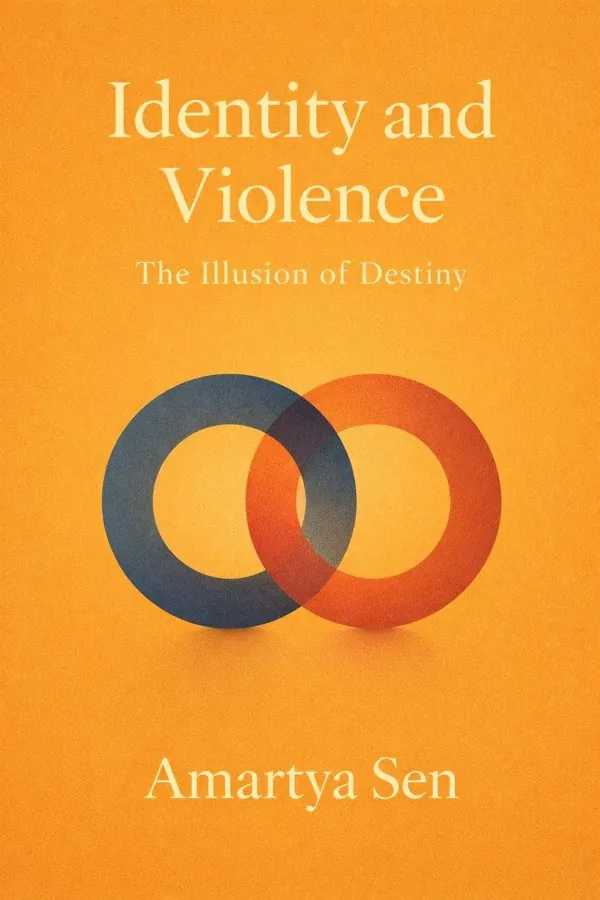
Identity and Violence: The Illusion of Destiny
Why do ordinary people come to see neighbors, colleagues, and even fellow citizens as enemies? In Identity and Violence, Nobel Prize–winning economist and philosopher Amartya Sen argues that one major...
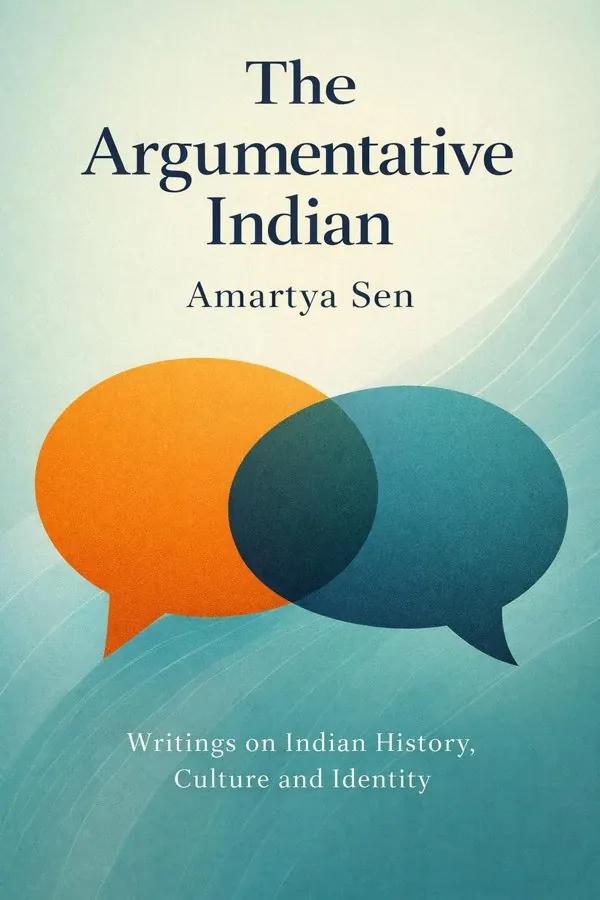
The Argumentative Indian: Writings on Indian History, Culture and Identity
A collection of essays by Nobel laureate Amartya Sen exploring India's intellectual and cultural traditions of public debate, reasoning, and pluralism. The book examines how these traditions have shap...
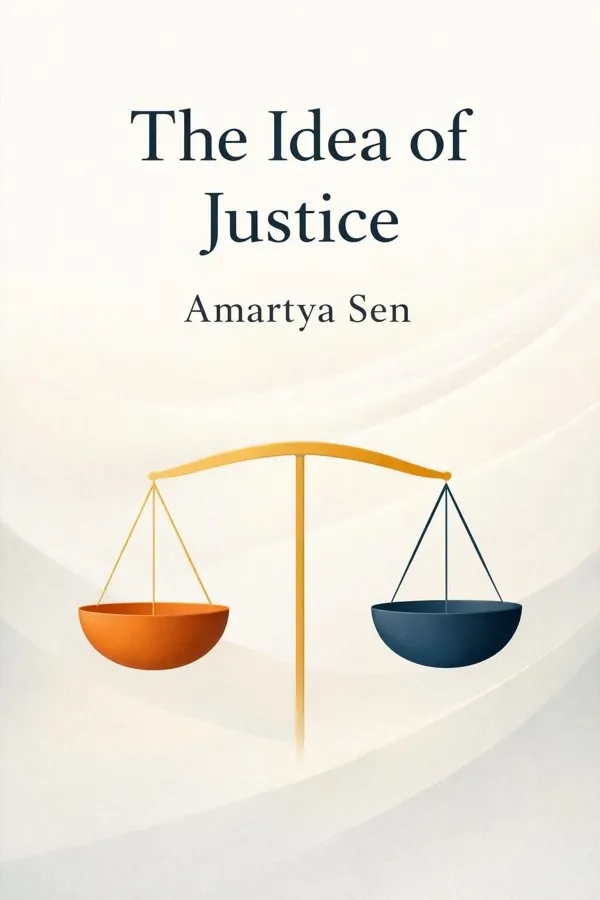
The Idea of Justice
In this influential work, Amartya Sen offers a profound critique of traditional theories of justice, particularly those of John Rawls. Sen argues that justice should not be understood as an ideal stat...
Key Insights from Amartya Sen
Freedom Is Both End And Means
A society is not truly developed if people are richer but still unable to make meaningful choices about their lives. One of Amartya Sen’s central insights is that freedom plays a dual role in development: it is both the ultimate objective and one of the most powerful tools for achieving progress. We...
From Development as Freedom
Development Means Expanding Real Choices
The most important measure of progress is not output, but opportunity. Sen argues that development should be understood as a process of expanding the real freedoms people enjoy. This means looking beyond resources to what people are actually able to be and do. Two people with the same income may liv...
From Development as Freedom
Agency Matters More Than Passive Welfare
People are not merely recipients of aid or policy; they are agents capable of shaping their own destinies. Sen insists that a good society must see individuals not as passive beneficiaries of development, but as active participants in it. This idea of agency is one of the book’s deepest moral and po...
From Development as Freedom
Five Instrumental Freedoms Work Together
Freedom is not one thing; it is a network of mutually reinforcing conditions. Sen identifies five instrumental freedoms that help drive development: political freedoms, economic facilities, social opportunities, transparency guarantees, and protective security. These are not isolated policy categori...
From Development as Freedom
Poverty Is Capability Deprivation
Poverty is more than low income; it is the inability to achieve basic human functionings. Sen’s capability approach transformed the study of deprivation by shifting attention from money alone to what people can actually do with the resources available to them. Someone may earn above a statistical po...
From Development as Freedom
Markets Need Ethics And Public Support
Markets are powerful, but they are not morally self-sufficient. Sen offers a nuanced defense of markets while rejecting both romantic anti-market views and simplistic faith in laissez-faire. Markets can expand freedom by enabling voluntary exchange, creating employment, increasing choice, and allowi...
From Development as Freedom
About Amartya Sen
Amartya Sen is an Indian economist and philosopher, awarded the Nobel Memorial Prize in Economic Sciences in 1998 for his contributions to welfare economics and social choice theory. His work has profoundly influenced global thinking on poverty, inequality, and human development.


Frequently Asked Questions
Amartya Sen is an Indian economist and philosopher, awarded the Nobel Memorial Prize in Economic Sciences in 1998 for his contributions to welfare economics and social choice theory. His work has profoundly influenced global thinking on poverty, inequality, and human development.
Read Amartya Sen's books in 15 minutes
Get AI-powered summaries with key insights from 4 books by Amartya Sen.