

Albert Camus Books
Albert Camus (1913–1960) was a French-Algerian writer, philosopher, and journalist. A leading figure in existentialist and absurdist thought, he was awarded the Nobel Prize in Literature in 1957.
Known for: The Plague, The Fall, The Myth of Sisyphus, The Rebel: An Essay on Man in Revolt, The Stranger
Books by Albert Camus
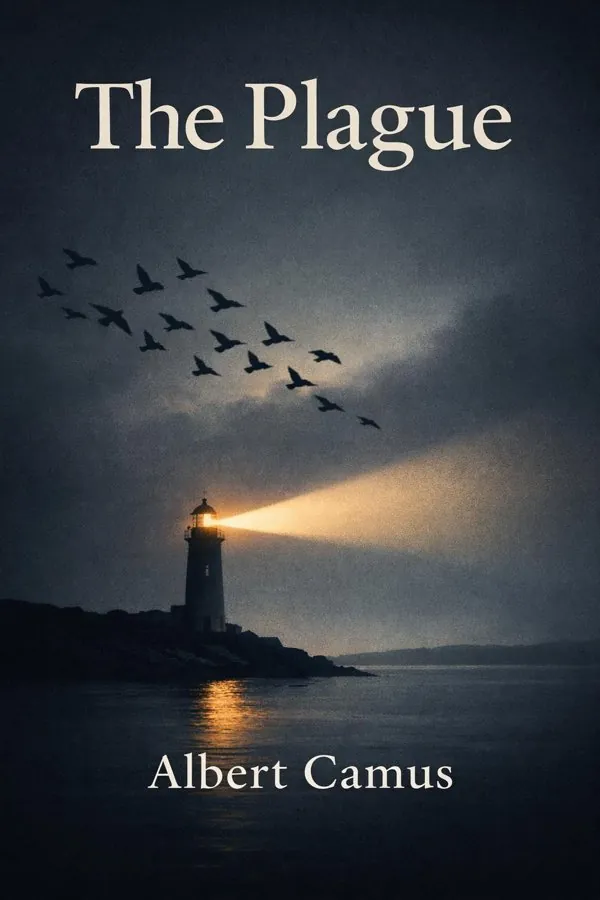
The Plague
What happens when ordinary life is suddenly sealed off by catastrophe? In The Plague, Albert Camus turns that question into a haunting, deeply human novel about fear, duty, suffering, and solidarity. ...
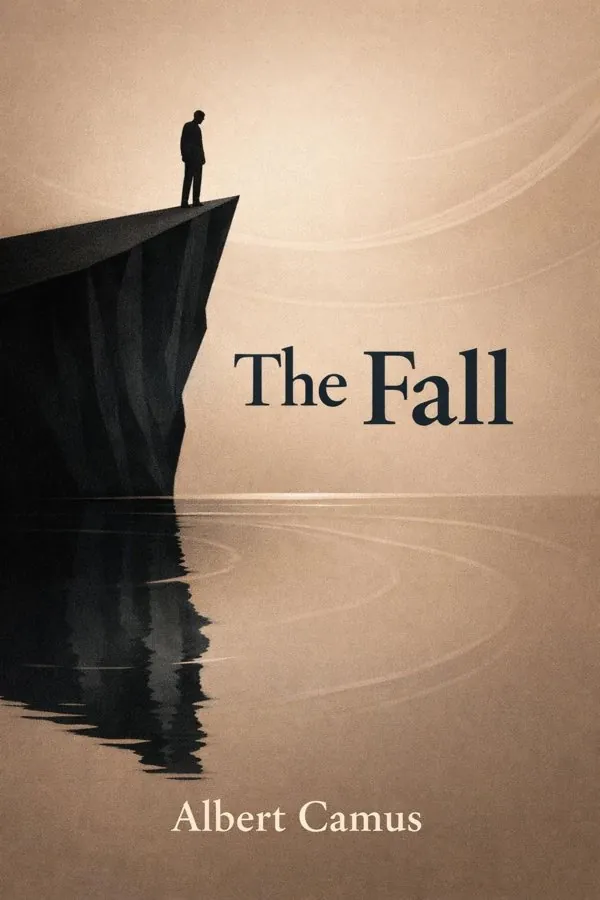
The Fall
Albert Camus’s The Fall is a dark, elegant, and unsettling philosophical novel in which a former Parisian lawyer, Jean-Baptiste Clamence, speaks almost without interruption to a silent stranger in the...
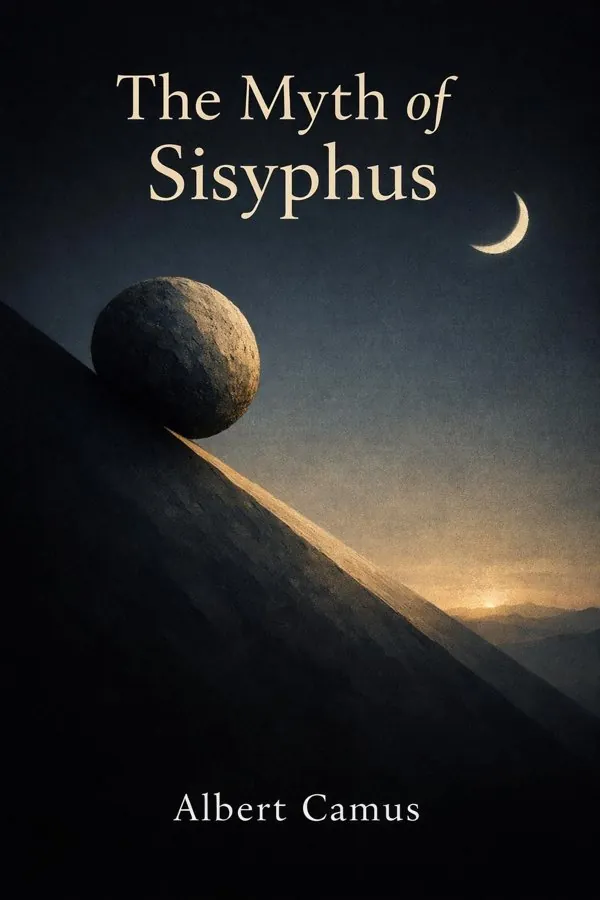
The Myth of Sisyphus
What do you do when life refuses to explain itself? In The Myth of Sisyphus, Albert Camus confronts that question with unusual honesty and courage. First published in 1942, this philosophical essay be...
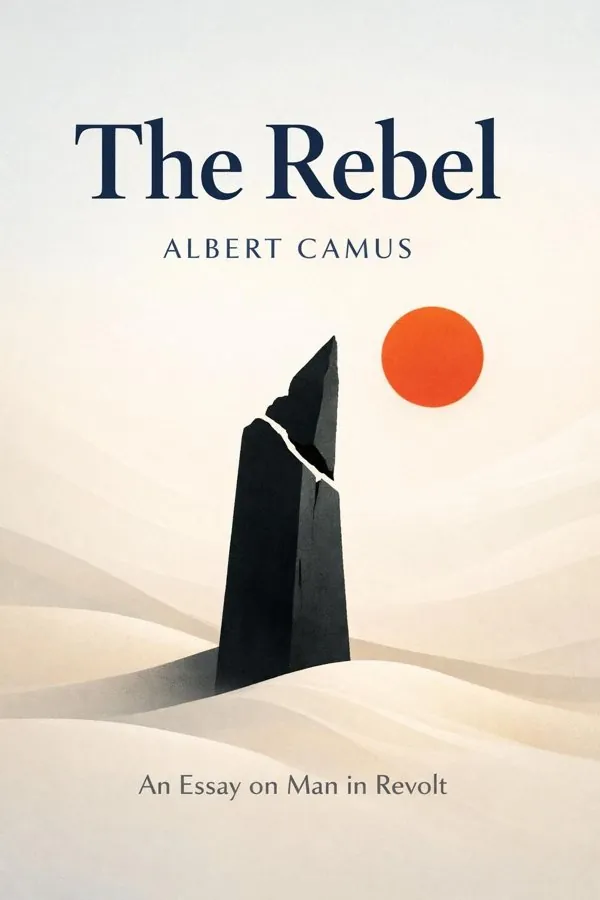
The Rebel: An Essay on Man in Revolt
First published in 1951, The Rebel is Albert Camus’s sweeping philosophical inquiry into why human beings revolt—and what happens when that revolt loses its moral limits. Beginning with the individual...
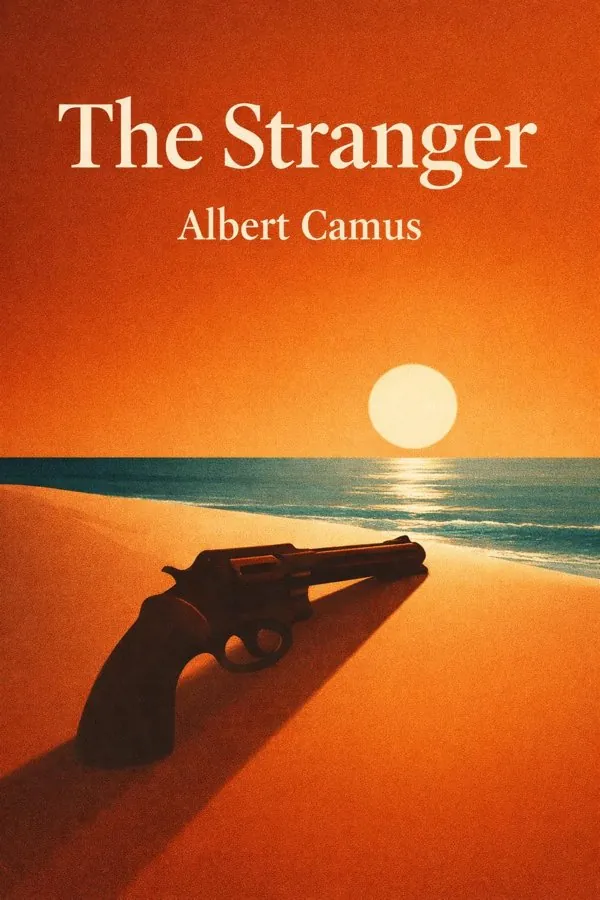
The Stranger
First published in 1942, The Stranger is Albert Camus’s stark, unforgettable novel about a man who refuses to pretend that life has meanings it cannot honestly provide. Set in French Algeria, it follo...
Key Insights from Albert Camus
Disaster Reveals Everyday Illusions
A crisis does not create human truth so much as expose what routine had hidden. At the beginning of The Plague, Oran is a practical, commercial city devoted to schedules, profit, and habit. People are busy, efficient, and emotionally distracted. They assume tomorrow will resemble today. Camus shows ...
From The Plague
Decency Matters More Than Heroism
The most important moral acts are often quiet, repetitive, and unglamorous. One of Camus’s central insights is that goodness does not usually arrive as grand heroism. Instead, it appears in small acts of persistence: showing up, doing one’s job honestly, easing another person’s pain, and refusing in...
From The Plague
Meaning Emerges Through Shared Struggle
When the world stops making sense, human connection becomes a form of meaning. Camus is often associated with the absurd, the idea that human beings seek order and purpose in a universe that does not guarantee either. In The Plague, that philosophy is not presented as cold despair. Instead, Camus sh...
From The Plague
Exile Is Both Physical And Emotional
Some of the deepest suffering in The Plague comes not from disease itself but from separation. When Oran is quarantined, loved ones are trapped apart with no clear timeline for reunion. Camus describes this condition as a form of exile. The citizens are exiled from one another, from their former rou...
From The Plague
False Certainty Can Become Moral Failure
People often reach for explanations not because they are true but because uncertainty is hard to bear. In The Plague, Camus explores how individuals and institutions respond when reality becomes unbearable. Some minimize the threat. Some rely on bureaucracy. Some turn to grand moral or religious int...
From The Plague
Freedom Shrinks Under Collective Threat
We understand freedom most clearly when it is taken away. Before the outbreak, the citizens of Oran rarely think about liberty because they assume it as background. Once the city is sealed, movement is regulated, choices narrow, and private desires are subordinated to collective necessity. Camus sho...
From The Plague
About Albert Camus
Albert Camus (1913–1960) was a French-Algerian writer, philosopher, and journalist. A leading figure in existentialist and absurdist thought, he was awarded the Nobel Prize in Literature in 1957. His major works include The Stranger, The Plague, and The Myth of Sisyphus.


Frequently Asked Questions
Albert Camus (1913–1960) was a French-Algerian writer, philosopher, and journalist. A leading figure in existentialist and absurdist thought, he was awarded the Nobel Prize in Literature in 1957.
Read Albert Camus's books in 15 minutes
Get AI-powered summaries with key insights from 5 books by Albert Camus.