

Astor: The Rise and Fall of an American Fortune: Summary & Key Insights
by Anderson Cooper, Katherine Howe
 10 min5 chaptersAudio available
What Is Astor: The Rise and Fall of an American Fortune About?
Astor: The Rise and Fall of an American Fortune by Anderson Cooper, Katherine Howe is a world_history book spanning 5 pages. A sweeping chronicle of the Astor family, from the arrival of German immigrant John Jacob Astor in 1783 to the decline of one of America's most storied fortunes. Anderson Cooper and historian Katherine Howe trace the family's rise through fur trading, real estate, and high society, exploring how ambition, wealth, and reinvention shaped generations of Astors and mirrored the evolution of the United States itself.
This FizzRead summary covers all 5 key chapters of Astor: The Rise and Fall of an American Fortune in approximately 10 minutes, distilling the most important ideas, arguments, and takeaways from Anderson Cooper, Katherine Howe's work. Also available as an audio summary and Key Quotes Podcast.
Astor: The Rise and Fall of an American Fortune
A sweeping chronicle of the Astor family, from the arrival of German immigrant John Jacob Astor in 1783 to the decline of one of America's most storied fortunes. Anderson Cooper and historian Katherine Howe trace the family's rise through fur trading, real estate, and high society, exploring how ambition, wealth, and reinvention shaped generations of Astors and mirrored the evolution of the United States itself.
Who Should Read Astor: The Rise and Fall of an American Fortune?
This book is perfect for anyone interested in world_history and looking to gain actionable insights in a short read. Whether you're a student, professional, or lifelong learner, the key ideas from Astor: The Rise and Fall of an American Fortune by Anderson Cooper, Katherine Howe will help you think differently.
- ✓Readers who enjoy world_history and want practical takeaways
- ✓Professionals looking to apply new ideas to their work and life
- ✓Anyone who wants the core insights of Astor: The Rise and Fall of an American Fortune in just 10 minutes
Want the full summary?
Get instant access to this book summary and 100K+ more with Fizz Moment.
Get Free SummaryAvailable on App Store • Free to download
Key Chapters
In 1783, a twenty-year-old German immigrant named Johann Jakob Astor stepped off a ship in a fledgling America, carrying almost nothing but his ambition. Like many immigrants of his time, he was drawn by rumor—the rich pelts of the New World and the fluid social boundaries the Revolution had left in its wake. The fur trade became his route into fortune, but also into something more enduring: the myth of the self-made man.
He worked with an obsessive pragmatism, establishing contacts across the frontier and building what would become one of the most powerful fur networks in North America. Astor’s methods were not romantic; they were strategic, often ruthless. He leveraged every connection, anticipated markets before they materialized, and, crucially, saw land—not fur—as the true future of wealth. What fascinated me about John Jacob Astor was not just his prosperity, but how he translated opportunity into permanence. He saw America’s urban centers, particularly New York, as the next empire. In his mind, ownership equaled immortality.
Yet the paradox was already visible. The man who dreamed of permanence lived by exploiting constant change—the natural resources, the cityscape, and the shifting populations of a newborn nation. By the time of his death in 1848, Astor was America’s first multimillionaire. But he was also its first symbol of what would become a recurring question: can the self-made American ever truly escape the impermanence that defines the nation?
The fortune John Jacob Astor had amassed was just beginning. His genius wasn’t only in trading but in recognizing the untapped potential of real estate. He began purchasing parcels of land in what was then the expanding periphery of New York City—plots others dismissed as unpromising or inconveniently rural. Over time, his holdings would become the core of midtown Manhattan.
This transition—from fur to property—marked a new phase both for the Astors and for America itself. The early republic’s economy, once built on trade and motion, now sought solidity and institution. Property, not commerce, became the symbol of legacy. John Jacob’s descendants inherited a new identity: not merchants but landlords. They collected rents, built grand buildings, and measured their success not by enterprise but by stability.
William Backhouse Astor Sr. and his son William Jr. consolidated what their patriarch began, expanding and refining an empire of urban ownership. The Astors were not industrialists; they were curators of the city’s geography. Their choices shaped New York—where people lived, where they worked, how wealth and poverty would literally exist side by side. But this concentration of ownership also created detachment. As the family retreated into drawing rooms and philanthropy, the hunger that had defined their origin began to wane.
What was once the story of endeavor became one of preservation—a struggle to maintain what earlier generations had fought to gain. This delicate balance between innovation and inheritance would become the defining tension of the Astor saga.
+ 3 more chapters — available in the FizzRead app
All Chapters in Astor: The Rise and Fall of an American Fortune
About the Authors
Anderson Cooper is an American journalist and television anchor best known for his work with CNN. Katherine Howe is an American historian and novelist specializing in American cultural history and historical fiction.
Get This Summary in Your Preferred Format
Read or listen to the Astor: The Rise and Fall of an American Fortune summary by Anderson Cooper, Katherine Howe anytime, anywhere. FizzRead offers multiple formats so you can learn on your terms — all free.
Available formats: App · Audio · PDF · EPUB — All included free with FizzRead
Download Astor: The Rise and Fall of an American Fortune PDF and EPUB Summary
Key Quotes from Astor: The Rise and Fall of an American Fortune
“In 1783, a twenty-year-old German immigrant named Johann Jakob Astor stepped off a ship in a fledgling America, carrying almost nothing but his ambition.”
“The fortune John Jacob Astor had amassed was just beginning.”
Frequently Asked Questions about Astor: The Rise and Fall of an American Fortune
Astor: The Rise and Fall of an American Fortune by Anderson Cooper, Katherine Howe is a world_history book that explores key ideas across 5 chapters. A sweeping chronicle of the Astor family, from the arrival of German immigrant John Jacob Astor in 1783 to the decline of one of America's most storied fortunes. Anderson Cooper and historian Katherine Howe trace the family's rise through fur trading, real estate, and high society, exploring how ambition, wealth, and reinvention shaped generations of Astors and mirrored the evolution of the United States itself.
You Might Also Like
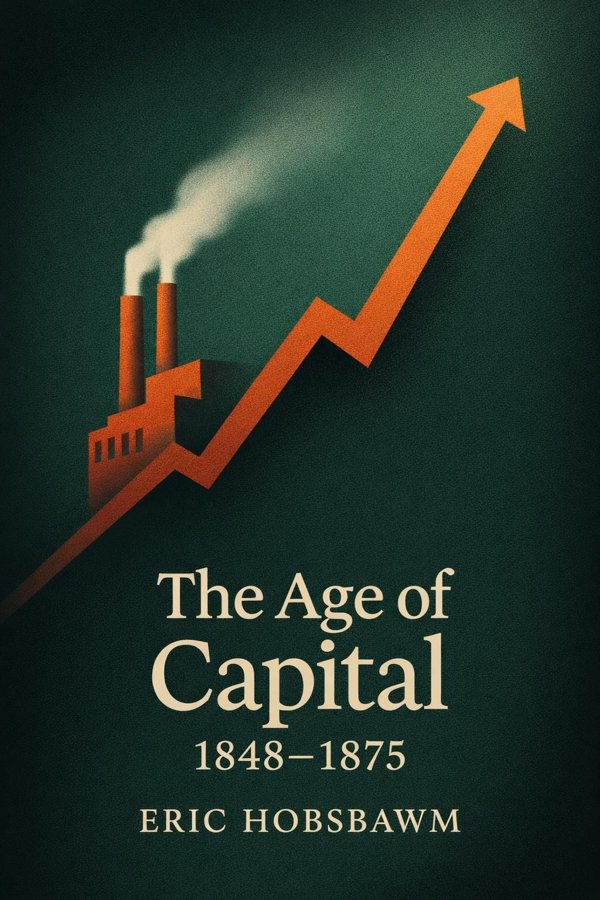
The Age of Capital
Eric Hobsbawm
10 min
The Gulag Archipelago
Aleksandr Solzhenitsyn
10 min
Jerusalem: The Biography
Simon Sebag Montefiore
10 min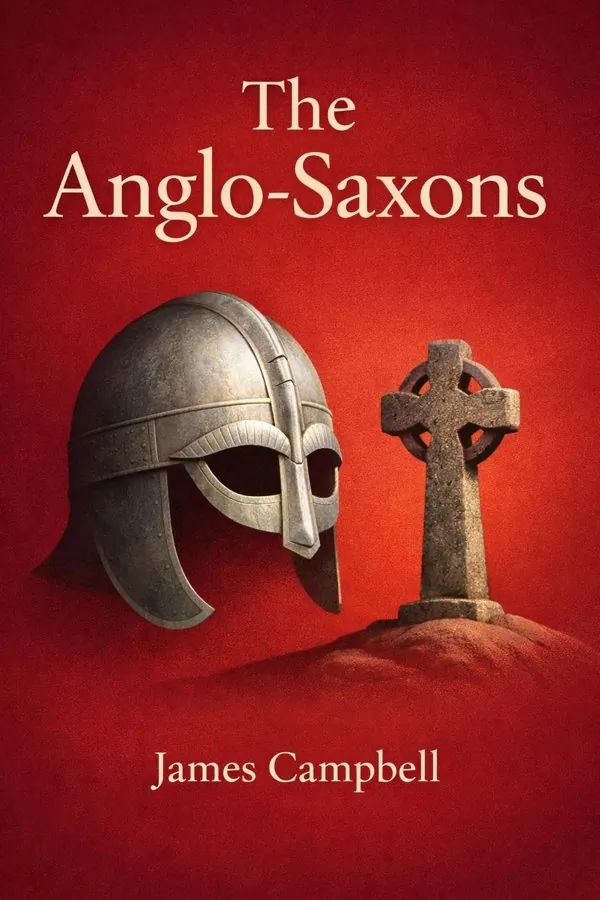
The Anglo-Saxons
James Campbell
10 min
The Boer War
Thomas Pakenham
10 min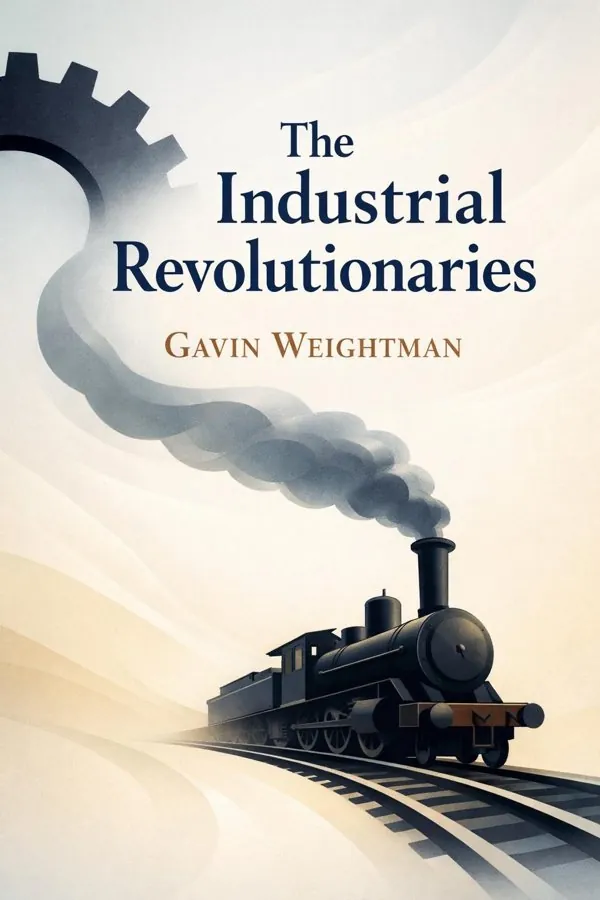
The Industrial Revolutionaries: The Making of the Modern World 1776–1914
Gavin Weightman
10 minBrowse by Category
Ready to read Astor: The Rise and Fall of an American Fortune?
Get the full summary and 100K+ more books with Fizz Moment.