

Antifragile: Things That Gain from Disorder: Summary & Key Insights
 10 min11 chaptersAudio available
What Is Antifragile: Things That Gain from Disorder About?
Antifragile: Things That Gain from Disorder by Nassim Nicholas Taleb is a strategy book spanning 11 pages. Antifragile explores how certain systems, ideas, and individuals benefit from volatility, randomness, and stress. Taleb argues that rather than merely resisting shocks, antifragile entities grow stronger through them. The book extends his Incerto series, offering a philosophical and practical framework for understanding uncertainty and resilience in life, business, and nature.
This FizzRead summary covers all 11 key chapters of Antifragile: Things That Gain from Disorder in approximately 10 minutes, distilling the most important ideas, arguments, and takeaways from Nassim Nicholas Taleb's work. Also available as an audio summary and Key Quotes Podcast.
Antifragile: Things That Gain from Disorder
Antifragile explores how certain systems, ideas, and individuals benefit from volatility, randomness, and stress. Taleb argues that rather than merely resisting shocks, antifragile entities grow stronger through them. The book extends his Incerto series, offering a philosophical and practical framework for understanding uncertainty and resilience in life, business, and nature.
Who Should Read Antifragile: Things That Gain from Disorder?
This book is perfect for anyone interested in strategy and looking to gain actionable insights in a short read. Whether you're a student, professional, or lifelong learner, the key ideas from Antifragile: Things That Gain from Disorder by Nassim Nicholas Taleb will help you think differently.
- ✓Readers who enjoy strategy and want practical takeaways
- ✓Professionals looking to apply new ideas to their work and life
- ✓Anyone who wants the core insights of Antifragile: Things That Gain from Disorder in just 10 minutes
Want the full summary?
Get instant access to this book summary and 100K+ more with Fizz Moment.
Get Free SummaryAvailable on App Store • Free to download
Key Chapters
To live is to confront uncertainty. But humans often confuse being unharmed by disorder with benefiting from it. If a porcelain cup breaks when it falls, we call it fragile. If a steel bar remains intact under impact, it is robust. Yet there exists a third category—the hydra. Cut off one of its heads, and two grow in its place. That is the essence of antifragility. Systems that are antifragile are not merely resilient; they get stronger when exposed to volatility, randomness, stressors, or failure. The difference is not semantic but structural. Fragility is harmed by variance; antifragility requires variance to survive.
We can observe antifragility in biology and evolution. Muscles grow only when subjected to stress. The immune system becomes more capable when exposed to discordant signals. Evolution itself is an antifragile process—mutation, failure, and death generate adaptation and survival beyond the capacity of any planned design. In contrast, modern human systems—from finance to medicine to politics—seek to suppress volatility. In their quest for smoothness, they kill the learning process. Antifragility demands we reverse that instinct. Instead of imposing predictability, we can construct systems that harness randomness for improvement. It’s an invitation to see disorder as part of our nourishment, not as poison.
Modern society rests on a dangerous delusion: that the world is predictable and that risk can be managed through sophisticated models. We reward forecasters, planners, and 'fragilistas'—those who prefer to tame uncertainty rather than understand it. But the more complex our forecasts, the more fragile our systems become because they embed unrecognized assumptions about the future. When reality deviates, the entire structure collapses.
Economic crises are the purest demonstrations of this flaw. The 2008 collapse was not an unforeseeable 'black swan'; it was the inevitable result of policies and models that denied randomness. In seeking to eliminate small losses and volatility, the system accumulated hidden fragilities that exploded when the stress became intolerable. The problem is not uncertainty itself but our overconfidence in managing it. True wisdom lies in accepting the random nature of life and constructing systems that do not rely on prediction.
The antifragile mindset means preferring redundancy to optimization, preferring options to forecasts. Nature never predicts. It experiments endlessly and selects what works. When we act like nature—risking small, surviving mistakes—we navigate uncertainty safely. Our attempts to forecast reduce wisdom to numbers and models detached from reality. The alternative is humility before complexity and a return to trial, error, and adaptation—the mother tongue of antifragility.
+ 9 more chapters — available in the FizzRead app
All Chapters in Antifragile: Things That Gain from Disorder
About the Author
Nassim Nicholas Taleb is a Lebanese-American scholar, statistician, and former trader known for his work on risk, probability, and uncertainty. He is the author of the Incerto series, which includes The Black Swan and Fooled by Randomness, and has taught at several universities including NYU and the London Business School.
Get This Summary in Your Preferred Format
Read or listen to the Antifragile: Things That Gain from Disorder summary by Nassim Nicholas Taleb anytime, anywhere. FizzRead offers multiple formats so you can learn on your terms — all free.
Available formats: App · Audio · PDF · EPUB — All included free with FizzRead
Download Antifragile: Things That Gain from Disorder PDF and EPUB Summary
Key Quotes from Antifragile: Things That Gain from Disorder
“But humans often confuse being unharmed by disorder with benefiting from it.”
“Modern society rests on a dangerous delusion: that the world is predictable and that risk can be managed through sophisticated models.”
Frequently Asked Questions about Antifragile: Things That Gain from Disorder
Antifragile: Things That Gain from Disorder by Nassim Nicholas Taleb is a strategy book that explores key ideas across 11 chapters. Antifragile explores how certain systems, ideas, and individuals benefit from volatility, randomness, and stress. Taleb argues that rather than merely resisting shocks, antifragile entities grow stronger through them. The book extends his Incerto series, offering a philosophical and practical framework for understanding uncertainty and resilience in life, business, and nature.
More by Nassim Nicholas Taleb
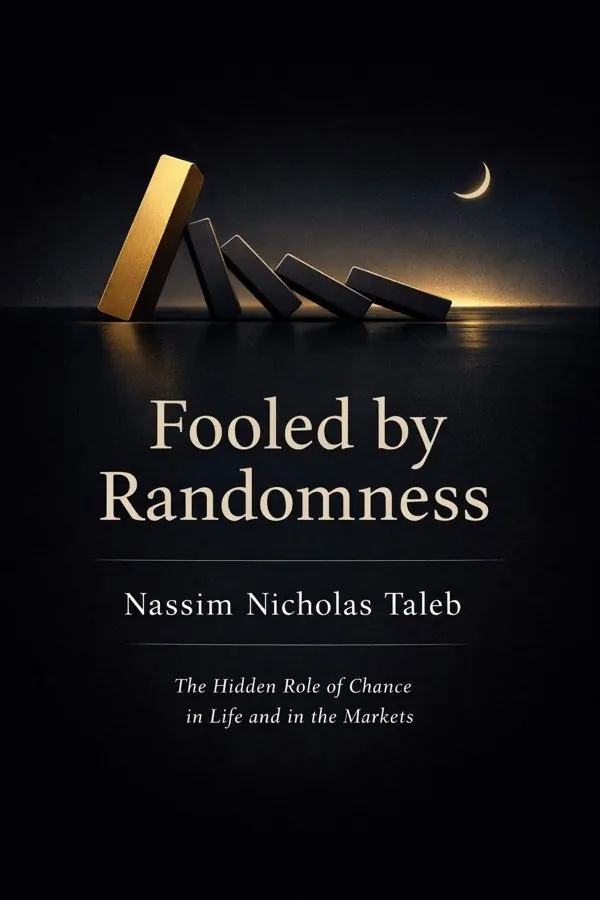
Fooled by Randomness: The Hidden Role of Chance in Life and in the Markets
Nassim Nicholas Taleb
10 min
Skin in the Game: Hidden Asymmetries in Daily Life
Nassim Nicholas Taleb
10 min
The Barbell Strategy
Nassim Nicholas Taleb
10 min
The Black Swan: The Impact of the Highly Improbable
Nassim Nicholas Taleb
10 minYou Might Also Like
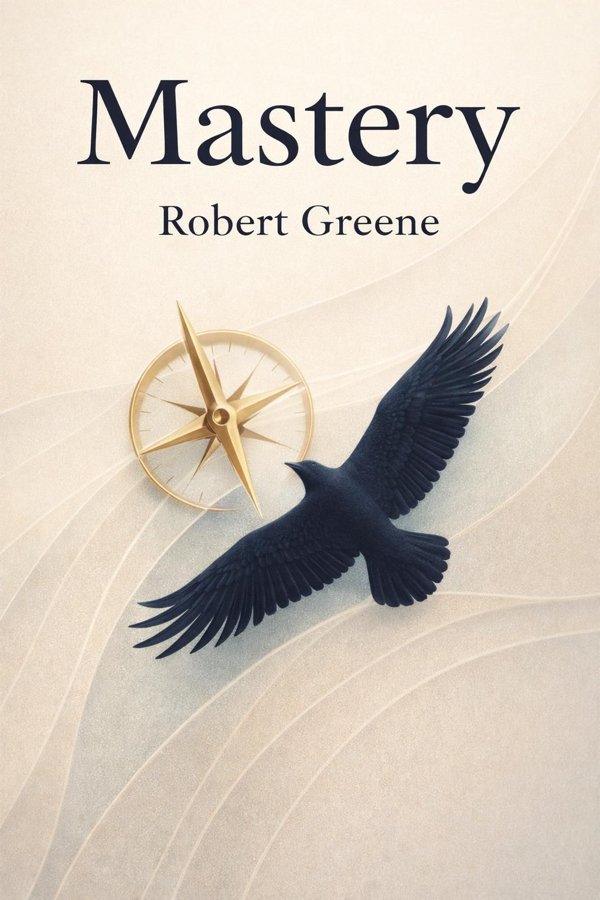
Mastery
Robert Greene
10 min
Cut Costs Not Corners: A Practical Guide to Staying Competitive and Improving Profits
Colin Barrow
10 min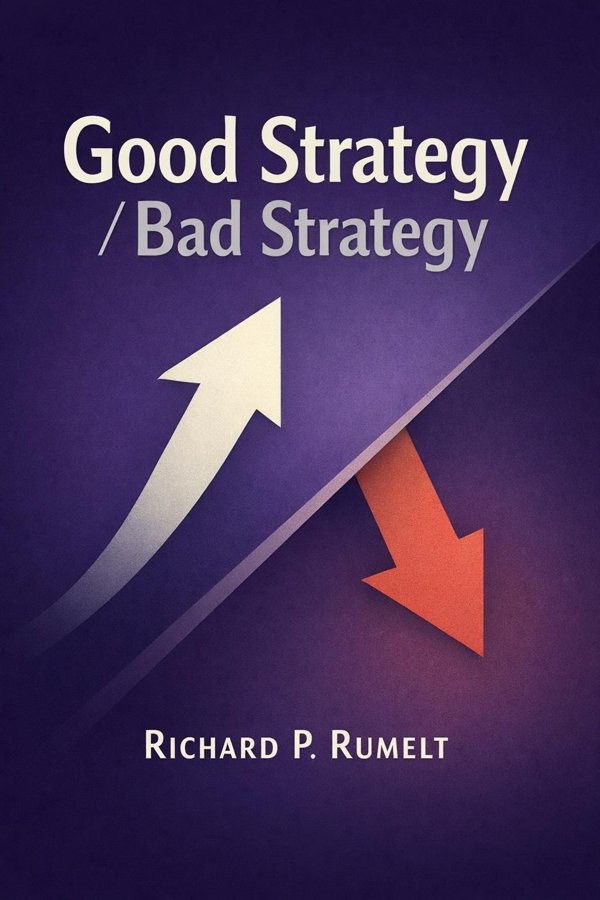
Good Strategy/Bad Strategy: The Difference and Why It Matters
Richard P. Rumelt
10 min
On Grand Strategy
John Lewis Gaddis
10 min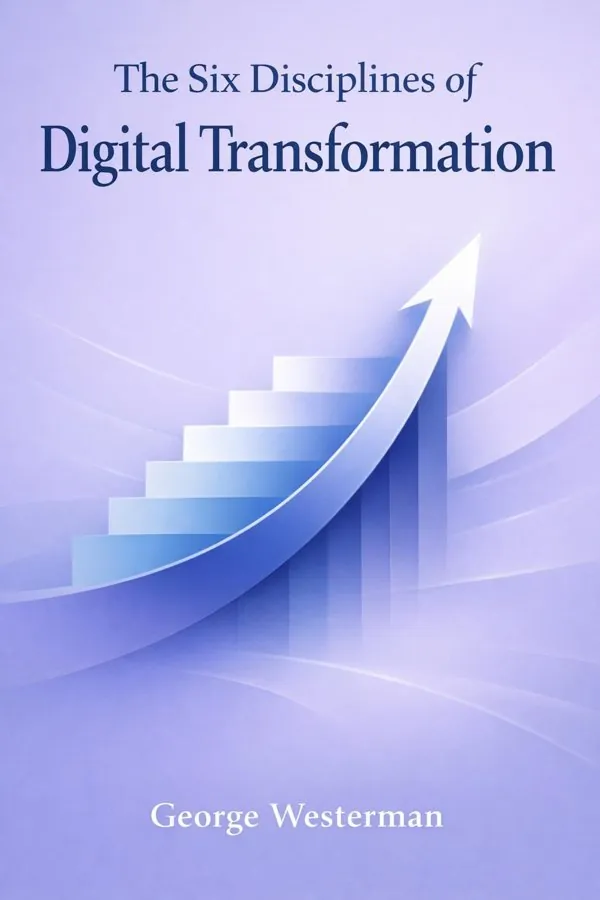
The Six Disciplines of Digital Transformation
George Westerman
10 min
7 Powers: The Foundations of Business Strategy
Hamilton Helmer
10 minFeatured In
Browse by Category
Ready to read Antifragile: Things That Gain from Disorder?
Get the full summary and 100K+ more books with Fizz Moment.