
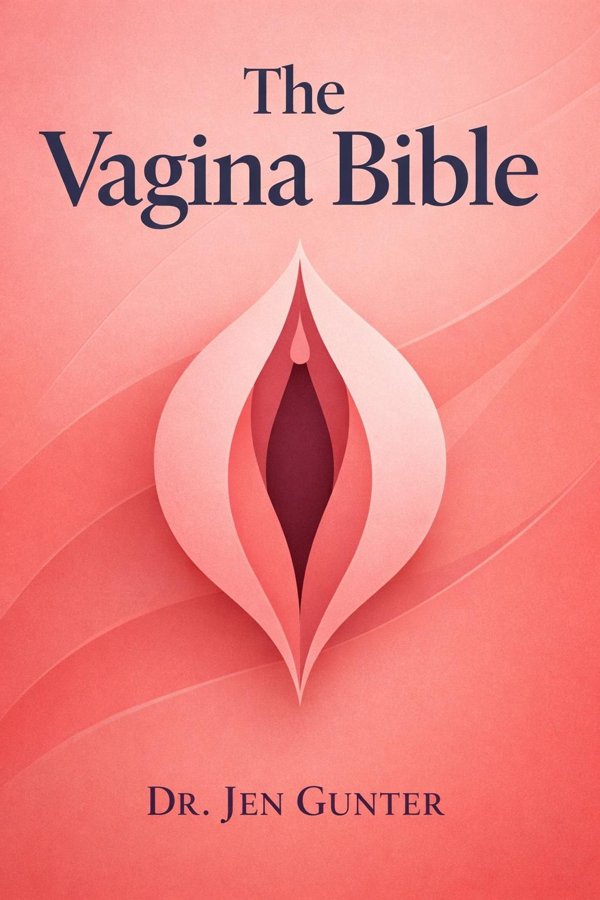
The Vagina Bible: The Vulva and the Vagina: Separating the Myth from the Medicine: Summary & Key Insights
 10 min10 chaptersAudio available
Key Takeaways from The Vagina Bible: The Vulva and the Vagina: Separating the Myth from the Medicine
Confusion about the body often starts with confusion about language.
The reproductive system is not static; it is a body system shaped by changing hormones across a lifetime.
Health is often less about sterility than balance.
Much of what is sold as feminine hygiene exists to create insecurity first and then sell a solution.
Silence around sexual function creates fertile ground for shame and bad advice.
What Is The Vagina Bible: The Vulva and the Vagina: Separating the Myth from the Medicine About?
The Vagina Bible: The Vulva and the Vagina: Separating the Myth from the Medicine by Dr. Jen Gunter is a health_med book spanning 12 pages. The Vagina Bible is a sharp, practical, and deeply reassuring guide to understanding female sexual and reproductive health without shame, euphemism, or pseudoscience. Written by Dr. Jen Gunter, a Canadian obstetrician-gynecologist and pain medicine physician, the book takes on the misinformation that surrounds the vulva, vagina, menstruation, hormones, sex, menopause, and common gynecological conditions. In a culture where marketing, internet myths, and silence often replace science, Gunter offers a clear alternative: evidence-based medicine explained in plain language. What makes this book matter is not only the information it contains, but the stance it takes. Gunter argues that people deserve accurate knowledge about their bodies, not fear-based advice, wellness gimmicks, or moralized messaging disguised as health guidance. She tackles everything from discharge and infections to pubic hair, vaginal steaming, probiotics, and pain during sex, always asking the same question: what does the evidence actually show? The result is both educational and liberating. The Vagina Bible helps readers become better informed patients, more confident advocates, and less vulnerable to myths that profit from insecurity. It is a modern health manual grounded in science, skepticism, and respect for bodily autonomy.
This FizzRead summary covers all 10 key chapters of The Vagina Bible: The Vulva and the Vagina: Separating the Myth from the Medicine in approximately 10 minutes, distilling the most important ideas, arguments, and takeaways from Dr. Jen Gunter's work. Also available as an audio summary and Key Quotes Podcast.
The Vagina Bible: The Vulva and the Vagina: Separating the Myth from the Medicine
The Vagina Bible is a sharp, practical, and deeply reassuring guide to understanding female sexual and reproductive health without shame, euphemism, or pseudoscience. Written by Dr. Jen Gunter, a Canadian obstetrician-gynecologist and pain medicine physician, the book takes on the misinformation that surrounds the vulva, vagina, menstruation, hormones, sex, menopause, and common gynecological conditions. In a culture where marketing, internet myths, and silence often replace science, Gunter offers a clear alternative: evidence-based medicine explained in plain language.
What makes this book matter is not only the information it contains, but the stance it takes. Gunter argues that people deserve accurate knowledge about their bodies, not fear-based advice, wellness gimmicks, or moralized messaging disguised as health guidance. She tackles everything from discharge and infections to pubic hair, vaginal steaming, probiotics, and pain during sex, always asking the same question: what does the evidence actually show?
The result is both educational and liberating. The Vagina Bible helps readers become better informed patients, more confident advocates, and less vulnerable to myths that profit from insecurity. It is a modern health manual grounded in science, skepticism, and respect for bodily autonomy.
Who Should Read The Vagina Bible: The Vulva and the Vagina: Separating the Myth from the Medicine?
This book is perfect for anyone interested in health_med and looking to gain actionable insights in a short read. Whether you're a student, professional, or lifelong learner, the key ideas from The Vagina Bible: The Vulva and the Vagina: Separating the Myth from the Medicine by Dr. Jen Gunter will help you think differently.
- ✓Readers who enjoy health_med and want practical takeaways
- ✓Professionals looking to apply new ideas to their work and life
- ✓Anyone who wants the core insights of The Vagina Bible: The Vulva and the Vagina: Separating the Myth from the Medicine in just 10 minutes
Want the full summary?
Get instant access to this book summary and 100K+ more with Fizz Moment.
Get Free SummaryAvailable on App Store • Free to download
Key Chapters
Confusion about the body often starts with confusion about language. One of Dr. Jen Gunter’s most important points is that calling everything “the vagina” erases essential anatomical differences and makes it harder for people to understand symptoms, seek care, and talk clearly with clinicians. The vulva is the external genital area, including the labia, clitoris, urethral opening, and vaginal opening. The vagina is the internal muscular canal. These are not interchangeable terms, and using them correctly improves both body literacy and medical communication.
This matters because symptoms happen in specific places. Itching on the vulva is not the same as pain in the vagina. Burning near the urethra may point to a urinary problem rather than a vaginal infection. A lump on the labia requires different thinking than unusual discharge from the vagina. When patients have the language to describe what they are experiencing, they are more likely to get accurate treatment and less likely to be dismissed or misunderstand what is happening.
Gunter also emphasizes that normal anatomy varies widely. Labia come in different shapes, colors, and sizes. Skin pigmentation changes over time. Hair patterns differ. None of this is a problem to be fixed. In a world saturated with airbrushed images and cosmetic marketing, understanding normal variation is a form of protection.
A practical application is simple: use a mirror, learn the names of your anatomy, and notice what is normal for you. That baseline can help you recognize meaningful changes later, whether it is a rash, lesion, swelling, or pain.
Actionable takeaway: Learn the correct terms for your external and internal anatomy and use them confidently when describing symptoms or asking questions.
The reproductive system is not static; it is a body system shaped by changing hormones across a lifetime. Gunter explains puberty as the beginning of a long hormonal story, not a single event. Estrogen, progesterone, and testosterone influence skin, hair, lubrication, odor, discharge, mood, and the development of sexual characteristics. These changes are normal, but because many people are never taught what to expect, normal development can feel alarming.
During puberty, vaginal discharge typically begins before menstruation starts. That discharge is often a healthy sign of estrogen activity, not evidence that something is wrong. The vulva and vagina also become more active biologically, and scent, sweat, and secretions can change. Later in life, hormonal shifts during pregnancy, postpartum recovery, breastfeeding, perimenopause, and menopause bring further changes. Dryness, thinning tissues, lower elasticity, and altered pH are not personal failures; they are physiological effects.
A key strength of the book is that it treats these changes as medical realities rather than moral or cosmetic concerns. Instead of framing the body as unpredictable or defective, Gunter explains the underlying mechanisms. This helps readers distinguish expected transitions from symptoms that deserve evaluation, such as severe pain, unexplained bleeding, or discharge with a strong fishy odor.
Practically, this knowledge can reduce panic and improve care. A teenager noticing discharge may need reassurance rather than treatment. A breastfeeding parent with vaginal dryness may benefit from lubricants or a medical conversation about hormones. A person approaching menopause may find relief in understanding that urinary symptoms and dryness can be linked to estrogen decline.
Actionable takeaway: Treat hormonal changes as expected biological transitions, and seek medical advice when symptoms are painful, disruptive, or clearly different from your usual pattern.
Health is often less about sterility than balance. Gunter’s discussion of the vaginal microbiome challenges the common assumption that the vagina should be cleaned, deodorized, or supplemented into submission. In reality, the vagina is an ecosystem, typically dominated by Lactobacillus species that help maintain an acidic environment. That acidity discourages harmful microbes and supports a state of health, but the balance can be affected by hormones, sex, antibiotics, menstruation, and certain products.
This chapter is especially valuable because the microbiome has become a buzzword that marketers exploit. Gunter separates what researchers actually know from what wellness culture likes to claim. Not all bacteria are bad, not all shifts are dangerous, and not every unpleasant symptom means the ecosystem is “toxic” or needs a cleanse. Conditions such as bacterial vaginosis and yeast infections are examples of imbalance, but they are medical issues requiring appropriate diagnosis, not evidence that someone is dirty.
The practical implication is that interventions should be thoughtful, not trendy. Vaginal steaming, scented washes, and unnecessary internal cleansing may disturb the environment they claim to improve. Some probiotics are heavily marketed for vaginal health despite limited or mixed evidence for broad use. Gunter’s larger message is to resist treating the vagina as a fragile object needing constant management.
A useful real-world example is recurrent symptoms after frequent product use. Someone using fragranced soap internally, douching, or trying multiple over-the-counter “feminine” products may actually be worsening irritation or microbiome disruption. Often, less interference is better.
Actionable takeaway: Respect the vagina as a self-regulating ecosystem, avoid unnecessary internal products, and get persistent odor, irritation, or unusual discharge medically evaluated instead of self-diagnosing through marketing claims.
Much of what is sold as feminine hygiene exists to create insecurity first and then sell a solution. Gunter dismantles the idea that healthy vulvas and vaginas need perfumes, douches, wipes, steaming, or detox regimens. The vagina is self-cleaning. The vulva needs only gentle external care. When people over-clean, scrub, or apply fragranced products, they often trigger the very irritation, odor, or burning they are trying to prevent.
The book draws an important distinction between cleanliness and commercialization. Basic hygiene means washing the external vulva with water, and if desired, a mild non-irritating cleanser on the outside only. It does not mean inserting soaps, deodorants, herbs, or antiseptics. Pubic hair, too, is not unhygienic by default. Shaving or waxing is a cosmetic choice, but it can lead to ingrown hairs, irritation, cuts, and increased vulnerability to skin problems.
Gunter is particularly strong in exposing myths around odor. Healthy genitals are not supposed to smell like flowers or laundry detergent. They smell like skin, sweat, glands, and bodily secretions. Normal scent changes with the menstrual cycle, exercise, sex, and hormones. A strong or unpleasant change may warrant medical assessment, but normal odor is not a cleanliness failure.
This advice is highly applicable. If someone experiences stinging after using scented wipes, recurring dryness after “freshening” products, or irritation after hair removal, the cause may be the hygiene routine itself. Simplifying care often improves symptoms more than adding treatments.
Actionable takeaway: Keep vulvar care simple, avoid douching and fragranced products, and remember that a normal genital scent is a sign of a body, not a problem to erase.
Silence around sexual function creates fertile ground for shame and bad advice. Gunter approaches sexual health as a legitimate area of medicine rather than a taboo topic. Desire, arousal, pain, lubrication, orgasm, and satisfaction are influenced by anatomy, hormones, relationships, medications, stress, trauma history, and medical conditions. There is rarely one simple cause, and that complexity deserves nuance rather than judgment.
One of the book’s key contributions is its direct discussion of pain during sex. Pain is common, but it is not something people should be expected to endure. Causes can include dryness, pelvic floor dysfunction, infections, vulvar skin conditions, endometriosis, hormonal changes, and more. By placing pain in a medical framework, Gunter pushes back against cultural messaging that normalizes female discomfort or minimizes it as anxiety.
She also addresses lubrication and sexual response with practicality. Bodies do not always respond on schedule, and lubrication is not a moral measure of desire. Stress, breastfeeding, menopause, antihistamines, antidepressants, and many other factors can affect physical readiness. Lubricants and vaginal moisturizers are tools, not signs of dysfunction. The same evidence-based approach applies to sexually transmitted infections, screening, and safer sex conversations.
In practical terms, readers can use this chapter to rethink symptoms they may have normalized. If intercourse consistently hurts, if bleeding occurs repeatedly after sex, or if low desire comes with distress, those are reasons to seek informed care. Good medicine starts with the assumption that sexual well-being matters.
Actionable takeaway: Do not normalize persistent pain, bleeding, or distress related to sex; bring these issues to a qualified clinician and treat sexual health as real health.
Too many people make reproductive decisions in a fog of fear, hearsay, and half-truths. Gunter brings welcome clarity to contraception and menstrual health by grounding both in physiology and evidence. Birth control is not merely about preventing pregnancy; it can also influence bleeding patterns, pain, acne, endometriosis symptoms, and quality of life. Different methods come with different trade-offs, and the right choice depends on goals, medical history, tolerance for side effects, and personal preference.
A useful theme in the book is that common does not always mean normal. Many menstrual experiences vary widely, but severe pain that disrupts life, very heavy bleeding, or major cycle changes deserve attention. Gunter resists both extremes: she does not medicalize every variation, but she also rejects the dismissive habit of telling people to simply live with debilitating symptoms. Understanding what periods typically involve can help identify when something like fibroids, endometriosis, adenomyosis, or a bleeding disorder may need evaluation.
The same balanced approach appears in her discussion of contraceptive myths. Hormonal contraception is often demonized online with exaggerated claims about toxins, infertility, or permanent damage, yet these methods are among the most studied medications in medicine. That does not mean they are right for everyone, only that decisions should be based on evidence rather than panic.
Practically, this means asking focused questions: Do I need highly effective pregnancy prevention? Do I want fewer periods? Do I have migraines, clotting risks, or painful cycles? Am I likely to remember a daily pill? A better decision emerges when method and person are matched thoughtfully.
Actionable takeaway: Choose contraception and evaluate menstrual symptoms using evidence and personal priorities, not social media myths or pressure to tolerate preventable suffering.
Many vulvovaginal symptoms look similar, which is why self-diagnosis can go wrong so easily. Gunter repeatedly stresses that itching, burning, odor, discharge, and irritation are not diagnoses. Yeast infections, bacterial vaginosis, sexually transmitted infections, allergic reactions, skin disorders, and even vulvar pain conditions can overlap in appearance and sensation. Treating every symptom as “just a yeast infection” may delay proper care and sometimes worsen the problem.
This point is especially practical because over-the-counter products make it tempting to guess. Someone may experience itching and immediately buy antifungal medication, only to find the symptoms persist because the real cause is contact dermatitis from scented detergent, lichen sclerosus, herpes, or bacterial vaginosis. Repeated self-treatment without confirmation can create frustration and confusion.
Gunter’s approach is not anti-self-awareness; it is pro-accuracy. Knowing your usual patterns is helpful, and some people with a confirmed history of recurrent yeast infections may recognize the signs. But uncertainty, recurrence, severe pain, sores, bleeding, fever, or pelvic pain should prompt professional evaluation. Proper diagnosis may involve examination, pH testing, microscopy, cultures, or STI testing depending on the symptom pattern.
The broader lesson is that evidence-based treatment begins with naming the right problem. This protects patients from wasted money, unnecessary medication, and the shame that often accompanies recurring unresolved symptoms. It also exposes the false promise of one-size-fits-all “feminine wellness” cures.
Actionable takeaway: If vulvar or vaginal symptoms are new, recurrent, severe, or not improving with appropriate treatment, seek a proper diagnosis rather than repeatedly treating yourself based on assumptions.
Aging is not a pathology, but the medical needs that come with aging are real. Gunter treats menopause and later-life gynecologic health with seriousness and respect, pushing back against the idea that symptoms should simply be endured. Declining estrogen can affect the vulva, vagina, bladder, pelvic tissues, lubrication, and comfort during sex. Dryness, burning, urinary urgency, recurrent urinary tract infections, and pain can all become more common, yet many people are never told why.
One of the book’s strengths is that it normalizes discussion of genitourinary symptoms in midlife and beyond. Instead of presenting menopause only as hot flashes and mood changes, Gunter broadens the conversation to include tissue changes that significantly affect daily life and intimacy. She also addresses the confusion surrounding hormone therapy and local estrogen, encouraging readers to rely on individualized medical guidance rather than fear-based headlines or celebrity wellness claims.
This chapter also ties into dignity and quality of life. If a person can no longer ride a bike comfortably, has stinging with urination, wakes repeatedly with bladder symptoms, or avoids sex because of pain, these are not trivial inconveniences. They are treatable issues worthy of care.
A practical application is learning that over-the-counter lubricants and moisturizers may help some people, but persistent dryness or urinary symptoms may require medical treatment, including local estrogen or other therapies. Symptoms that feel embarrassing often have well-understood biological explanations.
Actionable takeaway: Do not accept menopause-related vulvovaginal or urinary symptoms as inevitable suffering; discuss them openly with a clinician because effective treatments exist.
Bad health advice becomes powerful when people are too embarrassed to question it. One of Gunter’s central arguments is that myths about the vagina flourish because society treats female bodies as mysterious, dirty, or in need of correction. That creates ideal conditions for industries selling cleanses, jade eggs, steaming treatments, detox pearls, miracle probiotics, and cosmetic interventions marketed as empowerment. In reality, many of these products are unsupported by evidence and some are actively harmful.
Gunter’s method is both scientific and cultural. She does not merely say a claim is false; she shows how it spreads. Sensational wellness language often mixes kernels of truth with unsupported promises. Words like “balance,” “toxins,” “natural,” and “restoration” sound reassuring while avoiding measurable medical meaning. Social media intensifies this problem by rewarding confident anecdotes over cautious evidence.
The deeper issue is not just false information, but the insecurity it exploits. If people are taught that normal discharge is dirty, normal odor is offensive, or normal anatomy is unattractive, they become easy customers for unnecessary products and procedures. Gunter counters this by making skepticism a health skill. Readers learn to ask: What is the evidence? Who profits from this advice? Is the claim biologically plausible? Has it been studied in real patients?
This has practical value far beyond gynecology. The same critical thinking can be used whenever health information appears online, whether about hormones, fertility, gut health, or supplements. The goal is not cynicism, but informed discernment.
Actionable takeaway: Before trying any trendy vaginal or vulvar health product, pause and ask whether the claim is supported by credible medical evidence or simply designed to profit from embarrassment.
Knowledge is not only comforting; it is protective. The final thread running through The Vagina Bible is that body literacy helps people advocate for themselves in medical settings and in everyday life. Gunter encourages readers to understand normal function, recognize warning signs, ask direct questions, and challenge dismissive care. This is especially important in gynecology, where patients are often socialized to downplay pain, feel embarrassed by symptoms, or accept vague reassurance instead of explanation.
Healthcare advocacy begins with preparation. A patient who tracks bleeding, notes symptom timing, records prior treatments, and uses clear anatomical language gives clinicians better information. But Gunter also makes a broader point: patients are entitled to respectful care. If pain is brushed off, if options are not explained, or if a diagnosis does not fit the facts, asking for clarification or a second opinion is reasonable. Self-advocacy is not being difficult; it is participating responsibly in one’s own care.
This chapter also intersects with body image and cultural pressure. People who know that vulvas vary widely, that discharge can be normal, and that menopause symptoms are treatable are less likely to internalize harmful messages. Accurate knowledge reduces vulnerability to both medical neglect and commercial manipulation.
In practice, advocacy can look simple: bringing a list of symptoms to an appointment, asking what else could explain the problem, requesting evidence for a proposed treatment, or seeking a specialist when pain persists. These are ordinary acts, but they can change outcomes significantly.
Actionable takeaway: Learn your baseline, document changes, ask precise questions, and remember that informed, respectful self-advocacy is an essential part of good healthcare.
All Chapters in The Vagina Bible: The Vulva and the Vagina: Separating the Myth from the Medicine
About the Author
Dr. Jen Gunter is a Canadian obstetrician-gynecologist, pain medicine physician, author, and public advocate for evidence-based women’s health. Known for her direct style and sharp skepticism of pseudoscience, she has become one of the most prominent voices challenging misinformation about gynecology, menopause, hormones, and so-called wellness treatments. In addition to her clinical background, Gunter is a widely read health communicator who has contributed to major publications, including The New York Times. Her writing stands out for combining medical rigor with accessibility, humor, and a strong commitment to patient autonomy. Through books, essays, and public commentary, she has helped millions of readers better understand their bodies and question health claims that rely more on marketing than science.
Get This Summary in Your Preferred Format
Read or listen to the The Vagina Bible: The Vulva and the Vagina: Separating the Myth from the Medicine summary by Dr. Jen Gunter anytime, anywhere. FizzRead offers multiple formats so you can learn on your terms — all free.
Available formats: App · Audio · PDF · EPUB — All included free with FizzRead
Download The Vagina Bible: The Vulva and the Vagina: Separating the Myth from the Medicine PDF and EPUB Summary
Key Quotes from The Vagina Bible: The Vulva and the Vagina: Separating the Myth from the Medicine
“Confusion about the body often starts with confusion about language.”
“The reproductive system is not static; it is a body system shaped by changing hormones across a lifetime.”
“Health is often less about sterility than balance.”
“Much of what is sold as feminine hygiene exists to create insecurity first and then sell a solution.”
“Silence around sexual function creates fertile ground for shame and bad advice.”
Frequently Asked Questions about The Vagina Bible: The Vulva and the Vagina: Separating the Myth from the Medicine
The Vagina Bible: The Vulva and the Vagina: Separating the Myth from the Medicine by Dr. Jen Gunter is a health_med book that explores key ideas across 10 chapters. The Vagina Bible is a sharp, practical, and deeply reassuring guide to understanding female sexual and reproductive health without shame, euphemism, or pseudoscience. Written by Dr. Jen Gunter, a Canadian obstetrician-gynecologist and pain medicine physician, the book takes on the misinformation that surrounds the vulva, vagina, menstruation, hormones, sex, menopause, and common gynecological conditions. In a culture where marketing, internet myths, and silence often replace science, Gunter offers a clear alternative: evidence-based medicine explained in plain language. What makes this book matter is not only the information it contains, but the stance it takes. Gunter argues that people deserve accurate knowledge about their bodies, not fear-based advice, wellness gimmicks, or moralized messaging disguised as health guidance. She tackles everything from discharge and infections to pubic hair, vaginal steaming, probiotics, and pain during sex, always asking the same question: what does the evidence actually show? The result is both educational and liberating. The Vagina Bible helps readers become better informed patients, more confident advocates, and less vulnerable to myths that profit from insecurity. It is a modern health manual grounded in science, skepticism, and respect for bodily autonomy.
You Might Also Like

On Immunity
Eula Biss
10 min
The Three-Body Problem
Liu Cixin
10 min
Community Health Volunteer Toolkit: Training and Practical Activities
World Health Organization
10 min
Healing Back Pain: The Mind-Body Connection
John E. Sarno
10 min
Health Literacy for All: Practical Guides to Communicate Health Information (Compilations)
World Health Organization
10 min
The Complete Guide to Sports Supplements: An Evidence-Based Review
Anita Bean
10 minBrowse by Category
Ready to read The Vagina Bible: The Vulva and the Vagina: Separating the Myth from the Medicine?
Get the full summary and 100K+ more books with Fizz Moment.