
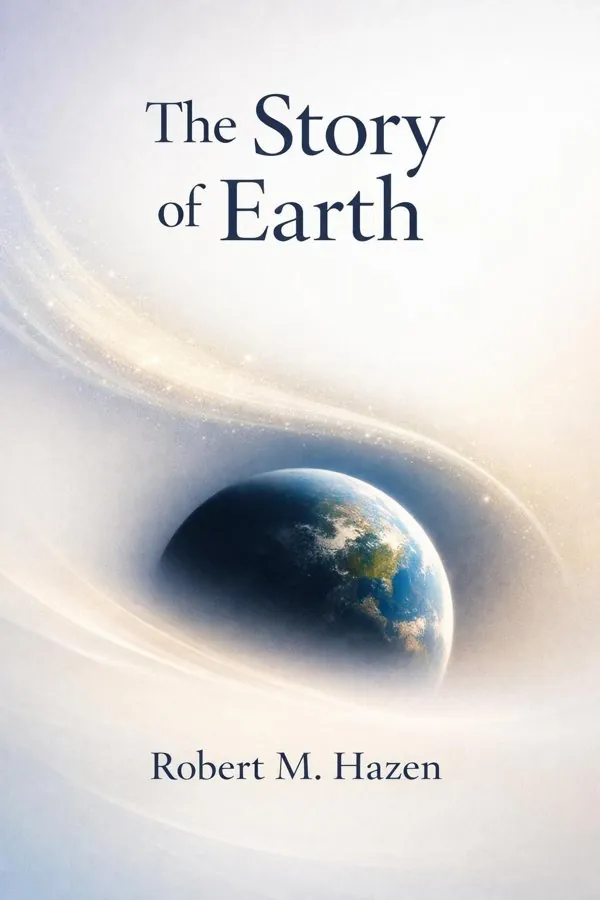
The Story of Earth: The First 4.5 Billion Years, from Stardust to Living Planet: Summary & Key Insights
 10 min10 chaptersAudio available
What Is The Story of Earth: The First 4.5 Billion Years, from Stardust to Living Planet About?
The Story of Earth: The First 4.5 Billion Years, from Stardust to Living Planet by Robert M. Hazen is a popular_sci book spanning 10 pages. This book explores Earth's 4.5-billion-year history, tracing its transformation from cosmic dust into a living planet. Robert M. Hazen, a geologist and astrobiologist, presents a narrative that connects planetary evolution with the emergence of life, explaining how physical, chemical, and biological processes shaped our world. The work combines scientific insight with storytelling to reveal the dynamic interplay between geology and biology that continues to define Earth today.
This FizzRead summary covers all 10 key chapters of The Story of Earth: The First 4.5 Billion Years, from Stardust to Living Planet in approximately 10 minutes, distilling the most important ideas, arguments, and takeaways from Robert M. Hazen's work. Also available as an audio summary and Key Quotes Podcast.
The Story of Earth: The First 4.5 Billion Years, from Stardust to Living Planet
This book explores Earth's 4.5-billion-year history, tracing its transformation from cosmic dust into a living planet. Robert M. Hazen, a geologist and astrobiologist, presents a narrative that connects planetary evolution with the emergence of life, explaining how physical, chemical, and biological processes shaped our world. The work combines scientific insight with storytelling to reveal the dynamic interplay between geology and biology that continues to define Earth today.
Who Should Read The Story of Earth: The First 4.5 Billion Years, from Stardust to Living Planet?
This book is perfect for anyone interested in popular_sci and looking to gain actionable insights in a short read. Whether you're a student, professional, or lifelong learner, the key ideas from The Story of Earth: The First 4.5 Billion Years, from Stardust to Living Planet by Robert M. Hazen will help you think differently.
- ✓Readers who enjoy popular_sci and want practical takeaways
- ✓Professionals looking to apply new ideas to their work and life
- ✓Anyone who wants the core insights of The Story of Earth: The First 4.5 Billion Years, from Stardust to Living Planet in just 10 minutes
Want the full summary?
Get instant access to this book summary and 100K+ more with Fizz Moment.
Get Free SummaryAvailable on App Store • Free to download
Key Chapters
The story begins in a cloud of gas and dust. About 4.6 billion years ago, the remnants of ancient supernovae swirled in a collapsing nebula. Gravity gathered this nebula into a rotating disk, where countless particles collided, merged, and formed planetesimals. Among these early bodies was the proto-Earth, a newborn world pummeled by debris, glowing with the heat of accretion.
I imagine those primeval collisions as the universe’s sculpting hands. Iron and nickel sank toward the center, forming a molten core, while lighter silicates rose to the surface. Through that violent differentiation, our planet achieved the structure that fuels its magnetic shield and volcanic vigor. Yet the early solar system was no quiet nursery—it was chaotic. The Moon likely formed from a cataclysmic impact with a Mars-sized body, ejecting molten debris that coalesced into our satellite. That single event stabilized Earth’s tilt and gave rhythm to tides—an essential condition for future life.
For me, this stage represents the birth of possibility. From remote cosmic debris, a planet began to take form, already primed for the chemistry that would later awaken consciousness. The Sun’s radiant energy and the young Earth’s molten core set into motion the cycles that would define our planetary character.
If the Solar System’s formation was Earth’s prologue, the Hadean Eon was its crucible. During this time, the surface was a tumult of lava seas, raining comets, and atmospheric steam. Yet amid the chaos, order quietly emerged. As Earth cooled, crust began to crystallize; meteorites brought volatiles like water; and through condensation, the first oceans shimmered beneath a red sky.
I often picture the Hadean as a paradoxical era—both hostile and nurturing. Planetary differentiation shaped our core and mantle, setting up convection cycles that would later drive plate tectonics. Each volcanic eruption released gases that thickened the atmosphere, building the chemical stage for life’s debut.
Though we have no direct rock record of this period, mineral grains survive as whispers from that time. The oldest zircons reveal that stable crust existed far earlier than once imagined—a signal of resilience amid bombarding forces. If life’s chemistry began here, it did so against odds that seem insurmountable. Yet Earth persisted. The Hadean reminds me that creation often requires violence; from destruction comes the foundation for growth.
+ 8 more chapters — available in the FizzRead app
All Chapters in The Story of Earth: The First 4.5 Billion Years, from Stardust to Living Planet
About the Author
Robert M. Hazen is an American mineralogist and astrobiologist, a research scientist at the Carnegie Institution of Washington’s Geophysical Laboratory, and a professor at George Mason University. His research focuses on mineral evolution and the origins of life, and he is known for his contributions to Earth science education and public understanding of geology.
Get This Summary in Your Preferred Format
Read or listen to the The Story of Earth: The First 4.5 Billion Years, from Stardust to Living Planet summary by Robert M. Hazen anytime, anywhere. FizzRead offers multiple formats so you can learn on your terms — all free.
Available formats: App · Audio · PDF · EPUB — All included free with FizzRead
Download The Story of Earth: The First 4.5 Billion Years, from Stardust to Living Planet PDF and EPUB Summary
Key Quotes from The Story of Earth: The First 4.5 Billion Years, from Stardust to Living Planet
“The story begins in a cloud of gas and dust.”
“If the Solar System’s formation was Earth’s prologue, the Hadean Eon was its crucible.”
Frequently Asked Questions about The Story of Earth: The First 4.5 Billion Years, from Stardust to Living Planet
The Story of Earth: The First 4.5 Billion Years, from Stardust to Living Planet by Robert M. Hazen is a popular_sci book that explores key ideas across 10 chapters. This book explores Earth's 4.5-billion-year history, tracing its transformation from cosmic dust into a living planet. Robert M. Hazen, a geologist and astrobiologist, presents a narrative that connects planetary evolution with the emergence of life, explaining how physical, chemical, and biological processes shaped our world. The work combines scientific insight with storytelling to reveal the dynamic interplay between geology and biology that continues to define Earth today.
You Might Also Like
Structures: Or Why Things Don"t Fall Down
J.E. Gordon
10 min
The Road to Wigan Pier
George Orwell
10 min
Bonk: The Curious Coupling of Science and Sex
Mary Roach
10 min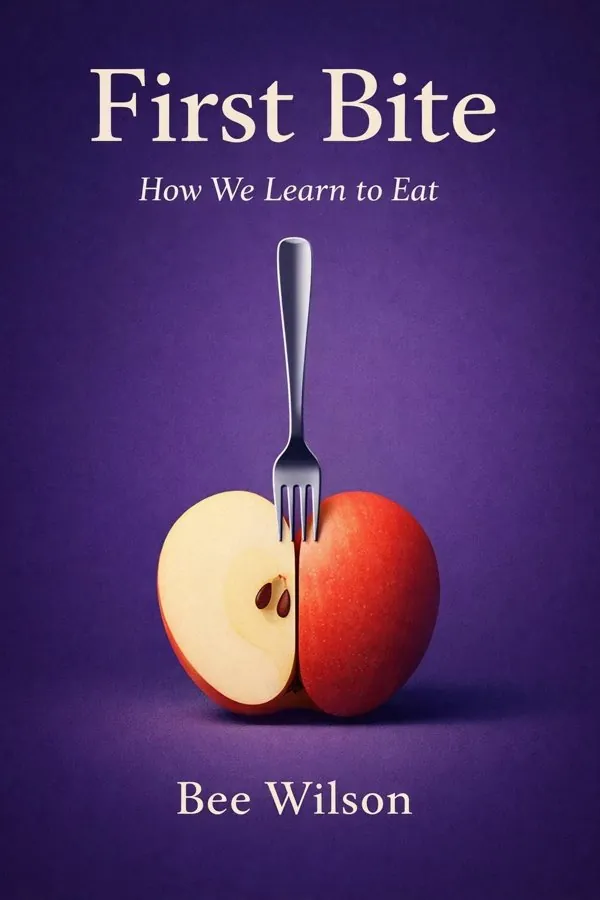
First Bite: How We Learn to Eat
Bee Wilson
10 min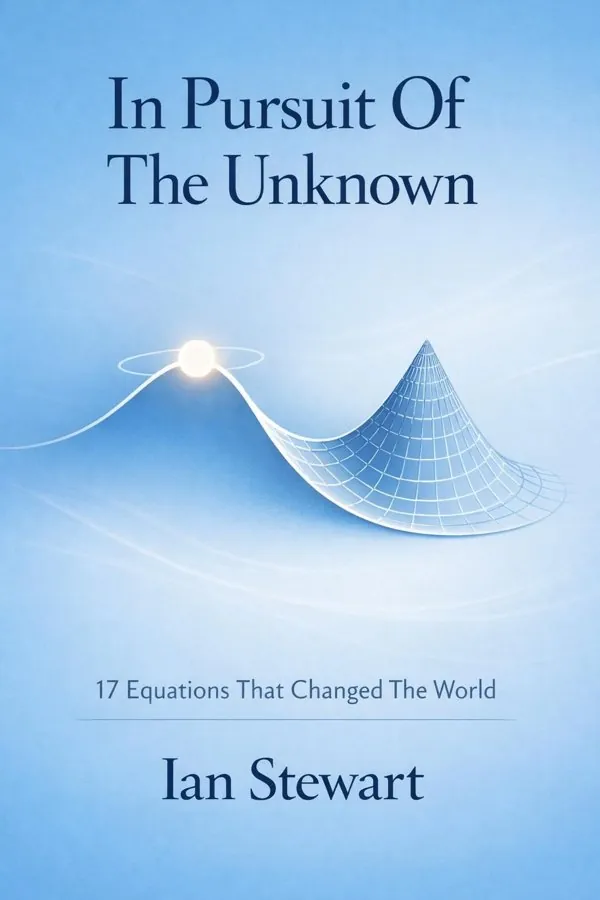
In Pursuit Of The Unknown: 17 Equations That Changed The World
Ian Stewart
10 min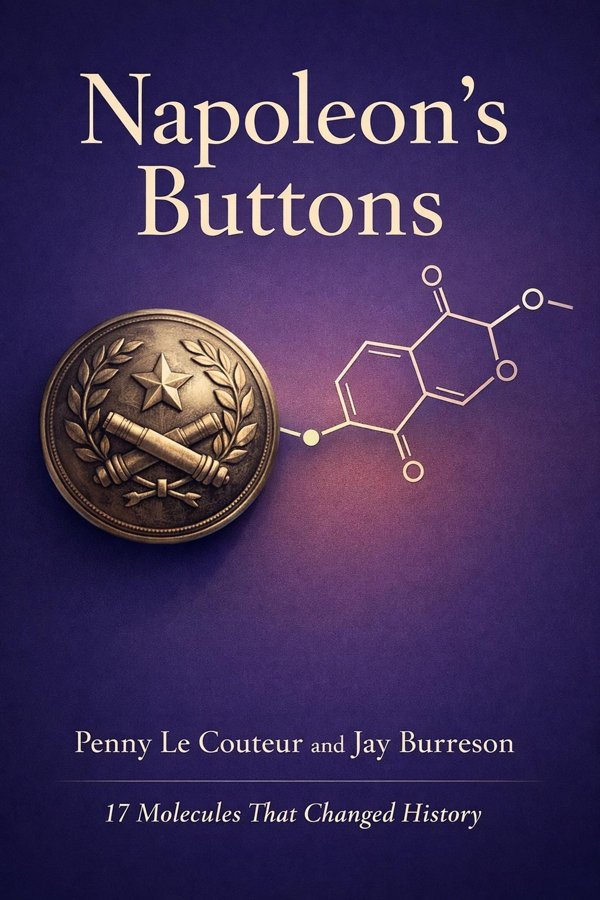
Napoleon's Buttons: 17 Molecules That Changed History
Penny Le Couteur and Jay Burreson
10 minBrowse by Category
Ready to read The Story of Earth: The First 4.5 Billion Years, from Stardust to Living Planet?
Get the full summary and 100K+ more books with Fizz Moment.