
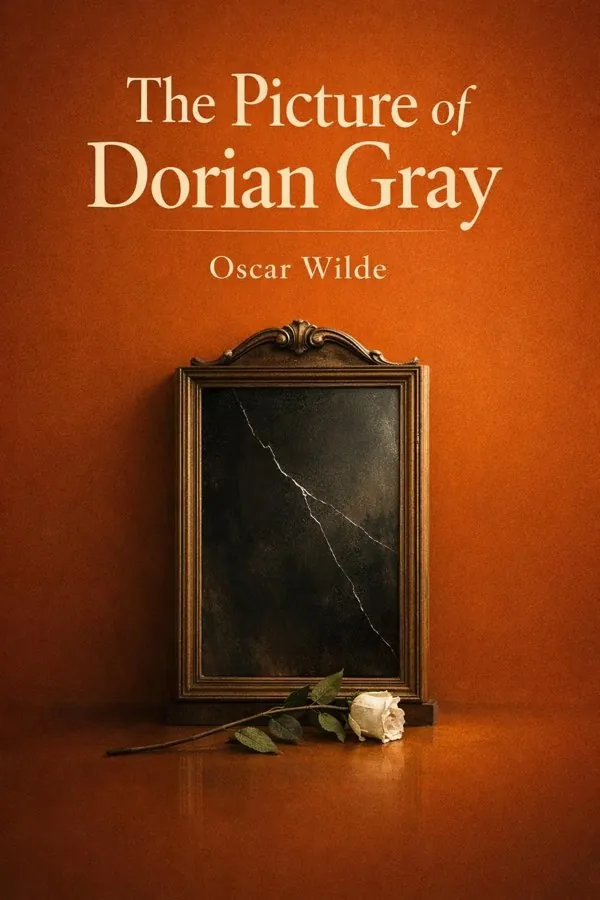
The Picture of Dorian Gray: Summary & Key Insights
by Oscar Wilde
 10 min4 chaptersAudio available
What Is The Picture of Dorian Gray About?
The Picture of Dorian Gray by Oscar Wilde is a classics book spanning 4 pages. The Picture of Dorian Gray is a philosophical novel by Oscar Wilde, first published in 1890 and later expanded into book form in 1891. It tells the story of Dorian Gray, a young man who trades his soul for eternal youth and beauty, while his portrait bears the marks of his moral decay. The novel explores themes of aestheticism, moral corruption, and the tension between art and ethics, offering a haunting reflection on vanity and the pursuit of pleasure.
This FizzRead summary covers all 4 key chapters of The Picture of Dorian Gray in approximately 10 minutes, distilling the most important ideas, arguments, and takeaways from Oscar Wilde's work. Also available as an audio summary and Key Quotes Podcast.
The Picture of Dorian Gray
The Picture of Dorian Gray is a philosophical novel by Oscar Wilde, first published in 1890 and later expanded into book form in 1891. It tells the story of Dorian Gray, a young man who trades his soul for eternal youth and beauty, while his portrait bears the marks of his moral decay. The novel explores themes of aestheticism, moral corruption, and the tension between art and ethics, offering a haunting reflection on vanity and the pursuit of pleasure.
Who Should Read The Picture of Dorian Gray?
This book is perfect for anyone interested in classics and looking to gain actionable insights in a short read. Whether you're a student, professional, or lifelong learner, the key ideas from The Picture of Dorian Gray by Oscar Wilde will help you think differently.
- ✓Readers who enjoy classics and want practical takeaways
- ✓Professionals looking to apply new ideas to their work and life
- ✓Anyone who wants the core insights of The Picture of Dorian Gray in just 10 minutes
Want the full summary?
Get instant access to this book summary and 100K+ more with Fizz Moment.
Get Free SummaryAvailable on App Store • Free to download
Key Chapters
In the opening scenes, I invite you into the luminous art studio of Basil Hallward—a place drenched in the glow of afternoon, where colors seem to breathe. It is here that Dorian Gray first steps into view, not yet corrupted, not yet aware of his own magnetic beauty. Basil paints him with reverence, as though divinity itself had taken human form. In Basil’s eyes, Dorian becomes muse and mystery, the very embodiment of artistic perfection.
Then enters Lord Henry Wotton, a man of philosophy and provocation. He is charm incarnate, armed with dialectical wit and a conviction that pleasure is life’s highest aim. To Dorian’s untested heart, Henry’s ideas fall like revelation: he speaks of youth as life’s single treasure, of indulgence as truth’s purest expression. When Dorian listens, a door inside him opens—a door no innocence can ever close. The moment Basil completes the portrait, Dorian sees in its painted youthfulness the dreadful law of nature: one day, that beauty will fade. His sudden despair leads to the fatal wish—that the portrait might bear the weight of age and sin so that he himself might remain eternally untouched.
From that instant, a pact—mystical or moral, it matters not—takes hold. The painting becomes his mirror of truth, his silent confessor. Lord Henry departs triumphant, for he knows he has sown the seeds of aesthetic rebellion. Basil trembles, sensing danger in Henry’s casual brilliance. And Dorian, admiring his own likeness with longing, crosses the invisible line between innocence and desire. That line, once passed, is never crossed back.
Dorian’s newfound philosophy soon seeks its romantic expression. When he encounters Sibyl Vane, the young actress whose artistry transforms the stage into magic, he believes he has found purity itself. To Dorian, Sibyl is not merely a woman—she is Art personified, emotion perfected through performance. He loves her not for herself, but for the illusion she creates. His visits to the dingy theatre become pilgrimages, and his passion burns not with tenderness but idolatry.
Yet when she falls in love with him—as real women must—her art falters. On the night she first plays Juliet after confessing her love, her performance is lifeless. She explains that she can no longer pretend love on stage because she has now experienced it truly. But Dorian, who has worshiped only illusion, feels betrayed. Cruelly, he rejects her, accusing her of destroying his dreams. That night, as he returns home, his words echo hollowly in his heart.
Morning brings tragedy: Sibyl has taken her own life. Dorian’s remorse flickers briefly, but already Lord Henry intervenes, turning the death into an aesthetic curiosity, a thing 'beautiful in its inevitability.' When Dorian looks again at his portrait, he sees for the first time a shadow upon those painted features—a faint cruelty around the lips. The horror of that change awakens in him both fascination and terror. He hides the portrait away. The wish has come true. His sins will not mar his skin, but his soul will leave its mark elsewhere.
+ 2 more chapters — available in the FizzRead app
All Chapters in The Picture of Dorian Gray
About the Author
Oscar Wilde (1854–1900) was an Irish poet, playwright, and novelist celebrated for his wit, flamboyant style, and incisive social commentary. A leading figure of the Aesthetic Movement, Wilde authored enduring works such as The Importance of Being Earnest and The Picture of Dorian Gray. His life was marked by both literary triumph and personal scandal, culminating in imprisonment and exile.
Get This Summary in Your Preferred Format
Read or listen to the The Picture of Dorian Gray summary by Oscar Wilde anytime, anywhere. FizzRead offers multiple formats so you can learn on your terms — all free.
Available formats: App · Audio · PDF · EPUB — All included free with FizzRead
Download The Picture of Dorian Gray PDF and EPUB Summary
Key Quotes from The Picture of Dorian Gray
“In the opening scenes, I invite you into the luminous art studio of Basil Hallward—a place drenched in the glow of afternoon, where colors seem to breathe.”
“Dorian’s newfound philosophy soon seeks its romantic expression.”
Frequently Asked Questions about The Picture of Dorian Gray
The Picture of Dorian Gray by Oscar Wilde is a classics book that explores key ideas across 4 chapters. The Picture of Dorian Gray is a philosophical novel by Oscar Wilde, first published in 1890 and later expanded into book form in 1891. It tells the story of Dorian Gray, a young man who trades his soul for eternal youth and beauty, while his portrait bears the marks of his moral decay. The novel explores themes of aestheticism, moral corruption, and the tension between art and ethics, offering a haunting reflection on vanity and the pursuit of pleasure.
More by Oscar Wilde
You Might Also Like


Browse by Category
Ready to read The Picture of Dorian Gray?
Get the full summary and 100K+ more books with Fizz Moment.