
Oscar Wilde Books
Oscar Wilde (1854–1900) was an Irish poet, playwright, and novelist known for his wit, flamboyant style, and sharp social commentary. His major works include 'The Picture of Dorian Gray' and 'The Importance of Being Earnest'.
Known for: A Woman of No Importance, The Critic As Artist, The Picture of Dorian Gray
Books by Oscar Wilde
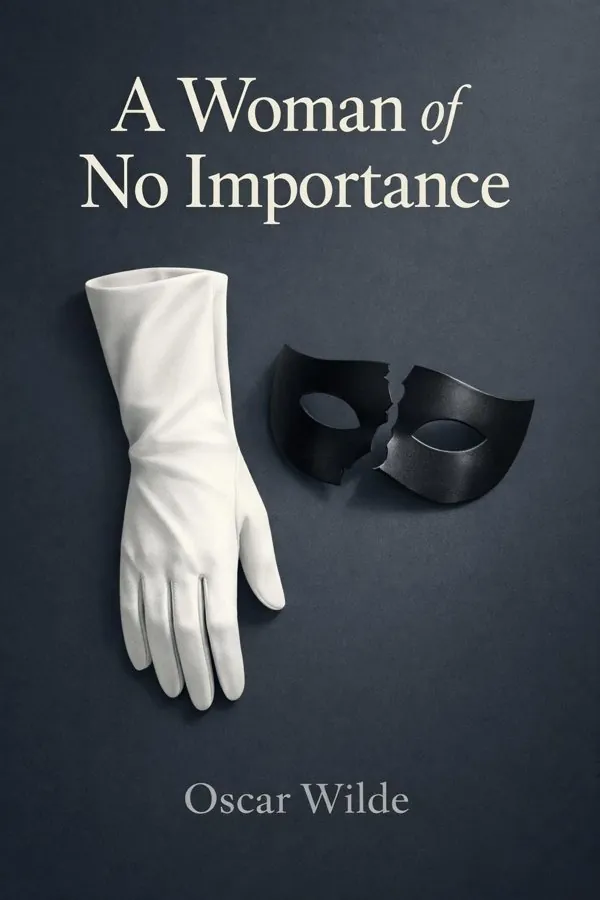
A Woman of No Importance
A Woman of No Importance is a play written by Oscar Wilde in 1893. The work explores moral hypocrisy and the social conventions of Victorian high society, focusing on themes of gender, reputation, and...
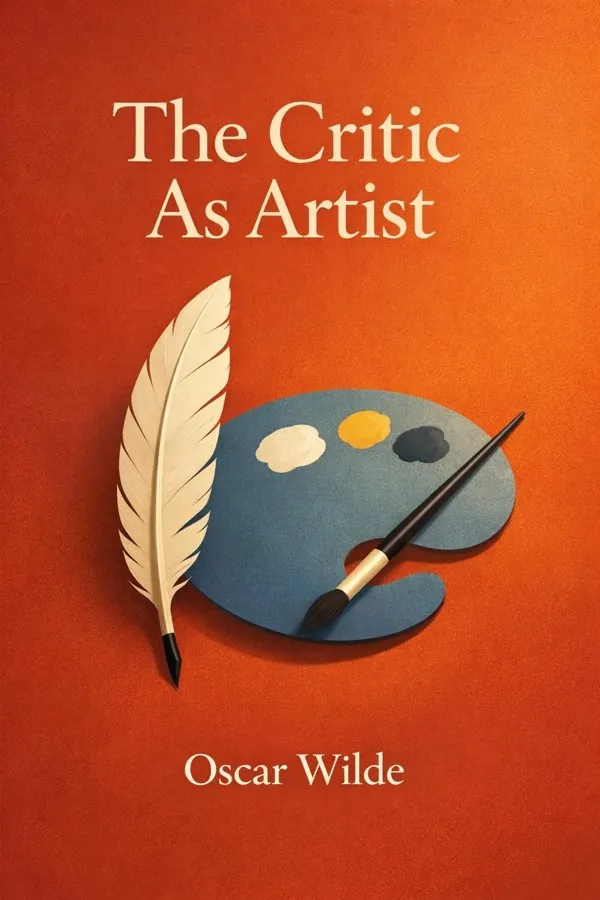
The Critic As Artist
An essay in dialogue form where Oscar Wilde explores the relationship between art and criticism, arguing that criticism itself is a creative act. Through the voices of Gilbert and Ernest, Wilde presen...
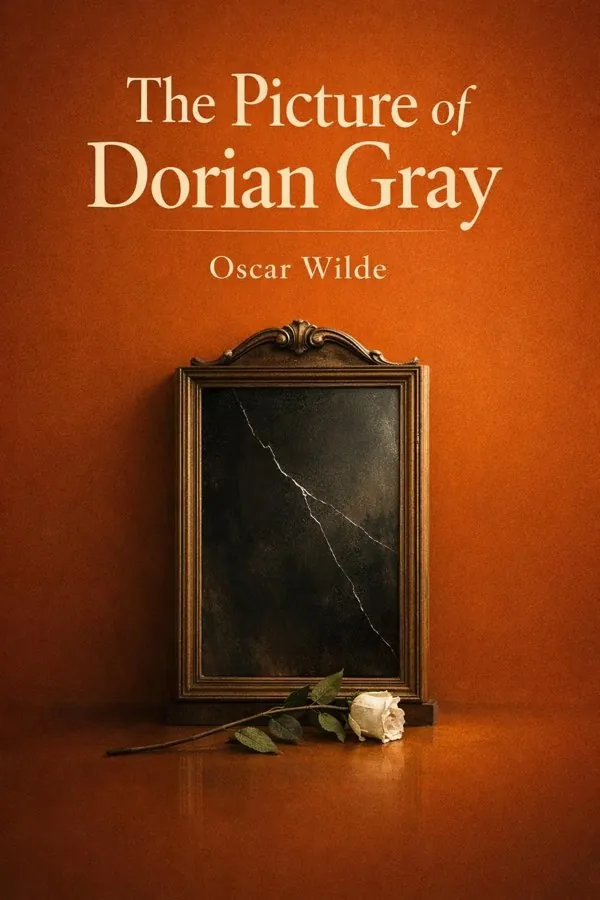
The Picture of Dorian Gray
The Picture of Dorian Gray is a philosophical novel by Oscar Wilde, first published in 1890 and later expanded into book form in 1891. It tells the story of Dorian Gray, a young man who trades his sou...
Key Insights from Oscar Wilde
The Gathering at Lady Hunstanton’s: Wit and Concealed Hypocrisy
It begins with laughter, as all respectable comedies should. At Lady Hunstanton’s country house, the guests gather — a collection of titled ladies and witty gentlemen, all comfortably wrapped in self-satisfaction. Their conversation sparkles on the surface, but it flickers with undertones of moral b...
From A Woman of No Importance
Gerald Arbuthnot and the Promise of Ambition
Gerald Arbuthnot enters this world with youth’s radiant hope. To him, the aristocracy promises opportunity and glamour. His manners are simple, his dreams sincere. When Lord Illingworth — the charming and influential nobleman — offers to make him his secretary, Gerald believes fortune has smiled upo...
From A Woman of No Importance
Ernest’s Conventional Outlook and Gilbert’s Rebellion Against It
We begin in a setting typical of my dialogues: two cultivated men, Gilbert and Ernest, discussing art late into the evening. Ernest represents what I call the sensible world—those who admire art but think its highest measure is its craftsmanship or emotional power. To him, the critic is secondary, a...
From The Critic As Artist
Criticism as Creative Imagination
Gilbert’s argument deepens as he brings imagination into the heart of criticism. He reminds Ernest—and by extension the reader—that the highest faculty of the soul is imagination, for imagination allows us to see not merely what is before us, but what might be. Just as the painter uses color to make...
From The Critic As Artist
The Meeting and the Birth of Temptation
In the opening scenes, I invite you into the luminous art studio of Basil Hallward—a place drenched in the glow of afternoon, where colors seem to breathe. It is here that Dorian Gray first steps into view, not yet corrupted, not yet aware of his own magnetic beauty. Basil paints him with reverence,...
From The Picture of Dorian Gray
Love, Illusion, and the First Stain
Dorian’s newfound philosophy soon seeks its romantic expression. When he encounters Sibyl Vane, the young actress whose artistry transforms the stage into magic, he believes he has found purity itself. To Dorian, Sibyl is not merely a woman—she is Art personified, emotion perfected through performan...
From The Picture of Dorian Gray
About Oscar Wilde
Oscar Wilde (1854–1900) was an Irish poet, playwright, and novelist known for his wit, flamboyant style, and sharp social commentary. His major works include 'The Picture of Dorian Gray' and 'The Importance of Being Earnest'. Wilde was a leading figure of the Aesthetic Movement, advocating 'art for ...
Read more
Oscar Wilde (1854–1900) was an Irish poet, playwright, and novelist known for his wit, flamboyant style, and sharp social commentary. His major works include 'The Picture of Dorian Gray' and 'The Importance of Being Earnest'. Wilde was a leading figure of the Aesthetic Movement, advocating 'art for ...
Oscar Wilde (1854–1900) was an Irish poet, playwright, and novelist known for his wit, flamboyant style, and sharp social commentary. His major works include 'The Picture of Dorian Gray' and 'The Importance of Being Earnest'. Wilde was a leading figure of the Aesthetic Movement, advocating 'art for art’s sake'.


Frequently Asked Questions
Oscar Wilde (1854–1900) was an Irish poet, playwright, and novelist known for his wit, flamboyant style, and sharp social commentary. His major works include 'The Picture of Dorian Gray' and 'The Importance of Being Earnest'.
Read Oscar Wilde's books in 15 minutes
Get AI-powered summaries with key insights from 3 books by Oscar Wilde.