
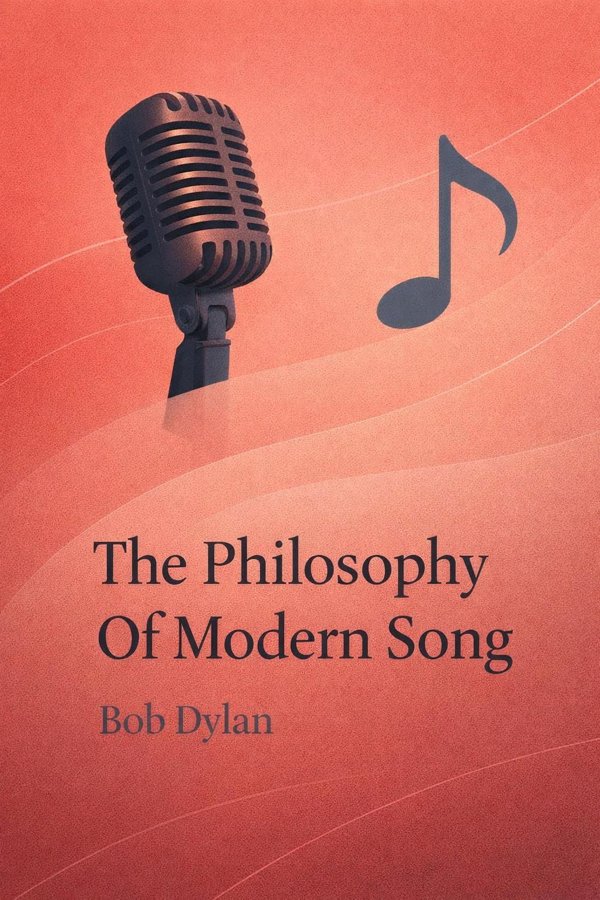
The Philosophy Of Modern Song: Summary & Key Insights
by Bob Dylan
 10 min12 chaptersAudio available
What Is The Philosophy Of Modern Song About?
The Philosophy Of Modern Song by Bob Dylan is a music_film book spanning 12 pages. The Philosophy of Modern Song es una colección de ensayos escritos por Bob Dylan, en los que reflexiona sobre 66 canciones de diversos artistas. A través de comentarios poéticos y filosóficos, Dylan explora la naturaleza de la música popular y su impacto cultural. El libro combina texto con más de 150 fotografías cuidadosamente seleccionadas, creando una experiencia visual y literaria que examina la historia y el espíritu de la canción moderna.
This FizzRead summary covers all 12 key chapters of The Philosophy Of Modern Song in approximately 10 minutes, distilling the most important ideas, arguments, and takeaways from Bob Dylan's work. Also available as an audio summary and Key Quotes Podcast.
The Philosophy Of Modern Song
The Philosophy of Modern Song es una colección de ensayos escritos por Bob Dylan, en los que reflexiona sobre 66 canciones de diversos artistas. A través de comentarios poéticos y filosóficos, Dylan explora la naturaleza de la música popular y su impacto cultural. El libro combina texto con más de 150 fotografías cuidadosamente seleccionadas, creando una experiencia visual y literaria que examina la historia y el espíritu de la canción moderna.
Who Should Read The Philosophy Of Modern Song?
This book is perfect for anyone interested in music_film and looking to gain actionable insights in a short read. Whether you're a student, professional, or lifelong learner, the key ideas from The Philosophy Of Modern Song by Bob Dylan will help you think differently.
- ✓Readers who enjoy music_film and want practical takeaways
- ✓Professionals looking to apply new ideas to their work and life
- ✓Anyone who wants the core insights of The Philosophy Of Modern Song in just 10 minutes
Want the full summary?
Get instant access to this book summary and 100K+ more with Fizz Moment.
Get Free SummaryAvailable on App Store • Free to download
Key Chapters
The heart of this collection is motion—sixty-six songs, each a chapter in the ongoing story of human sound. The songs range from early country numbers to surf rock, ballads of heartbreak, crude novelty tunes, and electrified testimonies of revolution. The selection wasn’t made for prestige but for spirit. Some of the names you’ll recognize right away—Johnny Cash, The Who, Nina Simone, The Clash—but many belong to voices who once lit up the jukebox and then faded into obscurity. That’s the point: to remind us that the history of song is often carried by forgotten messengers.
Every essay turns the song inside out—sometimes describing it as though a film were rolling in the background, sometimes spinning into inner monologues that inhabit the character of the song’s narrator. The writing moves like music; it swerves, syncopates, and improvises. This approach honors the songs not as analytical artifacts, but as living agents of culture. Each tune builds a different philosophical argument—about freedom, disguise, fate, or faith. Together, they form not a timeline but a kaleidoscope of what it means to create and to listen in modern times.
You can’t talk about modern song without touching the mud of the Delta or the cracked wood of an Appalachian porch. The earliest tracks in this book reach back to those primal forms of American expression—blues moans, murder ballads, railroad laments—where music wasn’t entertainment, it was survival. These songs held the rhythm of labor, the ache of migration, and the coded language of spiritual endurance. The lyrical simplicity in those works often carried the weight of entire worlds. Country and blues became twin currents feeding everything that followed: rock’s raw pulse, folk’s storytelling, and soul’s ache.
In these essays, I return to artists like Jimmy Reed or Webb Pierce and hear in them not just rustic nostalgia but the prototype for the fractured voices that came later. The early American song is a moral universe unto itself—one where justice and mercy often keep company with sin and guilt. It’s the arena where the songwriter learned to navigate both lament and laughter, where the modern singer first became a kind of wandering philosopher.
+ 10 more chapters — available in the FizzRead app
All Chapters in The Philosophy Of Modern Song
About the Author
Get This Summary in Your Preferred Format
Read or listen to the The Philosophy Of Modern Song summary by Bob Dylan anytime, anywhere. FizzRead offers multiple formats so you can learn on your terms — all free.
Available formats: App · Audio · PDF · EPUB — All included free with FizzRead
Download The Philosophy Of Modern Song PDF and EPUB Summary
Key Quotes from The Philosophy Of Modern Song
“The heart of this collection is motion—sixty-six songs, each a chapter in the ongoing story of human sound.”
“You can’t talk about modern song without touching the mud of the Delta or the cracked wood of an Appalachian porch.”
Frequently Asked Questions about The Philosophy Of Modern Song
The Philosophy Of Modern Song by Bob Dylan is a music_film book that explores key ideas across 12 chapters. The Philosophy of Modern Song es una colección de ensayos escritos por Bob Dylan, en los que reflexiona sobre 66 canciones de diversos artistas. A través de comentarios poéticos y filosóficos, Dylan explora la naturaleza de la música popular y su impacto cultural. El libro combina texto con más de 150 fotografías cuidadosamente seleccionadas, creando una experiencia visual y literaria que examina la historia y el espíritu de la canción moderna.
You Might Also Like
Beethoven: A Documentary Study
H. C. Robbins Landon
10 min
Cinema Speculation
Quentin Tarantino
10 min
Deep Listening: A Composer's Sound Practice
Pauline Oliveros
10 min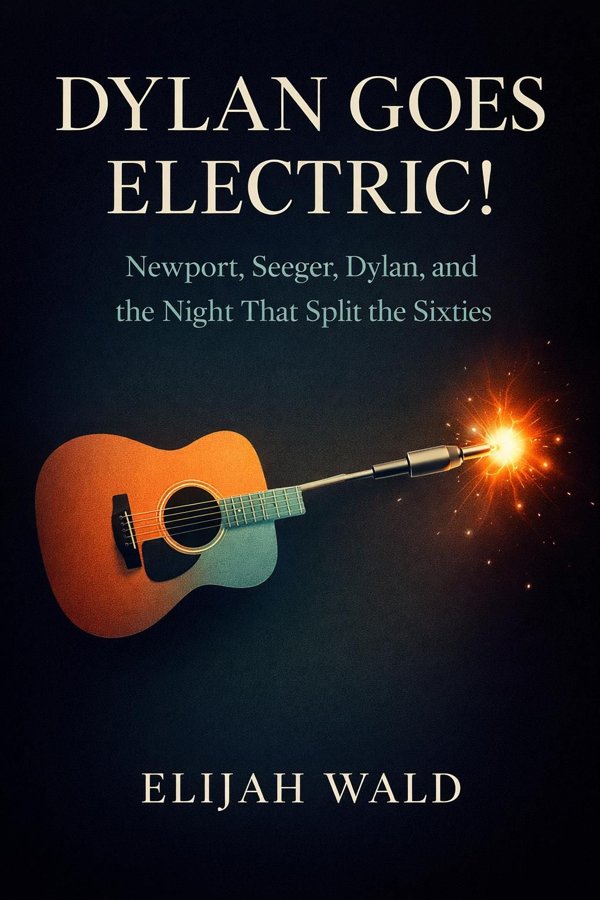
Dylan Goes Electric!: Newport, Seeger, Dylan, and the Night That Split the Sixties
Elijah Wald
10 min
Future Frames
Maria Walsh
10 min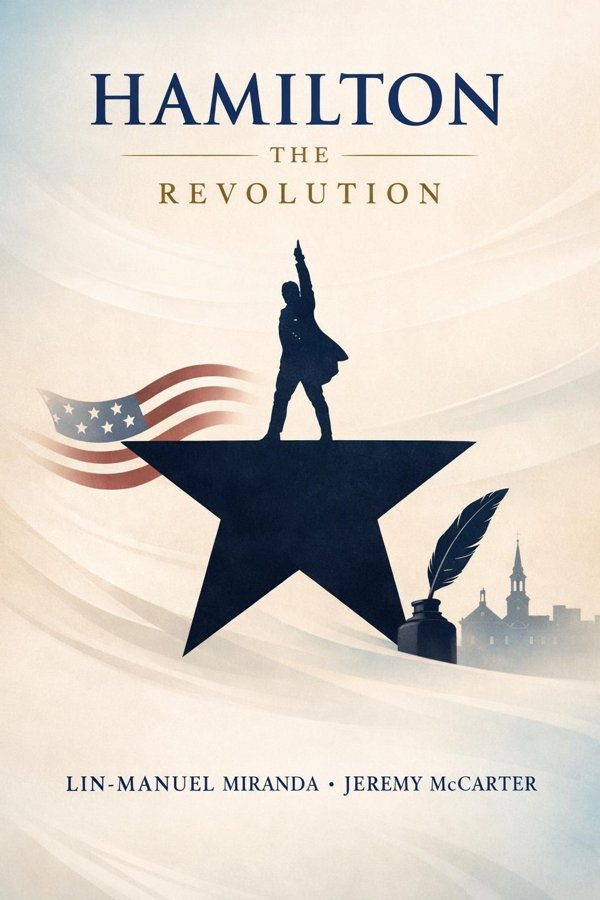
Hamilton: The Revolution: Being the Complete Libretto of the Broadway Musical, with a True Account of Its Creation, and Concise Remarks on Hip-Hop, the Power of Stories, and the New America
Lin-Manuel Miranda, Jeremy McCarter
10 minBrowse by Category
Ready to read The Philosophy Of Modern Song?
Get the full summary and 100K+ more books with Fizz Moment.