
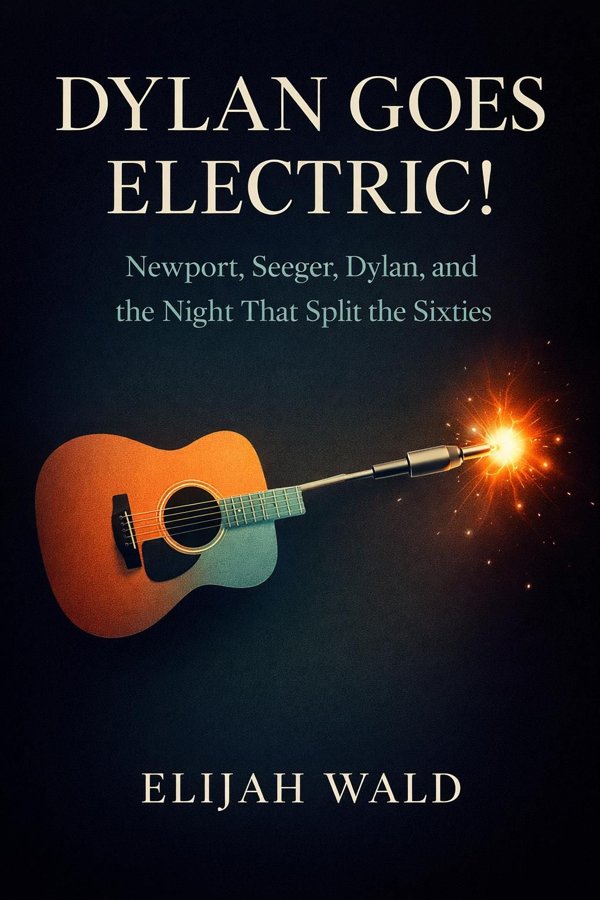
Dylan Goes Electric!: Newport, Seeger, Dylan, and the Night That Split the Sixties: Summary & Key Insights
by Elijah Wald
 10 min12 chaptersAudio available
What Is Dylan Goes Electric!: Newport, Seeger, Dylan, and the Night That Split the Sixties About?
Dylan Goes Electric!: Newport, Seeger, Dylan, and the Night That Split the Sixties by Elijah Wald is a music_film book spanning 12 pages. A detailed narrative exploring Bob Dylan’s controversial 1965 Newport Folk Festival performance, where he famously 'went electric.' Elijah Wald examines the cultural and musical context of the event, the reactions of the folk community, and how this moment symbolized a generational and artistic shift in American music.
This FizzRead summary covers all 12 key chapters of Dylan Goes Electric!: Newport, Seeger, Dylan, and the Night That Split the Sixties in approximately 10 minutes, distilling the most important ideas, arguments, and takeaways from Elijah Wald's work. Also available as an audio summary and Key Quotes Podcast.
Dylan Goes Electric!: Newport, Seeger, Dylan, and the Night That Split the Sixties
A detailed narrative exploring Bob Dylan’s controversial 1965 Newport Folk Festival performance, where he famously 'went electric.' Elijah Wald examines the cultural and musical context of the event, the reactions of the folk community, and how this moment symbolized a generational and artistic shift in American music.
Who Should Read Dylan Goes Electric!: Newport, Seeger, Dylan, and the Night That Split the Sixties?
This book is perfect for anyone interested in music_film and looking to gain actionable insights in a short read. Whether you're a student, professional, or lifelong learner, the key ideas from Dylan Goes Electric!: Newport, Seeger, Dylan, and the Night That Split the Sixties by Elijah Wald will help you think differently.
- ✓Readers who enjoy music_film and want practical takeaways
- ✓Professionals looking to apply new ideas to their work and life
- ✓Anyone who wants the core insights of Dylan Goes Electric!: Newport, Seeger, Dylan, and the Night That Split the Sixties in just 10 minutes
Want the full summary?
Get instant access to this book summary and 100K+ more with Fizz Moment.
Get Free SummaryAvailable on App Store • Free to download
Key Chapters
When George Wein and Pete Seeger founded the Newport Folk Festival in 1959, they envisioned it as a living museum and crossroads. The idea was to create a place where traditional ballads, blues, and shape-note hymns could coexist with fresh compositions inspired by the same spirit. The festival was born at a moment when folk was enjoying a national resurgence—college students rediscovered the Carter Family, Lead Belly, and Woody Guthrie while a growing left-leaning audience took these songs as expressions of an honest America.
For Seeger and his colleagues, authenticity was paramount. The early festivals were meticulously curated to celebrate ‘the people’s music,’ uncorrupted by commercial pop. Yet even at the outset, there was tension between preservation and innovation. Acts like the Kingston Trio, who had scored radio hits with polished renditions of old tunes, were viewed with suspicion; meanwhile, younger performers such as Joan Baez and a barely known Bob Dylan were injecting new energy into the scene. Newport became the symbolic center of that debate—a festival that both revered the past and risked rebellion against it.
Dylan arrived in New York in 1961 with a guitar, a harmonica, and a dream shaped by Guthrie and the blues. Within two years, his original songs struck the folk community with the force of revelation. ‘Blowin’ in the Wind,’ ‘The Times They Are A-Changin’,’ and his early protest anthems gave articulate voice to the aspirations of a movement. Broadway writers, church choirs, and civil rights marchers all sang his words. To audiences who believed music bore moral responsibility, Dylan seemed a prophet.
But the young songwriter bristled under that crown. As I show in examining his interviews, recordings, and correspondence, Dylan never wanted to be confined to any label—folk, protest, or otherwise. By 1964, his lyrics had become more surreal and personal, his tone weary of being a symbol. Albums like *Another Side of Bob Dylan* revealed a man turning inward, exploring language as play rather than sermon. When he met electric musicians—Mike Bloomfield, Al Kooper, members of Paul Butterfield’s blues band—he found a new kind of energy, closer to the raw vitality of the Chicago blues he loved. This evolution was not a betrayal of folk’s spirit but its natural extension, driven by the same hunger for truth expressed on new frequencies.
+ 10 more chapters — available in the FizzRead app
All Chapters in Dylan Goes Electric!: Newport, Seeger, Dylan, and the Night That Split the Sixties
About the Author
Elijah Wald is an American musician, writer, and music historian known for his works on American roots music and cultural history. He has authored several acclaimed books on blues, folk, and popular music.
Get This Summary in Your Preferred Format
Read or listen to the Dylan Goes Electric!: Newport, Seeger, Dylan, and the Night That Split the Sixties summary by Elijah Wald anytime, anywhere. FizzRead offers multiple formats so you can learn on your terms — all free.
Available formats: App · Audio · PDF · EPUB — All included free with FizzRead
Download Dylan Goes Electric!: Newport, Seeger, Dylan, and the Night That Split the Sixties PDF and EPUB Summary
Key Quotes from Dylan Goes Electric!: Newport, Seeger, Dylan, and the Night That Split the Sixties
“When George Wein and Pete Seeger founded the Newport Folk Festival in 1959, they envisioned it as a living museum and crossroads.”
“Dylan arrived in New York in 1961 with a guitar, a harmonica, and a dream shaped by Guthrie and the blues.”
Frequently Asked Questions about Dylan Goes Electric!: Newport, Seeger, Dylan, and the Night That Split the Sixties
Dylan Goes Electric!: Newport, Seeger, Dylan, and the Night That Split the Sixties by Elijah Wald is a music_film book that explores key ideas across 12 chapters. A detailed narrative exploring Bob Dylan’s controversial 1965 Newport Folk Festival performance, where he famously 'went electric.' Elijah Wald examines the cultural and musical context of the event, the reactions of the folk community, and how this moment symbolized a generational and artistic shift in American music.
You Might Also Like
Beethoven: A Documentary Study
H. C. Robbins Landon
10 min
Cinema Speculation
Quentin Tarantino
10 min
Deep Listening: A Composer's Sound Practice
Pauline Oliveros
10 min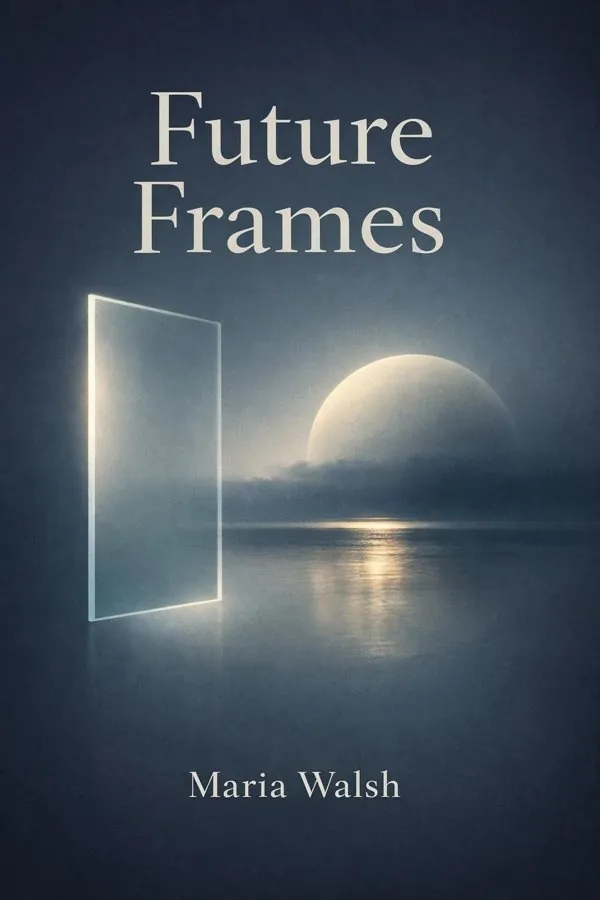
Future Frames
Maria Walsh
10 min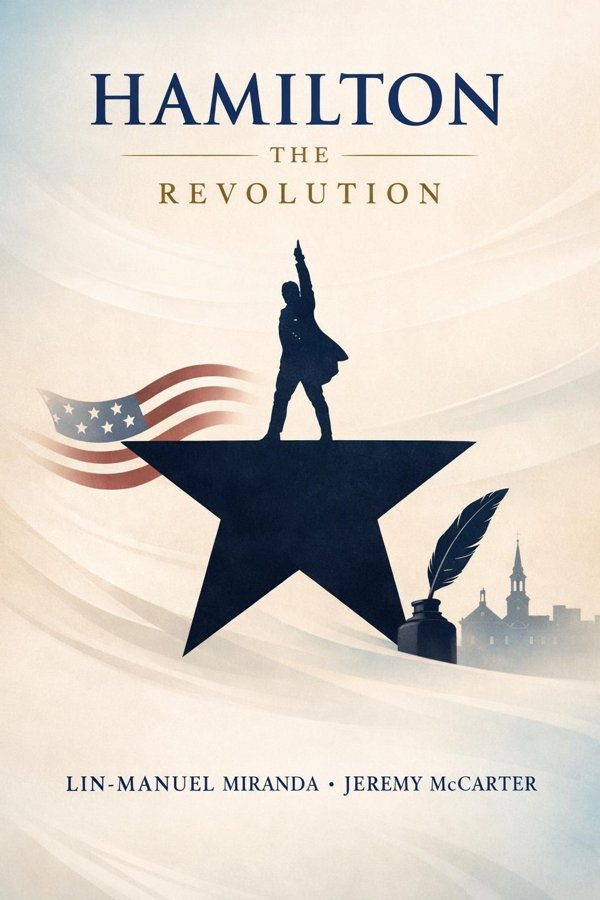
Hamilton: The Revolution: Being the Complete Libretto of the Broadway Musical, with a True Account of Its Creation, and Concise Remarks on Hip-Hop, the Power of Stories, and the New America
Lin-Manuel Miranda, Jeremy McCarter
10 min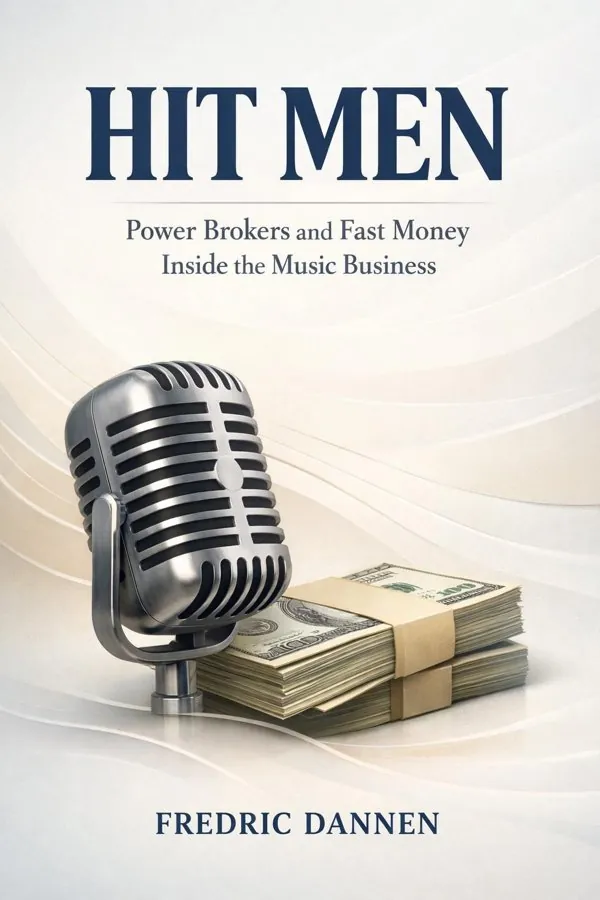
Hit Men: Power Brokers and Fast Money Inside the Music Business
Fredric Dannen
10 minBrowse by Category
Ready to read Dylan Goes Electric!: Newport, Seeger, Dylan, and the Night That Split the Sixties?
Get the full summary and 100K+ more books with Fizz Moment.