

The Mind-Body Prescription: Healing the Body, Healing the Pain: Summary & Key Insights
 10 min6 chaptersAudio available
What Is The Mind-Body Prescription: Healing the Body, Healing the Pain About?
The Mind-Body Prescription: Healing the Body, Healing the Pain by John E. Sarno is a health_med book spanning 6 pages. In this influential work, Dr. John E. Sarno explores the connection between the mind and the body, arguing that many chronic pain conditions are rooted in psychological tension rather than structural abnormalities. He introduces the concept of Tension Myoneural Syndrome (TMS) and provides a framework for understanding and overcoming pain through awareness and emotional insight. The book combines case studies, clinical observations, and practical guidance to help readers recognize the psychological origins of their physical symptoms and achieve lasting relief.
This FizzRead summary covers all 6 key chapters of The Mind-Body Prescription: Healing the Body, Healing the Pain in approximately 10 minutes, distilling the most important ideas, arguments, and takeaways from John E. Sarno's work. Also available as an audio summary and Key Quotes Podcast.
The Mind-Body Prescription: Healing the Body, Healing the Pain
In this influential work, Dr. John E. Sarno explores the connection between the mind and the body, arguing that many chronic pain conditions are rooted in psychological tension rather than structural abnormalities. He introduces the concept of Tension Myoneural Syndrome (TMS) and provides a framework for understanding and overcoming pain through awareness and emotional insight. The book combines case studies, clinical observations, and practical guidance to help readers recognize the psychological origins of their physical symptoms and achieve lasting relief.
Who Should Read The Mind-Body Prescription: Healing the Body, Healing the Pain?
This book is perfect for anyone interested in health_med and looking to gain actionable insights in a short read. Whether you're a student, professional, or lifelong learner, the key ideas from The Mind-Body Prescription: Healing the Body, Healing the Pain by John E. Sarno will help you think differently.
- ✓Readers who enjoy health_med and want practical takeaways
- ✓Professionals looking to apply new ideas to their work and life
- ✓Anyone who wants the core insights of The Mind-Body Prescription: Healing the Body, Healing the Pain in just 10 minutes
Want the full summary?
Get instant access to this book summary and 100K+ more with Fizz Moment.
Get Free SummaryAvailable on App Store • Free to download
Key Chapters
Through years of treating patients with back and neck pain, I noticed a recurring pattern: conventional explanations rarely matched the symptoms. People with disc bulges that appeared on X-rays often had no pain at all, while others with pristine imaging suffered immensely. This contradiction prompted me to delve deeper and recognize a psychophysiologic process at play—a disorder that I call Tension Myoneural Syndrome (TMS).
TMS arises when psychological tension causes a slight decrease of oxygen flow to muscles and nerves, producing genuine physical pain. This mechanism elegantly bridges the psychological and the physiological. It explains why patients experience stabbing, throbbing, or burning sensations, yet medical tests show nothing abnormal enough to justify such suffering. The mind, defending itself against uncomfortable subconscious emotions like rage or guilt, diverts attention to the body. The pain distracts you, keeping those feelings buried.
It is crucial to underline that the pain is not imagined—it is real, measurable, and felt. But its origin lies in emotional repression. Understanding this concept liberates patients from fear: you are not damaged, you are defending. Once this defense is understood and accepted, the purpose behind the pain disappears, and your body no longer needs to maintain it.
In my clinical experience, the most potent emotion underlying chronic pain is anger—often unconscious, often socially unacceptable to express. The human psyche is adept at suppressing rage, especially when it conflicts with one’s image of being good, conscientious, or loving. Yet suppressed feelings demand expression; if they cannot erupt outwardly, they turn inward, disturbing the body’s natural functions.
Patients with TMS frequently present traits of extreme responsibility, perfectionism, or a need to please. These personalities strive so hard to maintain harmony and competence that they suppress legitimate frustration, resentment, or sadness. This emotional repression creates tension within the autonomic nervous system, constricting blood vessels in muscles and nerves and provoking pain.
Once my patients grasped that their pain was not a punishment or a medical catastrophe but an emotional signal, they began to feel the first rays of relief. Recognizing the anger behind the pain does not make one bad—it makes one human. Awareness transforms anger from a hidden toxin into an acknowledged part of experience. The pain loses its raison d’être.
+ 4 more chapters — available in the FizzRead app
All Chapters in The Mind-Body Prescription: Healing the Body, Healing the Pain
About the Author
John E. Sarno, M.D. (1923–2017), was a professor of rehabilitation medicine at the New York University School of Medicine and attending physician at the Rusk Institute of Rehabilitation Medicine. He gained international recognition for his pioneering work on the mind-body connection and his development of the Tension Myoneural Syndrome (TMS) theory, which has influenced both medical professionals and patients seeking alternatives to conventional pain treatment.
Get This Summary in Your Preferred Format
Read or listen to the The Mind-Body Prescription: Healing the Body, Healing the Pain summary by John E. Sarno anytime, anywhere. FizzRead offers multiple formats so you can learn on your terms — all free.
Available formats: App · Audio · PDF · EPUB — All included free with FizzRead
Download The Mind-Body Prescription: Healing the Body, Healing the Pain PDF and EPUB Summary
Key Quotes from The Mind-Body Prescription: Healing the Body, Healing the Pain
“Through years of treating patients with back and neck pain, I noticed a recurring pattern: conventional explanations rarely matched the symptoms.”
“In my clinical experience, the most potent emotion underlying chronic pain is anger—often unconscious, often socially unacceptable to express.”
Frequently Asked Questions about The Mind-Body Prescription: Healing the Body, Healing the Pain
The Mind-Body Prescription: Healing the Body, Healing the Pain by John E. Sarno is a health_med book that explores key ideas across 6 chapters. In this influential work, Dr. John E. Sarno explores the connection between the mind and the body, arguing that many chronic pain conditions are rooted in psychological tension rather than structural abnormalities. He introduces the concept of Tension Myoneural Syndrome (TMS) and provides a framework for understanding and overcoming pain through awareness and emotional insight. The book combines case studies, clinical observations, and practical guidance to help readers recognize the psychological origins of their physical symptoms and achieve lasting relief.
More by John E. Sarno
You Might Also Like

On Immunity
Eula Biss
10 minThe Three-Body Problem
Liu Cixin
10 min
Community Health Volunteer Toolkit: Training and Practical Activities
World Health Organization
10 min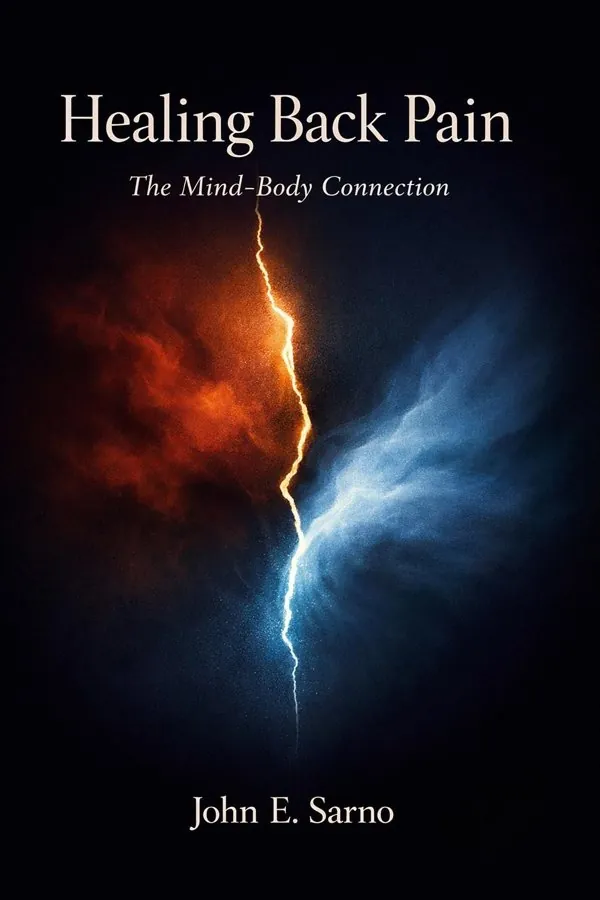
Healing Back Pain: The Mind-Body Connection
John E. Sarno
10 min
Health Literacy for All: Practical Guides to Communicate Health Information (Compilations)
World Health Organization
10 min
The Complete Guide to Sports Supplements: An Evidence-Based Review
Anita Bean
10 minBrowse by Category
Ready to read The Mind-Body Prescription: Healing the Body, Healing the Pain?
Get the full summary and 100K+ more books with Fizz Moment.