

The Methods of Ethics: Summary & Key Insights
 10 min8 chaptersAudio available
What Is The Methods of Ethics About?
The Methods of Ethics by Henry Sidgwick is a western_phil book spanning 8 pages. The Methods of Ethics is a foundational work in moral philosophy by Henry Sidgwick, first published in 1874. It systematically examines the principles of utilitarianism, intuitionism, and egoism, aiming to determine the rational basis of moral judgment. Sidgwick’s rigorous analysis and comparison of ethical methods established the framework for much of modern moral theory and remains a cornerstone text in philosophical ethics.
This FizzRead summary covers all 8 key chapters of The Methods of Ethics in approximately 10 minutes, distilling the most important ideas, arguments, and takeaways from Henry Sidgwick's work. Also available as an audio summary and Key Quotes Podcast.
The Methods of Ethics
The Methods of Ethics is a foundational work in moral philosophy by Henry Sidgwick, first published in 1874. It systematically examines the principles of utilitarianism, intuitionism, and egoism, aiming to determine the rational basis of moral judgment. Sidgwick’s rigorous analysis and comparison of ethical methods established the framework for much of modern moral theory and remains a cornerstone text in philosophical ethics.
Who Should Read The Methods of Ethics?
This book is perfect for anyone interested in western_phil and looking to gain actionable insights in a short read. Whether you're a student, professional, or lifelong learner, the key ideas from The Methods of Ethics by Henry Sidgwick will help you think differently.
- ✓Readers who enjoy western_phil and want practical takeaways
- ✓Professionals looking to apply new ideas to their work and life
- ✓Anyone who wants the core insights of The Methods of Ethics in just 10 minutes
Want the full summary?
Get instant access to this book summary and 100K+ more with Fizz Moment.
Get Free SummaryAvailable on App Store • Free to download
Key Chapters
In the first book, I sought to define the boundaries of ethical inquiry. Ethics, I argued, must be concerned with what ought to be done—an imperative question distinct from the descriptive sciences of psychology or sociology. It is not enough to record how people act or why they feel certain impulses; we must ask whether they act rightly. Thus, ethics aims at the rational determination of duty. It searches for principles that can guide choices whenever our desires conflict.
The term 'method' in my title signifies a systematic procedure of reasoning about right and wrong. I distinguished ethics from mere casuistry or moral rhetoric; its task is to achieve cognitive clarity. To say that one ‘ought’ to act thus and so presupposes that reason can deliver genuine justification, not simply emotional conviction. Against moral skepticism, I contended that such reasoning is possible. But against uncritical moralism, I insisted that it must be subject to philosophical scrutiny.
This opening section lays the groundwork for all that follows. I argued that moral science can be approached under three leading methods—all claiming rational status yet differing profoundly in the principles they adopt. The egoistic method appeals to self-interest; the intuitionistic relies upon self-evident moral truths; and the utilitarian measures actions by their tendency to promote general happiness. My mission was not to dismiss any prematurely but to examine each in turn as impartially as possible. By doing so, ethics itself could be clarified, for only through comparison can we understand what moral reason truly requires.
The first of these methods, egoism, begins from a seemingly undeniable truth—that each person naturally seeks his own happiness. To follow reason, it might seem we should pursue it wisely, preferring long-term satisfaction to short-lived pleasure. I called this 'rational egoism': the view that the rational end of conduct is one's own greatest good. Many thinkers, from Hobbes to Bentham, assumed that self-interest could be the bedrock of morality. Yet when I examined the matter carefully, the picture proved more complex.
Rational egoism may guide individuals effectively through life, but when two egoists conflict—each pursuing personal happiness according to reason—reason itself cannot settle the dispute without appeal to something higher. A purely egoistic basis for morality cannot generate duties toward others except insofar as helping them serves one’s own interest. Though self-love is a fact of human nature, it neither explains nor justifies the moral idea that others’ welfare has intrinsic significance. This limitation pointed to the need for another method of ethics.
Nonetheless, egoism has truth in it. The moral value of prudence, the recognition that a life of self-control and foresight leads to greater well-being than impulsive indulgence, reflects rational insight. Yet the more thoroughly we reason about self-interest, the more we encounter situations where personal benefit conflicts with the happiness of others. Here rational egoism meets its boundary: reason cannot prove that it is always best for me to act benevolently, though moral sentiment urges it. This tension between private and public good lies at the heart of ethical theory and ultimately reappears at the end of the book as the 'dualism of practical reason.'
+ 6 more chapters — available in the FizzRead app
All Chapters in The Methods of Ethics
About the Author
Henry Sidgwick (1838–1900) was an English philosopher and economist, best known for his contributions to ethics and political philosophy. A fellow of Trinity College, Cambridge, he was a leading figure in the utilitarian tradition and a co-founder of Newnham College, advancing higher education for women. His works, including The Methods of Ethics, continue to influence moral philosophy and the study of rational decision-making.
Get This Summary in Your Preferred Format
Read or listen to the The Methods of Ethics summary by Henry Sidgwick anytime, anywhere. FizzRead offers multiple formats so you can learn on your terms — all free.
Available formats: App · Audio · PDF · EPUB — All included free with FizzRead
Download The Methods of Ethics PDF and EPUB Summary
Key Quotes from The Methods of Ethics
“In the first book, I sought to define the boundaries of ethical inquiry.”
“The first of these methods, egoism, begins from a seemingly undeniable truth—that each person naturally seeks his own happiness.”
Frequently Asked Questions about The Methods of Ethics
The Methods of Ethics by Henry Sidgwick is a western_phil book that explores key ideas across 8 chapters. The Methods of Ethics is a foundational work in moral philosophy by Henry Sidgwick, first published in 1874. It systematically examines the principles of utilitarianism, intuitionism, and egoism, aiming to determine the rational basis of moral judgment. Sidgwick’s rigorous analysis and comparison of ethical methods established the framework for much of modern moral theory and remains a cornerstone text in philosophical ethics.
You Might Also Like
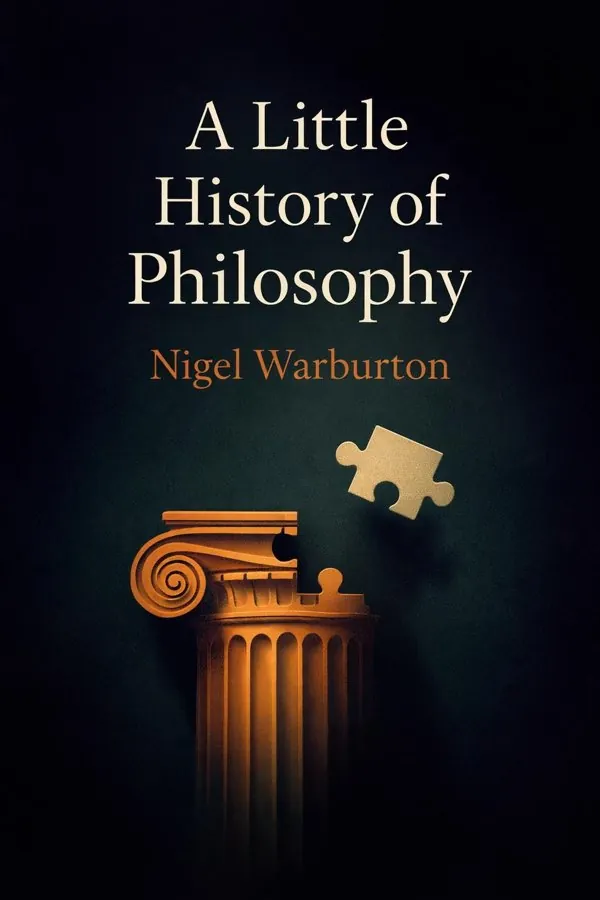
A Little History of Philosophy
Nigel Warburton
10 min
Areopagitica
John Milton
10 min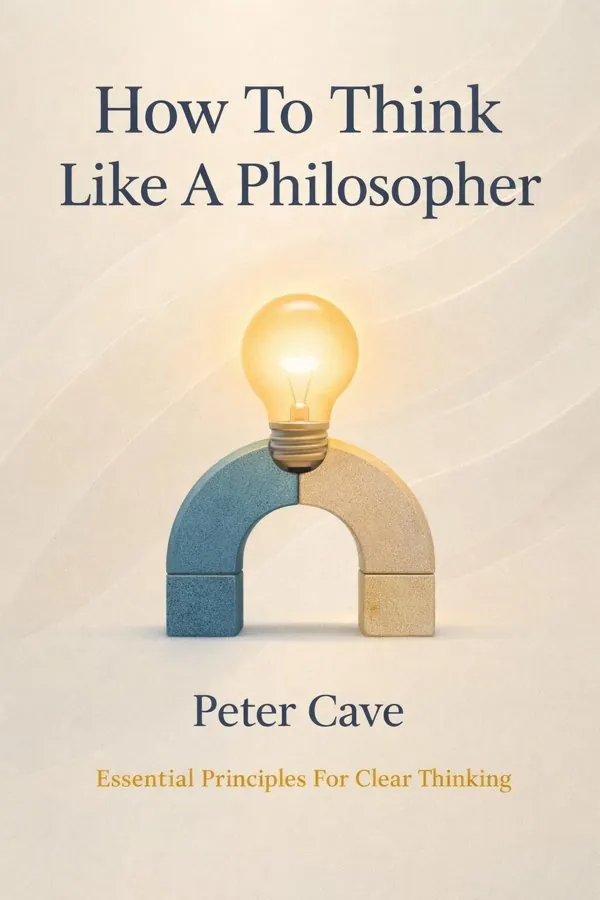
How To Think Like A Philosopher: Essential Principles For Clear Thinking
Peter Cave
10 min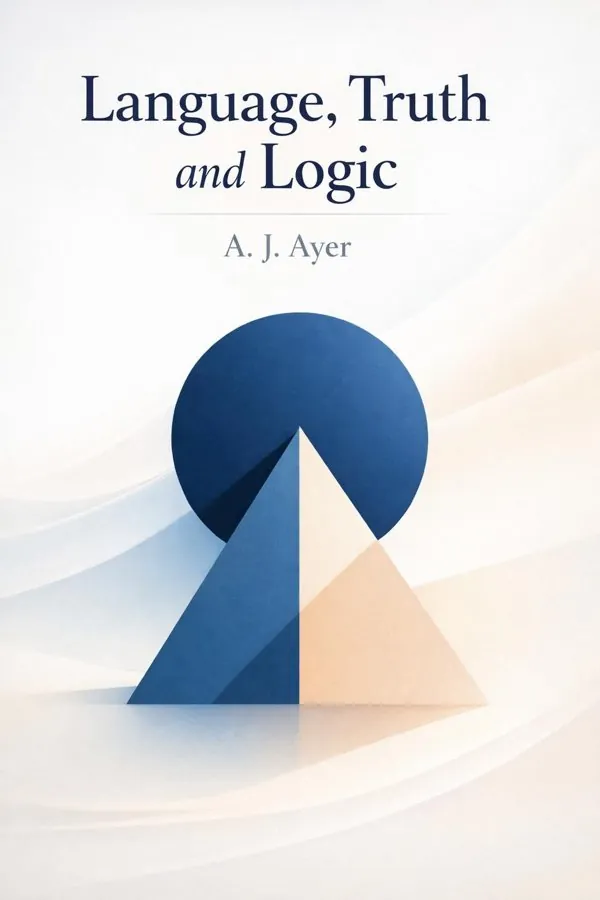
Language, Truth and Logic
A. J. Ayer
10 min
The Age of Reason
Thomas Paine
10 min
The Essays
Michel De Montaigne
10 minBrowse by Category
Ready to read The Methods of Ethics?
Get the full summary and 100K+ more books with Fizz Moment.