
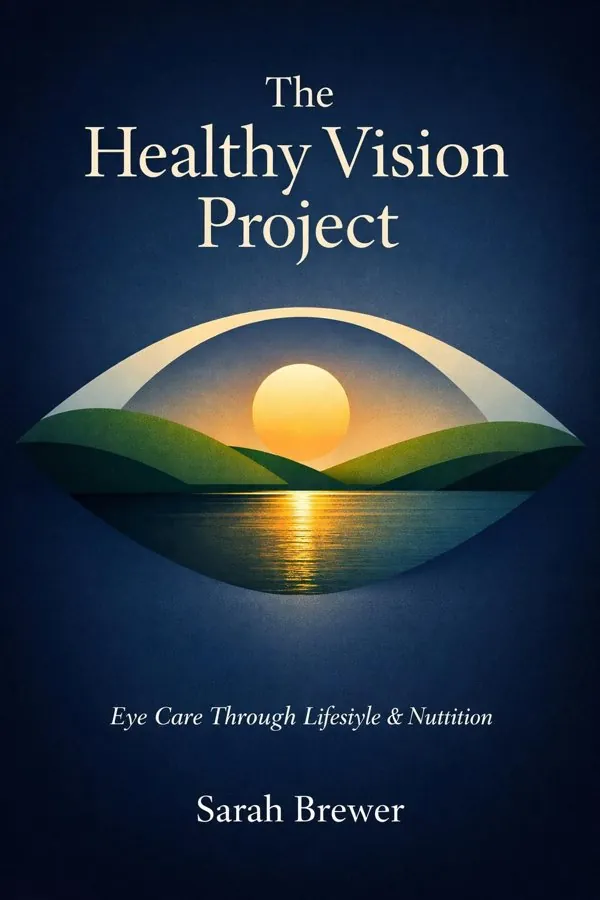
The Healthy Vision Project: Eye Care Through Lifestyle & Nutrition: Summary & Key Insights
by Sarah Brewer
 10 min9 chaptersAudio available
Key Takeaways from The Healthy Vision Project: Eye Care Through Lifestyle & Nutrition
Vision feels effortless, but the eye is one of the body’s most intricate and vulnerable organs.
Many major eye diseases appear different on the surface, yet Brewer highlights a striking truth: they often share the same root stresses.
Eyesight is influenced less by one dramatic event than by thousands of small choices repeated over years.
We often think of food as fuel for energy or weight management, but Brewer reminds readers that nutrition is also information for tissues under constant stress.
The eye does not age or fail in isolation.
What Is The Healthy Vision Project: Eye Care Through Lifestyle & Nutrition About?
The Healthy Vision Project: Eye Care Through Lifestyle & Nutrition by Sarah Brewer is a health_med book spanning 7 pages. Most people do not think seriously about their eyesight until something starts to go wrong. Sarah Brewer’s The Healthy Vision Project: Eye Care Through Lifestyle & Nutrition challenges that reactive mindset by showing that vision is not just a matter of genetics or aging, but also of daily habits. The book argues that what you eat, how you move, how well you manage blood sugar and blood pressure, and how consistently you protect your eyes all shape your long-term visual health. Brewer approaches eye care as part of whole-body medicine. Rather than focusing only on glasses, surgery, or diagnosis after damage appears, she explains how lifestyle and nutrition can help support the structures of the eye, reduce stress on vision, and lower the risk of common eye disorders. Her advice blends medical understanding with practical wellness strategies, making complex science feel usable in everyday life. As a physician known for her work in nutrition and preventive health, Brewer brings both credibility and accessibility. This book matters because it offers readers a hopeful, proactive framework: while not every eye problem can be prevented, many aspects of visual decline can be influenced by informed, consistent choices.
This FizzRead summary covers all 9 key chapters of The Healthy Vision Project: Eye Care Through Lifestyle & Nutrition in approximately 10 minutes, distilling the most important ideas, arguments, and takeaways from Sarah Brewer's work. Also available as an audio summary and Key Quotes Podcast.
The Healthy Vision Project: Eye Care Through Lifestyle & Nutrition
Most people do not think seriously about their eyesight until something starts to go wrong. Sarah Brewer’s The Healthy Vision Project: Eye Care Through Lifestyle & Nutrition challenges that reactive mindset by showing that vision is not just a matter of genetics or aging, but also of daily habits. The book argues that what you eat, how you move, how well you manage blood sugar and blood pressure, and how consistently you protect your eyes all shape your long-term visual health.
Brewer approaches eye care as part of whole-body medicine. Rather than focusing only on glasses, surgery, or diagnosis after damage appears, she explains how lifestyle and nutrition can help support the structures of the eye, reduce stress on vision, and lower the risk of common eye disorders. Her advice blends medical understanding with practical wellness strategies, making complex science feel usable in everyday life.
As a physician known for her work in nutrition and preventive health, Brewer brings both credibility and accessibility. This book matters because it offers readers a hopeful, proactive framework: while not every eye problem can be prevented, many aspects of visual decline can be influenced by informed, consistent choices.
Who Should Read The Healthy Vision Project: Eye Care Through Lifestyle & Nutrition?
This book is perfect for anyone interested in health_med and looking to gain actionable insights in a short read. Whether you're a student, professional, or lifelong learner, the key ideas from The Healthy Vision Project: Eye Care Through Lifestyle & Nutrition by Sarah Brewer will help you think differently.
- ✓Readers who enjoy health_med and want practical takeaways
- ✓Professionals looking to apply new ideas to their work and life
- ✓Anyone who wants the core insights of The Healthy Vision Project: Eye Care Through Lifestyle & Nutrition in just 10 minutes
Want the full summary?
Get instant access to this book summary and 100K+ more with Fizz Moment.
Get Free SummaryAvailable on App Store • Free to download
Key Chapters
Vision feels effortless, but the eye is one of the body’s most intricate and vulnerable organs. Brewer begins with a foundational idea: we protect what we understand. The eye may seem small, yet it depends on a highly coordinated system involving the cornea, lens, retina, optic nerve, tear film, and tiny blood vessels. Each part must function precisely for clear sight, and each part can be disrupted by age, inflammation, oxidation, poor circulation, or metabolic disease.
A useful way to think about the eye is as a living camera that must constantly repair itself. The cornea and lens focus light, the retina converts that light into electrical signals, and the optic nerve sends those signals to the brain. But unlike a machine, the eye is built from delicate tissue that needs oxygen, nutrients, hydration, and protection. Exposure to ultraviolet light, smoking, uncontrolled diabetes, or nutrient deficiencies can slowly impair this system long before symptoms become obvious.
Brewer’s larger point is that eye health should not be seen as isolated from daily life. If blood vessels are damaged elsewhere in the body, they may also be damaged in the retina. If chronic inflammation is simmering systemically, it can affect ocular tissues too. Understanding anatomy is not about memorizing medical terms; it is about recognizing how easily vision can be supported or undermined.
Practical application starts with awareness. Readers can learn to notice dry eyes, blurred vision, difficulty seeing at night, or increased sensitivity to glare as signals worth investigating early. Routine eye examinations become more meaningful when you know what is being checked and why.
Actionable takeaway: Treat your eyes as active, living organs that need daily support, and schedule regular eye exams with the same seriousness you give to dental or cardiovascular checkups.
Eyesight is influenced less by one dramatic event than by thousands of small choices repeated over years. Brewer emphasizes that lifestyle is not a vague wellness slogan; it is the sum of behaviors that either nourish the eye or burden it. Sleep, movement, screen use, smoking, sun exposure, stress, and hydration all affect visual comfort and long-term resilience.
Modern life places unique stress on the eyes. Long hours of screen work reduce blinking, contributing to dryness and irritation. Sedentary routines can worsen circulation and metabolic health, increasing the risk of eye disease over time. Smoking introduces toxins that accelerate oxidative damage and sharply raise the risk of cataracts and macular degeneration. Excessive sunlight without protection can damage the lens and retina. Chronic stress may also contribute indirectly by affecting blood pressure, sleep quality, inflammation, and self-care habits.
Brewer’s approach is practical rather than extreme. She encourages readers to break eye strain into manageable interventions. A person working at a computer all day can use the 20-20-20 rule, improve room lighting, blink deliberately, and position screens to reduce glare. Someone who spends time outdoors can wear UV-protective sunglasses and a hat. A smoker concerned about vision can add eye health to the long list of reasons to quit. Exercise becomes not only a weight or heart issue but a vision-preserving tool because it improves circulation and supports metabolic balance.
The larger lesson is that healthy vision is built into the structure of ordinary days. Protecting sight does not always require specialized treatment. Often it begins with basic routines repeated consistently.
Actionable takeaway: Audit your daily habits for eye stressors, then choose three upgrades this week such as better screen breaks, smoking cessation support, regular exercise, or UV protection outdoors.
We often think of food as fuel for energy or weight management, but Brewer reminds readers that nutrition is also information for tissues under constant stress. The eyes are metabolically active and highly exposed to light and oxygen, making them particularly vulnerable to oxidative damage. That means diet matters not just generally, but specifically for vision.
Brewer highlights key nutrients that support eye health. Vitamin A helps maintain the surface of the eye and supports low-light vision. Vitamin C contributes antioxidant protection and supports blood vessels. Vitamin E helps defend cell membranes. Zinc plays a role in retinal function. Carotenoids such as lutein and zeaxanthin accumulate in the macula, where they help filter harmful blue light and combat oxidative stress. Omega-3 fats support tear production and may help with dry eye and retinal health.
The message is not that one supplement solves everything. Brewer favors a whole-diet pattern rich in colorful vegetables, leafy greens, nuts, seeds, oily fish, eggs, and fruit. Practical examples include adding spinach or kale to meals for lutein, eating salmon or sardines for omega-3s, choosing orange vegetables for carotenoids, and replacing ultra-processed snacks with nuts or berries. For some people, supplements may have a role, particularly when diet is limited or risk factors are high, but food remains the foundation.
Nutrition also protects the eyes indirectly. Diet influences inflammation, blood sugar, blood pressure, and vascular health, all of which affect visual function. In other words, a plate that is good for the heart is often good for the retina too.
Actionable takeaway: Build one eye-supportive meal each day around leafy greens, colorful produce, healthy fats, and quality protein, and use supplements only as an informed addition, not a replacement for good eating.
The eye does not age or fail in isolation. One of Brewer’s most important arguments is that vision often reflects broader health patterns. Conditions such as hypertension, diabetes, obesity, and cardiovascular disease can quietly damage the tiny blood vessels and nerves that the eyes depend on. In that sense, the eyes are both visual organs and early warning systems.
Consider diabetes. Elevated blood sugar can injure retinal vessels, leading to leakage, swelling, and progressive visual loss. High blood pressure can strain and narrow ocular vessels, reducing healthy blood flow. High cholesterol may contribute to vascular dysfunction. Even chronic inflammatory states can affect the eye surface and internal structures. A person who treats eye care as separate from general medicine may miss the most powerful prevention tools.
Brewer encourages readers to see eye protection as part of managing systemic health. Someone working to reduce insulin resistance is also reducing the risk of diabetic eye complications. A person lowering blood pressure may support retinal circulation and reduce vascular stress. Better sleep and weight management may improve inflammatory balance and overall repair processes. This is an empowering shift because it means every improvement in general health can have a visual payoff.
The practical applications are broad. Regular checkups with a physician, routine monitoring of blood sugar and blood pressure, and adherence to treatment plans are all eye care behaviors. So are reducing excess sugar intake, losing abdominal fat, and improving cardiovascular fitness.
Brewer’s insight is especially useful for readers who have been waiting for eye-specific symptoms before taking action. By then, some damage may already be established. Prevention often starts much earlier, in ordinary medical self-management.
Actionable takeaway: If you have diabetes, hypertension, high cholesterol, or excess weight, treat control of those conditions as a direct investment in your eyesight, not just your general health.
Good eyesight in later life is rarely an accident. Brewer argues that vision is best preserved through protective habits practiced steadily over time. These habits are not glamorous, but they are powerful because they reduce cumulative wear on fragile eye tissues.
Prevention begins with routine examinations. Many serious eye conditions, including glaucoma and diabetic retinopathy, can progress without obvious symptoms in their early stages. Regular eye checks can detect pressure changes, retinal damage, lens clouding, and vascular issues before major vision is lost. Protective habits also include proper lighting for reading and close work, avoiding unnecessary eye strain, and using corrective lenses as prescribed rather than forcing the eyes to compensate.
Brewer also points to environmental protection. Sunglasses that block UVA and UVB radiation reduce damage from sunlight. Safety eyewear matters during sports, home repairs, gardening, or any activity involving flying debris or chemicals. Contact lens hygiene, if relevant, is another simple but important practice, since poor cleaning routines can lead to infections and serious complications.
There is also a behavioral side to prevention. People often ignore changes such as flashes, floaters, sudden blur, eye pain, or increasing difficulty with night vision. Brewer suggests taking symptoms seriously and seeking assessment promptly. Fast action can make the difference between a manageable issue and irreversible loss.
Her broader lesson is that maintaining vision is not passive. It requires the same long-term discipline people apply to fitness, skin care, or oral health. Small precautions, repeated over years, protect against large problems.
Actionable takeaway: Create a nonnegotiable eye-care routine that includes regular exams, UV-blocking sunglasses, task-appropriate eye protection, and prompt attention to any new visual symptoms.
Health advice becomes effective only when it is personal. Brewer closes the practical loop by encouraging readers to build a tailored vision plan based on age, risk factors, symptoms, and lifestyle. This matters because eye care is not one-size-fits-all. A 25-year-old office worker with dry eyes from screens has different needs from a 60-year-old smoker with a family history of macular degeneration or a middle-aged person managing diabetes.
A personal plan starts with knowing your baseline. That includes understanding family history, current diagnoses, medications, visual demands at work, and any warning signs you have already noticed. From there, Brewer suggests identifying the biggest modifiable risks. For one person, that may be smoking. For another, it may be poor blood sugar control, chronic dehydration, skipped eye appointments, or a diet lacking protective nutrients.
This individualized framework is useful because it turns broad recommendations into concrete commitments. For example, a reader might set a goal to eat oily fish twice weekly, book an eye exam within the month, improve screen ergonomics, and monitor blood pressure. Someone prone to dry eye may focus on blinking breaks, humidified air, hydration, and omega-3 intake. A person with a family history of glaucoma may prioritize more regular pressure checks and adherence to medical advice.
Brewer’s message is encouraging: you do not need perfection to protect your vision. What matters is consistency, awareness, and timely adaptation as your health changes.
Actionable takeaway: Write a simple one-page vision plan covering your top risks, daily supportive habits, next eye exam date, and two specific health goals you will track over the next three months.
One of the most dangerous assumptions in eye health is that serious problems will always announce themselves dramatically. Brewer pushes back against that belief by showing that many eye conditions develop quietly, while others present with subtle signs that people dismiss as fatigue, age, or inconvenience. Early recognition can protect vision that may not be recoverable once lost.
Warning signs vary, but some deserve immediate attention: sudden flashes of light, a shower of new floaters, a shadow or curtain over part of the visual field, eye pain, sudden blurred vision, distortion of straight lines, or rapid deterioration in sight. Other changes may be less urgent but still important, such as increasing glare while driving at night, worsening dryness, frequent headaches during visual tasks, or needing more light to read. These symptoms can indicate issues ranging from retinal problems and glaucoma to cataracts, eye strain, or tear film dysfunction.
Brewer’s emphasis is not to make readers anxious, but alert. Many people normalize gradual changes and delay appointments until function is significantly affected. Others rely on internet searches instead of proper examination. In a system as delicate as the eye, delay can be costly.
Practical self-monitoring can help. People at risk for macular degeneration can pay attention to distortions when reading or using straight-line patterns. Those with diabetes should be especially disciplined about eye reviews even if they feel fine. Anyone with recurrent discomfort can track when symptoms occur and what seems to trigger them.
The chapter’s central lesson is simple: symptoms are information, not inconveniences.
Actionable takeaway: If you notice sudden or unusual visual changes, seek professional eye assessment promptly, and for gradual changes, keep a symptom log and bring it to your next appointment.
People often look for a single pill, superfood, or technique that will guarantee lifelong vision. Brewer offers a more realistic and ultimately more useful message: eye health is protected by patterns, not gimmicks. The cumulative effect of ordinary choices usually matters more than isolated interventions.
This perspective is especially important in a wellness culture full of exaggerated claims. While certain nutrients support eye function and some supplements may help in specific cases, no shortcut can compensate for smoking, uncontrolled diabetes, poor sleep, inactivity, and a highly processed diet. Likewise, buying expensive eye drops or blue-light glasses may provide some comfort or convenience, but they are not substitutes for comprehensive habits.
Brewer’s strength is her insistence on sustainability. A moderate, repeatable plan beats an ideal plan abandoned after two weeks. Someone who consistently eats vegetables, walks most days, wears sunglasses, drinks enough water, and attends eye exams is doing far more for future vision than someone chasing occasional detoxes or miracle products. This applies to every age group. Younger readers can start building protective reserves early, while older readers can still improve the conditions that influence visual decline.
Examples make the principle tangible: replacing one daily sugary snack with fruit and nuts, taking a brisk walk after dinner, stopping smoking, improving sleep, or keeping regular medical appointments. None sounds dramatic, but together they reduce oxidative stress, improve circulation, and support the tissues of the eye.
Actionable takeaway: Stop searching for a single solution and instead commit to a simple, repeatable weekly system of better food, movement, medical follow-up, and eye protection.
All Chapters in The Healthy Vision Project: Eye Care Through Lifestyle & Nutrition
About the Author
Dr. Sarah Brewer is a British medical doctor, nutrition expert, and prolific health author known for translating complex medical topics into practical advice for everyday readers. Her work focuses on preventive health, healthy aging, diet, supplements, and lifestyle-based strategies for improving well-being. Across her books and media appearances, she has built a reputation for combining clinical knowledge with an accessible, encouraging style that helps readers make informed choices without feeling overwhelmed. Brewer often emphasizes the connection between body systems, showing how nutrition and daily habits influence long-term health outcomes. In The Healthy Vision Project, she applies that same whole-person approach to eye care, explaining how vision can be supported not only through medical treatment, but through better eating, healthier routines, and earlier prevention.
Get This Summary in Your Preferred Format
Read or listen to the The Healthy Vision Project: Eye Care Through Lifestyle & Nutrition summary by Sarah Brewer anytime, anywhere. FizzRead offers multiple formats so you can learn on your terms — all free.
Available formats: App · Audio · PDF · EPUB — All included free with FizzRead
Download The Healthy Vision Project: Eye Care Through Lifestyle & Nutrition PDF and EPUB Summary
Key Quotes from The Healthy Vision Project: Eye Care Through Lifestyle & Nutrition
“Vision feels effortless, but the eye is one of the body’s most intricate and vulnerable organs.”
“Many major eye diseases appear different on the surface, yet Brewer highlights a striking truth: they often share the same root stresses.”
“Eyesight is influenced less by one dramatic event than by thousands of small choices repeated over years.”
“We often think of food as fuel for energy or weight management, but Brewer reminds readers that nutrition is also information for tissues under constant stress.”
“The eye does not age or fail in isolation.”
Frequently Asked Questions about The Healthy Vision Project: Eye Care Through Lifestyle & Nutrition
The Healthy Vision Project: Eye Care Through Lifestyle & Nutrition by Sarah Brewer is a health_med book that explores key ideas across 9 chapters. Most people do not think seriously about their eyesight until something starts to go wrong. Sarah Brewer’s The Healthy Vision Project: Eye Care Through Lifestyle & Nutrition challenges that reactive mindset by showing that vision is not just a matter of genetics or aging, but also of daily habits. The book argues that what you eat, how you move, how well you manage blood sugar and blood pressure, and how consistently you protect your eyes all shape your long-term visual health. Brewer approaches eye care as part of whole-body medicine. Rather than focusing only on glasses, surgery, or diagnosis after damage appears, she explains how lifestyle and nutrition can help support the structures of the eye, reduce stress on vision, and lower the risk of common eye disorders. Her advice blends medical understanding with practical wellness strategies, making complex science feel usable in everyday life. As a physician known for her work in nutrition and preventive health, Brewer brings both credibility and accessibility. This book matters because it offers readers a hopeful, proactive framework: while not every eye problem can be prevented, many aspects of visual decline can be influenced by informed, consistent choices.
You Might Also Like

On Immunity
Eula Biss
10 min
The Three-Body Problem
Liu Cixin
10 min
Community Health Volunteer Toolkit: Training and Practical Activities
World Health Organization
10 min
Healing Back Pain: The Mind-Body Connection
John E. Sarno
10 min
Health Literacy for All: Practical Guides to Communicate Health Information (Compilations)
World Health Organization
10 min
The Complete Guide to Sports Supplements: An Evidence-Based Review
Anita Bean
10 minBrowse by Category
Ready to read The Healthy Vision Project: Eye Care Through Lifestyle & Nutrition?
Get the full summary and 100K+ more books with Fizz Moment.