
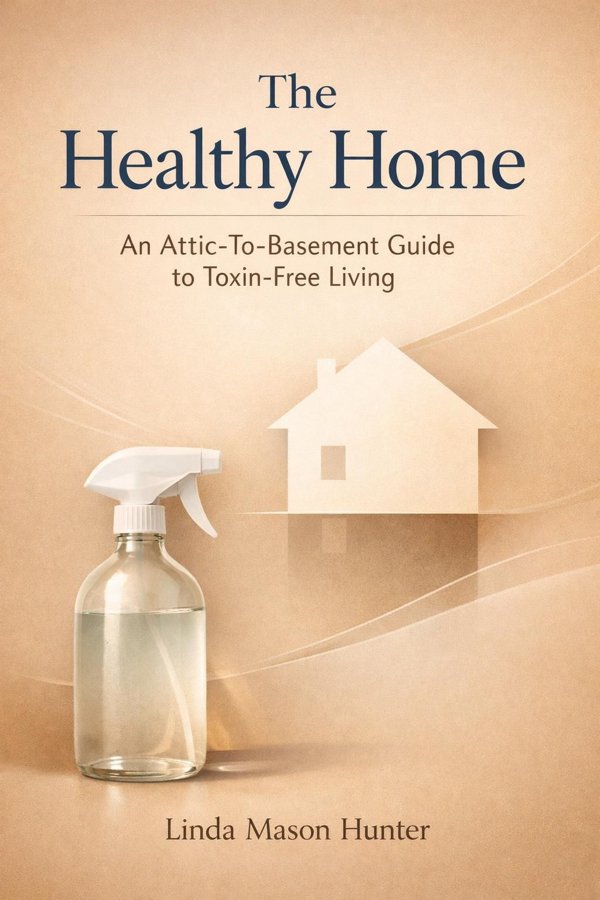
The Healthy Home: An Attic-To-Basement Guide to Toxin-Free Living: Summary & Key Insights
 10 min9 chaptersAudio available
Key Takeaways from The Healthy Home: An Attic-To-Basement Guide to Toxin-Free Living
The most dangerous hazards in a home are often the ones that look normal.
When people first learn how many toxins can exist indoors, their instinct is often to overhaul everything at once.
The kitchen is often associated with nourishment, yet Hunter reminds us that it can also be a major source of hidden toxins.
A living room may look comfortable and inviting while quietly trapping dust, fumes, and airborne chemicals.
We spend roughly a third of our lives sleeping, which makes the bedroom either a place of healing or a steady source of exposure.
What Is The Healthy Home: An Attic-To-Basement Guide to Toxin-Free Living About?
The Healthy Home: An Attic-To-Basement Guide to Toxin-Free Living by Linda Mason Hunter is a health_med book spanning 8 pages. Most people think of home as the safest place in their lives, yet Linda Mason Hunter argues that many houses quietly expose us to more pollution than the outdoors. In The Healthy Home: An Attic-To-Basement Guide to Toxin-Free Living, she shows how everyday products, building materials, cleaning agents, pesticides, and even furnishings can release chemicals that affect breathing, sleep, skin, energy, and long-term health. Rather than promoting fear, Hunter offers a practical path forward: understand what is in your home, identify the biggest risks, and replace harmful habits with safer, affordable alternatives. What makes this book so valuable is its room-by-room approach. From kitchen counters and laundry rooms to basements, attics, and hidden moisture zones, Hunter helps readers see the home as a complete ecosystem. Her background as an environmental advocate and writer focused on sustainable living gives the book both credibility and accessibility. She translates complex concerns about indoor air, water quality, and toxic exposure into clear guidance that ordinary households can actually use. The result is a deeply useful manual for anyone who wants a cleaner, safer, healthier place to live.
This FizzRead summary covers all 9 key chapters of The Healthy Home: An Attic-To-Basement Guide to Toxin-Free Living in approximately 10 minutes, distilling the most important ideas, arguments, and takeaways from Linda Mason Hunter's work. Also available as an audio summary and Key Quotes Podcast.
The Healthy Home: An Attic-To-Basement Guide to Toxin-Free Living
Most people think of home as the safest place in their lives, yet Linda Mason Hunter argues that many houses quietly expose us to more pollution than the outdoors. In The Healthy Home: An Attic-To-Basement Guide to Toxin-Free Living, she shows how everyday products, building materials, cleaning agents, pesticides, and even furnishings can release chemicals that affect breathing, sleep, skin, energy, and long-term health. Rather than promoting fear, Hunter offers a practical path forward: understand what is in your home, identify the biggest risks, and replace harmful habits with safer, affordable alternatives.
What makes this book so valuable is its room-by-room approach. From kitchen counters and laundry rooms to basements, attics, and hidden moisture zones, Hunter helps readers see the home as a complete ecosystem. Her background as an environmental advocate and writer focused on sustainable living gives the book both credibility and accessibility. She translates complex concerns about indoor air, water quality, and toxic exposure into clear guidance that ordinary households can actually use. The result is a deeply useful manual for anyone who wants a cleaner, safer, healthier place to live.
Who Should Read The Healthy Home: An Attic-To-Basement Guide to Toxin-Free Living?
This book is perfect for anyone interested in health_med and looking to gain actionable insights in a short read. Whether you're a student, professional, or lifelong learner, the key ideas from The Healthy Home: An Attic-To-Basement Guide to Toxin-Free Living by Linda Mason Hunter will help you think differently.
- ✓Readers who enjoy health_med and want practical takeaways
- ✓Professionals looking to apply new ideas to their work and life
- ✓Anyone who wants the core insights of The Healthy Home: An Attic-To-Basement Guide to Toxin-Free Living in just 10 minutes
Want the full summary?
Get instant access to this book summary and 100K+ more with Fizz Moment.
Get Free SummaryAvailable on App Store • Free to download
Key Chapters
The most dangerous hazards in a home are often the ones that look normal. A fresh paint smell, a scented cleaner, a stain-resistant carpet, or a can of bug spray may seem harmless because they are familiar, but Linda Mason Hunter shows that these ordinary products can release volatile organic compounds, irritants, and residues that accumulate over time. The central insight is simple: toxicity in the home is rarely dramatic, but it is often chronic. Small exposures repeated every day can affect respiratory health, skin sensitivity, hormones, sleep quality, and overall well-being.
Hunter invites readers to rethink what “clean,” “new,” and “convenient” really mean. Many conventional products are designed for performance, shelf life, or scent rather than human health. Air fresheners mask odors instead of solving their source. Harsh disinfectants may be overused in situations where soap and water would do. Pressed-wood furniture, synthetic fabrics, and sealed building materials can slowly off-gas into enclosed indoor spaces, especially in modern, tightly insulated homes.
What matters is not perfection but awareness. A healthier home begins when you notice patterns: headaches after cleaning, musty odors in closed rooms, eye irritation from fragrances, or dust that seems constant despite vacuuming. These signs can point to hidden exposures that deserve attention.
Hunter’s broader contribution is to shift responsibility from passive acceptance to active observation. Once you stop assuming that store-bought means safe, you can make better choices about what enters your home and what stays there.
Actionable takeaway: Walk through your home and list products or materials with strong odors, warning labels, synthetic fragrance, or frequent use. These are your first candidates for safer replacement.
When people first learn how many toxins can exist indoors, their instinct is often to overhaul everything at once. Hunter argues that this reaction is understandable but unhelpful. A healthier home is built through informed priorities, not fear-driven spending. The smartest first step is assessment: observe the home carefully, identify the biggest problems, and address what matters most.
Her method is practical and grounded. Begin by noticing what your senses already tell you. Are there chemical smells in newly furnished rooms? Does moisture collect on windows? Is there mold in corners, dust buildup on vents, or stale air in bedrooms? Are pesticides stored under the sink, paint cans leaking in the garage, or cleaners mixed together in a cramped cabinet? Health concerns often reveal themselves through these everyday clues.
Hunter also encourages readers to think in terms of vulnerability and exposure. A nursery, for example, deserves special caution because children breathe more rapidly and spend time close to floors, fabrics, and dust. A basement with water intrusion may be a higher priority than replacing every dish soap bottle in the house. Likewise, improving ventilation in a kitchen that sees heavy daily use may deliver more benefit than an expensive but unnecessary specialty product.
Assessment helps households focus on changes that are realistic and sustainable. It also makes progress measurable. When you identify one room, one category, or one source at a time, the process becomes manageable rather than overwhelming.
Hunter’s core lesson is that awareness creates order. You do not need to fix everything this week. You need to know where your home is helping your health and where it may be undermining it.
Actionable takeaway: Do a room-by-room audit this week, ranking concerns by severity, frequency of use, and who is exposed most often. Tackle the top three issues first.
The kitchen is often associated with nourishment, yet Hunter reminds us that it can also be a major source of hidden toxins. Because food preparation happens there every day, even small risks become important. The problem is not just what we eat, but what our food touches: cookware, storage containers, countertops, cleaning products, pest controls, and the air around the stove.
Hunter urges readers to look beyond obvious food safety concerns and consider the broader environment of cooking. Nonstick coatings, plastics exposed to heat, artificially fragranced dish soaps, oven cleaners, and residues from cabinet materials can all contribute to a less healthy space. Gas stoves may also worsen indoor air quality when ventilation is poor. Even a spotless kitchen may not be a healthy one if harsh degreasers, bleach mixtures, and aerosol products are used routinely in an enclosed area.
A healthier kitchen relies on simpler choices. Glass, stainless steel, cast iron, and ceramic can often replace more chemically intensive materials. Basic cleaners made from mild soap, baking soda, or vinegar can handle many surfaces without leaving irritating residues. Good ventilation while cooking reduces smoke, moisture, and combustion byproducts. Hunter also emphasizes storage habits: old pesticides, solvent-based products, and unnecessary specialty cleaners should not linger in food spaces.
Perhaps her most important insight is that the kitchen teaches the principle of contact. Toxins matter most where they are heated, inhaled, or transferred onto food. By reducing those contact points, families improve health in a direct and meaningful way.
Actionable takeaway: Replace one high-contact kitchen item this month, such as scratched nonstick cookware, heated plastic containers, or a harsh spray cleaner used near food surfaces.
A living room may look comfortable and inviting while quietly trapping dust, fumes, and airborne chemicals. Hunter makes the case that air quality is one of the most overlooked dimensions of home health. We tend to focus on visible mess, yet many of the most significant irritants are invisible: synthetic fragrance, tobacco smoke residue, pet dander, mold spores, fine dust, and gases released by furniture, carpets, glues, and electronics.
Because families spend long periods in common rooms, even low-level pollution can matter. New sofas, carpeting, paint, and engineered wood products may off-gas for weeks or months. Dust acts like a sponge, collecting residues from household chemicals and then recirculating through walking, heating systems, and upholstery use. Poor ventilation allows these substances to build up, especially in homes designed to be tightly sealed for energy efficiency.
Hunter’s guidance is refreshingly balanced. She does not demand a sterile environment. Instead, she recommends reducing pollution at the source, improving airflow, and choosing lower-toxicity materials over time. Open windows when conditions allow. Use exhaust fans appropriately. Vacuum with good filtration if possible. Damp-dust surfaces rather than simply stirring particles into the air. Choose unscented products where practical, and be cautious about room deodorizers that merely cover odors.
She also encourages readers to think about air quality as a whole-system issue. If a room smells musty, perfumed, or stale, the answer is not always another product. It may be moisture, hidden dust, dirty ducts, or a material releasing chemicals into the air.
Actionable takeaway: Remove at least one source of unnecessary indoor fragrance and improve ventilation in your main living space for a week, noting any changes in comfort, breathing, or odor.
We spend roughly a third of our lives sleeping, which makes the bedroom either a place of healing or a steady source of exposure. Hunter argues that a truly healthy bedroom is not just quiet and dark, but chemically calm. Since sleep is the body’s primary recovery period, the air, fabrics, mattresses, and dust in that space can influence rest more than many people realize.
Bedrooms often collect toxins through soft materials. Mattresses, pillows, carpeting, drapes, upholstered headboards, and synthetic bedding can trap dust and release chemicals. Scented candles, plug-in air fresheners, dry-cleaned fabrics, and heavily perfumed detergents may seem cozy, but they add unnecessary irritants to the air. If windows stay closed and ventilation is poor, those exposures linger overnight while breathing remains constant for hours.
Hunter’s room-by-room approach is especially useful here because it reframes the bedroom as a low-exposure zone. The goal is to reduce what does not belong there. Wash bedding in mild products, control dust with regular cleaning, and be mindful of moisture that can support mold. If buying new furniture or a mattress, allow time for airing out and favor simpler, lower-odor options when possible. Keep stored chemicals, hobby materials, and unnecessary electronics out of the room.
The deeper insight is that rest is environmental. People often chase better sleep through supplements, gadgets, or routines while overlooking the quality of the space itself. A cleaner bedroom supports the nervous system by reducing stimulation, irritation, and invisible pollutants.
Actionable takeaway: Turn your bedroom into a fragrance-free, clutter-light zone and remove one major dust- or chemical-holding item that may be interfering with clean air during sleep.
Bathrooms and laundry rooms are often the most chemical-intensive areas of a house, not because they must be, but because marketing has convinced us that hygiene requires aggressive products. Hunter challenges this assumption. She shows that many disinfectants, bleach mixtures, toilet cleaners, drain openers, detergents, and fabric treatments create unnecessary exposure through fumes, skin contact, and water contamination.
These rooms combine moisture, enclosed air, and repeated use, which makes product choice especially important. A bathroom with poor ventilation can hold onto strong vapors long after cleaning is done. Laundry products are another hidden source of exposure. Fragranced detergents, dryer sheets, optical brighteners, and softeners leave residues on clothing, towels, and bedding, creating contact with skin all day and night. What smells “fresh” may simply be a layer of persistent synthetic chemicals.
Hunter recommends shifting from intensity to effectiveness. Soap, washing soda, baking soda, vinegar, and simple scrubbing tools can often replace more hazardous formulas for everyday maintenance. For mold and mildew prevention, controlling moisture and airflow is more effective than endlessly spraying stronger chemicals. Fix leaks, use fans, hang towels properly, and avoid letting damp fabrics pile up.
She also widens the lens to include water systems. What goes down the drain does not disappear harmlessly; it enters septic systems or municipal treatment streams. Safer cleaning choices therefore protect both the household and the wider environment.
Actionable takeaway: Replace your most heavily scented or harsh bathroom and laundry products with simpler alternatives, and pair that change with better ventilation and moisture control.
One of Hunter’s most empowering messages is that a healthier home does not require buying a whole new lifestyle. In many cases, it means returning to simpler methods that households used long before the rise of chemically complex specialty cleaners. Homemade and low-toxicity cleaning solutions can be inexpensive, effective, and easier on both the body and the environment.
The deeper point is not that every commercial product is harmful or that homemade solutions solve every problem. It is that most everyday cleaning tasks do not require harsh ingredients. Grease can often be cut with soap and hot water. Odors can be addressed by cleaning the source rather than masking them with fragrance. Mild abrasives like baking soda can scrub sinks and tubs. Vinegar can help with mineral buildup in some situations. Fewer ingredients often mean fewer surprises for sensitive skin, lungs, and indoor air.
Hunter also emphasizes control. When you make or choose simpler products, you know what is in them and why. That knowledge reduces accidental mixing, overuse, and storage clutter. It also weakens the cultural belief that stronger smell equals better sanitation. In reality, effective cleaning is usually about proper technique, sufficient contact time, and consistency, not a cloud of chemical perfume.
This idea supports long-term habit change. Once people discover that they can clean well without overwhelming odors or warning labels, healthier routines become easier to maintain.
Actionable takeaway: Create a small core cleaning kit built around a few simple, versatile products and use them consistently before buying another specialized cleaner.
The condition of a home is shaped less by one-time purchases than by repeated daily choices. Hunter’s final and perhaps most enduring lesson is that toxin-free living is a practice, not a product line. Even the best renovations or safest materials cannot compensate for habits that repeatedly introduce unnecessary pollution, moisture, clutter, or chemical exposure.
This is why the book goes beyond warnings and recipes to encourage a mindset shift. Open a window instead of spraying an air freshener. Store fewer chemicals and label them clearly. Repair leaks early. Remove shoes at the door to reduce pesticides and soil tracked inside. Read product labels before buying. Ventilate while painting or cleaning. Wash new textiles when appropriate. Declutter cabinets so old, hazardous products do not linger for years. These small acts may seem ordinary, but together they create a home environment that is easier on the lungs, skin, immune system, and mind.
Hunter also acknowledges that every household has different constraints. Renters, families with children, people on tight budgets, and those in older homes may not be able to change everything at once. That is why habits matter so much: they are often the most accessible tool. Thoughtful routines can reduce exposure even before larger upgrades become possible.
In the end, her vision of a healthy home is not perfectionist or aesthetic. It is functional, observant, and preventive. A healthy house supports life quietly by reducing avoidable burdens on the body.
Actionable takeaway: Choose three ongoing home-health habits to adopt this month, such as removing shoes indoors, using fragrance-free products, and checking regularly for leaks or moisture.
All Chapters in The Healthy Home: An Attic-To-Basement Guide to Toxin-Free Living
About the Author
Linda Mason Hunter is an American writer and environmental advocate known for her work on sustainable living, household ecology, and health-conscious home practices. She has written extensively about the ways everyday environments affect personal well-being, translating environmental concerns into practical guidance for ordinary readers. Her work stands out for connecting ecological responsibility with daily domestic choices, from cleaning methods and product selection to indoor air quality and safer home design. In The Healthy Home, Hunter brings that perspective into a clear room-by-room framework, helping readers recognize and reduce hidden toxic exposures. Her writing has contributed to broader public conversations about green living by showing that environmental awareness begins not only in policy or activism, but in the spaces where people cook, sleep, clean, and raise their families.
Get This Summary in Your Preferred Format
Read or listen to the The Healthy Home: An Attic-To-Basement Guide to Toxin-Free Living summary by Linda Mason Hunter anytime, anywhere. FizzRead offers multiple formats so you can learn on your terms — all free.
Available formats: App · Audio · PDF · EPUB — All included free with FizzRead
Download The Healthy Home: An Attic-To-Basement Guide to Toxin-Free Living PDF and EPUB Summary
Key Quotes from The Healthy Home: An Attic-To-Basement Guide to Toxin-Free Living
“The most dangerous hazards in a home are often the ones that look normal.”
“When people first learn how many toxins can exist indoors, their instinct is often to overhaul everything at once.”
“The kitchen is often associated with nourishment, yet Hunter reminds us that it can also be a major source of hidden toxins.”
“A living room may look comfortable and inviting while quietly trapping dust, fumes, and airborne chemicals.”
“We spend roughly a third of our lives sleeping, which makes the bedroom either a place of healing or a steady source of exposure.”
Frequently Asked Questions about The Healthy Home: An Attic-To-Basement Guide to Toxin-Free Living
The Healthy Home: An Attic-To-Basement Guide to Toxin-Free Living by Linda Mason Hunter is a health_med book that explores key ideas across 9 chapters. Most people think of home as the safest place in their lives, yet Linda Mason Hunter argues that many houses quietly expose us to more pollution than the outdoors. In The Healthy Home: An Attic-To-Basement Guide to Toxin-Free Living, she shows how everyday products, building materials, cleaning agents, pesticides, and even furnishings can release chemicals that affect breathing, sleep, skin, energy, and long-term health. Rather than promoting fear, Hunter offers a practical path forward: understand what is in your home, identify the biggest risks, and replace harmful habits with safer, affordable alternatives. What makes this book so valuable is its room-by-room approach. From kitchen counters and laundry rooms to basements, attics, and hidden moisture zones, Hunter helps readers see the home as a complete ecosystem. Her background as an environmental advocate and writer focused on sustainable living gives the book both credibility and accessibility. She translates complex concerns about indoor air, water quality, and toxic exposure into clear guidance that ordinary households can actually use. The result is a deeply useful manual for anyone who wants a cleaner, safer, healthier place to live.
You Might Also Like

On Immunity
Eula Biss
10 min
The Three-Body Problem
Liu Cixin
10 min
Community Health Volunteer Toolkit: Training and Practical Activities
World Health Organization
10 min
Healing Back Pain: The Mind-Body Connection
John E. Sarno
10 min
Health Literacy for All: Practical Guides to Communicate Health Information (Compilations)
World Health Organization
10 min
The Complete Guide to Sports Supplements: An Evidence-Based Review
Anita Bean
10 minBrowse by Category
Ready to read The Healthy Home: An Attic-To-Basement Guide to Toxin-Free Living?
Get the full summary and 100K+ more books with Fizz Moment.