
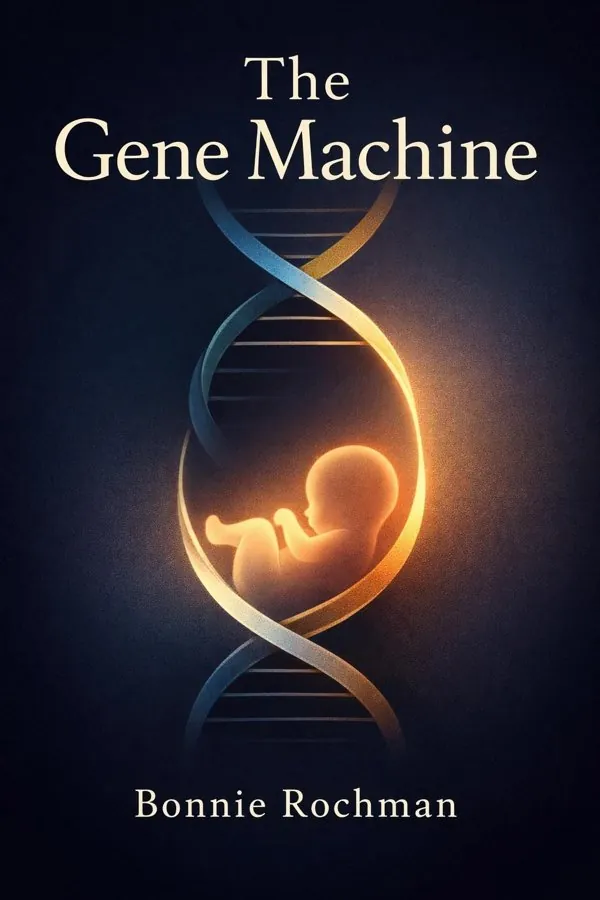
The Gene Machine: How Genetic Technologies Are Changing the Way We Have Kids—and the Kids We Have: Summary & Key Insights
 10 min10 chaptersAudio available
What Is The Gene Machine: How Genetic Technologies Are Changing the Way We Have Kids—and the Kids We Have About?
The Gene Machine: How Genetic Technologies Are Changing the Way We Have Kids—and the Kids We Have by Bonnie Rochman is a life_science book spanning 10 pages. In The Gene Machine, journalist Bonnie Rochman explores the rapidly evolving world of genetic testing and reproductive technology. She examines how advances in DNA science are transforming decisions about conception, pregnancy, and parenting, raising profound ethical and emotional questions. Through interviews with scientists, doctors, and families, Rochman illuminates the promise and peril of a future where genetic information shapes human life from its very beginning.
This FizzRead summary covers all 10 key chapters of The Gene Machine: How Genetic Technologies Are Changing the Way We Have Kids—and the Kids We Have in approximately 10 minutes, distilling the most important ideas, arguments, and takeaways from Bonnie Rochman's work. Also available as an audio summary and Key Quotes Podcast.
The Gene Machine: How Genetic Technologies Are Changing the Way We Have Kids—and the Kids We Have
In The Gene Machine, journalist Bonnie Rochman explores the rapidly evolving world of genetic testing and reproductive technology. She examines how advances in DNA science are transforming decisions about conception, pregnancy, and parenting, raising profound ethical and emotional questions. Through interviews with scientists, doctors, and families, Rochman illuminates the promise and peril of a future where genetic information shapes human life from its very beginning.
Who Should Read The Gene Machine: How Genetic Technologies Are Changing the Way We Have Kids—and the Kids We Have?
This book is perfect for anyone interested in life_science and looking to gain actionable insights in a short read. Whether you're a student, professional, or lifelong learner, the key ideas from The Gene Machine: How Genetic Technologies Are Changing the Way We Have Kids—and the Kids We Have by Bonnie Rochman will help you think differently.
- ✓Readers who enjoy life_science and want practical takeaways
- ✓Professionals looking to apply new ideas to their work and life
- ✓Anyone who wants the core insights of The Gene Machine: How Genetic Technologies Are Changing the Way We Have Kids—and the Kids We Have in just 10 minutes
Want the full summary?
Get instant access to this book summary and 100K+ more with Fizz Moment.
Get Free SummaryAvailable on App Store • Free to download
Key Chapters
To understand where we are today, we must look back to where genetic screening began. It’s hard to believe that not so long ago, prenatal testing was a rare, invasive, and even frightening procedure. When amniocentesis first became available in the mid-20th century, it was reserved only for pregnancies deemed high-risk. Over time, as technology became safer and more precise, genetic testing evolved from the exceptional to the routine. Today, many pregnant women are offered screening as part of standard prenatal care.
In recounting this history, I trace the slow expansion of what science can tell us about our unborn children. Advances in DNA mapping and biochemical assays turned vague diagnoses into clear genetic codes, revealing inherited conditions in ways that previous generations could not imagine. Yet, as each decade brought new capabilities, society had to confront new dilemmas. I highlight how the introduction of newborn screening programs transformed public health—saving lives, yes, but also stirring ethical questions about consent and data use.
Through the stories of families who lived through this transition, readers can see both the relief and the anxiety that genomic knowledge produces. It’s one thing to know a child can be saved through early detection; it’s another to grapple with information that offers no remedy, only a forecast of suffering. Genetic progress has never been just scientific—it is deeply human, driven by hope and shadowed by fear.
As genetic testing became more accessible, it didn’t stop at pregnancy; it began long before conception. Carrier screening, which allows couples to know whether they carry faulty copies of genes that could cause disease in their offspring, introduced a new kind of agency into reproduction. I spent time with couples who learned, through a simple blood test, that they were both carriers for cystic fibrosis or Tay–Sachs. Suddenly, they were thrust into complex decisions: whether to risk conceiving naturally, use IVF and preimplantation genetic diagnosis, or turn to egg or sperm donors.
For these families, science offers choice—but choice is rarely simple. Some feel empowered; others feel paralyzed. The emotional turbulence is palpable. I recount stories of joy and heartbreak, of people who thought they were planning families but found themselves navigating probabilities instead of dreams. I also explore how the rise of direct-to-consumer genetic tests complicates this picture. For a few hundred dollars and a mail-in kit, anyone can unlock data that once required medical counseling. That accessibility democratizes knowledge—but also muddies its meaning. Without guidance, risk information can mislead or alarm.
Throughout this chapter, my reflection centers on the paradox at the heart of carrier screening: that more information can sometimes make the path forward less clear. It changes how we define preparation, responsibility, even love. Parenthood becomes less about chance and more about deliberate calculation, and this shift, while empowering, challenges our deepest understanding of what it means to accept a child as they are.
+ 8 more chapters — available in the FizzRead app
All Chapters in The Gene Machine: How Genetic Technologies Are Changing the Way We Have Kids—and the Kids We Have
About the Author
Bonnie Rochman is an award-winning journalist who has written extensively about health, science, and parenting. A former health and science writer for Time magazine, her work has also appeared in The New York Times, The Wall Street Journal, and Scientific American.
Get This Summary in Your Preferred Format
Read or listen to the The Gene Machine: How Genetic Technologies Are Changing the Way We Have Kids—and the Kids We Have summary by Bonnie Rochman anytime, anywhere. FizzRead offers multiple formats so you can learn on your terms — all free.
Available formats: App · Audio · PDF · EPUB — All included free with FizzRead
Download The Gene Machine: How Genetic Technologies Are Changing the Way We Have Kids—and the Kids We Have PDF and EPUB Summary
Key Quotes from The Gene Machine: How Genetic Technologies Are Changing the Way We Have Kids—and the Kids We Have
“To understand where we are today, we must look back to where genetic screening began.”
“As genetic testing became more accessible, it didn’t stop at pregnancy; it began long before conception.”
Frequently Asked Questions about The Gene Machine: How Genetic Technologies Are Changing the Way We Have Kids—and the Kids We Have
The Gene Machine: How Genetic Technologies Are Changing the Way We Have Kids—and the Kids We Have by Bonnie Rochman is a life_science book that explores key ideas across 10 chapters. In The Gene Machine, journalist Bonnie Rochman explores the rapidly evolving world of genetic testing and reproductive technology. She examines how advances in DNA science are transforming decisions about conception, pregnancy, and parenting, raising profound ethical and emotional questions. Through interviews with scientists, doctors, and families, Rochman illuminates the promise and peril of a future where genetic information shapes human life from its very beginning.
You Might Also Like
The Selfish Gene
Richard Dawkins
10 min
Awakenings
Oliver Sacks
10 min
Parasite Rex: Inside the Bizarre World of Nature's Most Dangerous Creatures
Carl Zimmer
10 min
The Atlas of Life on Earth
Various
10 min
The Book of Humans: The Story of How We Became Us
Adam Rutherford
10 min
The Horse
Wendy Williams
10 minBrowse by Category
Ready to read The Gene Machine: How Genetic Technologies Are Changing the Way We Have Kids—and the Kids We Have?
Get the full summary and 100K+ more books with Fizz Moment.