
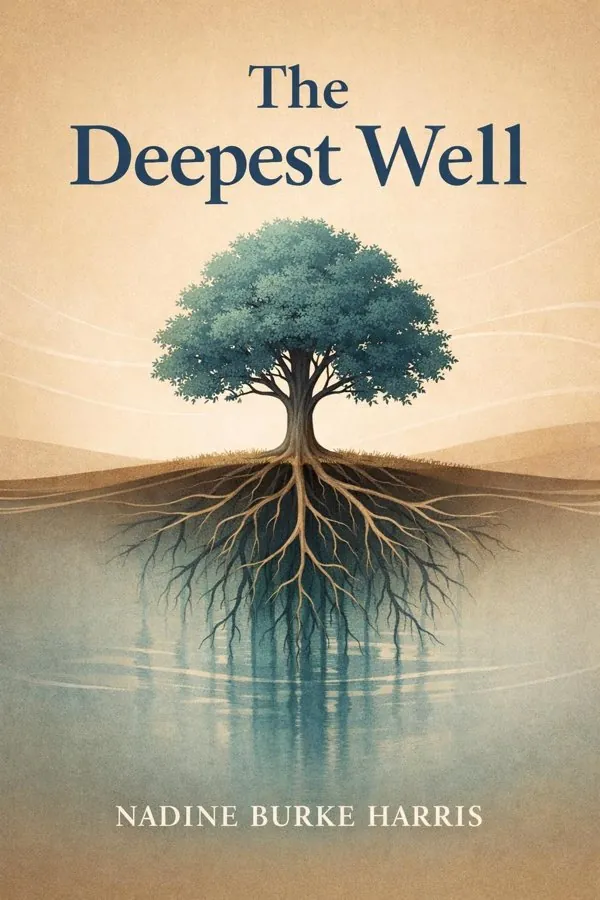
The Deepest Well: Healing the Long-Term Effects of Childhood Adversity: Summary & Key Insights
 10 min10 chaptersAudio available
What Is The Deepest Well: Healing the Long-Term Effects of Childhood Adversity About?
The Deepest Well: Healing the Long-Term Effects of Childhood Adversity by Nadine Burke Harris is a health_med book spanning 10 pages. In this groundbreaking work, pediatrician Nadine Burke Harris reveals how childhood adversity—such as abuse, neglect, and household dysfunction—can lead to lifelong health problems. Drawing on scientific research and her own clinical experience, she explains the biological mechanisms behind toxic stress and offers strategies for healing and resilience. The book bridges medicine, psychology, and public health to advocate for early intervention and trauma-informed care.
This FizzRead summary covers all 10 key chapters of The Deepest Well: Healing the Long-Term Effects of Childhood Adversity in approximately 10 minutes, distilling the most important ideas, arguments, and takeaways from Nadine Burke Harris's work. Also available as an audio summary and Key Quotes Podcast.
The Deepest Well: Healing the Long-Term Effects of Childhood Adversity
In this groundbreaking work, pediatrician Nadine Burke Harris reveals how childhood adversity—such as abuse, neglect, and household dysfunction—can lead to lifelong health problems. Drawing on scientific research and her own clinical experience, she explains the biological mechanisms behind toxic stress and offers strategies for healing and resilience. The book bridges medicine, psychology, and public health to advocate for early intervention and trauma-informed care.
Who Should Read The Deepest Well: Healing the Long-Term Effects of Childhood Adversity?
This book is perfect for anyone interested in health_med and looking to gain actionable insights in a short read. Whether you're a student, professional, or lifelong learner, the key ideas from The Deepest Well: Healing the Long-Term Effects of Childhood Adversity by Nadine Burke Harris will help you think differently.
- ✓Readers who enjoy health_med and want practical takeaways
- ✓Professionals looking to apply new ideas to their work and life
- ✓Anyone who wants the core insights of The Deepest Well: Healing the Long-Term Effects of Childhood Adversity in just 10 minutes
Want the full summary?
Get instant access to this book summary and 100K+ more with Fizz Moment.
Get Free SummaryAvailable on App Store • Free to download
Key Chapters
At first, the pattern emerged in whispers. I would see one patient struggling with asthma that didn’t seem to respond to medication, then another suffering from recurrent infections, then yet another whose learning difficulties could not be explained by any neurological condition we knew. When I looked closer, a pattern began to surface—not in their physical symptoms, but in their stories. Many of these children were growing up in homes touched by violence, substance abuse, instability, or poverty. The medicine I had been taught was not enough to explain what I was witnessing. There was something deeper, something influencing their biology in a consistent, damaging way.
I began to chart their illnesses, alongside their life histories, and my observations pointed unmistakably toward the relationship between stress and physical health. Chronic exposure to fear, chaos, or neglect seemed to change how their bodies functioned. I reached a crossroads in my career—either I could ignore what I was seeing, or I could follow the evidence and see where it led. The latter path meant rethinking everything I believed about health and medicine.
In my search for answers, I discovered a study that would forever change the way I practiced medicine: the Adverse Childhood Experiences Study, or ACE Study, conducted by the CDC and Kaiser Permanente in the 1990s. It started with a surprising question—why were so many patients dropping out of weight-loss programs? This curiosity led to one of the most groundbreaking discoveries in public health. Researchers found that a significant number of those patients had histories of childhood trauma, and when they measured ACEs across tens of thousands of adults, the results were shocking.
The study identified ten categories of adverse experiences—ranging from physical and emotional abuse to parental incarceration and substance use. The higher a person’s ACE score, the higher their risk for heart disease, diabetes, depression, alcoholism, and even early death. The correlation was not marginal; it was exponential. This was the evidence I needed. Childhood trauma leaves a biological footprint that lasts a lifetime.
For me, reading those findings was like finding a map to the mystery I had been struggling to solve in my clinic. It tied my observations to a scientifically validated framework. What the ACE Study showed was that adversity in early life is not merely an emotional burden but a vector for disease, as powerful as smoking or high cholesterol in determining our long-term health outcomes.
+ 8 more chapters — available in the FizzRead app
All Chapters in The Deepest Well: Healing the Long-Term Effects of Childhood Adversity
About the Author
Nadine Burke Harris is an American pediatrician and public health advocate. She founded the Center for Youth Wellness in San Francisco and served as California’s first Surgeon General. Her work focuses on the impact of adverse childhood experiences (ACEs) on long-term health and the importance of trauma-informed medical care.
Get This Summary in Your Preferred Format
Read or listen to the The Deepest Well: Healing the Long-Term Effects of Childhood Adversity summary by Nadine Burke Harris anytime, anywhere. FizzRead offers multiple formats so you can learn on your terms — all free.
Available formats: App · Audio · PDF · EPUB — All included free with FizzRead
Download The Deepest Well: Healing the Long-Term Effects of Childhood Adversity PDF and EPUB Summary
Key Quotes from The Deepest Well: Healing the Long-Term Effects of Childhood Adversity
“At first, the pattern emerged in whispers.”
“It started with a surprising question—why were so many patients dropping out of weight-loss programs?”
Frequently Asked Questions about The Deepest Well: Healing the Long-Term Effects of Childhood Adversity
The Deepest Well: Healing the Long-Term Effects of Childhood Adversity by Nadine Burke Harris is a health_med book that explores key ideas across 10 chapters. In this groundbreaking work, pediatrician Nadine Burke Harris reveals how childhood adversity—such as abuse, neglect, and household dysfunction—can lead to lifelong health problems. Drawing on scientific research and her own clinical experience, she explains the biological mechanisms behind toxic stress and offers strategies for healing and resilience. The book bridges medicine, psychology, and public health to advocate for early intervention and trauma-informed care.
You Might Also Like
On Immunity
Eula Biss
10 min
The Three-Body Problem
Liu Cixin
10 min
Community Health Volunteer Toolkit: Training and Practical Activities
World Health Organization
10 min
Healing Back Pain: The Mind-Body Connection
John E. Sarno
10 min
Health Literacy for All: Practical Guides to Communicate Health Information (Compilations)
World Health Organization
10 min
The Complete Guide to Sports Supplements: An Evidence-Based Review
Anita Bean
10 minBrowse by Category
Ready to read The Deepest Well: Healing the Long-Term Effects of Childhood Adversity?
Get the full summary and 100K+ more books with Fizz Moment.