
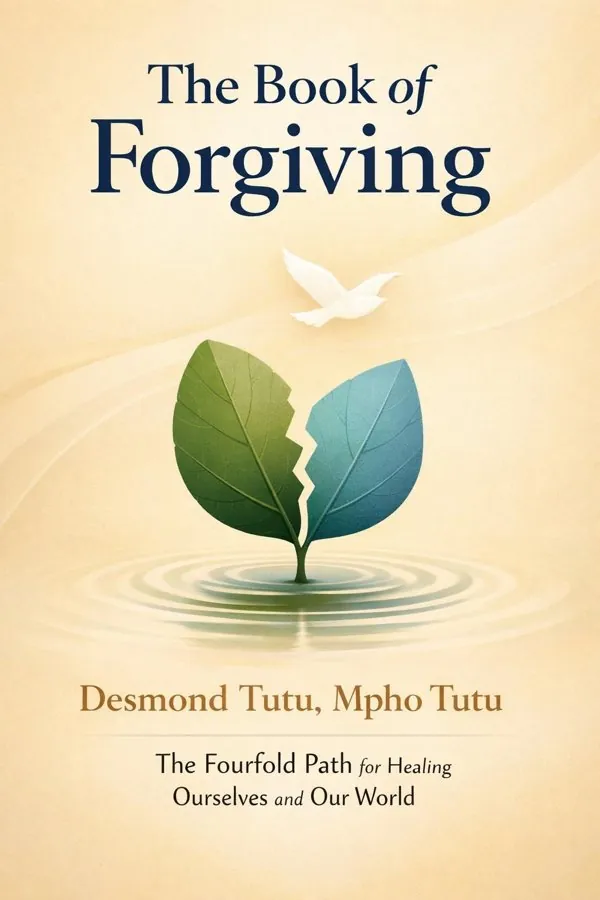
The Book of Forgiving: The Fourfold Path for Healing Ourselves and Our World: Summary & Key Insights
 10 min11 chaptersAudio available
What Is The Book of Forgiving: The Fourfold Path for Healing Ourselves and Our World About?
The Book of Forgiving: The Fourfold Path for Healing Ourselves and Our World by Desmond Tutu, Mpho Tutu is a positive_psych book spanning 11 pages. The Book of Forgiving offers a practical and spiritual guide to forgiveness, written by Archbishop Desmond Tutu and his daughter Mpho Tutu. Drawing from their experiences in South Africa’s Truth and Reconciliation Commission, they present a fourfold path to healing: telling the story, naming the hurt, granting forgiveness, and renewing or releasing the relationship. The book combines personal reflections, exercises, and meditations to help readers find peace and reconciliation in their own lives.
This FizzRead summary covers all 11 key chapters of The Book of Forgiving: The Fourfold Path for Healing Ourselves and Our World in approximately 10 minutes, distilling the most important ideas, arguments, and takeaways from Desmond Tutu, Mpho Tutu's work. Also available as an audio summary and Key Quotes Podcast.
The Book of Forgiving: The Fourfold Path for Healing Ourselves and Our World
The Book of Forgiving offers a practical and spiritual guide to forgiveness, written by Archbishop Desmond Tutu and his daughter Mpho Tutu. Drawing from their experiences in South Africa’s Truth and Reconciliation Commission, they present a fourfold path to healing: telling the story, naming the hurt, granting forgiveness, and renewing or releasing the relationship. The book combines personal reflections, exercises, and meditations to help readers find peace and reconciliation in their own lives.
Who Should Read The Book of Forgiving: The Fourfold Path for Healing Ourselves and Our World?
This book is perfect for anyone interested in positive_psych and looking to gain actionable insights in a short read. Whether you're a student, professional, or lifelong learner, the key ideas from The Book of Forgiving: The Fourfold Path for Healing Ourselves and Our World by Desmond Tutu, Mpho Tutu will help you think differently.
- ✓Readers who enjoy positive_psych and want practical takeaways
- ✓Professionals looking to apply new ideas to their work and life
- ✓Anyone who wants the core insights of The Book of Forgiving: The Fourfold Path for Healing Ourselves and Our World in just 10 minutes
Want the full summary?
Get instant access to this book summary and 100K+ more with Fizz Moment.
Get Free SummaryAvailable on App Store • Free to download
Key Chapters
Before embarking on the journey, we must first understand what forgiveness truly is. People often misconstrue forgiveness as forgetting what happened or pretending that no wrong occurred. It is neither amnesia nor blind acceptance. To forgive is not to deny the hurt or erase accountability; rather, it is to face the truth squarely and refuse to be ruled by it. Forgiveness, in our understanding, restores humanity to both victim and perpetrator. It liberates us from the cycle of reprisal and restores the possibility of wholeness.
We also emphasize what forgiveness is not—it is not weak, and it is not a sign of defeat. Many think forgiveness means surrendering justice, that by forgiving one becomes complicit in wrong. Yet forgiveness and justice are companions. The process of honest reconciliation begins only when truth is told and responsibility acknowledged. Through forgiveness, we enlarge our compassion; we move from being defined by our wounds to being defined by our capacity to heal.
Mpho and I often remind readers: forgiveness is a choice. It is not a spontaneous emotion but an intentional act of will. You can choose to forgive long before your heart feels ready, and the heart will follow where your intention leads. And yet, we must do so gently. To rush forgiveness is to silence the truth. That is why our Fourfold Path begins with the work of telling and naming—steps that honor the full reality of what has happened before moving toward release.
We live in a world that knows how to punish but has forgotten how to heal. When we cling to resentment, we think we are holding power, but in reality it holds us. Unforgiveness festers; it becomes a toxin that spreads into every aspect of life. It twists our perception and hardens us against love. I have seen nations consumed by anger and communities broken by vengeance. And I have seen the miracle of forgiveness: people who, after suffering unimaginable wrongs, regained their dignity through letting go.
Forgiveness is not for the one who harmed us—it is for ourselves. It frees us from the prison of the past. Anger is like swallowing poison and expecting the other to die. Through forgiveness, we rejoin the flow of life, reconnect with joy, and rediscover trust. Spiritually, forgiveness returns us to God’s vision of us as whole, beloved, and free.
Consider this: when we forgive, we affirm that the wrong done to us does not have the final word. We claim our agency; we say, “This hurt will not define my life.” That is why we insist that forgiveness is essential—not optional—for healing ourselves and our world.
+ 9 more chapters — available in the FizzRead app
All Chapters in The Book of Forgiving: The Fourfold Path for Healing Ourselves and Our World
About the Authors
Desmond Tutu was a South African Anglican bishop and social rights activist, known for his work as chair of the Truth and Reconciliation Commission and his advocacy for peace and justice. Mpho Tutu is an ordained Episcopal priest, author, and founder of the Tutu Institute for Prayer and Pilgrimage. Together, they have written on themes of forgiveness, healing, and spiritual growth.
Get This Summary in Your Preferred Format
Read or listen to the The Book of Forgiving: The Fourfold Path for Healing Ourselves and Our World summary by Desmond Tutu, Mpho Tutu anytime, anywhere. FizzRead offers multiple formats so you can learn on your terms — all free.
Available formats: App · Audio · PDF · EPUB — All included free with FizzRead
Download The Book of Forgiving: The Fourfold Path for Healing Ourselves and Our World PDF and EPUB Summary
Key Quotes from The Book of Forgiving: The Fourfold Path for Healing Ourselves and Our World
“Before embarking on the journey, we must first understand what forgiveness truly is.”
“We live in a world that knows how to punish but has forgotten how to heal.”
Frequently Asked Questions about The Book of Forgiving: The Fourfold Path for Healing Ourselves and Our World
The Book of Forgiving: The Fourfold Path for Healing Ourselves and Our World by Desmond Tutu, Mpho Tutu is a positive_psych book that explores key ideas across 11 chapters. The Book of Forgiving offers a practical and spiritual guide to forgiveness, written by Archbishop Desmond Tutu and his daughter Mpho Tutu. Drawing from their experiences in South Africa’s Truth and Reconciliation Commission, they present a fourfold path to healing: telling the story, naming the hurt, granting forgiveness, and renewing or releasing the relationship. The book combines personal reflections, exercises, and meditations to help readers find peace and reconciliation in their own lives.
You Might Also Like
Don't Sweat the Small Stuff... and It's All Small Stuff
Richard Carlson
10 min
Option B
Sheryl Sandberg & Adam Grant
10 min
Hallelujah Anyway: Rediscovering Mercy
Anne Lamott
10 min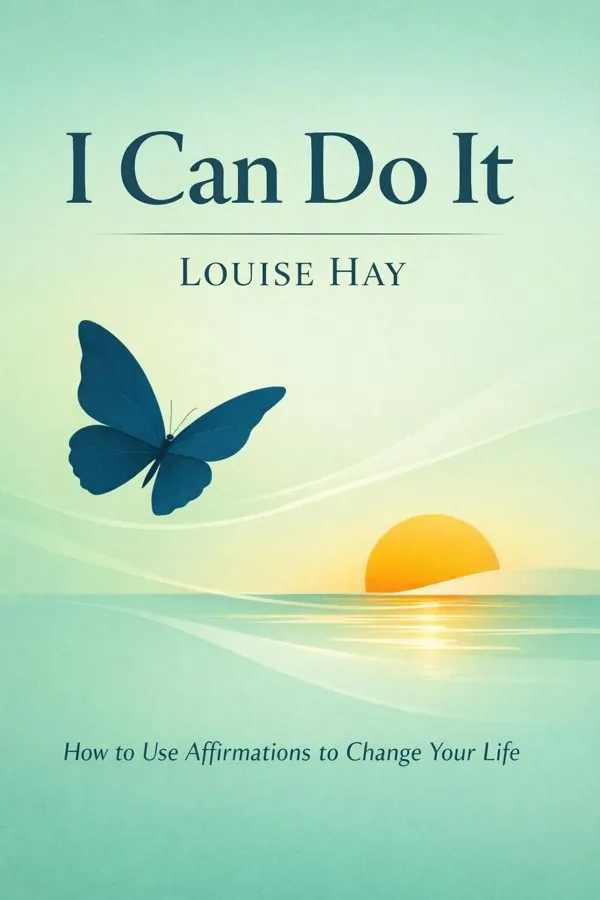
I Can Do It: How to Use Affirmations to Change Your Life
Louise Hay
10 min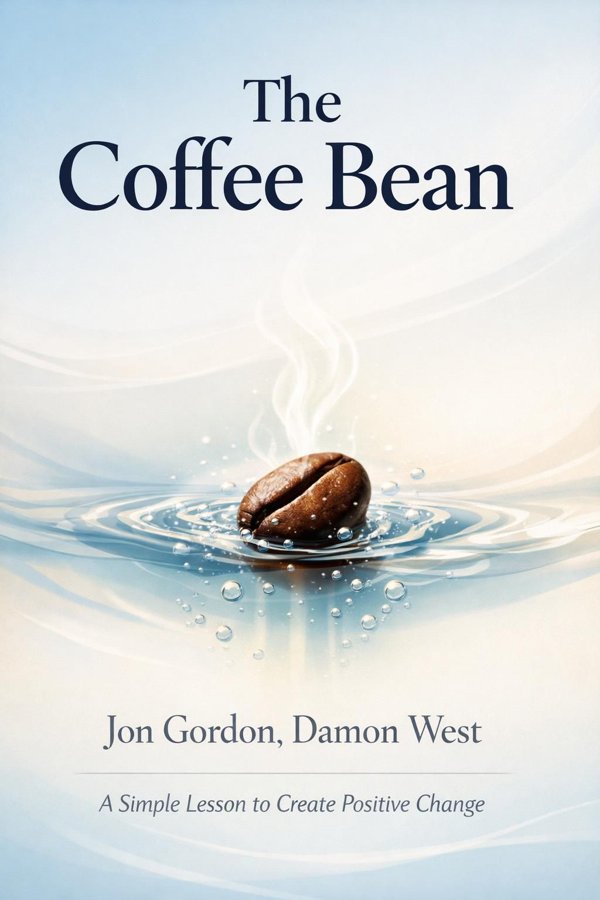
The Coffee Bean: A Simple Lesson to Create Positive Change
Jon Gordon, Damon West
10 min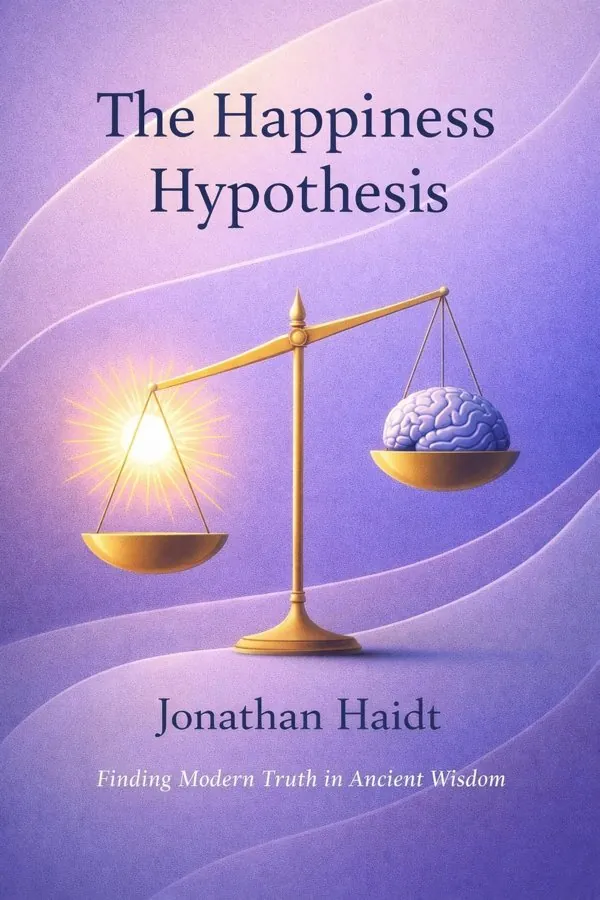
The Happiness Hypothesis: Finding Modern Truth in Ancient Wisdom
Jonathan Haidt
10 minBrowse by Category
Ready to read The Book of Forgiving: The Fourfold Path for Healing Ourselves and Our World?
Get the full summary and 100K+ more books with Fizz Moment.