
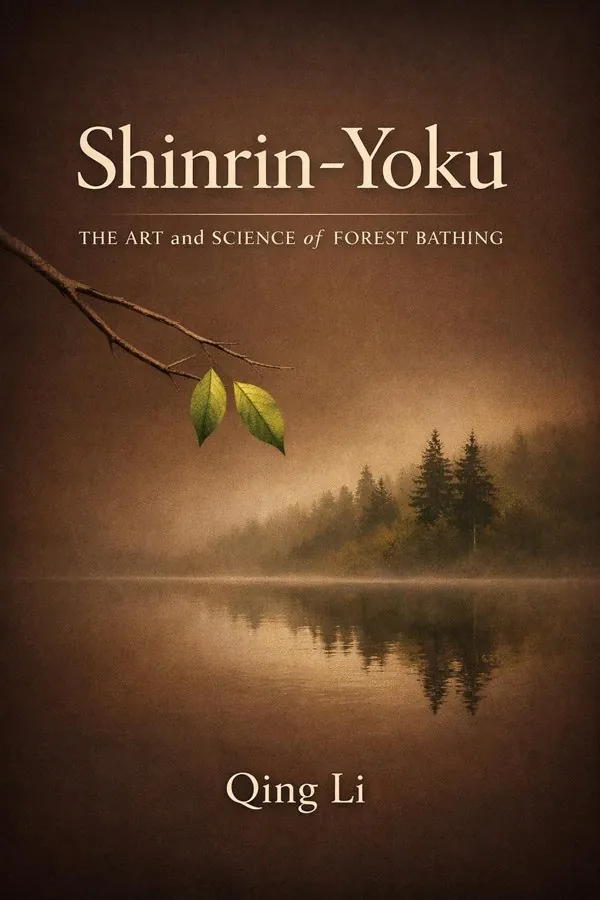
Shinrin-Yoku: The Art and Science of Forest Bathing: Summary & Key Insights
by Qing Li
 10 min5 chaptersAudio available
What Is Shinrin-Yoku: The Art and Science of Forest Bathing About?
Shinrin-Yoku: The Art and Science of Forest Bathing by Qing Li is a wellness book spanning 5 pages. Shinrin-Yoku: The Art and Science of Forest Bathing introduces readers to the Japanese practice of forest bathing, a therapeutic method of immersing oneself in nature to improve physical and mental well-being. Dr. Qing Li, a leading expert in forest medicine, explores the scientific evidence behind the health benefits of spending time among trees, including stress reduction, immune system enhancement, and emotional balance. The book offers practical guidance on how to incorporate forest bathing into daily life, encouraging a deeper connection with the natural world.
This FizzRead summary covers all 5 key chapters of Shinrin-Yoku: The Art and Science of Forest Bathing in approximately 10 minutes, distilling the most important ideas, arguments, and takeaways from Qing Li's work. Also available as an audio summary and Key Quotes Podcast.
Shinrin-Yoku: The Art and Science of Forest Bathing
Shinrin-Yoku: The Art and Science of Forest Bathing introduces readers to the Japanese practice of forest bathing, a therapeutic method of immersing oneself in nature to improve physical and mental well-being. Dr. Qing Li, a leading expert in forest medicine, explores the scientific evidence behind the health benefits of spending time among trees, including stress reduction, immune system enhancement, and emotional balance. The book offers practical guidance on how to incorporate forest bathing into daily life, encouraging a deeper connection with the natural world.
Who Should Read Shinrin-Yoku: The Art and Science of Forest Bathing?
This book is perfect for anyone interested in wellness and looking to gain actionable insights in a short read. Whether you're a student, professional, or lifelong learner, the key ideas from Shinrin-Yoku: The Art and Science of Forest Bathing by Qing Li will help you think differently.
- ✓Readers who enjoy wellness and want practical takeaways
- ✓Professionals looking to apply new ideas to their work and life
- ✓Anyone who wants the core insights of Shinrin-Yoku: The Art and Science of Forest Bathing in just 10 minutes
Want the full summary?
Get instant access to this book summary and 100K+ more with Fizz Moment.
Get Free SummaryAvailable on App Store • Free to download
Key Chapters
The term shinrin-yoku was coined in Japan in 1982 by the Forestry Agency as a response to rising stress and burnout among city dwellers. The Japanese government created official forest bathing trails and funded studies to determine what actually happens to the human body in the forest. As a physician, I was fascinated. Could a simple walk among trees act as medicine? We measured heart rates, blood pressure, and levels of stress hormones such as cortisol before and after participants took forest walks. Again and again, the data told the same story: spending time in the forest reduces the body’s stress response, slows the pulse, and enhances relaxation.
But the effects ran deeper than physiology. We discovered that immune function improved after even a few hours among trees. The explanation lies in phytoncides—volatile compounds released by trees to protect themselves from insects and disease. When we inhale these natural oils, our bodies respond with increased activity of natural killer (NK) cells, which destroy virus-infected cells and cancer cells. These effects last for days, sometimes even weeks. It is, quite literally, a natural form of immunotherapy created by the Earth itself. The forest, we now know, doesn’t just calm us; it strengthens us.
Forest medicine has since grown into a formal field of research, integrating environmental science, psychology, and immunology. Through this interdisciplinary lens, we are beginning to understand that our health is inseparable from the health of the natural environment. The air we breathe, the microbes we exchange, and the rhythms we live by are shared systems linking humans and forests in a subtle but vital equilibrium.
If you stand quietly among trees, you might sense them breathing. This is not poetic fancy. Trees release microscopic chemical messengers, and these invisible aerosols are the forest’s voice to us. Phytoncides are at the center of forest medicine. When we breathe them in, they trigger changes in our nervous system—slowing the sympathetic “fight or flight” response and activating the parasympathetic “rest and recover” mode. That shift is measurable in lower cortisol levels and greater feelings of ease.
One of the first long-term studies I conducted measured NK cell counts in participants before and after forest trips. Three days of immersion led to dramatic increases, and the elevated immune response persisted for more than a week. It was clear: the forest affects our biochemistry in lasting ways. Beyond the cellular level, there is emotional transformation. Surrounded by the quiet dignity of trees, people report a sense of belonging and tranquility. The forest’s message is one of stability, patience, and continuity—qualities our hurried modern lives too often lack.
In Japan, we have designated over sixty official forest therapy bases, each carefully studied for air quality, species diversity, and accessibility. Walks are not hurried hikes but slow wanderings through carefully chosen groves. The goal is not exercise but presence: to hear birds, to touch bark, to notice the dance of shadow and sun. The simple act of attentively being in nature is a kind of emotional reset, a reminder that we are not separate from the living world but part of it.
+ 3 more chapters — available in the FizzRead app
All Chapters in Shinrin-Yoku: The Art and Science of Forest Bathing
About the Author
Get This Summary in Your Preferred Format
Read or listen to the Shinrin-Yoku: The Art and Science of Forest Bathing summary by Qing Li anytime, anywhere. FizzRead offers multiple formats so you can learn on your terms — all free.
Available formats: App · Audio · PDF · EPUB — All included free with FizzRead
Download Shinrin-Yoku: The Art and Science of Forest Bathing PDF and EPUB Summary
Key Quotes from Shinrin-Yoku: The Art and Science of Forest Bathing
“The term shinrin-yoku was coined in Japan in 1982 by the Forestry Agency as a response to rising stress and burnout among city dwellers.”
“If you stand quietly among trees, you might sense them breathing.”
Frequently Asked Questions about Shinrin-Yoku: The Art and Science of Forest Bathing
Shinrin-Yoku: The Art and Science of Forest Bathing by Qing Li is a wellness book that explores key ideas across 5 chapters. Shinrin-Yoku: The Art and Science of Forest Bathing introduces readers to the Japanese practice of forest bathing, a therapeutic method of immersing oneself in nature to improve physical and mental well-being. Dr. Qing Li, a leading expert in forest medicine, explores the scientific evidence behind the health benefits of spending time among trees, including stress reduction, immune system enhancement, and emotional balance. The book offers practical guidance on how to incorporate forest bathing into daily life, encouraging a deeper connection with the natural world.
More by Qing Li
You Might Also Like

How We Heal: Uncover Your Power and Set Yourself Free
Alexandra Elle
10 min
A Year of Self-Care: Daily Practices and Inspiration for Caring for Yourself
Zoe Shaw
10 min
Biohacker’s Handbook: Upgrade Your Life
Olli Sovijärvi, Teemu Arina, Jaakko Halmetoja
10 min
Bliss More: How to Succeed in Meditation Without Really Trying
Light Watkins
10 min
Body Kindness: Transform Your Health from the Inside Out—and Never Say Diet Again
Rebecca Scritchfield
10 min
Cook, Eat, Run: Cook Fast, Boost Performance with 75 Ultimate Recipes for Runners
Charlie Watson
10 minBrowse by Category
Ready to read Shinrin-Yoku: The Art and Science of Forest Bathing?
Get the full summary and 100K+ more books with Fizz Moment.