

Self-Reliance: Summary & Key Insights
 10 min9 chaptersAudio available
What Is Self-Reliance About?
Self-Reliance by Ralph Waldo Emerson is a western_phil book spanning 9 pages. “Self-Reliance” es un ensayo escrito por Ralph Waldo Emerson en 1841 que defiende la independencia intelectual y espiritual del individuo. Emerson exhorta a confiar en la propia intuición y juicio, rechazando la conformidad social y la dependencia de la aprobación externa. Este texto se considera una de las piezas fundamentales del trascendentalismo estadounidense, promoviendo la autosuficiencia, la autenticidad y la libertad personal como pilares de la vida moral y creativa.
This FizzRead summary covers all 9 key chapters of Self-Reliance in approximately 10 minutes, distilling the most important ideas, arguments, and takeaways from Ralph Waldo Emerson's work. Also available as an audio summary and Key Quotes Podcast.
Self-Reliance
“Self-Reliance” es un ensayo escrito por Ralph Waldo Emerson en 1841 que defiende la independencia intelectual y espiritual del individuo. Emerson exhorta a confiar en la propia intuición y juicio, rechazando la conformidad social y la dependencia de la aprobación externa. Este texto se considera una de las piezas fundamentales del trascendentalismo estadounidense, promoviendo la autosuficiencia, la autenticidad y la libertad personal como pilares de la vida moral y creativa.
Who Should Read Self-Reliance?
This book is perfect for anyone interested in western_phil and looking to gain actionable insights in a short read. Whether you're a student, professional, or lifelong learner, the key ideas from Self-Reliance by Ralph Waldo Emerson will help you think differently.
- ✓Readers who enjoy western_phil and want practical takeaways
- ✓Professionals looking to apply new ideas to their work and life
- ✓Anyone who wants the core insights of Self-Reliance in just 10 minutes
Want the full summary?
Get instant access to this book summary and 100K+ more with Fizz Moment.
Get Free SummaryAvailable on App Store • Free to download
Key Chapters
The genesis of self-reliance lies in the recognition that intuition is sacred. Each person possesses a unique and divine wisdom, not borrowed from teachers or inherited from society, but granted directly from the universal spirit. When I say ‘trust thyself,’ I call you to revere your own thought as revelation. The convictions that rise in your quiet moments are not accidents—they are oracles.
Many dread their own minds, preferring the safety of consensus over the solitude of conviction. Yet every great thinker, artist, and saint has stood foremost by trusting themselves when no other voice approved. This confidence is not vanity; it is moral responsibility. The divine within you does not speak through fear or imitation. It speaks in clear tones, urging you toward truth, even when truth costs you acceptance.
Self-trust liberates you from dependence on external validation. When you recognize that your intuition mirrors the universal order, you cease begging the world for permission to exist. The courage to say, “I think; therefore it is true,” becomes an act of spiritual affirmation. In that moment, your mind ceases to be a follower; it becomes an origin—a center of creative force harmonized with the infinite.
No tyranny is more subtle than social conformity. Society praises independence in word but punishes it in deed. It demands uniformity in thought and conduct, deceiving individuals into mistaking peace for obedience. In this complacency, the spirit shrivels. The multitude would have you trade originality for approval, vigor for politeness. But I tell you, the cost is too dear: each compromise dissolves a piece of the soul.
I have watched men tremble to speak their own conviction because it offended custom. Yet what is custom but the fossilized wisdom of yesterday? When we measure our conscience against convention, we place the living under the authority of the dead. True morality is not inherited—it is discovered anew within each act of sincerity.
To resist conformity is not selfishness; it is courage. Even in art and science, progress arises only from those who dare to contradict. Every reformer, every inventor, has borne the ridicule of contemporaries until truth vindicated them. The chains of conformity are invisible, but the mind that shatters them lives freely, answering only to truth.
+ 7 more chapters — available in the FizzRead app
All Chapters in Self-Reliance
About the Author
Ralph Waldo Emerson (1803–1882) fue un ensayista, filósofo y poeta estadounidense, líder del movimiento trascendentalista. Sus obras exploran temas como la naturaleza, la individualidad y la espiritualidad. Emerson influyó profundamente en la literatura y el pensamiento estadounidense, inspirando a generaciones de escritores y pensadores como Henry David Thoreau y Walt Whitman.
Get This Summary in Your Preferred Format
Read or listen to the Self-Reliance summary by Ralph Waldo Emerson anytime, anywhere. FizzRead offers multiple formats so you can learn on your terms — all free.
Available formats: App · Audio · PDF · EPUB — All included free with FizzRead
Download Self-Reliance PDF and EPUB Summary
Key Quotes from Self-Reliance
“The genesis of self-reliance lies in the recognition that intuition is sacred.”
“No tyranny is more subtle than social conformity.”
Frequently Asked Questions about Self-Reliance
Self-Reliance by Ralph Waldo Emerson is a western_phil book that explores key ideas across 9 chapters. “Self-Reliance” es un ensayo escrito por Ralph Waldo Emerson en 1841 que defiende la independencia intelectual y espiritual del individuo. Emerson exhorta a confiar en la propia intuición y juicio, rechazando la conformidad social y la dependencia de la aprobación externa. Este texto se considera una de las piezas fundamentales del trascendentalismo estadounidense, promoviendo la autosuficiencia, la autenticidad y la libertad personal como pilares de la vida moral y creativa.
More by Ralph Waldo Emerson

You Might Also Like
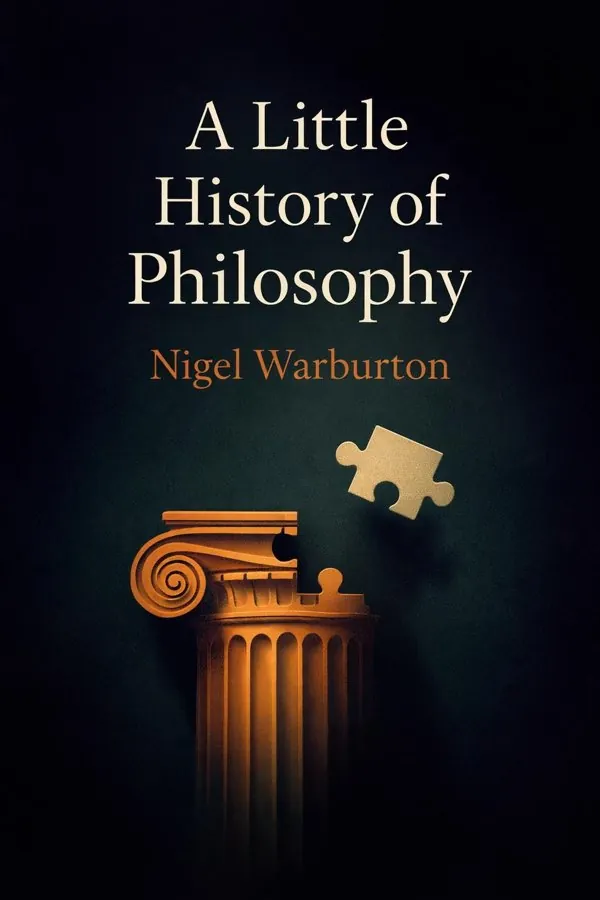
A Little History of Philosophy
Nigel Warburton
10 min
Areopagitica
John Milton
10 min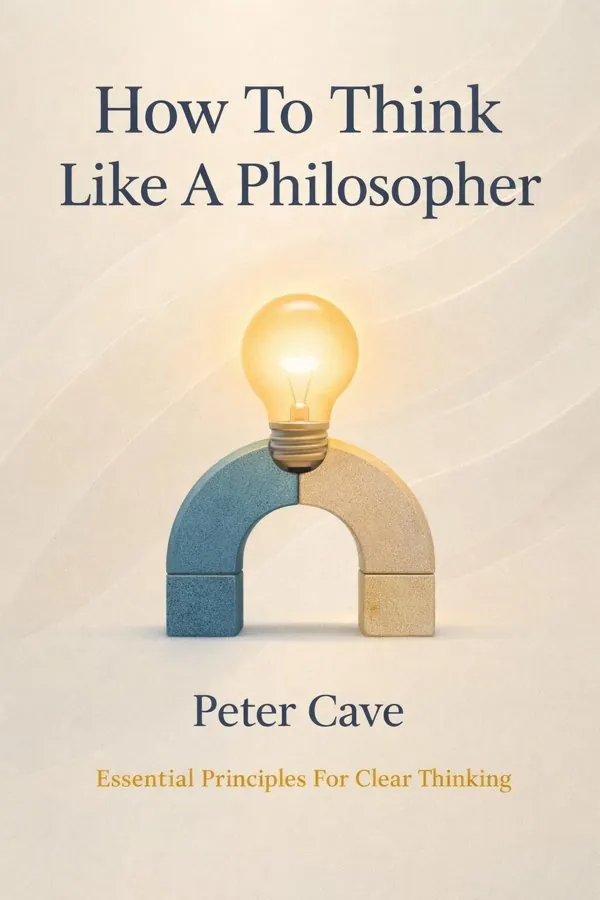
How To Think Like A Philosopher: Essential Principles For Clear Thinking
Peter Cave
10 min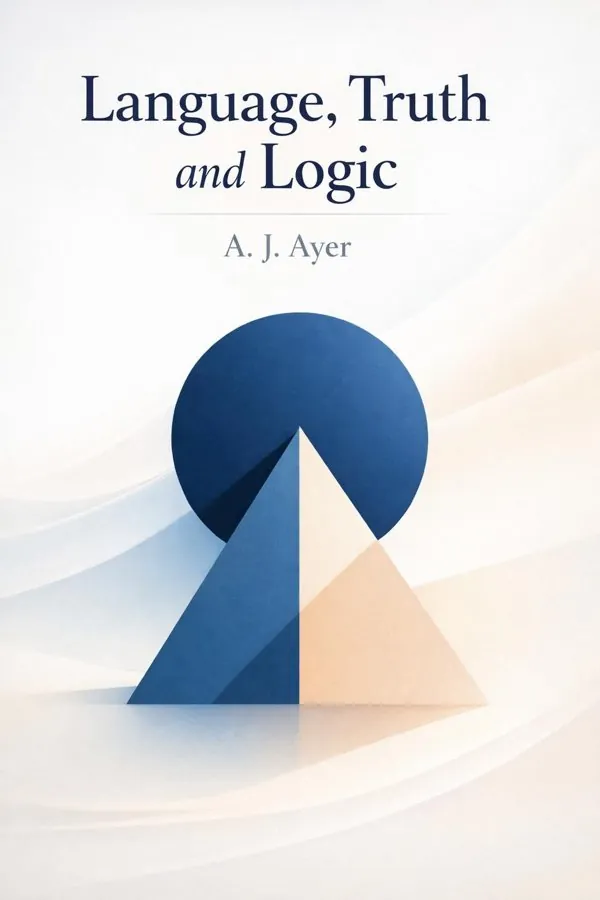
Language, Truth and Logic
A. J. Ayer
10 min
The Age of Reason
Thomas Paine
10 min
The Essays
Michel De Montaigne
10 minBrowse by Category
Ready to read Self-Reliance?
Get the full summary and 100K+ more books with Fizz Moment.