

Powerful Phrases for Dealing with Difficult People: Over 325 Ready-to-Use Words and Phrases for Working with Challenging Personalities: Summary & Key Insights
 10 min6 chaptersAudio available
What Is Powerful Phrases for Dealing with Difficult People: Over 325 Ready-to-Use Words and Phrases for Working with Challenging Personalities About?
Powerful Phrases for Dealing with Difficult People: Over 325 Ready-to-Use Words and Phrases for Working with Challenging Personalities by Renée Evenson is a communication book spanning 6 pages. This practical guide provides more than 325 ready-to-use phrases and communication strategies to help professionals handle difficult people in the workplace. It offers advice on managing conflict, improving relationships, and maintaining professionalism when dealing with challenging personalities such as complainers, bullies, and know-it-alls.
This FizzRead summary covers all 6 key chapters of Powerful Phrases for Dealing with Difficult People: Over 325 Ready-to-Use Words and Phrases for Working with Challenging Personalities in approximately 10 minutes, distilling the most important ideas, arguments, and takeaways from Renée Evenson's work. Also available as an audio summary and Key Quotes Podcast.
Powerful Phrases for Dealing with Difficult People: Over 325 Ready-to-Use Words and Phrases for Working with Challenging Personalities
This practical guide provides more than 325 ready-to-use phrases and communication strategies to help professionals handle difficult people in the workplace. It offers advice on managing conflict, improving relationships, and maintaining professionalism when dealing with challenging personalities such as complainers, bullies, and know-it-alls.
Who Should Read Powerful Phrases for Dealing with Difficult People: Over 325 Ready-to-Use Words and Phrases for Working with Challenging Personalities?
This book is perfect for anyone interested in communication and looking to gain actionable insights in a short read. Whether you're a student, professional, or lifelong learner, the key ideas from Powerful Phrases for Dealing with Difficult People: Over 325 Ready-to-Use Words and Phrases for Working with Challenging Personalities by Renée Evenson will help you think differently.
- ✓Readers who enjoy communication and want practical takeaways
- ✓Professionals looking to apply new ideas to their work and life
- ✓Anyone who wants the core insights of Powerful Phrases for Dealing with Difficult People: Over 325 Ready-to-Use Words and Phrases for Working with Challenging Personalities in just 10 minutes
Want the full summary?
Get instant access to this book summary and 100K+ more with Fizz Moment.
Get Free SummaryAvailable on App Store • Free to download
Key Chapters
To manage difficult people, the first step is to understand them. Most challenging behavior stems from unmet needs, hidden fears, or lack of emotional self-awareness. The constant complainer seeks validation. The bully craves control. The know-it-all fears vulnerability. The passive-aggressive individual struggles with direct confrontation. When you can see beyond the surface behavior into the underlying emotion, your perspective changes. You stop taking their words personally and instead start managing the interaction strategically.
During my corporate career, I learned that categorizing these personalities helps disarm frustration. A complaining employee, for instance, may seem toxic but is often seeking acknowledgment. When you respond with phrases like, “I can see this situation has been frustrating for you; let’s look at what we can do,” you both validate their feelings and redirect their focus toward solutions. This balance—empathy followed by guidance—transforms tension into productive dialogue.
The bully, on the other hand, requires a calm yet assertive approach. Matching aggression with aggression escalates the problem, but passive retreat invites more dominance. The key is firm, composed language: “I want to hear your point of view, but I need you to speak respectfully so we can communicate effectively.” That shifts the dynamic from confrontation to boundary-setting. With know-it-alls, respectful acknowledgment works best. Show appreciation for their input, then anchor the conversation around shared goals: “You bring a lot of experience to this area. Let’s combine your insights with what we’ve discovered from other sources.” Each personality type demands different phrasing, but the principle remains consistent: show understanding first, then guide the behavior back toward collaboration.
All effective communication starts inside—with emotional intelligence. It’s not about memorizing the right words, but developing self-awareness and empathy that allow those words to come naturally. When confronted with a difficult person, your first emotional reaction can define the entire conversation. Do you let their negativity drag you down, or do you anchor yourself emotionally and choose a calm, solution-oriented response?
Self-awareness means recognizing your triggers. If a certain tone or manner always provokes irritation, knowing that response pattern is your first line of defense. It allows you to pause before reacting. Empathy means stepping momentarily into the other person’s experience. When a co-worker lashes out, empathy doesn’t mean condoning the behavior—it means understanding their frustration. Emotional control bridges self-awareness and empathy: it helps you monitor your own impulses and preserve composure even when the other person loses theirs.
In countless coaching sessions, I found that emotional intelligence transforms workplace relationships faster than any linguistic trick. When you remain calm under pressure, people notice. They listen differently. They feel seen and understood rather than judged or dismissed. That emotional steadiness turns the most volatile exchanges into trust-building opportunities. The more you cultivate it, the more you realize that difficult people aren’t obstacles—they are mirrors that reveal where your own communication can grow.
+ 4 more chapters — available in the FizzRead app
All Chapters in Powerful Phrases for Dealing with Difficult People: Over 325 Ready-to-Use Words and Phrases for Working with Challenging Personalities
About the Author
Renée Evenson is a business communication expert and former corporate manager with over 30 years of experience in customer service and workplace relations. She has authored several books on communication, conflict resolution, and leadership.
Get This Summary in Your Preferred Format
Read or listen to the Powerful Phrases for Dealing with Difficult People: Over 325 Ready-to-Use Words and Phrases for Working with Challenging Personalities summary by Renée Evenson anytime, anywhere. FizzRead offers multiple formats so you can learn on your terms — all free.
Available formats: App · Audio · PDF · EPUB — All included free with FizzRead
Download Powerful Phrases for Dealing with Difficult People: Over 325 Ready-to-Use Words and Phrases for Working with Challenging Personalities PDF and EPUB Summary
Key Quotes from Powerful Phrases for Dealing with Difficult People: Over 325 Ready-to-Use Words and Phrases for Working with Challenging Personalities
“To manage difficult people, the first step is to understand them.”
“All effective communication starts inside—with emotional intelligence.”
Frequently Asked Questions about Powerful Phrases for Dealing with Difficult People: Over 325 Ready-to-Use Words and Phrases for Working with Challenging Personalities
Powerful Phrases for Dealing with Difficult People: Over 325 Ready-to-Use Words and Phrases for Working with Challenging Personalities by Renée Evenson is a communication book that explores key ideas across 6 chapters. This practical guide provides more than 325 ready-to-use phrases and communication strategies to help professionals handle difficult people in the workplace. It offers advice on managing conflict, improving relationships, and maintaining professionalism when dealing with challenging personalities such as complainers, bullies, and know-it-alls.
You Might Also Like

Magic Words: The Science and Secrets Behind Seven Words That Motivate, Engage, and Influence
Tim David
10 min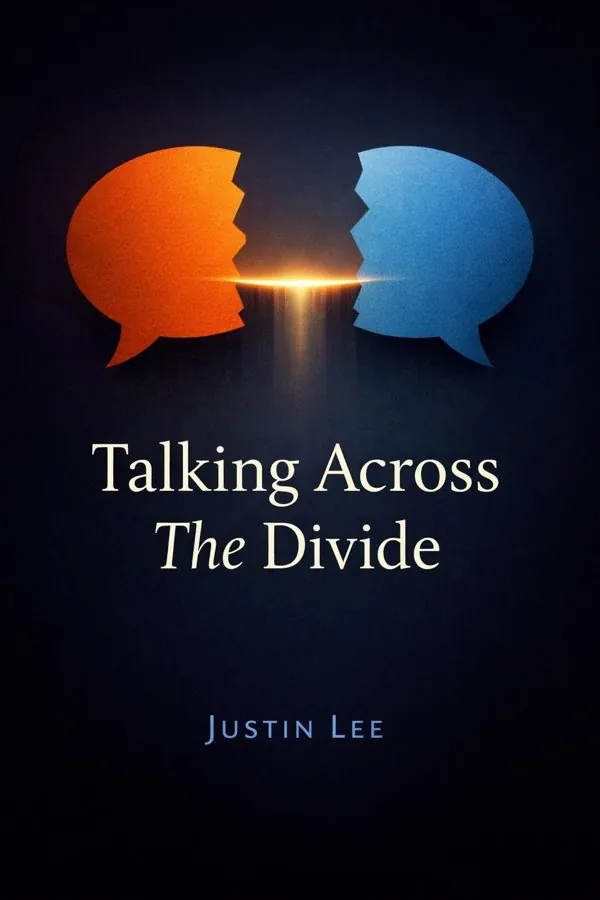
Talking Across The Divide: How to Communicate with People You Disagree with and Maybe Even Change the World
Justin Lee
10 min
The Exceptional Presenter: A Proven Formula to Open Up! and Own the Room
Timothy J. Koegel
10 min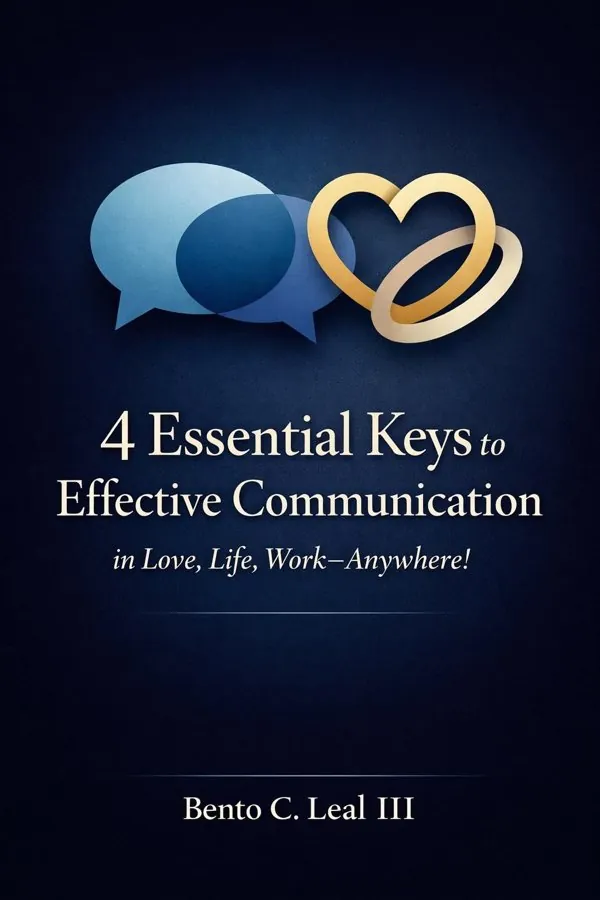
4 Essential Keys to Effective Communication in Love, Life, Work--Anywhere!: Including the 12-Day Communication Challenge!
Bento C. Leal III
10 min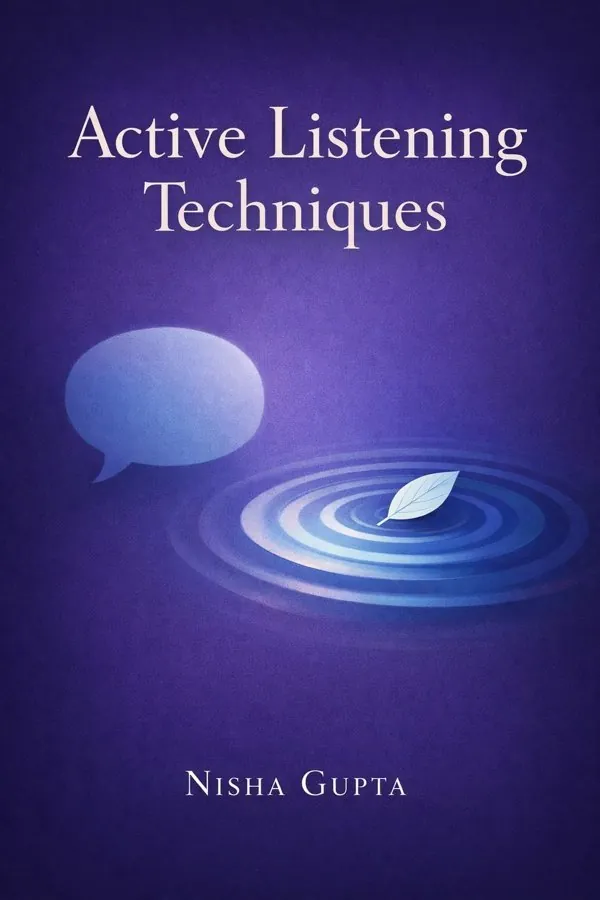
Active Listening Techniques: 30 Practical Tools to Hone Your Communication Skills
Nisha Gupta
10 min
Bargaining for Advantage: Negotiation Strategies for Reasonable People
G. Richard Shell
10 minBrowse by Category
Ready to read Powerful Phrases for Dealing with Difficult People: Over 325 Ready-to-Use Words and Phrases for Working with Challenging Personalities?
Get the full summary and 100K+ more books with Fizz Moment.