
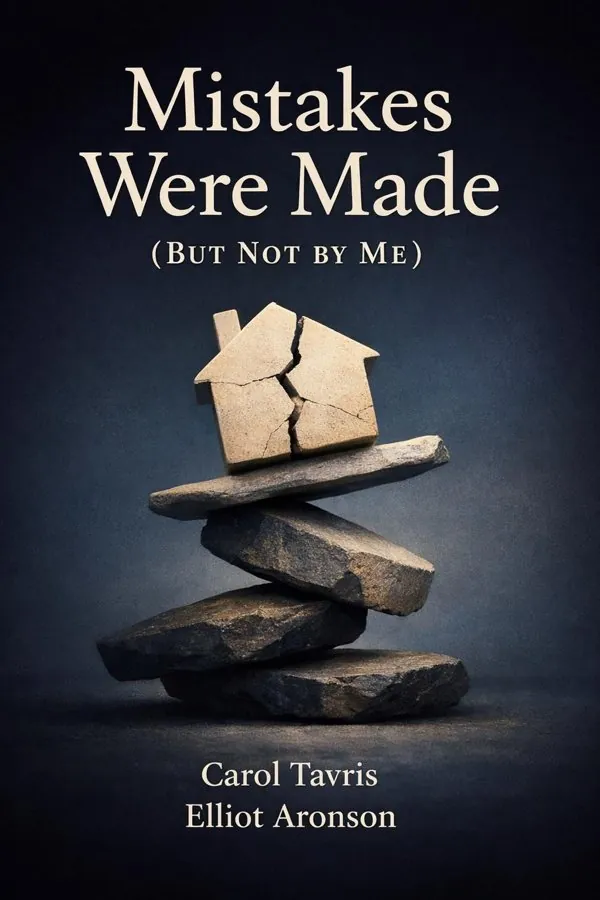
Mistakes Were Made (But Not by Me): Why We Justify Foolish Beliefs, Bad Decisions, and Hurtful Acts: Summary & Key Insights
by Carol Tavris, Elliot Aronson
 10 min10 chaptersAudio available
What Is Mistakes Were Made (But Not by Me): Why We Justify Foolish Beliefs, Bad Decisions, and Hurtful Acts About?
Mistakes Were Made (But Not by Me): Why We Justify Foolish Beliefs, Bad Decisions, and Hurtful Acts by Carol Tavris, Elliot Aronson is a psychology book spanning 10 pages. This book explores the psychological mechanisms of cognitive dissonance and self-justification, explaining why people rationalize mistakes, cling to false beliefs, and resist admitting wrongdoing. Drawing on decades of social psychology research, Tavris and Aronson reveal how these processes shape personal relationships, politics, and society, and how awareness of them can lead to greater honesty and growth.
This FizzRead summary covers all 10 key chapters of Mistakes Were Made (But Not by Me): Why We Justify Foolish Beliefs, Bad Decisions, and Hurtful Acts in approximately 10 minutes, distilling the most important ideas, arguments, and takeaways from Carol Tavris, Elliot Aronson's work. Also available as an audio summary and Key Quotes Podcast.
Mistakes Were Made (But Not by Me): Why We Justify Foolish Beliefs, Bad Decisions, and Hurtful Acts
This book explores the psychological mechanisms of cognitive dissonance and self-justification, explaining why people rationalize mistakes, cling to false beliefs, and resist admitting wrongdoing. Drawing on decades of social psychology research, Tavris and Aronson reveal how these processes shape personal relationships, politics, and society, and how awareness of them can lead to greater honesty and growth.
Who Should Read Mistakes Were Made (But Not by Me): Why We Justify Foolish Beliefs, Bad Decisions, and Hurtful Acts?
This book is perfect for anyone interested in psychology and looking to gain actionable insights in a short read. Whether you're a student, professional, or lifelong learner, the key ideas from Mistakes Were Made (But Not by Me): Why We Justify Foolish Beliefs, Bad Decisions, and Hurtful Acts by Carol Tavris, Elliot Aronson will help you think differently.
- ✓Readers who enjoy psychology and want practical takeaways
- ✓Professionals looking to apply new ideas to their work and life
- ✓Anyone who wants the core insights of Mistakes Were Made (But Not by Me): Why We Justify Foolish Beliefs, Bad Decisions, and Hurtful Acts in just 10 minutes
Want the full summary?
Get instant access to this book summary and 100K+ more with Fizz Moment.
Get Free SummaryAvailable on App Store • Free to download
Key Chapters
Cognitive dissonance begins with conflict—the mental tension of holding contradictory beliefs or behaving against our values. When Leon Festinger first studied this phenomenon in the 1950s, he discovered that people would go to extraordinary lengths to justify beliefs proven false. Elliot and I begin by showing that this drive for consistency is not a flaw but a fundamental feature of how the human mind maintains self-coherence. We want to believe we are sensible, moral, and intelligent; any evidence to the contrary threatens that image. To reduce the dissonance, we adjust the facts.
Imagine a smoker who knows cigarettes cause cancer yet continues to smoke. “Sure, smoking is bad,” he says, “but my grandmother lived to ninety.” The smoker isn’t deceiving others—he’s soothing a painful contradiction within himself. Self-justification operates like an emotional thermostat, restoring mental balance even if it falsifies reality. In this first section, we explain how dissonance drives countless everyday decisions—from small justifications after minor mistakes to grand rationalizations that sustain systemic injustice.
We reveal how self-justification shapes character. People don’t set out to be corrupt or cruel; rather, they start by defending one small inconsistency, and then another, until gradually their moral compass has shifted. Recognizing this mechanism is the first step to reclaiming agency. When you grasp that self-justification isn’t just defense but an active rewriting of reality, you begin to see how profoundly it influences memory, identity, and belief.
Memory, we argue, is not a recording device but a storytelling process. When people look back, their recollections are subtly edited to fit the narrative that sustains their self-image. You forget the insult you gave, but remember vividly the one you received; you exaggerate your foresight in success and minimize responsibility in failure. Neuroscience confirms this selective reconstruction: each time we recall an event, we modify it slightly, bringing it closer to what we wish had occurred.
In the book, we share studies showing how witnesses, jurors, and even therapists unconsciously alter memory to align with self-protective explanations. This process happens automatically, not maliciously. Once people have committed to an interpretation—“I am fair,” “I did the right thing”—their brains rewrite experiences that threaten that conviction. Such memories become emotionally sealed, resistant to correction. This is why arguments over shared histories are so intractable: two people are defending different constructions of reality.
By understanding memory as a flexible instrument of self-justification, we gain compassion for human inconsistency. Instead of condemning false recollection, we can ask what purpose it serves. When the purpose is self-protection, awareness is the remedy. The more mindful we become of how memory is shaped by pride and pain, the closer we approach truth.
+ 8 more chapters — available in the FizzRead app
All Chapters in Mistakes Were Made (But Not by Me): Why We Justify Foolish Beliefs, Bad Decisions, and Hurtful Acts
About the Authors
Carol Tavris is a social psychologist and author known for her work on gender, anger, and cognitive dissonance. Elliot Aronson is a distinguished social psychologist recognized for his contributions to the theory of cognitive dissonance and for authoring influential works in social psychology.
Get This Summary in Your Preferred Format
Read or listen to the Mistakes Were Made (But Not by Me): Why We Justify Foolish Beliefs, Bad Decisions, and Hurtful Acts summary by Carol Tavris, Elliot Aronson anytime, anywhere. FizzRead offers multiple formats so you can learn on your terms — all free.
Available formats: App · Audio · PDF · EPUB — All included free with FizzRead
Download Mistakes Were Made (But Not by Me): Why We Justify Foolish Beliefs, Bad Decisions, and Hurtful Acts PDF and EPUB Summary
Key Quotes from Mistakes Were Made (But Not by Me): Why We Justify Foolish Beliefs, Bad Decisions, and Hurtful Acts
“Cognitive dissonance begins with conflict—the mental tension of holding contradictory beliefs or behaving against our values.”
“Memory, we argue, is not a recording device but a storytelling process.”
Frequently Asked Questions about Mistakes Were Made (But Not by Me): Why We Justify Foolish Beliefs, Bad Decisions, and Hurtful Acts
Mistakes Were Made (But Not by Me): Why We Justify Foolish Beliefs, Bad Decisions, and Hurtful Acts by Carol Tavris, Elliot Aronson is a psychology book that explores key ideas across 10 chapters. This book explores the psychological mechanisms of cognitive dissonance and self-justification, explaining why people rationalize mistakes, cling to false beliefs, and resist admitting wrongdoing. Drawing on decades of social psychology research, Tavris and Aronson reveal how these processes shape personal relationships, politics, and society, and how awareness of them can lead to greater honesty and growth.
You Might Also Like
The Body Keeps the Score
Bessel van der Kolk
10 min
Surrounded by Idiots
Thomas Erikson
10 min
Emotional Intelligence
Daniel Goleman
10 min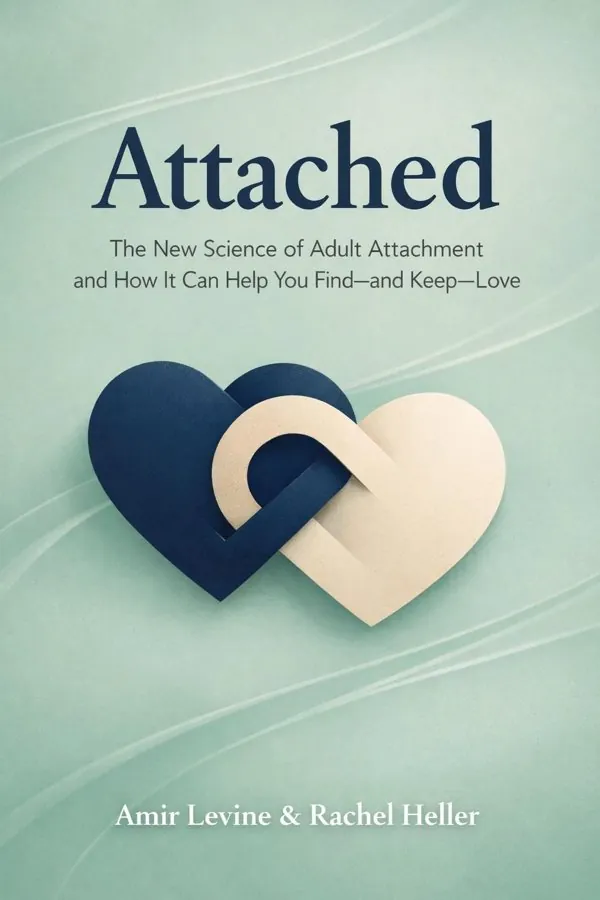
Attached
Amir Levine
10 min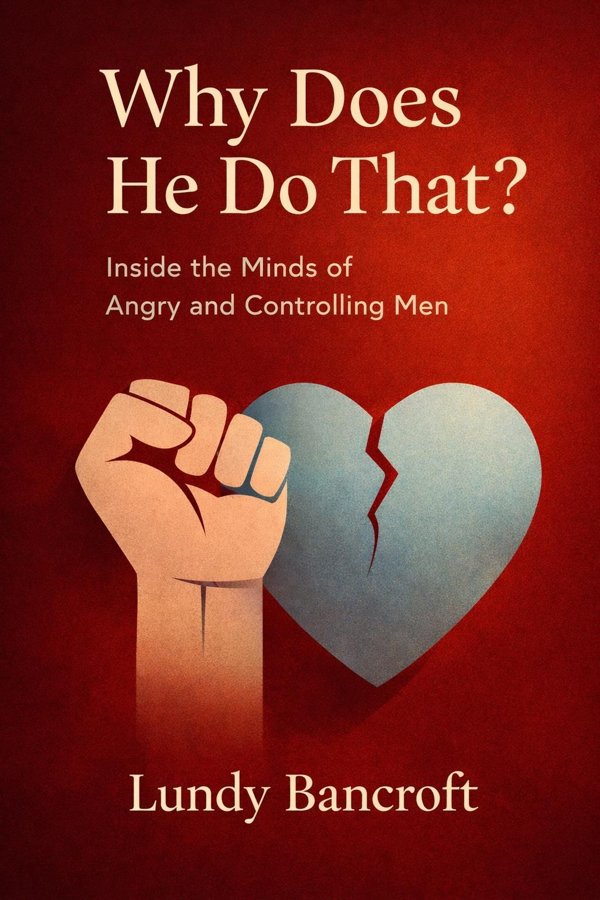
Why Does He Do That
Lundy Bancroft
10 min
Women Who Run with the Wolves
Clarissa Pinkola Estés
10 minBrowse by Category
Ready to read Mistakes Were Made (But Not by Me): Why We Justify Foolish Beliefs, Bad Decisions, and Hurtful Acts?
Get the full summary and 100K+ more books with Fizz Moment.