

Mind Over Money: The Psychology of Money and How to Use It Better: Summary & Key Insights
 10 min9 chaptersAudio available
What Is Mind Over Money: The Psychology of Money and How to Use It Better About?
Mind Over Money: The Psychology of Money and How to Use It Better by Claudia Hammond is a economics book spanning 9 pages. In 'Mind Over Money', Claudia Hammond explores the fascinating psychology behind our relationship with money. Drawing on research from behavioral economics and psychology, she reveals how emotions, biases, and social influences shape the way we earn, spend, and save. The book offers practical insights into making better financial decisions by understanding the mental shortcuts and irrational behaviors that often drive our choices.
This FizzRead summary covers all 9 key chapters of Mind Over Money: The Psychology of Money and How to Use It Better in approximately 10 minutes, distilling the most important ideas, arguments, and takeaways from Claudia Hammond's work. Also available as an audio summary and Key Quotes Podcast.
Mind Over Money: The Psychology of Money and How to Use It Better
In 'Mind Over Money', Claudia Hammond explores the fascinating psychology behind our relationship with money. Drawing on research from behavioral economics and psychology, she reveals how emotions, biases, and social influences shape the way we earn, spend, and save. The book offers practical insights into making better financial decisions by understanding the mental shortcuts and irrational behaviors that often drive our choices.
Who Should Read Mind Over Money: The Psychology of Money and How to Use It Better?
This book is perfect for anyone interested in economics and looking to gain actionable insights in a short read. Whether you're a student, professional, or lifelong learner, the key ideas from Mind Over Money: The Psychology of Money and How to Use It Better by Claudia Hammond will help you think differently.
- ✓Readers who enjoy economics and want practical takeaways
- ✓Professionals looking to apply new ideas to their work and life
- ✓Anyone who wants the core insights of Mind Over Money: The Psychology of Money and How to Use It Better in just 10 minutes
Want the full summary?
Get instant access to this book summary and 100K+ more with Fizz Moment.
Get Free SummaryAvailable on App Store • Free to download
Key Chapters
Every relationship with money begins in childhood. In our families, we first learn what money means—not only its practical use but its emotional power. I discuss studies showing that children absorb attitudes toward spending and saving long before they earn their first coins. If your parents argued about finances, saved obsessively, or gave generously, you internalized those messages. The tone of those early lessons—whether money was a source of conflict, freedom, or security—frames your adult decisions.
Psychologists call these patterns 'financial scripts.' They are mental stories guiding how you handle money. A person who grew up hearing “money doesn’t grow on trees” may develop a scarcity mindset, feeling anxious about any expense. Someone whose family emphasized generosity might value sharing over saving. These early attitudes can persist even when circumstances change. Understanding their origins allows you to rewrite those scripts consciously rather than replaying them automatically.
I illustrate how parental modeling matters more than explicit teaching. Children watch how adults treat money—whether with secrecy or openness—and mimic those emotional cues. A parent who pays with joy when buying something meaningful teaches that spending can express values; one who groans before every purchase passes down anxiety. Recognizing these imprints helps you see that financial habits are rarely independent of emotion—they are often inherited through feeling and observation. Once aware of this, you can cultivate a healthier, balanced relationship with money that reflects your current reality rather than childhood fears.
When it comes to money, our brains are far from rational calculators—they are emotional machines that use shortcuts. In this section, I examine fundamental biases such as loss aversion, anchoring, and mental accounting. Loss aversion explains why losing £10 feels far more painful than gaining £10 feels pleasurable. This asymmetry can make us overly cautious, keeping bad investments or refusing risks that might yield growth.
Anchoring shows how initial numbers influence all subsequent judgments. If you first see a luxury watch priced at £10,000, a £1,000 model suddenly seems cheap—even if it’s still costly. Your brain locks onto that anchor, distorting perception. And mental accounting—the habit of labeling money depending on its source—causes irrational inconsistencies. A tax refund feels like free money to splurge, while regular income is treated prudently. Yet every pound holds the same value.
Understanding these biases liberates you. By catching yourself hesitating over losses or reacting to arbitrary anchors, you reclaim control. I emphasize that awareness is not enough—you must test your thinking in practice. Next time you face a financial decision, pause and ask, “Am I reacting to numbers or to emotions?” The truth often lies in the feeling, not the figures.
+ 7 more chapters — available in the FizzRead app
All Chapters in Mind Over Money: The Psychology of Money and How to Use It Better
About the Author
Claudia Hammond is a British author, broadcaster, and psychology lecturer known for her work on the psychology of everyday life. She presents BBC Radio 4’s 'All in the Mind' and has written several books exploring human behavior and emotion.
Get This Summary in Your Preferred Format
Read or listen to the Mind Over Money: The Psychology of Money and How to Use It Better summary by Claudia Hammond anytime, anywhere. FizzRead offers multiple formats so you can learn on your terms — all free.
Available formats: App · Audio · PDF · EPUB — All included free with FizzRead
Download Mind Over Money: The Psychology of Money and How to Use It Better PDF and EPUB Summary
Key Quotes from Mind Over Money: The Psychology of Money and How to Use It Better
“Every relationship with money begins in childhood.”
“When it comes to money, our brains are far from rational calculators—they are emotional machines that use shortcuts.”
Frequently Asked Questions about Mind Over Money: The Psychology of Money and How to Use It Better
Mind Over Money: The Psychology of Money and How to Use It Better by Claudia Hammond is a economics book that explores key ideas across 9 chapters. In 'Mind Over Money', Claudia Hammond explores the fascinating psychology behind our relationship with money. Drawing on research from behavioral economics and psychology, she reveals how emotions, biases, and social influences shape the way we earn, spend, and save. The book offers practical insights into making better financial decisions by understanding the mental shortcuts and irrational behaviors that often drive our choices.
More by Claudia Hammond

You Might Also Like

Business Adventures
John Brooks
10 min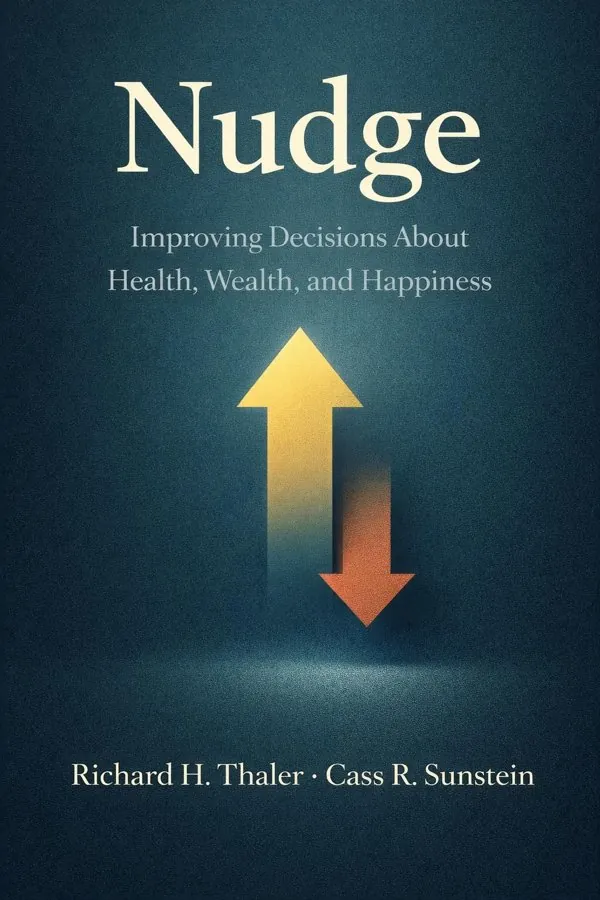
Nudge
Richard H. Thaler, Cass R. Sunstein
10 min
The Hitchhiker"s Guide to the Galaxy
Douglas Adams
10 minThe Muqaddimah
Ibn Khaldun
10 minThe Outsiders
William N. Thorndike
10 min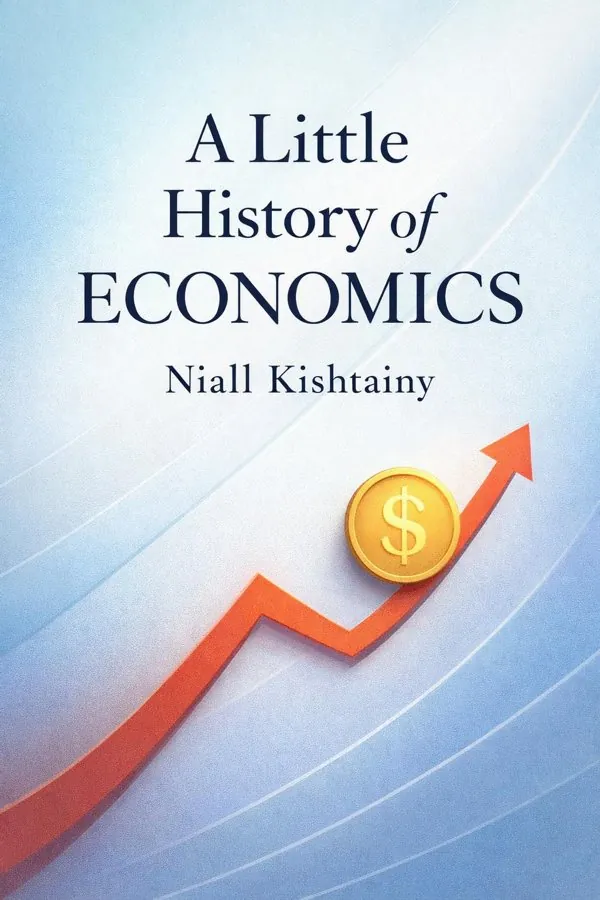
A Little History of Economics
Niall Kishtainy
10 minBrowse by Category
Ready to read Mind Over Money: The Psychology of Money and How to Use It Better?
Get the full summary and 100K+ more books with Fizz Moment.