
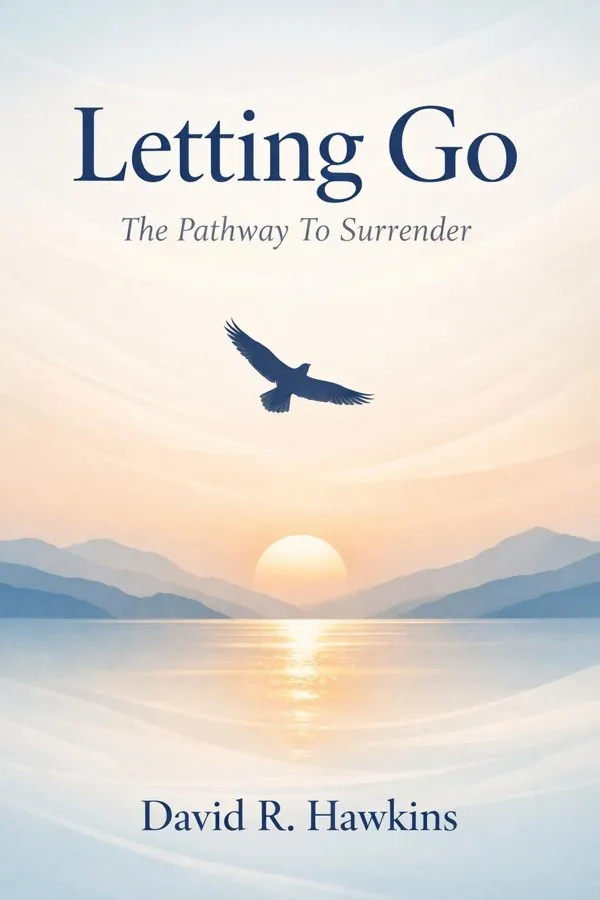
Letting Go: The Pathway To Surrender: Summary & Key Insights
 10 min9 chaptersAudio available
What Is Letting Go: The Pathway To Surrender About?
Letting Go: The Pathway To Surrender by David R. Hawkins is a self_awareness book spanning 9 pages. This book by Dr. David R. Hawkins explores the mechanism of letting go as a means to achieve emotional freedom and spiritual growth. It presents a practical method for releasing negative emotions and attachments that block inner peace, offering a pathway toward higher states of consciousness and self-realization.
This FizzRead summary covers all 9 key chapters of Letting Go: The Pathway To Surrender in approximately 10 minutes, distilling the most important ideas, arguments, and takeaways from David R. Hawkins's work. Also available as an audio summary and Key Quotes Podcast.
Letting Go: The Pathway To Surrender
This book by Dr. David R. Hawkins explores the mechanism of letting go as a means to achieve emotional freedom and spiritual growth. It presents a practical method for releasing negative emotions and attachments that block inner peace, offering a pathway toward higher states of consciousness and self-realization.
Who Should Read Letting Go: The Pathway To Surrender?
This book is perfect for anyone interested in self_awareness and looking to gain actionable insights in a short read. Whether you're a student, professional, or lifelong learner, the key ideas from Letting Go: The Pathway To Surrender by David R. Hawkins will help you think differently.
- ✓Readers who enjoy self_awareness and want practical takeaways
- ✓Professionals looking to apply new ideas to their work and life
- ✓Anyone who wants the core insights of Letting Go: The Pathway To Surrender in just 10 minutes
Want the full summary?
Get instant access to this book summary and 100K+ more with Fizz Moment.
Get Free SummaryAvailable on App Store • Free to download
Key Chapters
Our usual ways of dealing with emotion involve suppression, expression, and escape. Suppression hides pain beneath distraction; expression releases it outwardly but can reinforce the underlying pattern; escape numbs it through addictions or intellectualization. None of these lead to true liberation because they revolve around resistance. Letting go is a natural mechanism that operates when we allow emotions to arise without resisting, labeling, or acting upon them.
When we feel an emotion—say, anger—we simply admit that it’s there. We do not project it outward or suppress it inward. Instead, we place our attention on the raw physical sensation and the energy behind it. As we allow it to be fully felt, without engaging in mental stories, the energy dissipates by itself. Every emotion, when accepted completely, runs its course and exhausts. This is the essence of surrender.
Through practice, we begin to notice that emotions are not permanent; they are transient energy fields. The resistance we apply is what keeps them in place, turning a brief sensation into a chronic mood or personality pattern. Letting go unties these knots, restoring the natural flow of vitality. Over time, as old energies release, we experience increasing expansiveness and clarity. The world remains the same, but our inner response changes profoundly.
Every unacknowledged emotion accumulates like a weight in the subconscious mind. These stored energies influence our decisions, perceptions, and relationships in ways we often fail to recognize. A person repressing grief may develop chronic fatigue; one harboring resentment may struggle with recurring conflicts. Physiologically, these emotions manifest as muscular tension, headaches, or disease. Psychologically, they cloud awareness, keeping us in cycles of fear and defense.
Repression usually occurs in childhood when emotions were too threatening to experience fully. The mind learned to push them aside as a survival strategy. As adults, this pattern persists—becoming a habit of avoidance. The problem is not that we feel emotions; it is that we refuse to feel them. Once an emotion is fully allowed into awareness, it dissolves, leaving behind freedom and increased energy.
Letting go restores our natural state of health. As suppressed emotions are released, the body heals, vitality returns, and creativity blossoms. We realize the truth long known in both medicine and mysticism: the mind and body are one. When the inner conflict ends, life energy flows unobstructed, and healing follows automatically.
+ 7 more chapters — available in the FizzRead app
All Chapters in Letting Go: The Pathway To Surrender
About the Author
David R. Hawkins, M.D., Ph.D., was an American psychiatrist, spiritual teacher, and author known for his work on consciousness research and spiritual development. He founded the Institute for Spiritual Research and wrote several influential books on human awareness and enlightenment.
Get This Summary in Your Preferred Format
Read or listen to the Letting Go: The Pathway To Surrender summary by David R. Hawkins anytime, anywhere. FizzRead offers multiple formats so you can learn on your terms — all free.
Available formats: App · Audio · PDF · EPUB — All included free with FizzRead
Download Letting Go: The Pathway To Surrender PDF and EPUB Summary
Key Quotes from Letting Go: The Pathway To Surrender
“Our usual ways of dealing with emotion involve suppression, expression, and escape.”
“Every unacknowledged emotion accumulates like a weight in the subconscious mind.”
Frequently Asked Questions about Letting Go: The Pathway To Surrender
Letting Go: The Pathway To Surrender by David R. Hawkins is a self_awareness book that explores key ideas across 9 chapters. This book by Dr. David R. Hawkins explores the mechanism of letting go as a means to achieve emotional freedom and spiritual growth. It presents a practical method for releasing negative emotions and attachments that block inner peace, offering a pathway toward higher states of consciousness and self-realization.
More by David R. Hawkins
You Might Also Like
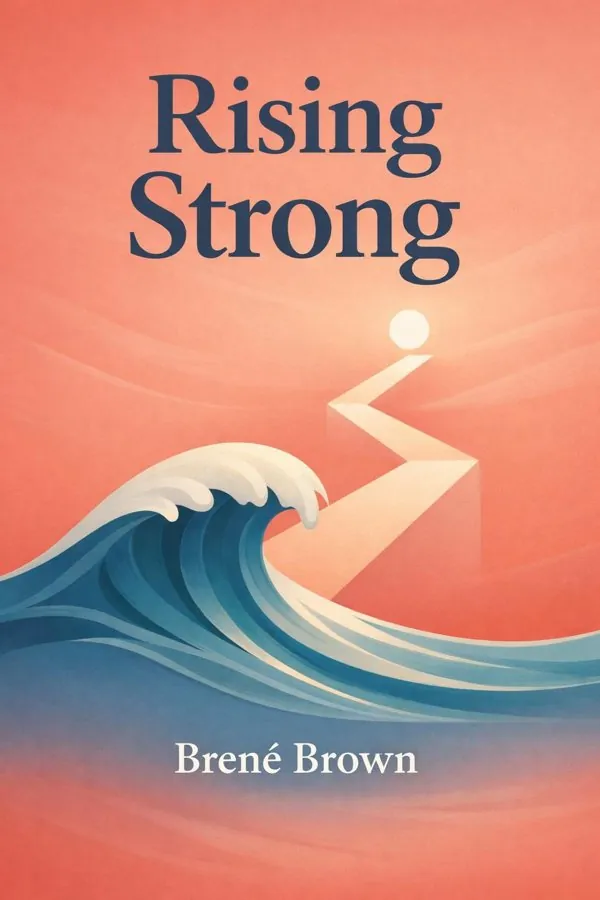
Rising Strong
Brené Brown
10 min
You Do You
Sarah Knight
10 min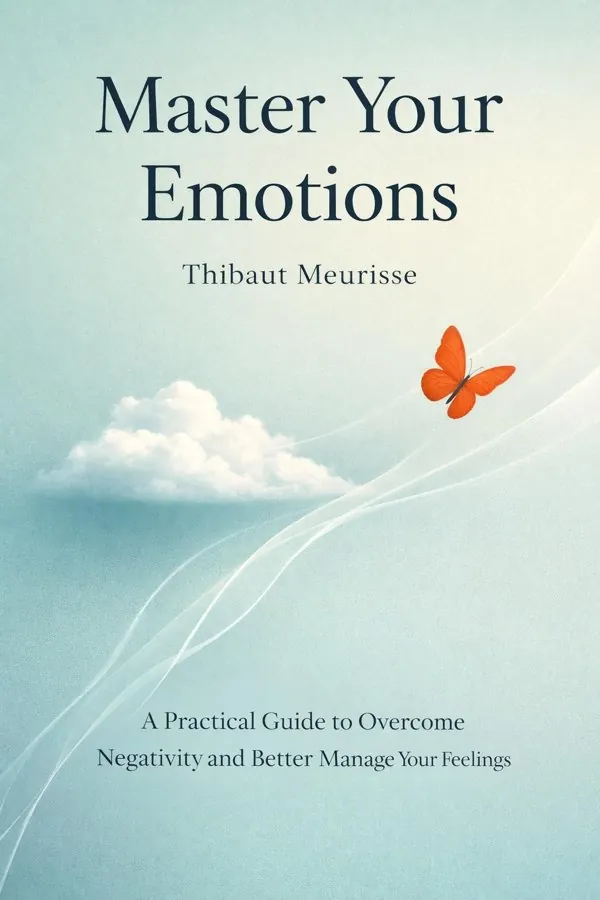
Master Your Emotions: A Practical Guide to Overcome Negativity and Better Manage Your Feelings
Thibaut Meurisse
10 min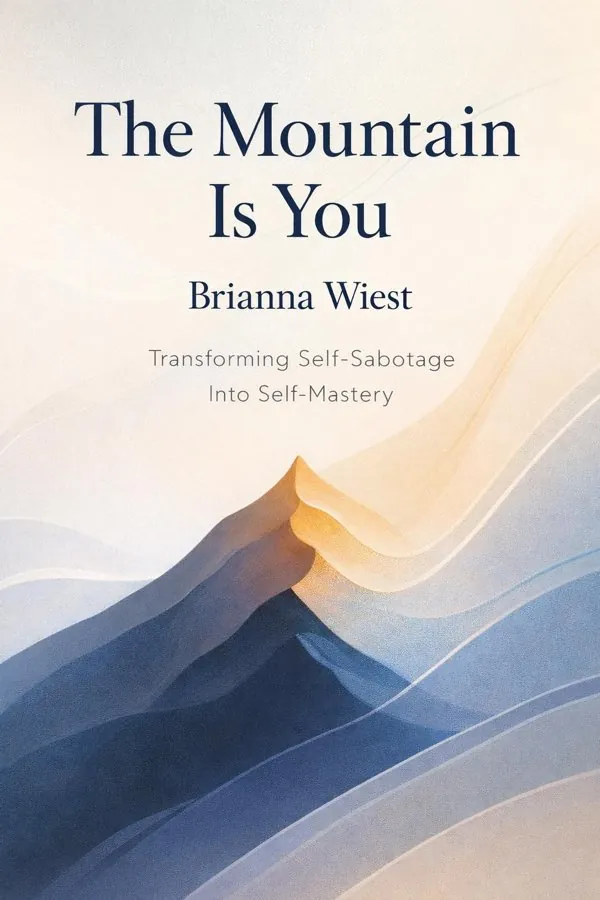
The Mountain Is You: Transforming Self-Sabotage Into Self-Mastery
Brianna Wiest
10 min
101 Essays That Will Change The Way You Think
Brianna Wiest
10 min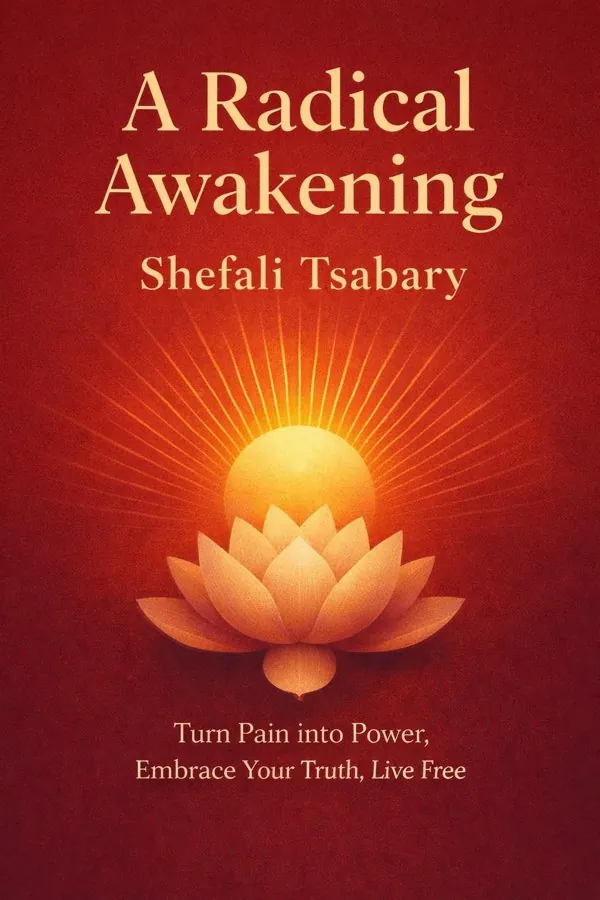
A Radical Awakening: Turn Pain into Power, Embrace Your Truth, Live Free
Shefali Tsabary
10 minBrowse by Category
Ready to read Letting Go: The Pathway To Surrender?
Get the full summary and 100K+ more books with Fizz Moment.