

Leadership Blindspots: How Successful Leaders Identify and Overcome the Weaknesses That Matter: Summary & Key Insights
 10 min6 chaptersAudio available
What Is Leadership Blindspots: How Successful Leaders Identify and Overcome the Weaknesses That Matter About?
Leadership Blindspots: How Successful Leaders Identify and Overcome the Weaknesses That Matter by Robert B. Shaw is a leadership book spanning 6 pages. Leadership Blindspots explores the hidden weaknesses that can undermine even the most capable leaders. Drawing on extensive research and real-world examples, Robert B. Shaw provides a framework for identifying and addressing these blind spots before they cause organizational or personal failure. The book offers practical tools for self-assessment, feedback, and continuous improvement to help leaders build stronger, more self-aware teams.
This FizzRead summary covers all 6 key chapters of Leadership Blindspots: How Successful Leaders Identify and Overcome the Weaknesses That Matter in approximately 10 minutes, distilling the most important ideas, arguments, and takeaways from Robert B. Shaw's work. Also available as an audio summary and Key Quotes Podcast.
Leadership Blindspots: How Successful Leaders Identify and Overcome the Weaknesses That Matter
Leadership Blindspots explores the hidden weaknesses that can undermine even the most capable leaders. Drawing on extensive research and real-world examples, Robert B. Shaw provides a framework for identifying and addressing these blind spots before they cause organizational or personal failure. The book offers practical tools for self-assessment, feedback, and continuous improvement to help leaders build stronger, more self-aware teams.
Who Should Read Leadership Blindspots: How Successful Leaders Identify and Overcome the Weaknesses That Matter?
This book is perfect for anyone interested in leadership and looking to gain actionable insights in a short read. Whether you're a student, professional, or lifelong learner, the key ideas from Leadership Blindspots: How Successful Leaders Identify and Overcome the Weaknesses That Matter by Robert B. Shaw will help you think differently.
- ✓Readers who enjoy leadership and want practical takeaways
- ✓Professionals looking to apply new ideas to their work and life
- ✓Anyone who wants the core insights of Leadership Blindspots: How Successful Leaders Identify and Overcome the Weaknesses That Matter in just 10 minutes
Want the full summary?
Get instant access to this book summary and 100K+ more with Fizz Moment.
Get Free SummaryAvailable on App Store • Free to download
Key Chapters
Blindspots are not random; they emerge from predictable psychological and situational forces. As leaders accumulate experience, they also accumulate assumptions about what works. Past success acts like a filter, reinforcing certain patterns of thought and behavior while excluding others. This is the foundation of what I call the success trap. The more competent and esteemed a leader becomes, the fewer signals they receive that challenge their perspective.
Cognitive biases shape this evolution as well. Confirmation bias causes us to notice information supporting our pre-existing beliefs, while discounting contradictory evidence. Over time, this creates a version of reality tilted toward our preferences. Add to this the feedback gap inherent in leadership positions—subordinates hesitate to offer honest criticism, peers are careful, superiors are distant—and blindspots deepen quietly. This is why some of the best leaders have the hardest time seeing their own weaknesses.
Moreover, organizational systems can reinforce blindspots. Cultures that reward short-term wins or penalize dissent create conditions where problems stay unspoken. For example, an executive team that values speed above all may consistently underestimate the risks of groupthink. In client engagements, I’ve often seen high-performing companies that confuse confidence with competence; they build a mythology around their leaders that makes self-correction nearly impossible.
Recognizing these dynamics is the first step to managing them. Blindspots thrive in an environment of certainty, but they shrink under conditions of curiosity. My objective is to help leaders replace defensive certainty with active inquiry—to learn to ask: “What am I missing? What might others see that I don’t?” This mindset shift transforms blindspots from invisible threats into manageable risks.
To understand leadership vulnerabilities fully, we must group them into categories. In my research, I saw three especially prevalent types: interpersonal blindspots, strategic blindspots, and organizational blindspots.
Interpersonal blindspots center on how leaders relate to others. They include overestimating your communication clarity, misunderstanding emotional impact, or sustaining relationships based on hierarchy rather than trust. A leader might assume their team feels safe speaking up simply because the leader encourages it verbally—when in fact, their assertive tone discourages openness. Such relational oversights corrode morale and innovation.
Strategic blindspots manifest at the level of judgment and direction. When leaders become overreliant on prior successes, they can misread changing markets or new realities. Kodak’s failure to anticipate the digital photography shift, or established tech companies missing disruptive trends, are emblematic. The issue is rarely a lack of intelligence—it’s a failure of perspective, the inability to challenge outdated mental models.
Organizational blindspots concern how structures, cultures, and systems either reinforce or suppress insight. When information flow is constrained or feedback mechanisms are weak, critical signals fail to reach decision-makers. For example, a culture that prizes harmony may suppress dissenting voices that could reveal early warning signs. Over time, this kind of blindness scales from individual to systemic failure.
Seeing these categories helps us realize that blindspots are not simply personal failings. They are relational and contextual. Effective leadership thus involves systemic awareness—recognizing that how you interact, decide, and shape culture can either illuminate or conceal weaknesses. The process of uncovering them begins with intentional reflection and an appetite for truth, even when it is uncomfortable.
+ 4 more chapters — available in the FizzRead app
All Chapters in Leadership Blindspots: How Successful Leaders Identify and Overcome the Weaknesses That Matter
About the Author
Robert B. Shaw is a leadership consultant and organizational psychologist with decades of experience advising Fortune 500 companies. He specializes in executive development, organizational change, and leadership effectiveness, and has authored several books on management and leadership practices.
Get This Summary in Your Preferred Format
Read or listen to the Leadership Blindspots: How Successful Leaders Identify and Overcome the Weaknesses That Matter summary by Robert B. Shaw anytime, anywhere. FizzRead offers multiple formats so you can learn on your terms — all free.
Available formats: App · Audio · PDF · EPUB — All included free with FizzRead
Download Leadership Blindspots: How Successful Leaders Identify and Overcome the Weaknesses That Matter PDF and EPUB Summary
Key Quotes from Leadership Blindspots: How Successful Leaders Identify and Overcome the Weaknesses That Matter
“Blindspots are not random; they emerge from predictable psychological and situational forces.”
“To understand leadership vulnerabilities fully, we must group them into categories.”
Frequently Asked Questions about Leadership Blindspots: How Successful Leaders Identify and Overcome the Weaknesses That Matter
Leadership Blindspots: How Successful Leaders Identify and Overcome the Weaknesses That Matter by Robert B. Shaw is a leadership book that explores key ideas across 6 chapters. Leadership Blindspots explores the hidden weaknesses that can undermine even the most capable leaders. Drawing on extensive research and real-world examples, Robert B. Shaw provides a framework for identifying and addressing these blind spots before they cause organizational or personal failure. The book offers practical tools for self-assessment, feedback, and continuous improvement to help leaders build stronger, more self-aware teams.
You Might Also Like

Extreme Ownership
Jocko Willink
10 min
Dare to Lead
Brene Brown
10 min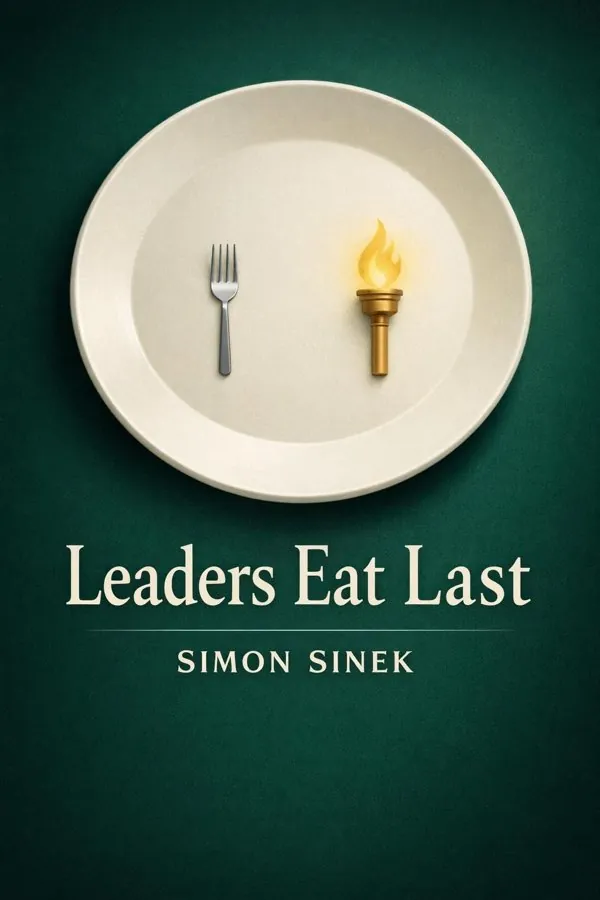
Leaders Eat Last
Simon Sinek
10 min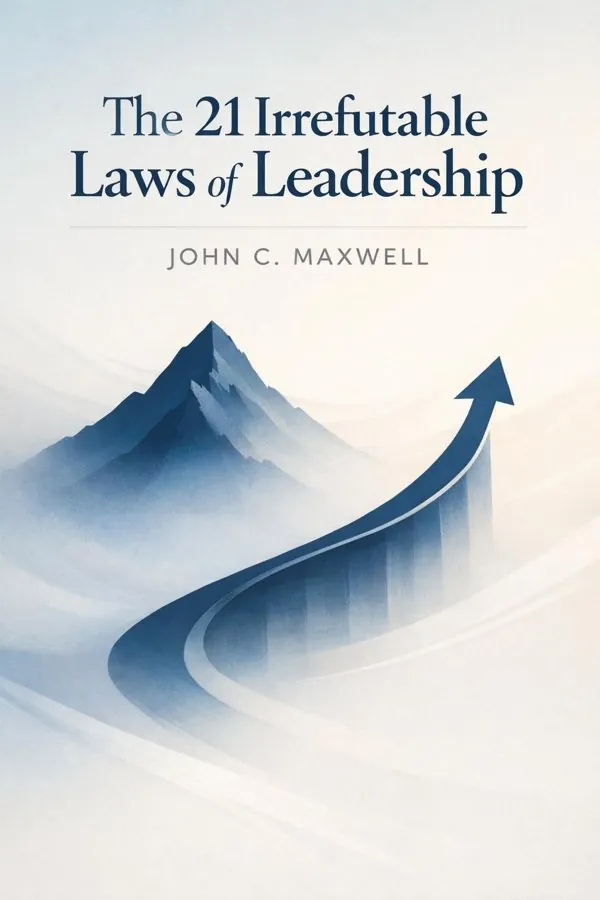
The 21 Irrefutable Laws of Leadership
John Maxwell
10 min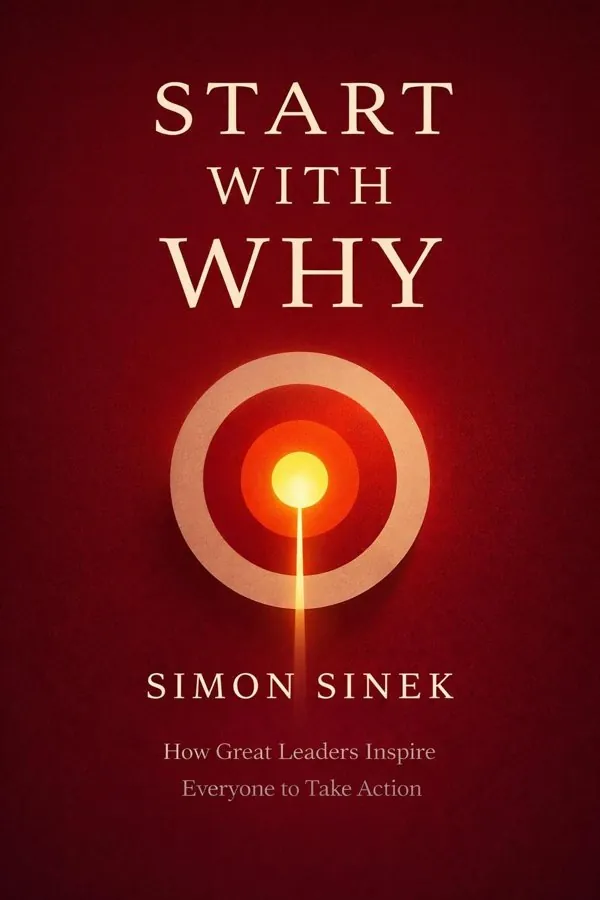
Start With Why
Simon Sinek
10 min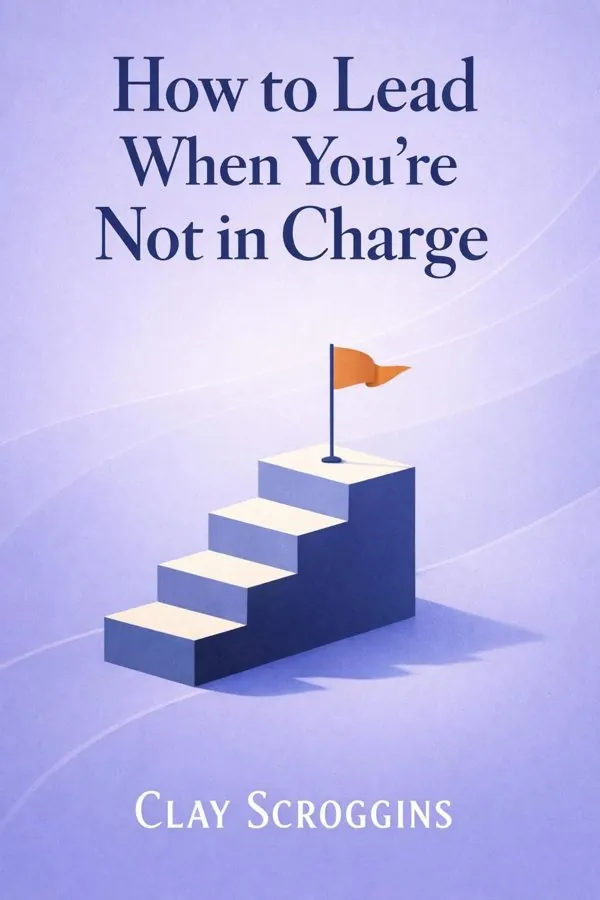
How to Lead When You're Not in Charge
Clay Scroggins
10 minBrowse by Category
Ready to read Leadership Blindspots: How Successful Leaders Identify and Overcome the Weaknesses That Matter?
Get the full summary and 100K+ more books with Fizz Moment.