
Journey to Ixtlan: Summary & Key Insights
 10 min10 chaptersAudio available
What Is Journey to Ixtlan About?
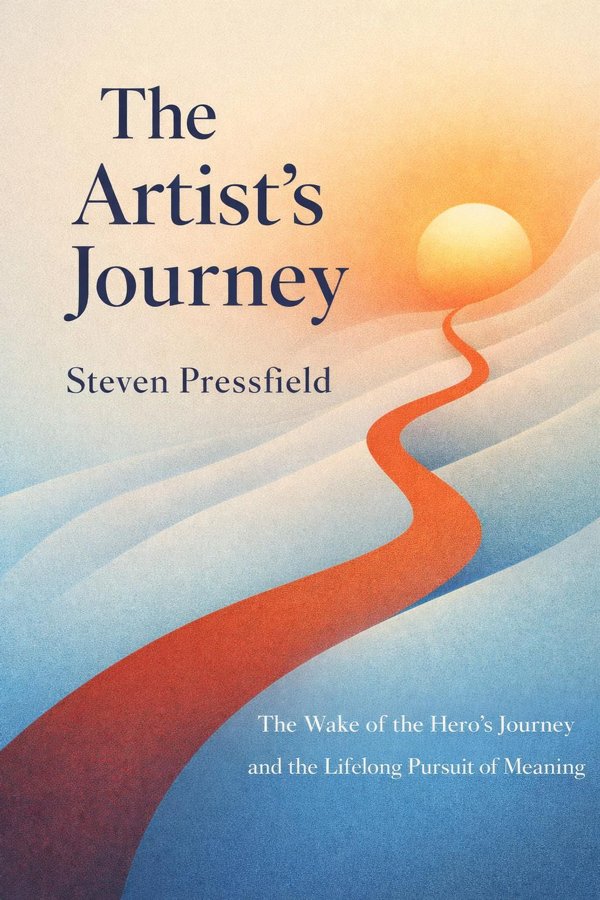
Journey to Ixtlan by Carlos Castaneda is a philosophy book published in 2018 spanning 10 pages. In this reflective and motivational work, Steven Pressfield explores the creative process as a lifelong journey that follows the hero’s path. He argues that the artist’s calling begins where the hero’s journey ends—when one returns home transformed and ready to create from a deeper, authentic self. The book blends philosophy, psychology, and practical wisdom to guide artists through resistance, self-sabotage, and the pursuit of meaning in their craft.
This FizzRead summary covers all 10 key chapters of Journey to Ixtlan in approximately 10 minutes, distilling the most important ideas, arguments, and takeaways from Carlos Castaneda's work. Also available as an audio summary and Key Quotes Podcast.
The Artist's Journey: The Wake of the Hero's Journey and the Lifelong Pursuit of Meaning
In this reflective and motivational work, Steven Pressfield explores the creative process as a lifelong journey that follows the hero’s path. He argues that the artist’s calling begins where the hero’s journey ends—when one returns home transformed and ready to create from a deeper, authentic self. The book blends philosophy, psychology, and practical wisdom to guide artists through resistance, self-sabotage, and the pursuit of meaning in their craft.
Who Should Read Journey to Ixtlan?
This book is perfect for anyone interested in philosophy and looking to gain actionable insights in a short read. Whether you're a student, professional, or lifelong learner, the key ideas from Journey to Ixtlan by Carlos Castaneda will help you think differently.
- ✓Readers who enjoy philosophy and want practical takeaways
- ✓Professionals looking to apply new ideas to their work and life
- ✓Anyone who wants the core insights of Journey to Ixtlan in just 10 minutes
Want the full summary?
Get instant access to this book summary and 100K+ more with Fizz Moment.
Get Free SummaryAvailable on App Store • Free to download
Key Chapters
The hero’s story is physical and finite. He goes on a quest, defeats the beast, and returns home changed. But what comes after the return is what interests me—the evolution of that transformation into a new kind of calling. The artist’s journey begins not with battle, but with listening. It’s a quiet, invisible pilgrimage into the self. It’s the realization that the world is no longer your opponent but your mirror. You’re no longer fighting dragons outside you; you’re facing the shadows within. The hero’s quest is about survival and triumph. The artist’s is about truth and service. The hero acts so that he might change the world; the artist creates because the world has already changed him. You start to understand that creativity is not optional or decorative—it’s existential. It’s how consciousness evolves, how meaning is made. The true artist knows the quest never ends; it simply turns inward. In this phase, skill and courage are replaced by vulnerability and surrender. You dare not only to act but to reveal, not only to conquer but to connect. That is the profound pivot—the moment creation becomes the continuation of transformation.
That voice inside—the one that insists you must write, paint, compose, or imagine—isn’t a whim. It’s consciousness awakening to its creative nature. Every artist experiences it differently. For some, it’s gradual, like the dawn creeping through darkness; for others, it’s explosive, a lightning bolt of vision that leaves no doubt. But it always carries a tone of inevitability: this is what you were born to do. Awakening means realizing that creativity is not just something you engage in occasionally—it’s who you are. You begin to sense a deeper alignment between inner necessity and outer action. You stop asking for permission or validation because this calling feels sacred. When you heed that voice, life reorganizes around it. Old ambitions fall away; new priorities emerge. You begin to see that the call isn’t to produce, to impress, or to succeed—it’s to become. Authenticity becomes non-negotiable. You recognize that your work must emerge from the totality of your being. Every word, stroke, or movement must come from your center, unfiltered by fear or ego. That’s how the artist awakens—not by external reward, but by internal fidelity.
+ 8 more chapters — available in the FizzRead app
All Chapters in Journey to Ixtlan
About the Author
Steven Pressfield is an American author known for his novels on creativity, war, and personal mastery. His works include 'The War of Art', 'Turning Pro', and 'Gates of Fire'. He writes extensively on overcoming resistance and living a creative life.
Get This Summary in Your Preferred Format
Read or listen to the Journey to Ixtlan summary by Carlos Castaneda anytime, anywhere. FizzRead offers multiple formats so you can learn on your terms — all free.
Available formats: App · Audio · PDF · EPUB — All included free with FizzRead
Download Journey to Ixtlan PDF and EPUB Summary
Key Quotes from Journey to Ixtlan
“The hero’s story is physical and finite.”
“That voice inside—the one that insists you must write, paint, compose, or imagine—isn’t a whim.”
Frequently Asked Questions about Journey to Ixtlan
Journey to Ixtlan by Carlos Castaneda is a philosophy book that explores key ideas across 10 chapters. In this reflective and motivational work, Steven Pressfield explores the creative process as a lifelong journey that follows the hero’s path. He argues that the artist’s calling begins where the hero’s journey ends—when one returns home transformed and ready to create from a deeper, authentic self. The book blends philosophy, psychology, and practical wisdom to guide artists through resistance, self-sabotage, and the pursuit of meaning in their craft.
More by Carlos Castaneda
You Might Also Like
Browse by Category
Ready to read Journey to Ixtlan?
Get the full summary and 100K+ more books with Fizz Moment.