
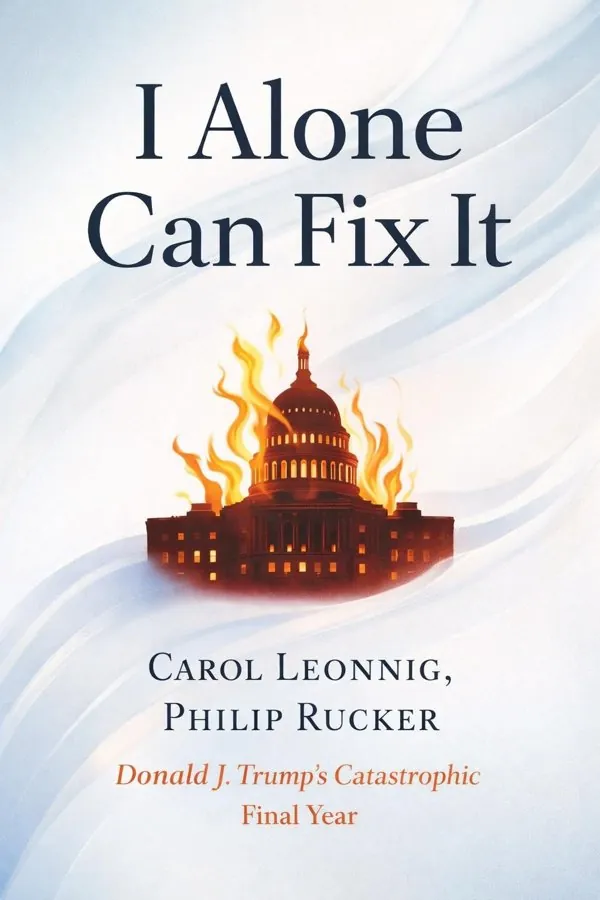
I Alone Can Fix It: Donald J. Trump's Catastrophic Final Year: Summary & Key Insights
by Carol Leonnig, Philip Rucker
 10 min9 chaptersAudio available
What Is I Alone Can Fix It: Donald J. Trump's Catastrophic Final Year About?
I Alone Can Fix It: Donald J. Trump's Catastrophic Final Year by Carol Leonnig, Philip Rucker is a politics book spanning 9 pages. This nonfiction book provides a detailed account of the final year of Donald J. Trump's presidency, focusing on his administration's handling of the COVID-19 pandemic, the 2020 election, and the events leading up to the January 6 Capitol attack. Drawing on extensive interviews with key figures, the authors offer an inside look at the chaos, decision-making, and personalities that defined the closing chapter of the Trump White House.
This FizzRead summary covers all 9 key chapters of I Alone Can Fix It: Donald J. Trump's Catastrophic Final Year in approximately 10 minutes, distilling the most important ideas, arguments, and takeaways from Carol Leonnig, Philip Rucker's work. Also available as an audio summary and Key Quotes Podcast.
I Alone Can Fix It: Donald J. Trump's Catastrophic Final Year
This nonfiction book provides a detailed account of the final year of Donald J. Trump's presidency, focusing on his administration's handling of the COVID-19 pandemic, the 2020 election, and the events leading up to the January 6 Capitol attack. Drawing on extensive interviews with key figures, the authors offer an inside look at the chaos, decision-making, and personalities that defined the closing chapter of the Trump White House.
Who Should Read I Alone Can Fix It: Donald J. Trump's Catastrophic Final Year?
This book is perfect for anyone interested in politics and looking to gain actionable insights in a short read. Whether you're a student, professional, or lifelong learner, the key ideas from I Alone Can Fix It: Donald J. Trump's Catastrophic Final Year by Carol Leonnig, Philip Rucker will help you think differently.
- ✓Readers who enjoy politics and want practical takeaways
- ✓Professionals looking to apply new ideas to their work and life
- ✓Anyone who wants the core insights of I Alone Can Fix It: Donald J. Trump's Catastrophic Final Year in just 10 minutes
Want the full summary?
Get instant access to this book summary and 100K+ more with Fizz Moment.
Get Free SummaryAvailable on App Store • Free to download
Key Chapters
Early 2020 began almost quietly inside the West Wing. Reports from abroad spoke of a new respiratory virus spreading across Wuhan, China, but Trump’s inner circle, largely focused on re-election strategy, saw it as distant noise. Leonnig and Rucker reconstruct those pivotal weeks with clarity and tension: meetings led by health experts like Dr. Anthony Fauci and Dr. Deborah Birx, warnings from intelligence officials, and a president instinctively reluctant to alarm markets or voters.
From the authors’ perspective as observers of power, these scenes reveal how the machinery of government contorted under an image-driven imperative. Trump publicly minimized the threat while privately expressing concern about the impact on the economy. His aides oscillated between bureaucratic restraint and personal loyalty. When the first cases reached U.S. shores, the administration’s posture remained one of denial wrapped in optimism—an insistence that America could contain what others could not.
The journalists detail the internal debates: Should the administration impose travel bans? Should the president appear masked? Even as experts urged decisive communication, Trump favored optics—the appearance of calm authority. Leonnig and Rucker’s investigative acuity brings forward the quiet despair of those inside the task forces who realized political messaging was overpowering scientific guidance. What began as a health emergency rapidly evolved into a crisis of credibility.
Through narrative interviews, the authors show how the early missteps became emblematic of deeper fractures. Trump viewed every briefing not through the prism of data but television. His need for reassurance shaped public policy. By March, as hospitals warned of shortages and agency heads scrambled for coordination, the White House was locked in its own bubble of wishful thinking. From their journalistic standpoint, Leonnig and Rucker invite readers to witness how the early choices—to obscure, delay, and deflect—set the tone for the catastrophic months ahead.
When the pandemic became impossible to dismiss, Trump convened the coronavirus task force, ostensibly to demonstrate command. In reality, Leonnig and Rucker reveal, it became a stage for daily conflict. Fauci personified empirical restraint; Birx, professional composure wrapped around exhaustion; and Trump, unpredictable and hungry for applause. The authors recount scenes in the briefing room where medical caution collided with presidential bravado.
Through careful sourcing, they portray the task force as both theatre and tragedy. Trump’s impatience with technical explanations led him to question official data and demand immediate, optimistic answers. His frustration grew as charts projected rising deaths. The scientists’ obligation to truth clashed with his quest for absolution. Readers will sense the human cost—the erosion of morale, the silencing of expertise, the weight of politicizing health.
Leonnig and Rucker position themselves as chroniclers of that emotional tension. They describe Birx’s attempts to manage the president’s messaging through subtle phrasing, Fauci’s balancing act between candor and survival, and the aides who tried to steer public discourse toward responsibility. The resulting portrait is intimate and painful: a work culture where science became secondary to self-image. Trump’s focus on ratings over results reduced the briefings to showmanship, with the pandemic’s toll escalating outside.
For me, as an author speaking through their lens, this chapter serves as a meditation on leadership under scrutiny. The White House, a symbol of rational command, turned into a battlefield of perception. It teaches how political narrative can drown scientific warning—and how fragile truth becomes when filtered through fear of electoral consequence.
+ 7 more chapters — available in the FizzRead app
All Chapters in I Alone Can Fix It: Donald J. Trump's Catastrophic Final Year
About the Authors
Carol Leonnig and Philip Rucker are Pulitzer Prize–winning journalists for The Washington Post. Leonnig is known for her investigative reporting on government and national security, while Rucker has served as the newspaper’s White House bureau chief. Together, they have coauthored multiple bestsellers examining the Trump presidency.
Get This Summary in Your Preferred Format
Read or listen to the I Alone Can Fix It: Donald J. Trump's Catastrophic Final Year summary by Carol Leonnig, Philip Rucker anytime, anywhere. FizzRead offers multiple formats so you can learn on your terms — all free.
Available formats: App · Audio · PDF · EPUB — All included free with FizzRead
Download I Alone Can Fix It: Donald J. Trump's Catastrophic Final Year PDF and EPUB Summary
Key Quotes from I Alone Can Fix It: Donald J. Trump's Catastrophic Final Year
“Early 2020 began almost quietly inside the West Wing.”
“When the pandemic became impossible to dismiss, Trump convened the coronavirus task force, ostensibly to demonstrate command.”
Frequently Asked Questions about I Alone Can Fix It: Donald J. Trump's Catastrophic Final Year
I Alone Can Fix It: Donald J. Trump's Catastrophic Final Year by Carol Leonnig, Philip Rucker is a politics book that explores key ideas across 9 chapters. This nonfiction book provides a detailed account of the final year of Donald J. Trump's presidency, focusing on his administration's handling of the COVID-19 pandemic, the 2020 election, and the events leading up to the January 6 Capitol attack. Drawing on extensive interviews with key figures, the authors offer an inside look at the chaos, decision-making, and personalities that defined the closing chapter of the Trump White House.
You Might Also Like
Antifa: The Anti-Fascist Handbook
Mark Bray
10 min
Attack from Within: How Disinformation Is Sabotaging America
Barbara McQuade
10 min
Coercion, Capital, and European States, AD 990–1992
Charles Tilly
10 min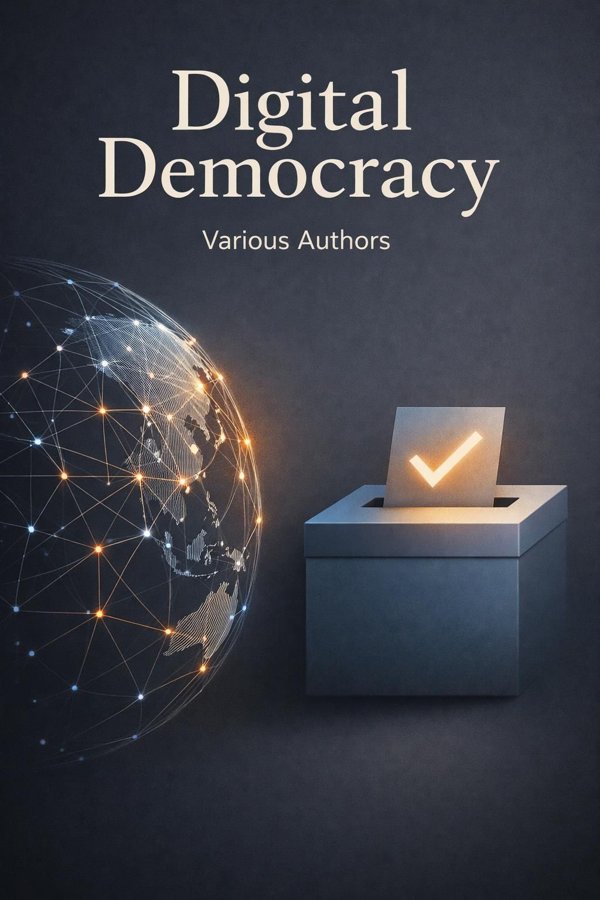
Digital Democracy: Concepts, Methodologies, Tools, and Applications
Various Authors
10 min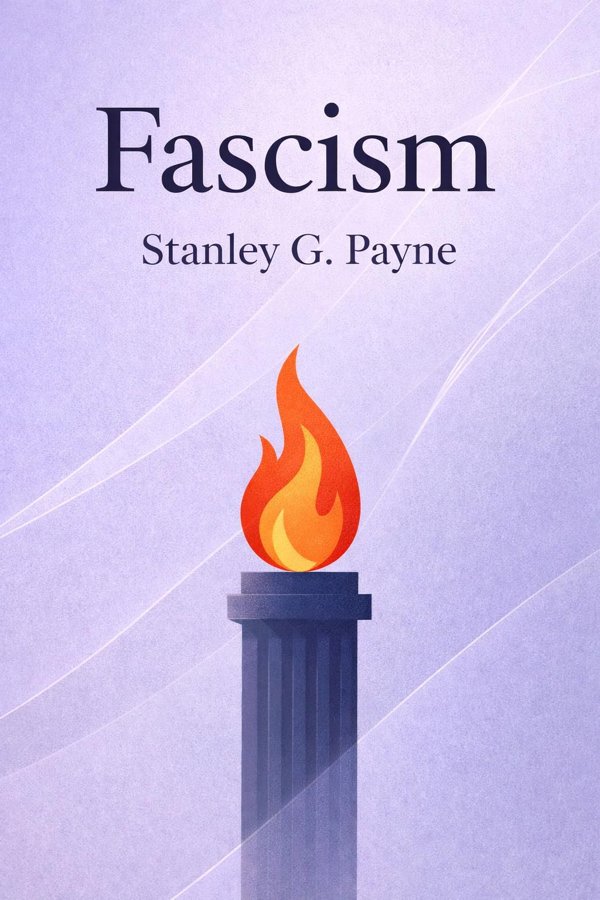
Fascism
Stanley G. Payne
10 min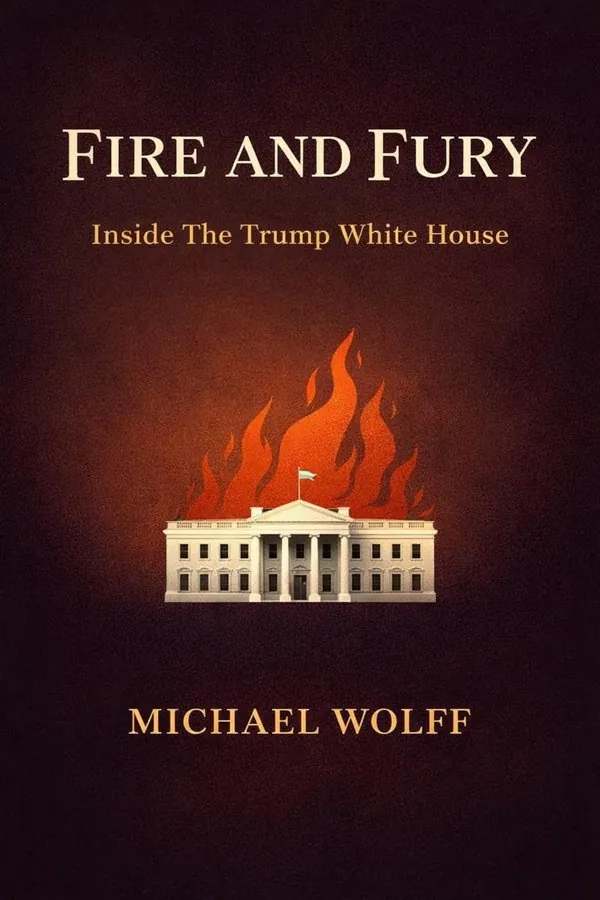
Fire And Fury: Inside The Trump White House
Michael Wolff
10 minBrowse by Category
Ready to read I Alone Can Fix It: Donald J. Trump's Catastrophic Final Year?
Get the full summary and 100K+ more books with Fizz Moment.