

How to Think Like a Roman Emperor: The Stoic Philosophy of Marcus Aurelius: Summary & Key Insights
 10 min10 chaptersAudio available
What Is How to Think Like a Roman Emperor: The Stoic Philosophy of Marcus Aurelius About?
How to Think Like a Roman Emperor: The Stoic Philosophy of Marcus Aurelius by Donald Robertson is a western_phil book spanning 10 pages. Combining ancient Stoic philosophy with modern cognitive behavioral therapy, this book explores how the life and teachings of Marcus Aurelius can help readers cultivate resilience, self-discipline, and emotional balance. Donald Robertson draws parallels between Stoic practices and psychological techniques to offer practical guidance for living a virtuous and tranquil life in the modern world.
This FizzRead summary covers all 10 key chapters of How to Think Like a Roman Emperor: The Stoic Philosophy of Marcus Aurelius in approximately 10 minutes, distilling the most important ideas, arguments, and takeaways from Donald Robertson's work. Also available as an audio summary and Key Quotes Podcast.
How to Think Like a Roman Emperor: The Stoic Philosophy of Marcus Aurelius
Combining ancient Stoic philosophy with modern cognitive behavioral therapy, this book explores how the life and teachings of Marcus Aurelius can help readers cultivate resilience, self-discipline, and emotional balance. Donald Robertson draws parallels between Stoic practices and psychological techniques to offer practical guidance for living a virtuous and tranquil life in the modern world.
Who Should Read How to Think Like a Roman Emperor: The Stoic Philosophy of Marcus Aurelius?
This book is perfect for anyone interested in western_phil and looking to gain actionable insights in a short read. Whether you're a student, professional, or lifelong learner, the key ideas from How to Think Like a Roman Emperor: The Stoic Philosophy of Marcus Aurelius by Donald Robertson will help you think differently.
- ✓Readers who enjoy western_phil and want practical takeaways
- ✓Professionals looking to apply new ideas to their work and life
- ✓Anyone who wants the core insights of How to Think Like a Roman Emperor: The Stoic Philosophy of Marcus Aurelius in just 10 minutes
Want the full summary?
Get instant access to this book summary and 100K+ more with Fizz Moment.
Get Free SummaryAvailable on App Store • Free to download
Key Chapters
Marcus’s life began in privilege, yet it was his humility and intellectual curiosity that defined him. Born into a patrician family in 121 CE, he was adopted into the imperial line and prepared from an early age for leadership. His tutors—especially Junius Rusticus—became pivotal figures, introducing him to Stoic texts like Epictetus’s *Discourses*. These early influences built a foundation of thought that would guide him through the hardships of ruling an empire mired in wars and plagues.
His upbringing was steeped in both political and philosophical education. He learned rhetoric and governance but found more comfort in the Stoic idea that philosophy was not for debate but for life’s guidance. While others sought eloquence and fame, Marcus was drawn to moral integrity and self-command. He began practicing daily reflection and journaling—habits that would evolve into the *Meditations*. Through these writings, we can see him training his mind to remain composed when irritated, compassionate when disappointed, and realistic about human frailty.
Marcus’s intellectual development reflects the Stoic belief that philosophy shapes character more than intellect. His education was not about acquiring knowledge but cultivating wisdom—the practical skill of living well despite uncertainty. This foundation enabled him to blend reason and empathy as emperor, viewing his position not as privilege but as responsibility. His youth reminds us that philosophy must begin early, before life’s storms arrive—to practice calmness so that, when called upon, one can lead both oneself and others with equanimity.
Philosophy, Marcus believed, should function as medicine for the soul. The Stoics taught that emotional distress comes from unhealthy judgments—the mistaken beliefs that external events determine our happiness. A rational mind, trained through philosophical exercises, can correct these errors. I have long found this to be exactly the spirit of modern psychotherapy: healing the mind by teaching it to see the world differently.
In Stoicism, this healing begins with distinguishing appearance from reality. When anger flares or fear rises, Marcus did not scold himself but examined the judgment causing the pain. What am I believing that makes me suffer? The Stoic answer is often startlingly simple: it’s not the thing itself but my opinion about it. Philosophy, therefore, becomes cognitive therapy in ancient terms. It replaces confusion with clarity, passion with purpose.
As a psychotherapist, I have witnessed how people find relief in shifting perspective. When clients learn to identify and challenge distorted thoughts, they experience freedom akin to that which Marcus practiced. He approached philosophy as daily maintenance for his mind—a discipline ensuring his emotions never overpowered reason. In this sense, philosophy’s first task is not abstract speculation but practical mental hygiene.
To think like Marcus is to cultivate awareness that the mind, left unchecked, diseases itself through fear and desire. The cure is philosophical reflection: examining assumptions, questioning what truly matters, and realigning with nature’s rational order. Philosophy, practiced sincerely, gives us back control of our inner health. It doesn’t erase pain, but it clarifies it—revealing how even suffering can be faced with dignity and insight.
+ 8 more chapters — available in the FizzRead app
All Chapters in How to Think Like a Roman Emperor: The Stoic Philosophy of Marcus Aurelius
About the Author
Donald Robertson is a cognitive-behavioral psychotherapist, writer, and trainer specializing in the relationship between philosophy and psychology. He is known for his work on Stoicism and its modern applications in psychotherapy and personal development.
Get This Summary in Your Preferred Format
Read or listen to the How to Think Like a Roman Emperor: The Stoic Philosophy of Marcus Aurelius summary by Donald Robertson anytime, anywhere. FizzRead offers multiple formats so you can learn on your terms — all free.
Available formats: App · Audio · PDF · EPUB — All included free with FizzRead
Download How to Think Like a Roman Emperor: The Stoic Philosophy of Marcus Aurelius PDF and EPUB Summary
Key Quotes from How to Think Like a Roman Emperor: The Stoic Philosophy of Marcus Aurelius
“Marcus’s life began in privilege, yet it was his humility and intellectual curiosity that defined him.”
“Philosophy, Marcus believed, should function as medicine for the soul.”
Frequently Asked Questions about How to Think Like a Roman Emperor: The Stoic Philosophy of Marcus Aurelius
How to Think Like a Roman Emperor: The Stoic Philosophy of Marcus Aurelius by Donald Robertson is a western_phil book that explores key ideas across 10 chapters. Combining ancient Stoic philosophy with modern cognitive behavioral therapy, this book explores how the life and teachings of Marcus Aurelius can help readers cultivate resilience, self-discipline, and emotional balance. Donald Robertson draws parallels between Stoic practices and psychological techniques to offer practical guidance for living a virtuous and tranquil life in the modern world.
You Might Also Like
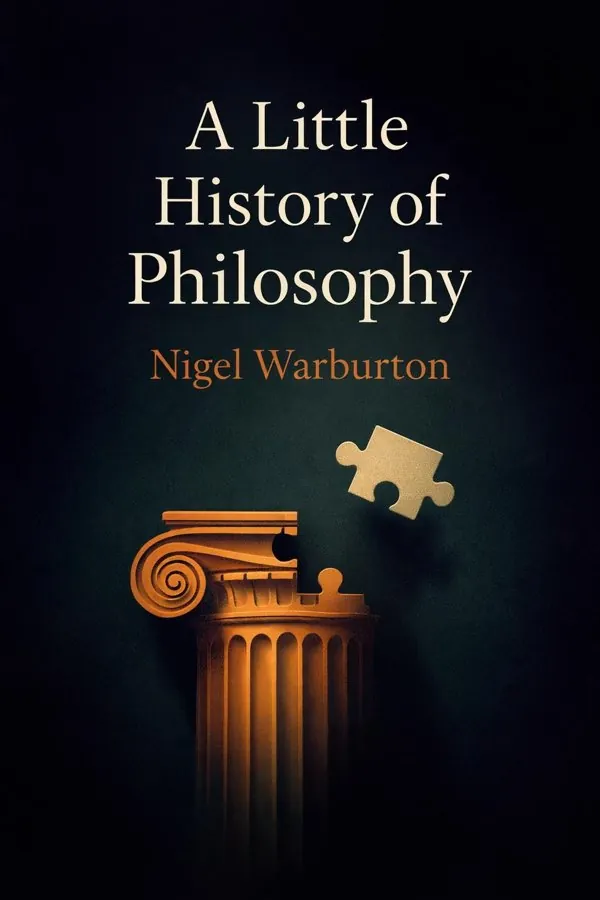
A Little History of Philosophy
Nigel Warburton
10 min
Areopagitica
John Milton
10 min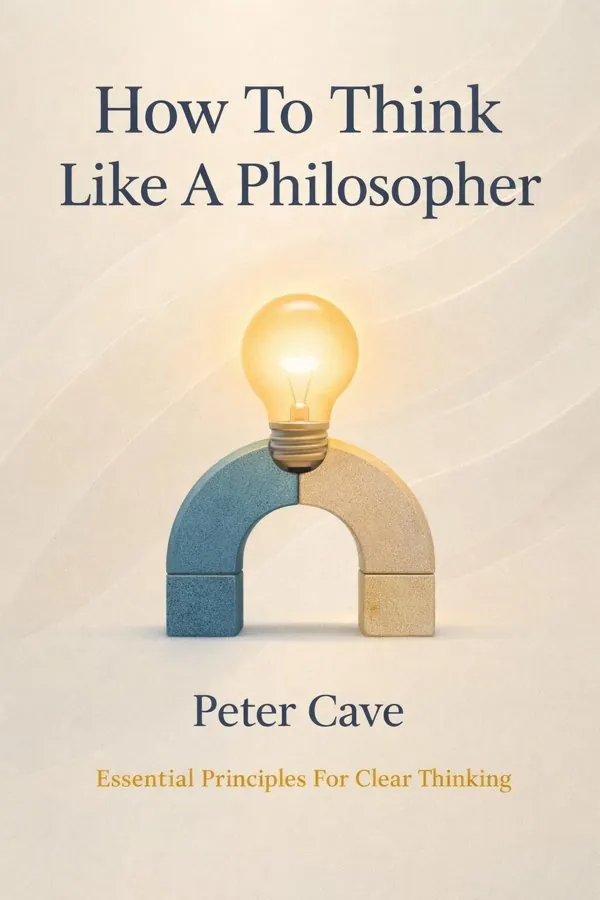
How To Think Like A Philosopher: Essential Principles For Clear Thinking
Peter Cave
10 min
Language, Truth and Logic
A. J. Ayer
10 min
The Age of Reason
Thomas Paine
10 min
The Essays
Michel De Montaigne
10 minBrowse by Category
Ready to read How to Think Like a Roman Emperor: The Stoic Philosophy of Marcus Aurelius?
Get the full summary and 100K+ more books with Fizz Moment.