
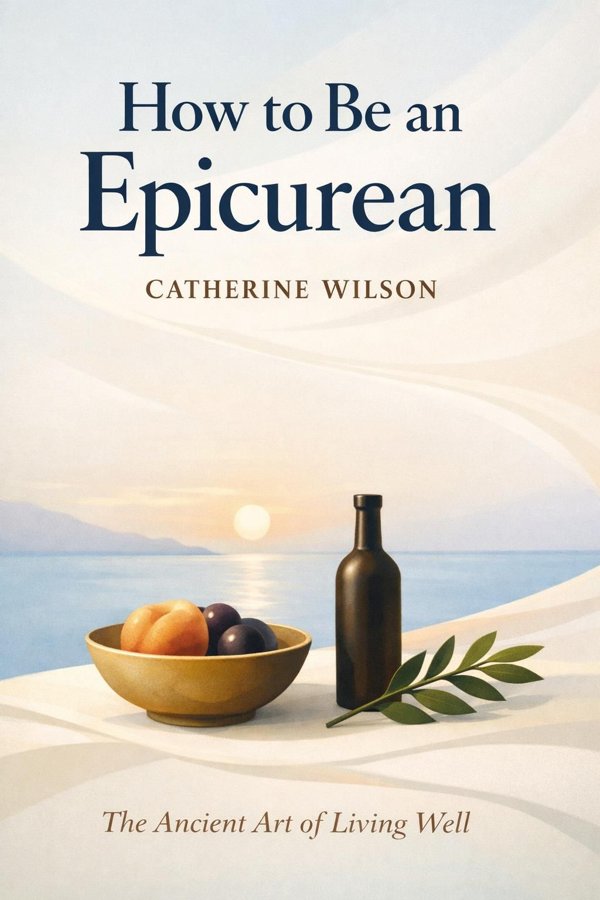
How to Be an Epicurean: The Ancient Art of Living Well: Summary & Key Insights
 10 min12 chaptersAudio available
What Is How to Be an Epicurean: The Ancient Art of Living Well About?
How to Be an Epicurean: The Ancient Art of Living Well by Catherine Wilson is a western_phil book spanning 12 pages. In this engaging philosophical guide, Catherine Wilson reintroduces Epicureanism as a practical philosophy for modern life. She explains how the ancient teachings of Epicurus—centered on pleasure, friendship, and freedom from fear—can help individuals live more fulfilling and ethical lives. Wilson dispels misconceptions about hedonism and shows that Epicureanism promotes moderation, rationality, and well-being.
This FizzRead summary covers all 12 key chapters of How to Be an Epicurean: The Ancient Art of Living Well in approximately 10 minutes, distilling the most important ideas, arguments, and takeaways from Catherine Wilson's work. Also available as an audio summary and Key Quotes Podcast.
How to Be an Epicurean: The Ancient Art of Living Well
In this engaging philosophical guide, Catherine Wilson reintroduces Epicureanism as a practical philosophy for modern life. She explains how the ancient teachings of Epicurus—centered on pleasure, friendship, and freedom from fear—can help individuals live more fulfilling and ethical lives. Wilson dispels misconceptions about hedonism and shows that Epicureanism promotes moderation, rationality, and well-being.
Who Should Read How to Be an Epicurean: The Ancient Art of Living Well?
This book is perfect for anyone interested in western_phil and looking to gain actionable insights in a short read. Whether you're a student, professional, or lifelong learner, the key ideas from How to Be an Epicurean: The Ancient Art of Living Well by Catherine Wilson will help you think differently.
- ✓Readers who enjoy western_phil and want practical takeaways
- ✓Professionals looking to apply new ideas to their work and life
- ✓Anyone who wants the core insights of How to Be an Epicurean: The Ancient Art of Living Well in just 10 minutes
Want the full summary?
Get instant access to this book summary and 100K+ more with Fizz Moment.
Get Free SummaryAvailable on App Store • Free to download
Key Chapters
Epicurus was born in 341 BCE on the island of Samos and lived during a time of political tumult in Greece. He founded his school, known as the Garden, near Athens—a deliberate alternative to the grand public spaces of other philosophical academies. The Garden welcomed not only men but also women and even slaves, a radical inclusion for its time. It was a place of quiet conversation, mutual care, and reflection. The core of Epicurus’s teaching—preserved through fragmentary texts, letters, and the poetic writings of Lucretius—was the pursuit of a life free from fear and unnecessary pain. Transmission of Epicurean thought through history was complex. The rise of Stoicism and Christianity virtually silenced Epicurean voices, largely because his worldview undermined fear of divine punishment and rejected the immortality of the soul. Nonetheless, his ideas survived: rediscovered during the Renaissance through Lucretius’s *De Rerum Natura*, they reshaped modern science and ethics by emphasizing nature’s material order and the role of rational pleasure in a good life. In my retelling, I invite readers to see Epicurus not as a relic of ancient hedonism, but as a pioneer of secular ethics—someone who anticipated Enlightenment humanism and even aspects of modern cognitive psychology. His concern was always practical: how to reduce suffering, nurture joy, and live wisely.
At the center of Epicurean thought is a simple but profound idea: pleasure is the highest good. But to understand this, we must first strip it from the cartoonish notion of nonstop indulgence. Pleasure, as Epicurus defined it, is the absence of pain and disturbance. A gentle equilibrium of the body and serenity of the mind—these constitute true happiness. Epicurus distinguished between three kinds of desires: natural and necessary (such as hunger, thirst, shelter, friendship), natural but unnecessary (like the taste for luxury food or ornament), and vain or empty (such as fame, power, or wealth beyond need). The aim of the wise person is to satisfy the first kind, enjoy the second in moderation, and avoid the third altogether. In modern life, this triad is invaluable. We are bombarded by desires that masquerade as needs, and Epicurean reasoning helps us to sort through them. Living well means finding contentment in what truly matters and seeing through the illusions generated by advertising, ambition, and status. In the Epicurean lens, morality grows out of this clarity. Ethical life results from understanding the sources of genuine pleasure—not self-denying virtue for its own sake, but a rational pursuit of peace and mutual benefit.
+ 10 more chapters — available in the FizzRead app
All Chapters in How to Be an Epicurean: The Ancient Art of Living Well
About the Author
Catherine Wilson is a British philosopher and professor known for her work in early modern philosophy, ethics, and the history of science. She has taught at universities including the University of York and the University of British Columbia, and has written extensively on moral philosophy and the relevance of classical thought to contemporary issues.
Get This Summary in Your Preferred Format
Read or listen to the How to Be an Epicurean: The Ancient Art of Living Well summary by Catherine Wilson anytime, anywhere. FizzRead offers multiple formats so you can learn on your terms — all free.
Available formats: App · Audio · PDF · EPUB — All included free with FizzRead
Download How to Be an Epicurean: The Ancient Art of Living Well PDF and EPUB Summary
Key Quotes from How to Be an Epicurean: The Ancient Art of Living Well
“Epicurus was born in 341 BCE on the island of Samos and lived during a time of political tumult in Greece.”
“At the center of Epicurean thought is a simple but profound idea: pleasure is the highest good.”
Frequently Asked Questions about How to Be an Epicurean: The Ancient Art of Living Well
How to Be an Epicurean: The Ancient Art of Living Well by Catherine Wilson is a western_phil book that explores key ideas across 12 chapters. In this engaging philosophical guide, Catherine Wilson reintroduces Epicureanism as a practical philosophy for modern life. She explains how the ancient teachings of Epicurus—centered on pleasure, friendship, and freedom from fear—can help individuals live more fulfilling and ethical lives. Wilson dispels misconceptions about hedonism and shows that Epicureanism promotes moderation, rationality, and well-being.
You Might Also Like
A Little History of Philosophy
Nigel Warburton
10 min
Areopagitica
John Milton
10 min
How To Think Like A Philosopher: Essential Principles For Clear Thinking
Peter Cave
10 min
Language, Truth and Logic
A. J. Ayer
10 min
The Age of Reason
Thomas Paine
10 min
The Essays
Michel De Montaigne
10 minBrowse by Category
Ready to read How to Be an Epicurean: The Ancient Art of Living Well?
Get the full summary and 100K+ more books with Fizz Moment.