
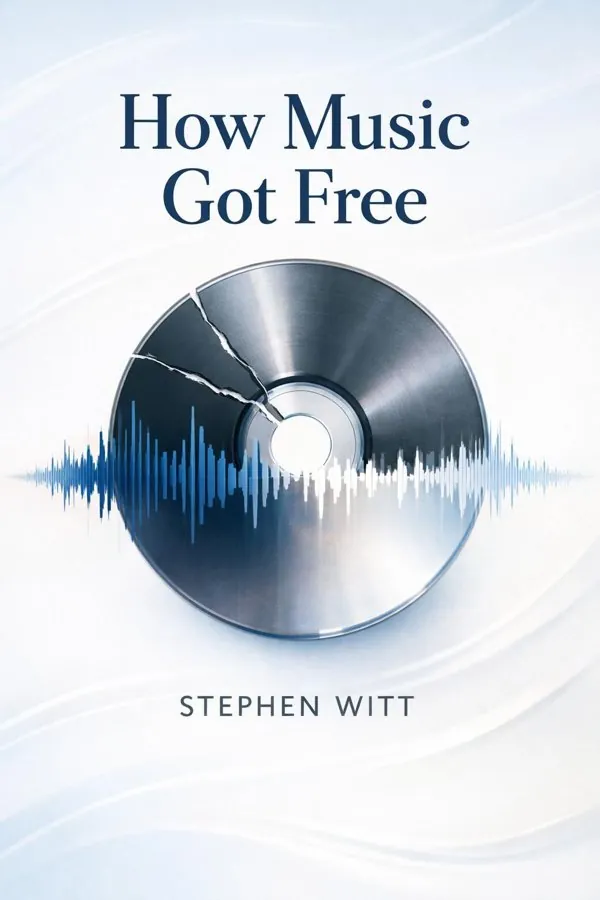
How Music Got Free: The End of an Industry, the Turn of the Century, and the Patient Zero of Piracy: Summary & Key Insights
by Stephen Witt
 10 min5 chaptersAudio available
What Is How Music Got Free: The End of an Industry, the Turn of the Century, and the Patient Zero of Piracy About?
How Music Got Free: The End of an Industry, the Turn of the Century, and the Patient Zero of Piracy by Stephen Witt is a music_film book spanning 5 pages. How Music Got Free es una investigación sobre la revolución digital que transformó la industria musical. Stephen Witt explora cómo la piratería, la compresión de audio y la distribución en línea cambiaron para siempre la forma en que se produce y consume la música, centrándose en las personas y tecnologías que impulsaron este cambio.
This FizzRead summary covers all 5 key chapters of How Music Got Free: The End of an Industry, the Turn of the Century, and the Patient Zero of Piracy in approximately 10 minutes, distilling the most important ideas, arguments, and takeaways from Stephen Witt's work. Also available as an audio summary and Key Quotes Podcast.
How Music Got Free: The End of an Industry, the Turn of the Century, and the Patient Zero of Piracy
How Music Got Free es una investigación sobre la revolución digital que transformó la industria musical. Stephen Witt explora cómo la piratería, la compresión de audio y la distribución en línea cambiaron para siempre la forma en que se produce y consume la música, centrándose en las personas y tecnologías que impulsaron este cambio.
Who Should Read How Music Got Free: The End of an Industry, the Turn of the Century, and the Patient Zero of Piracy?
This book is perfect for anyone interested in music_film and looking to gain actionable insights in a short read. Whether you're a student, professional, or lifelong learner, the key ideas from How Music Got Free: The End of an Industry, the Turn of the Century, and the Patient Zero of Piracy by Stephen Witt will help you think differently.
- ✓Readers who enjoy music_film and want practical takeaways
- ✓Professionals looking to apply new ideas to their work and life
- ✓Anyone who wants the core insights of How Music Got Free: The End of an Industry, the Turn of the Century, and the Patient Zero of Piracy in just 10 minutes
Want the full summary?
Get instant access to this book summary and 100K+ more with Fizz Moment.
Get Free SummaryAvailable on App Store • Free to download
Key Chapters
The digital revolution in music began not with rock stars or record labels, but with a quiet group of engineers in a Bavarian lab. At the Fraunhofer Institute in Erlangen, Karlheinz Brandenburg and his colleagues were obsessed with one seemingly impossible goal: how to compress sound. Their early challenge was technical, mathematical, and psychological all at once—how to teach computers to hear what the human ear does not. Brandenburg’s team spent years testing psychoacoustic models, conducting endless trials with listeners to determine which frequencies could be discarded without perceptible loss. The result, after a decade of refinement, was a lightweight algorithm that turned a bulky audio file into an MP3.
Yet invention alone didn’t guarantee revolution. The music industry mocked the MP3, clinging to CDs and existing revenue models. Even Fraunhofer’s own licensing attempts faltered. The format found no friends among executives who saw only piracy and degradation. But meanwhile, the public internet was quietly awakening, and the MP3 was about to meet its medium.
From my perspective, the magic of Brandenburg’s breakthrough was that it misbehaved. It enabled anyone, anywhere, to take the same music the industry sold for twenty dollars a disc and send it through a digital keyhole in seconds. The MP3 became not just a compression tool, but a cultural detonator. In its clarity and smallness lay a subversive promise—the democratization of sound.
Every revolution has its foot soldiers, and Dell Glover was one of mine. Working at the CD manufacturing plant in North Carolina, Glover lived two lives: by day, a line worker burning discs for the biggest labels in the world; by night, a digital smuggler, part of a secret network that uploaded music to desperate fans weeks before release. Inside that factory, he handled pre-release albums from artists like Eminem, Kanye West, and 50 Cent—music no one outside the plant was supposed to hear. But through his connections to underground piracy crews, these sounds escaped, flooding servers across the globe. Glover himself never made a fortune. He did it for the thrill, for the recognition within his digital tribe.
Following his story allowed me to trace how piracy wasn’t just a technological problem; it was a human one. People shared music because they loved it, because ownership in the digital age meant something different than it did before. The control that record companies had built—disc by disc, store by store—was cracked from the inside. Each leak widened the hole between supply and demand, until the premise of scarcity collapsed. Once music became data, it wanted to move freely.
Glover’s role embodied the paradox of the age: he was both a loyal employee and a rebel, part of a system that was efficiently destroying itself. When we think about piracy, we often imagine teenagers downloading files. But in truth, the most consequential pirates were adults in uniforms, working the machines of the old order.
+ 3 more chapters — available in the FizzRead app
All Chapters in How Music Got Free: The End of an Industry, the Turn of the Century, and the Patient Zero of Piracy
About the Author
Stephen Witt es un periodista y escritor estadounidense especializado en temas de tecnología y cultura digital. Ha colaborado con medios como The New Yorker y The New York Times, y es conocido por su análisis sobre la evolución de la industria musical en la era digital.
Get This Summary in Your Preferred Format
Read or listen to the How Music Got Free: The End of an Industry, the Turn of the Century, and the Patient Zero of Piracy summary by Stephen Witt anytime, anywhere. FizzRead offers multiple formats so you can learn on your terms — all free.
Available formats: App · Audio · PDF · EPUB — All included free with FizzRead
Download How Music Got Free: The End of an Industry, the Turn of the Century, and the Patient Zero of Piracy PDF and EPUB Summary
Key Quotes from How Music Got Free: The End of an Industry, the Turn of the Century, and the Patient Zero of Piracy
“The digital revolution in music began not with rock stars or record labels, but with a quiet group of engineers in a Bavarian lab.”
“Every revolution has its foot soldiers, and Dell Glover was one of mine.”
Frequently Asked Questions about How Music Got Free: The End of an Industry, the Turn of the Century, and the Patient Zero of Piracy
How Music Got Free: The End of an Industry, the Turn of the Century, and the Patient Zero of Piracy by Stephen Witt is a music_film book that explores key ideas across 5 chapters. How Music Got Free es una investigación sobre la revolución digital que transformó la industria musical. Stephen Witt explora cómo la piratería, la compresión de audio y la distribución en línea cambiaron para siempre la forma en que se produce y consume la música, centrándose en las personas y tecnologías que impulsaron este cambio.
You Might Also Like
Beethoven: A Documentary Study
H. C. Robbins Landon
10 min
Cinema Speculation
Quentin Tarantino
10 min
Deep Listening: A Composer's Sound Practice
Pauline Oliveros
10 min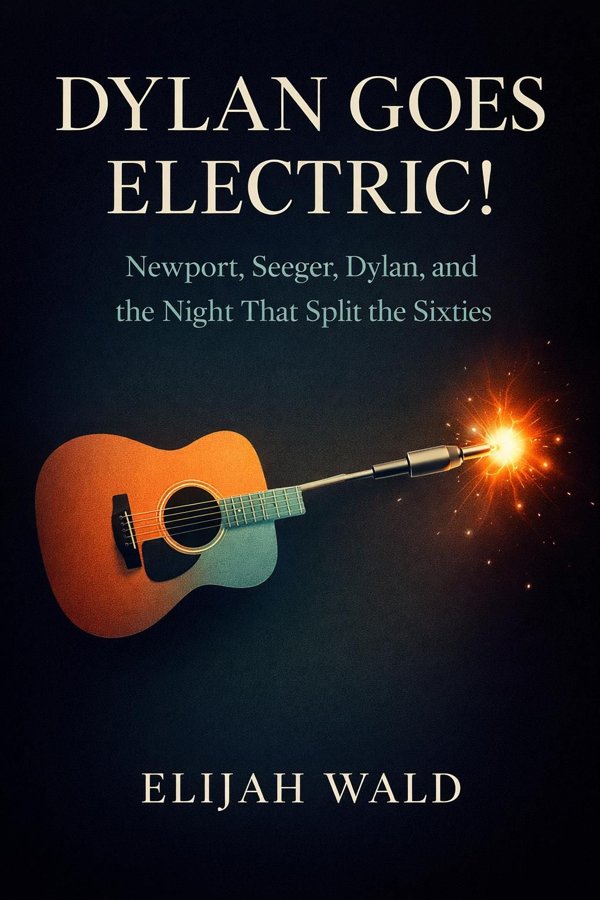
Dylan Goes Electric!: Newport, Seeger, Dylan, and the Night That Split the Sixties
Elijah Wald
10 min
Future Frames
Maria Walsh
10 min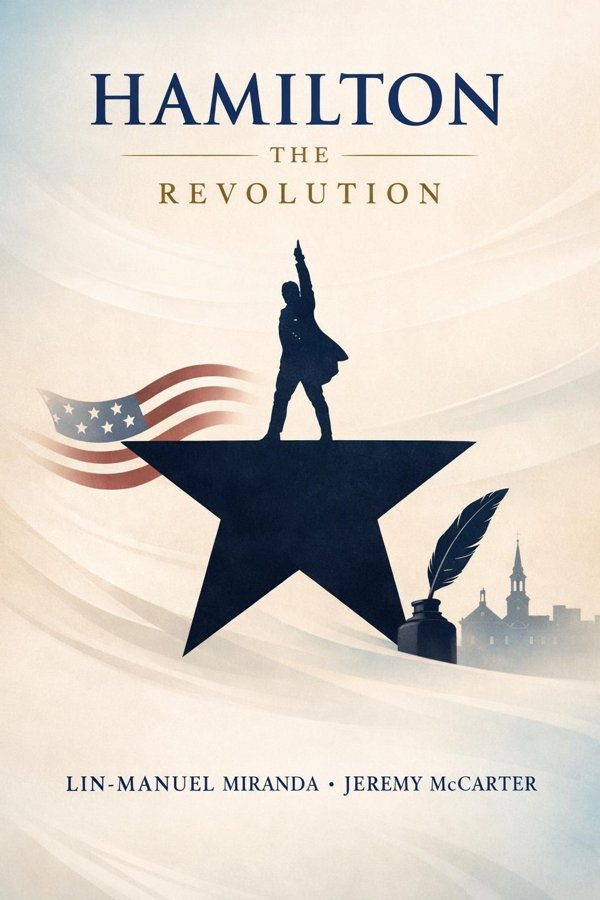
Hamilton: The Revolution: Being the Complete Libretto of the Broadway Musical, with a True Account of Its Creation, and Concise Remarks on Hip-Hop, the Power of Stories, and the New America
Lin-Manuel Miranda, Jeremy McCarter
10 minBrowse by Category
Ready to read How Music Got Free: The End of an Industry, the Turn of the Century, and the Patient Zero of Piracy?
Get the full summary and 100K+ more books with Fizz Moment.