
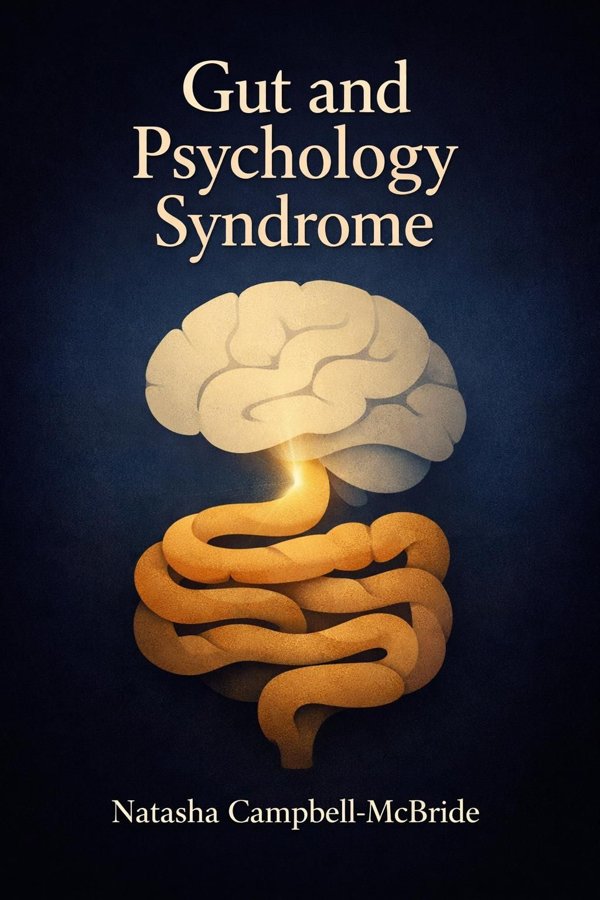
Gut and Psychology Syndrome: Natural Treatment for Autism, ADHD, Dyslexia, Dyspraxia, Depression and Schizophrenia: Summary & Key Insights
 10 min6 chaptersAudio available
What Is Gut and Psychology Syndrome: Natural Treatment for Autism, ADHD, Dyslexia, Dyspraxia, Depression and Schizophrenia About?
Gut and Psychology Syndrome: Natural Treatment for Autism, ADHD, Dyslexia, Dyspraxia, Depression and Schizophrenia by Natasha Campbell-McBride is a health_med book spanning 6 pages. Gut and Psychology Syndrome (GAPS) presents Dr. Natasha Campbell-McBride’s theory that many neurological and psychological conditions stem from imbalances in the gut microbiome. The book outlines the GAPS diet, a nutritional protocol designed to heal the digestive system and restore mental and physical health. It provides detailed guidance on food preparation, detoxification, and lifestyle changes aimed at improving conditions such as autism, ADHD, dyslexia, depression, and schizophrenia.
This FizzRead summary covers all 6 key chapters of Gut and Psychology Syndrome: Natural Treatment for Autism, ADHD, Dyslexia, Dyspraxia, Depression and Schizophrenia in approximately 10 minutes, distilling the most important ideas, arguments, and takeaways from Natasha Campbell-McBride's work. Also available as an audio summary and Key Quotes Podcast.
Gut and Psychology Syndrome: Natural Treatment for Autism, ADHD, Dyslexia, Dyspraxia, Depression and Schizophrenia
Gut and Psychology Syndrome (GAPS) presents Dr. Natasha Campbell-McBride’s theory that many neurological and psychological conditions stem from imbalances in the gut microbiome. The book outlines the GAPS diet, a nutritional protocol designed to heal the digestive system and restore mental and physical health. It provides detailed guidance on food preparation, detoxification, and lifestyle changes aimed at improving conditions such as autism, ADHD, dyslexia, depression, and schizophrenia.
Who Should Read Gut and Psychology Syndrome: Natural Treatment for Autism, ADHD, Dyslexia, Dyspraxia, Depression and Schizophrenia?
This book is perfect for anyone interested in health_med and looking to gain actionable insights in a short read. Whether you're a student, professional, or lifelong learner, the key ideas from Gut and Psychology Syndrome: Natural Treatment for Autism, ADHD, Dyslexia, Dyspraxia, Depression and Schizophrenia by Natasha Campbell-McBride will help you think differently.
- ✓Readers who enjoy health_med and want practical takeaways
- ✓Professionals looking to apply new ideas to their work and life
- ✓Anyone who wants the core insights of Gut and Psychology Syndrome: Natural Treatment for Autism, ADHD, Dyslexia, Dyspraxia, Depression and Schizophrenia in just 10 minutes
Want the full summary?
Get instant access to this book summary and 100K+ more with Fizz Moment.
Get Free SummaryAvailable on App Store • Free to download
Key Chapters
When I began observing my patients, what struck me most was how consistently digestive issues mirrored neurological symptoms. Children with learning disabilities often suffered bloating, constipation, and allergies; adults with depression had chronic fatigue and poor absorption; schizophrenic patients frequently showed signs of intestinal toxicity. Science later confirmed what my clinic taught me intuitively: the gut and brain are in constant communication through the vagus nerve, hormones, and immune signals. This relationship—the gut–brain axis—means that disturbances in one inevitably ripple across the other.
Inside the bowels live billions of microorganisms: bacteria, yeasts, and viruses forming a lush ecosystem called the intestinal microbiota. When this flora is balanced, beneficial bacteria produce vital nutrients, protect the gut lining, and coordinate immunity. But when disrupted—often by poor diet, antibiotics, stress, or toxins—it becomes a source of inflammation and neurotoxicity. Harmful microbes produce chemicals that breach the intestinal wall, enter the bloodstream, and reach the brain, influencing behavior and mood.
This is not speculation. Research shows that gut bacteria directly affect neurotransmitters such as serotonin and dopamine. If the digestive system falters, the brain loses its signal clarity. I often tell parents: imagine your child’s brain receiving constant static from a malfunctioning gut—how could learning, focus, or calm reasoning thrive? By restoring gut integrity, we remove that static.
Through GAPS, we explore the biological chain connecting food, digestion, and psychology. Understanding it changes how we view mental health—it ceases to be purely an issue of brain chemistry and becomes an issue of systemic ecology. Once the intestines regain structure and microbial balance, emotional stability and cognitive progress follow naturally.
I have seen these changes firsthand: aggression turning to affection, confusion giving way to communication. When the gut heals, the brain listens. That is the essence of the GAPS insight.
In every GAPS patient, whether a child with autism or an adult battling severe depression, I see the same underlying factor: gut dysbiosis. Dysbiosis means the natural balance of intestinal flora has been broken. Some bacteria overgrow, others vanish, and pathogenic organisms flourish. The consequences are chemical chaos.
When beneficial microbes are lost, digestion becomes incomplete. Food particles linger and putrefy, feeding toxic bacteria and yeasts. These organisms produce poisons—ammonia, phenols, aldehydes—that permeate the intestinal barrier. They reach the liver and bloodstream, burdening detox systems and ultimately invading the brain. There, they interfere with neurotransmission, sometimes causing extreme behavioral changes.
In children, this may manifest as developmental regression—speech loss, sensory overload, hyperactivity. In adults, it appears as chronic fatigue, anxiety, memory issues, or even psychosis. The pattern reveals the same story: impaired digestion leads to poisoning of the body and clouding of the mind.
I remember one parent asking, 'How could my child’s intestinal bacteria cause tantrums and obsession?' The answer lies in biochemistry. Gut flora produce not only vitamins and enzymes but also molecular messengers. A sick gut produces harmful messengers instead. They distort brain communication. The child’s behavior is not a mystery—it is biochemistry gone awry.
Healing begins when we remove toxic load and repopulate beneficial flora. Fermented foods—sauerkraut, kefir, yogurt—are powerful allies. They reintroduce probiotics naturally and train the body to digest and detoxify. Over time, the brain regains harmony because its biochemical source—the gut—has been cleared.
This understanding gives parents and patients power. Instead of treating psychiatric symptoms with drugs alone, we work at their origin. Dysbiosis may sound technical, but it is simply imbalance. Balance is what we aim for—and through nutrition, it is achievable.
+ 4 more chapters — available in the FizzRead app
All Chapters in Gut and Psychology Syndrome: Natural Treatment for Autism, ADHD, Dyslexia, Dyspraxia, Depression and Schizophrenia
About the Author
Dr. Natasha Campbell-McBride is a Russian-born medical doctor with postgraduate degrees in neurology and human nutrition. She developed the GAPS nutritional protocol based on her clinical experience treating patients with neurological and digestive disorders. She is the founder of the GAPS concept and has lectured internationally on the connection between gut health and mental well-being.
Get This Summary in Your Preferred Format
Read or listen to the Gut and Psychology Syndrome: Natural Treatment for Autism, ADHD, Dyslexia, Dyspraxia, Depression and Schizophrenia summary by Natasha Campbell-McBride anytime, anywhere. FizzRead offers multiple formats so you can learn on your terms — all free.
Available formats: App · Audio · PDF · EPUB — All included free with FizzRead
Download Gut and Psychology Syndrome: Natural Treatment for Autism, ADHD, Dyslexia, Dyspraxia, Depression and Schizophrenia PDF and EPUB Summary
Key Quotes from Gut and Psychology Syndrome: Natural Treatment for Autism, ADHD, Dyslexia, Dyspraxia, Depression and Schizophrenia
“When I began observing my patients, what struck me most was how consistently digestive issues mirrored neurological symptoms.”
“In every GAPS patient, whether a child with autism or an adult battling severe depression, I see the same underlying factor: gut dysbiosis.”
Frequently Asked Questions about Gut and Psychology Syndrome: Natural Treatment for Autism, ADHD, Dyslexia, Dyspraxia, Depression and Schizophrenia
Gut and Psychology Syndrome: Natural Treatment for Autism, ADHD, Dyslexia, Dyspraxia, Depression and Schizophrenia by Natasha Campbell-McBride is a health_med book that explores key ideas across 6 chapters. Gut and Psychology Syndrome (GAPS) presents Dr. Natasha Campbell-McBride’s theory that many neurological and psychological conditions stem from imbalances in the gut microbiome. The book outlines the GAPS diet, a nutritional protocol designed to heal the digestive system and restore mental and physical health. It provides detailed guidance on food preparation, detoxification, and lifestyle changes aimed at improving conditions such as autism, ADHD, dyslexia, depression, and schizophrenia.
You Might Also Like
On Immunity
Eula Biss
10 min
The Three-Body Problem
Liu Cixin
10 min
Community Health Volunteer Toolkit: Training and Practical Activities
World Health Organization
10 min
Healing Back Pain: The Mind-Body Connection
John E. Sarno
10 min
Health Literacy for All: Practical Guides to Communicate Health Information (Compilations)
World Health Organization
10 min
The Complete Guide to Sports Supplements: An Evidence-Based Review
Anita Bean
10 minBrowse by Category
Ready to read Gut and Psychology Syndrome: Natural Treatment for Autism, ADHD, Dyslexia, Dyspraxia, Depression and Schizophrenia?
Get the full summary and 100K+ more books with Fizz Moment.