
Why We Sleep vs The Obesity Code: Which Should You Read?
A detailed comparison of Why We Sleep by Matthew Walker and The Obesity Code by Jason Fung. Discover the key differences, strengths, and which book is right for you.
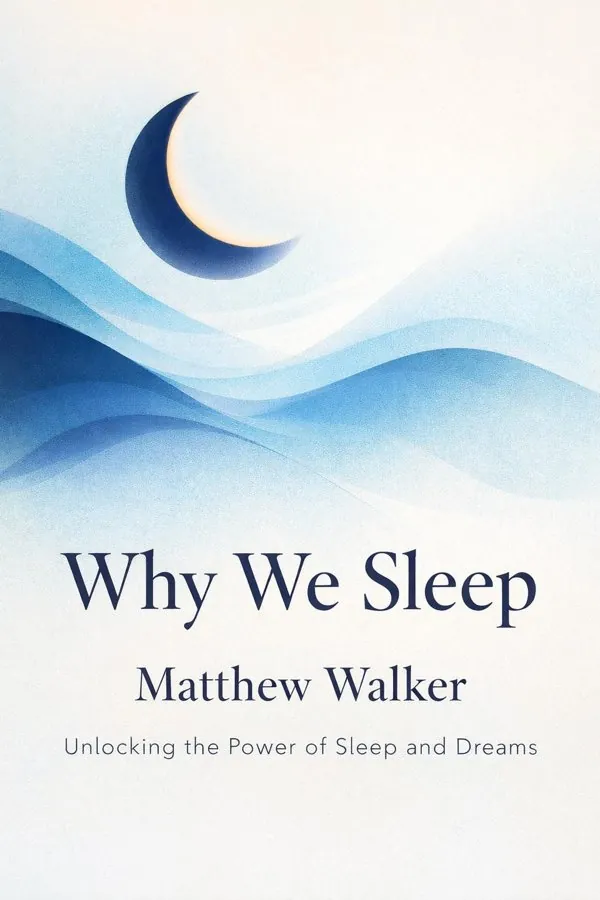
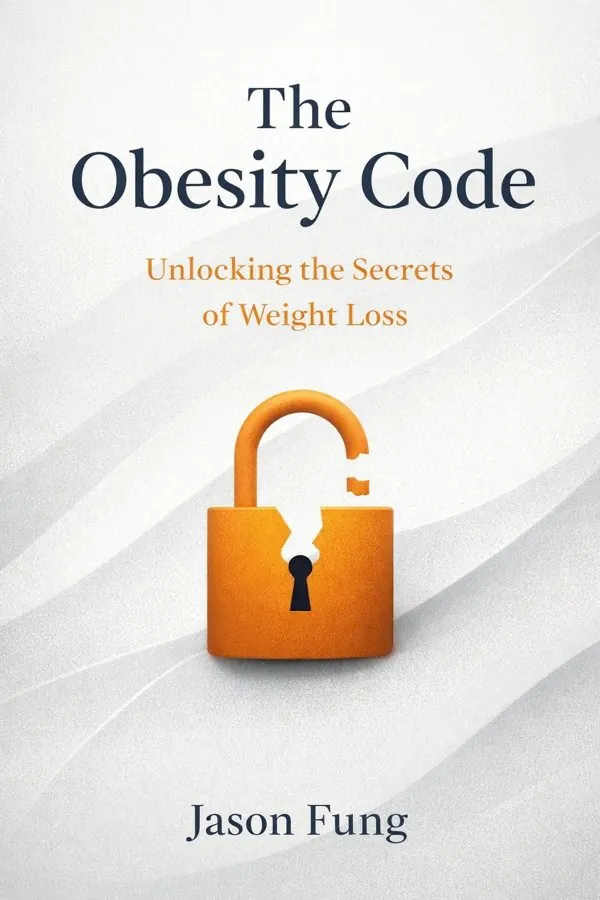
Why We Sleep
The Obesity Code
In-Depth Analysis
At a high level, Why We Sleep and The Obesity Code are both corrective health books: each tells readers that a major pillar of well-being has been misunderstood by modern culture. But they differ sharply in scope, method, and the type of transformation they ask of the reader. Matthew Walker’s book is expansive and systems-oriented, arguing that sleep underlies almost every dimension of physical and mental function. Jason Fung’s book is more targeted and insurgent, arguing that obesity is not fundamentally about overeating in a simplistic caloric sense but about hormonal regulation, especially insulin. One book says, in effect, “You are underestimating a universal biological necessity”; the other says, “You have been given the wrong framework for a specific but widespread health problem.”
Walker’s central advantage is breadth. Why We Sleep begins with the proposition that sleep is evolutionarily ancient and nearly universal, which immediately elevates sleep from a lifestyle choice to a biological imperative. From there, he explains sleep architecture: non-REM and REM stages, 90-minute cycles, and the changing proportion of stages across the night. This structural explanation matters because it supports later arguments about function. Deep non-REM sleep helps stabilize memories and transfer information; REM sleep helps with emotional processing, creativity, and associative thinking. In other words, Walker does not simply say sleep is “good for you.” He maps different forms of sleep onto different forms of repair and cognition.
That systems thinking is what makes Why We Sleep compelling for a broad audience. A student can connect it to learning and memory consolidation. A parent can connect it to child development and emotional stability. A professional can connect it to reaction time, judgment, and productivity. Walker’s repeated warnings about sleep deprivation are among the book’s most memorable passages because they bring abstraction into everyday life: drowsy driving, poor decision-making, unstable mood, weakened immunity, and chronic disease risk. The emotional force of the book comes from showing that sleep loss is not merely unpleasant but dangerous, cumulative, and normalized.
Fung’s book, by contrast, is strongest when it attacks a dominant assumption. The Obesity Code’s signature move is to challenge the calorie-balance model as an insufficient explanation for obesity. Fung argues that when conventional diets fail, the failure is not simply one of willpower; rather, the body is hormonally adapting, with insulin acting as a central fat-storage signal. This reframing is psychologically powerful because it turns obesity from a character flaw into a metabolic process. Readers who have cycled through restrictive diets may find this explanation deeply validating.
The book’s historical overview also serves an important rhetorical function. By tracing how calorie thinking became dominant, Fung shows that scientific paradigms can harden into dogma even when outcomes remain poor. He then uses insulin to reorganize the conversation: frequent eating raises insulin repeatedly, elevated insulin promotes storage, and insulin resistance worsens the cycle. Whether one fully accepts the extent of his emphasis, this framework gives the book coherence and immediate practical consequences. Unlike Walker, who mostly persuades readers to respect a biological need, Fung gives a more explicit program: lower insulin exposure through fasting and dietary changes.
This points to a major difference in actionability. Why We Sleep is behavior-changing in an indirect but profound way. It makes readers less willing to glorify all-nighters, late-night work, or chronic short sleep. Yet its practical recommendations are distributed across many domains: honor circadian rhythms, allow sufficient time in bed, avoid sabotaging sleep quality, and stop treating sleep as optional. The Obesity Code is more procedural. Readers can implement fasting windows, alter meal timing, and reduce refined carbohydrates almost immediately. For people seeking a plan, Fung may feel more useful on day one.
Still, Walker’s book is arguably more universal. Every human sleeps; not every reader is struggling with obesity. Sleep is the substrate on which learning, immunity, mood, and metabolic regulation rest. In fact, an interesting point of overlap between the books is that poor sleep and poor metabolic health likely reinforce each other. Walker emphasizes hormonal disruption, appetite changes, and physiological stress under sleep deprivation, while Fung emphasizes endocrine regulation and eating patterns. Read together, the books suggest that weight and health are not isolated outcomes but parts of an interconnected biological system.
In terms of scientific tone, Walker generally appears more synthetic, drawing from multiple disciplines to show converging evidence. Fung is more prosecutorial, marshalling evidence in service of overturning a prevailing view. This affects trust. Walker can feel more comprehensive, though sometimes more absolute in his warnings than some critics would like. Fung can feel more empowering, though sometimes more reductionist when obesity’s complexity is compressed into insulin-centric logic. The difference is not just factual but rhetorical: Walker builds urgency through accumulation; Fung builds conviction through contrast.
If Why We Sleep has a weakness, it is that its practical guidance can feel less concrete than its diagnosis. Readers may be fully convinced that sleep matters yet still need additional resources to solve insomnia, shift-work realities, or household constraints. If The Obesity Code has a weakness, it is that its model can seem too tidy for a condition shaped by genetics, environment, stress, sleep, food quality, psychology, and socioeconomic factors. Its explanatory power is strongest when correcting simplistic calorie narratives, but it can overstate the centrality of one hormone in a multi-causal problem.
Ultimately, these books serve different but complementary purposes. Why We Sleep is the stronger book if you want a foundational understanding of human health that will reshape how you think about performance, aging, and daily functioning. The Obesity Code is the stronger book if your immediate concern is weight, insulin resistance, or the frustration of failed dieting. Walker asks readers to stop stealing from biology; Fung asks them to stop obeying the wrong metabolic story. Both challenge modern habits, but Walker changes your view of life’s rhythms, while Fung changes your view of food, fasting, and fat storage.
Side-by-Side Comparison
| Aspect | Why We Sleep | The Obesity Code |
|---|---|---|
| Core Philosophy | Why We Sleep argues that sleep is a foundational biological necessity, not a lifestyle luxury. Walker’s core claim is that cognition, emotional regulation, disease prevention, and longevity all depend on protecting sleep quantity and quality. | The Obesity Code argues that obesity is primarily a hormonal disorder rather than a simple math problem of calories in versus calories out. Fung centers insulin as the main regulator of fat storage and presents fasting and dietary timing as key tools for metabolic repair. |
| Writing Style | Walker writes in a vivid, urgent, and explanatory style, often using dramatic examples from sleep labs, driving impairment, and epidemiological studies. His tone is accessible but carries a strong warning: modern society is underestimating a major health threat. | Fung writes in a more argumentative and revisionist style, frequently positioning his ideas against mainstream dietary advice. The prose is direct and persuasive, with a clinician’s confidence and a repeated effort to dismantle calorie-counting orthodoxy. |
| Practical Application | Why We Sleep offers practical implications such as protecting regular sleep schedules, reducing late-night stimulation, and respecting circadian rhythms, though it is more explanatory than prescriptive. Its main practical power lies in changing behavior through fear, evidence, and understanding. | The Obesity Code is more intervention-oriented, explicitly recommending intermittent fasting, lowering refined carbohydrates, and reconsidering meal frequency. It gives readers a clearer behavioral framework for changing weight-related habits. |
| Target Audience | Walker’s book suits general readers, students, professionals, parents, and anyone interested in brain health, performance, or preventive medicine. It is especially relevant for people sacrificing sleep for work, study, or productivity. | Fung’s book is aimed at readers concerned with weight loss, insulin resistance, type 2 diabetes, and metabolic health. It especially appeals to those frustrated by repeated failure with conventional low-calorie dieting. |
| Scientific Rigor | Why We Sleep draws broadly from neuroscience, sleep medicine, chronobiology, and public health research, explaining REM, non-REM, memory consolidation, and disease correlations in substantial detail. Although some critics have challenged parts of Walker’s framing and degree of certainty, the book is deeply rooted in scientific literature. | The Obesity Code uses historical nutrition research, endocrinology, and clinical reasoning to challenge conventional obesity models. However, its strongest claims can feel more selective and polemical, especially when reducing a complex condition to insulin-centered explanations. |
| Emotional Impact | Walker creates a strong sense of alarm by connecting short sleep to accidents, impaired learning, depression, cardiovascular risk, and even Alzheimer’s-related mechanisms. Many readers come away unsettled, newly protective of sleep, and more aware of social norms that reward exhaustion. | Fung’s emotional effect is often liberating rather than alarming: he offers readers a new explanation for failed diets that reduces shame and reframes obesity as a hormonal trap, not a moral weakness. That said, his critique of standard advice can also provoke anger toward outdated nutritional guidance. |
| Actionability | The book is moderately actionable because it motivates sleep hygiene, consistent bedtimes, and reduced sleep neglect, but it does not revolve around a single protocol. Its recommendations are important but diffuse, spread across habits and awareness. | The book is highly actionable because it translates its theory into concrete practices such as fasting windows, meal timing adjustments, and reducing insulin-spiking foods. Readers can begin experimenting with its framework almost immediately. |
| Depth of Analysis | Why We Sleep offers broad systems-level analysis, linking sleep architecture to learning, emotional processing, immunity, hormones, and lifespan. Its strength is showing how one biological process affects nearly every domain of health. | The Obesity Code provides depth within a narrower lane, drilling into obesity history, insulin dynamics, and the failure of calorie-restriction models. Its analysis is strongest when tracing how repeated eating patterns and hormonal responses can sustain weight gain. |
| Readability | Walker makes complex neuroscience unusually readable through analogies, repeated framing, and memorable examples such as all-nighters, drowsy driving, and dream research. Even when discussing sleep cycles, the narrative remains clear for non-specialists. | Fung is also accessible, especially for readers who like contrarian arguments and practical health books. Some sections become repetitive because he repeatedly attacks the calorie model from multiple angles, but that repetition also reinforces the thesis. |
| Long-term Value | Why We Sleep has durable value because sleep affects every reader regardless of age, weight, or dietary philosophy. Its core message remains relevant as a lifelong framework for health, learning, and performance. | The Obesity Code has high long-term value for readers actively managing weight or metabolic disease, but its usefulness is more goal-specific. If a reader’s primary concern is not obesity or insulin-related health, its relevance may feel narrower than Walker’s. |
Key Differences
Universal Foundation vs Targeted Metabolic Thesis
Why We Sleep is about a biological necessity that affects everyone, whether the issue is learning, emotional stability, immune function, or aging. The Obesity Code is narrower and more problem-focused, aimed primarily at obesity, insulin resistance, and the failure of standard dieting approaches.
Explanatory Science vs Contrarian Reframing
Walker mostly explains how the body already works, using sleep cycles, REM and non-REM stages, and neuroscience findings to reveal hidden functions. Fung’s method is more oppositional: he spends significant energy arguing that accepted calorie-based thinking is wrong or incomplete, then replaces it with an insulin-centered model.
Distributed Habit Change vs Clear Intervention Protocol
Why We Sleep changes behavior by making readers respect sleep hygiene, schedules, and circadian consistency, but it does not revolve around one central practice. The Obesity Code is built around more concrete interventions like intermittent fasting, meal timing, and lowering foods that repeatedly spike insulin.
Alarm-Driven Tone vs Liberation-Driven Tone
Walker often persuades through urgency, especially when discussing accidents, impaired cognition, and disease risks from chronic sleep loss. Fung more often persuades by relief: he tells readers their failed diets may reflect flawed advice and hormonal resistance, not personal weakness.
Systems Biology vs Hormonal Centrality
Why We Sleep connects one process to many systems at once: brain plasticity, immunity, emotional processing, cardiovascular health, and longevity. The Obesity Code gives more central explanatory power to insulin, which creates a strong framework but can feel more reductionist when applied to the full complexity of obesity.
Broad Relevance vs Goal-Specific Relevance
A college student, executive, athlete, parent, or retiree can all take immediate value from Walker’s argument because sleep is universally necessary. Fung’s value becomes strongest when a reader is specifically concerned with weight, blood sugar, fasting, or persistent metabolic dysfunction.
Behavior Through Respect vs Behavior Through Strategy
Walker wants readers to stop treating sleep as expendable and to rebuild their lives around biological limits. Fung wants readers to use a strategic metabolic approach, especially by reducing feeding frequency and rethinking how hormones respond to modern eating patterns.
Who Should Read Which?
The overstretched professional or student running on too little sleep
→ Why We Sleep
This reader is likely sacrificing rest for deadlines, productivity, or study and may underestimate the cognitive and emotional cost. Walker’s discussion of memory consolidation, reaction time, and impaired judgment will feel directly relevant and may lead to immediate lifestyle changes.
The frustrated dieter who has regained weight repeatedly
→ The Obesity Code
Fung speaks directly to readers who feel betrayed by calorie-counting and constant hunger. His insulin-centered framework and emphasis on fasting offer a new model that can feel more sustainable and less blame-based than traditional diet advice.
The health generalist who wants the biggest return from one book
→ Why We Sleep
If a reader wants one book with broad relevance across mood, learning, disease prevention, and daily performance, Walker offers the wider foundation. Even readers interested in nutrition or exercise will benefit from understanding sleep as the platform on which other health behaviors depend.
Which Should You Read First?
Read Why We Sleep first, then The Obesity Code. Walker’s book provides the better foundation because it clarifies how deeply basic physiology shapes everything else: cognition, mood, recovery, hormones, appetite, and long-term health. Once you understand that sleep deprivation can alter judgment, impulse control, stress, and metabolic regulation, you are better prepared to evaluate any nutrition or weight-loss framework without treating it in isolation. Then read The Obesity Code as a more specialized application to metabolism and body weight. Fung’s arguments about insulin, meal timing, and fasting become more meaningful when you already appreciate that the body is an interconnected system rather than a simple calorie calculator. Reading in this order also reduces the risk of treating obesity as a standalone problem detached from sleep, stress, and biological rhythm. If, however, your immediate issue is obesity or prediabetes, you could reverse the order for urgency. But for most readers, Walker first and Fung second creates the clearest progression from foundational health literacy to focused metabolic strategy.
Want the full summary?
Get instant access to this book summary and 100K+ more with Fizz Moment.
Get Free SummaryAvailable on App Store • Free to download
Frequently Asked Questions
Is Why We Sleep better than The Obesity Code for beginners?
For most general-health beginners, Why We Sleep is the better starting point because its subject is universal and its explanations are easier to connect to daily life. Nearly everyone has experienced fatigue, poor concentration, or mood changes after bad sleep, so Walker’s argument lands quickly. The Obesity Code is also accessible, but it assumes a stronger interest in diet debates, insulin, fasting, and obesity treatment. If you are new to health books and want the broadest possible payoff, start with sleep. If your main concern is weight loss or metabolic health, Fung may feel more immediately relevant.
Which book is more practical: Why We Sleep or The Obesity Code?
The Obesity Code is more practical in the narrow sense of giving readers a clearer intervention path. Fung links his theory directly to intermittent fasting, reducing insulin-spiking foods, and changing meal frequency, so readers can act on the book quickly. Why We Sleep is practical in a broader behavioral sense: it can transform how you prioritize bedtime, screen habits, scheduling, caffeine timing, and recovery. But Walker’s book is more about understanding consequences than following a specific protocol. If you want a step-by-step behavior framework, Fung is more actionable.
Is The Obesity Code more scientifically controversial than Why We Sleep?
Yes, generally speaking, The Obesity Code is more controversial because it centers obesity so heavily on insulin and hormonal regulation, which some experts see as an oversimplification of a multifactorial condition. Why We Sleep also has its critics, especially around certain claims and the degree of certainty in some interpretations, but its core thesis that sleep is biologically essential is widely accepted. The difference is that Walker is emphasizing an established pillar of health, while Fung is actively challenging mainstream dietary frameworks. Readers should approach both books thoughtfully, but especially read Fung alongside other nutrition perspectives.
Should I read Why We Sleep if my main goal is weight loss?
Yes, because sleep is directly relevant to weight regulation even if the book is not primarily a diet book. Walker explains that sleep deprivation disrupts hormones, appetite regulation, stress responses, and decision-making, all of which can make weight management harder. While The Obesity Code is more directly focused on obesity and fat loss, Why We Sleep provides a crucial missing foundation: a metabolically exhausted body often makes poorer food choices and struggles with recovery. If your weight-loss efforts have stalled, improving sleep may amplify the benefits of dietary change.
Which is more persuasive for changing habits: Why We Sleep or The Obesity Code?
They persuade in different ways. Why We Sleep changes habits by making the cost of neglect impossible to ignore; Walker’s strongest material on accidents, cognitive decline, immune function, and long-term health creates a powerful deterrent against casual sleep loss. The Obesity Code changes habits by offering hope and a framework: if calories are not the whole story, then fasting and insulin control may succeed where dieting failed. Walker motivates through alarm and reverence for biology; Fung motivates through reframing and practical alternatives. Which is more persuasive depends on whether you respond more to warning or to strategy.
Why We Sleep vs The Obesity Code: which book has more long-term value?
Why We Sleep has broader long-term value because sleep affects every reader across all life stages, regardless of body size, diet preference, or medical history. Its insights apply to learning, work performance, emotional resilience, aging, and chronic disease prevention. The Obesity Code has enormous value for the right reader, especially those dealing with obesity, prediabetes, or repeated diet failure, but its usefulness is more concentrated around metabolic concerns. If you want one health book with the widest enduring relevance, Walker’s is the stronger choice. If you want a strategic intervention book, Fung’s may matter more immediately.
The Verdict
If you can read only one of these books, Why We Sleep is the stronger all-around recommendation. Matthew Walker addresses a universal biological process and demonstrates, with memorable force, that sleep influences memory, mood, reaction time, immunity, cardiovascular health, and long-term disease risk. The book’s great achievement is not just proving that sleep matters, but showing that it sits underneath nearly every other health ambition a reader might have. It is the more foundational book. That said, The Obesity Code is more directly useful for a reader whose primary concern is weight loss, insulin resistance, or frustration with conventional dieting. Jason Fung offers a sharper behavioral framework, and his hormonal explanation can be genuinely liberating for readers tired of being told to simply eat less and move more. He gives people a lens and a plan. So the best recommendation depends on your goal. Read Why We Sleep if you want the broadest, most durable understanding of health and human performance. Read The Obesity Code if you want a focused challenge to mainstream obesity advice and a more immediate set of practical interventions. In terms of literary and intellectual breadth, Walker’s book is more comprehensive. In terms of tactical usefulness for a specific problem, Fung’s book may feel more urgent. Together, they form an illuminating pair: one explains the cost of biological neglect, the other explains why metabolism may not respond to simplistic rules.
Related Comparisons
Want to read both books?
Get AI-powered summaries of both Why We Sleep and The Obesity Code in just 20 minutes total.