
How Not to Die vs The Obesity Code: Which Should You Read?
A detailed comparison of How Not to Die by Michael Greger and The Obesity Code by Jason Fung. Discover the key differences, strengths, and which book is right for you.
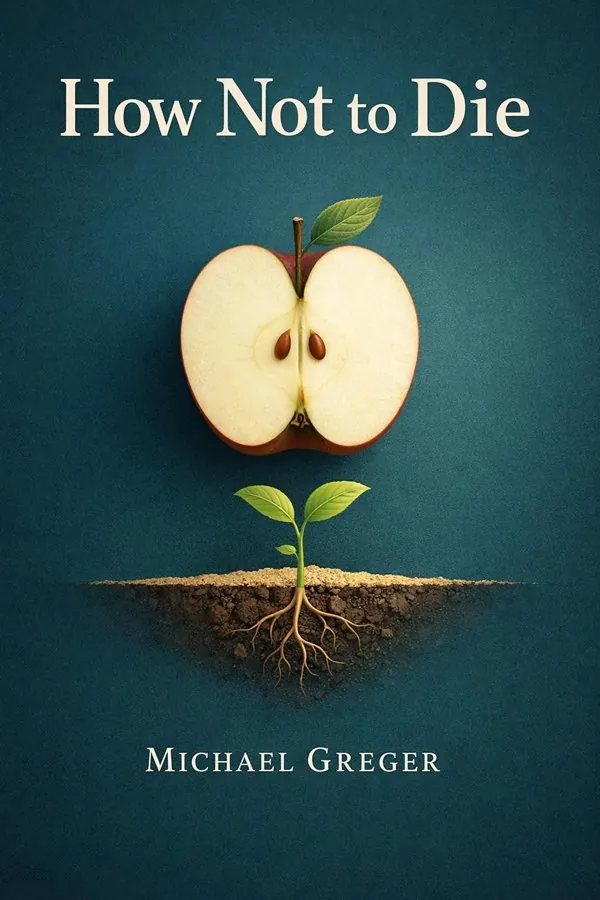
How Not to Die
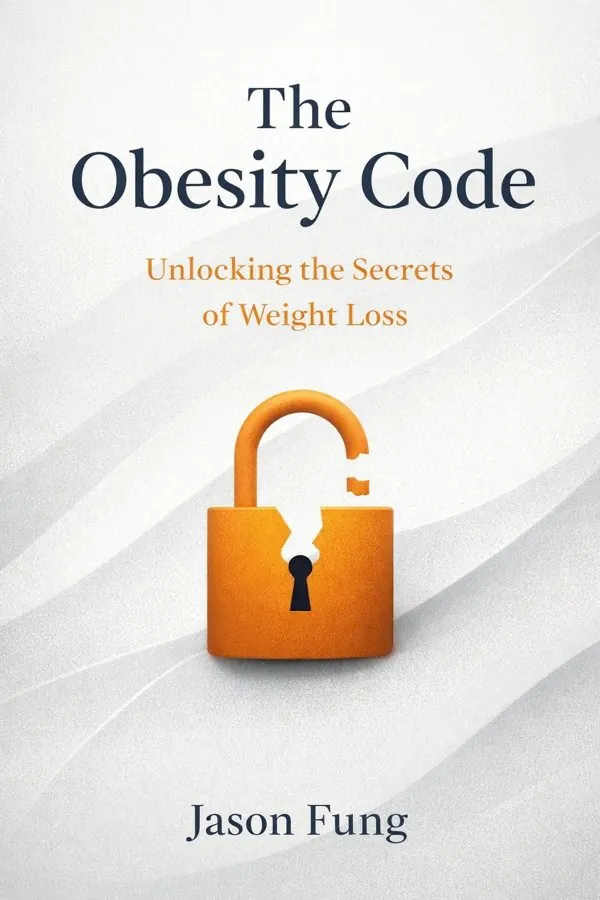
The Obesity Code
In-Depth Analysis
Michael Greger’s How Not to Die and Jason Fung’s The Obesity Code are often grouped together because both reject passive, mainstream assumptions about chronic disease. Yet they are trying to solve different problems, using different explanatory frameworks, and they leave readers with very different relationships to food. Greger asks, in effect, “How can we use nutrition to reduce the biggest killers in modern life?” Fung asks, “Why do people gain weight despite following standard diet advice?” The overlap is real, but the emphasis is not.
How Not to Die is fundamentally a prevention book. Its architecture reveals its worldview: Greger organizes much of the book around major causes of death and then asks how diet influences each one. That structure matters. In the heart disease material, for example, he treats clogged arteries not as an inevitable byproduct of aging but as something diet can worsen or help reverse. In the sections on brain health, lung disease, and digestive cancers, he extends the same logic: daily eating patterns affect inflammation, blood flow, oxidative stress, and exposure to harmful compounds. The cumulative message is that nutrition is not a side habit; it is one of the central forces shaping long-term survival.
The Obesity Code is not nearly as broad. It is a theory book with a practical agenda. Fung’s central move is to reject the idea that obesity can be adequately explained by “calories in, calories out.” Instead, he argues that hormonal regulation—especially insulin—is the more useful lens. He revisits the history of calorie thinking, then builds toward the claim that frequent eating, refined carbohydrates, and chronically elevated insulin encourage fat storage. Where Greger’s model is expansive and multi-disease, Fung’s is narrower but more unified: one dominant mechanism, many downstream consequences.
That difference in scope shapes how each book feels to read. Greger’s style is cumulative. Chapter after chapter, he presents evidence linking specific foods and dietary patterns to specific disease outcomes. This gives the book an encyclopedic authority. If a reader wants to understand why berries, greens, beans, and other plant foods keep recurring in preventive nutrition, Greger supplies an answer through repetition across disease categories. The downside is that the book can feel relentless. Because every chapter returns to serious medical stakes, the tone is urgent almost to the point of overload.
Fung, by contrast, is more overtly argumentative. He wants to overturn a dominant public-health story. That makes The Obesity Code more linear and, for many readers, more immediately compelling. He offers a villain—misguided calorie dogma—and a replacement explanation—insulin-driven obesity. The resulting narrative is easier to summarize and easier to act on. A reader can finish the book with a clear takeaway: lower insulin exposure, reduce refined carbohydrates, and consider intermittent fasting. Greger offers practical habits too, but not a single master lever of equivalent simplicity.
The books also differ in what kind of hope they offer. Greger offers preventive empowerment. The emotional force of How Not to Die comes from the claim that many feared illnesses are not random fate but are strongly shaped by routine choices. This can be inspiring, but it can also feel demanding because the implied lifestyle shift is broad. Greger’s recommendations often point toward a substantially more plant-based pattern of eating, and that can require identity-level change for some readers.
Fung offers psychological relief. One of his strongest rhetorical moves is telling readers that obesity is not primarily a character flaw or a failure of discipline. For people who have spent years counting calories and regaining weight, this is deeply validating. His framework reframes repeated diet failure as the predictable result of bad advice rather than personal weakness. That emotional shift is one reason the book has had such influence.
On scientific rigor, both books are evidence-driven in presentation, but they marshal evidence differently. Greger synthesizes across a wide range of nutrition and disease literature. The strength of that method is breadth; the weakness is that broad syntheses can sometimes flatten nuance and give less attention to conflicting findings. Fung’s approach is stronger when discussing obesity as a hormonal and historical problem, but weaker when the complexity of body weight regulation extends beyond insulin alone. Sleep, stress, food reward, physical activity, socioeconomic constraints, and genetics do not disappear just because insulin matters. Likewise, Greger’s confidence in plant-centered conclusions can appear stronger than the variability of the evidence sometimes warrants.
For practical readers, the distinction is simple: How Not to Die is better for building an overall philosophy of eating for longevity, while The Obesity Code is better for readers seeking a concrete explanation and intervention for weight gain. If someone is worried about heart disease, cognitive decline, and cancer risk, Greger’s disease-by-disease framework will feel richer and more relevant. If someone is stuck in a cycle of dieting and regain, Fung’s critique of conventional diets may feel more immediately useful.
In the end, these books are not strict substitutes. They are adjacent interventions aimed at different levels of the health conversation. Greger is asking readers to think like preventive physicians. Fung is asking them to think like metabolic problem-solvers. One broadens the lens from weight to mortality; the other narrows the lens from general nutrition to hormonal control. Readers who understand that distinction are most likely to choose well.
Side-by-Side Comparison
| Aspect | How Not to Die | The Obesity Code |
|---|---|---|
| Core Philosophy | How Not to Die argues that many of the leading causes of premature death are preventable through a whole-food, plant-forward diet. Greger frames food primarily as a tool for reducing disease risk across multiple organ systems, from the heart to the brain to the digestive tract. | The Obesity Code argues that obesity is driven less by willpower or simple calorie balance than by hormonal regulation, especially insulin. Fung treats weight gain as a problem of metabolic signaling and emphasizes fasting and insulin-lowering eating patterns as the path to correction. |
| Writing Style | Greger writes in an energetic, evidence-heavy style that often moves chapter by chapter through specific diseases such as heart disease, brain disease, and digestive cancers. His tone is urgent and educational, often blending scientific summaries with practical food recommendations. | Fung uses a contrarian, argumentative style built around overturning mainstream assumptions about calories and obesity. His prose is more polemical and thesis-driven, often returning to insulin as the central explanatory mechanism. |
| Practical Application | How Not to Die translates research into everyday dietary guidance, especially around increasing protective foods like legumes, greens, berries, and other minimally processed plant foods. Its practical value lies in prevention-oriented habit building rather than a single technique. | The Obesity Code offers a more concentrated intervention strategy: reduce refined carbohydrates, lower insulin exposure, and use intermittent fasting. Readers looking for a defined metabolic protocol may find Fung’s recommendations more immediately implementable for weight loss. |
| Target Audience | Greger’s book is best suited for readers concerned with overall longevity, chronic disease prevention, and nutrition as a broad health framework. It appeals to those who want to understand how diet relates to multiple diseases, not just body weight. | Fung’s book is especially targeted at readers struggling with obesity, insulin resistance, or repeated diet failure. It is likely to resonate with people frustrated by calorie-counting approaches and looking for an alternative explanation. |
| Scientific Rigor | How Not to Die presents itself as a research synthesis, drawing heavily on epidemiology, clinical studies, and nutrition literature to support claims about disease prevention. Its breadth is impressive, though critics may argue that Greger sometimes advocates strongly for plant-based conclusions from a selective body of evidence. | The Obesity Code also cites scientific research and historical context, but it is more narrowly focused on a metabolic theory of obesity centered on insulin and hormonal regulation. Its argument is persuasive in scope, though some readers may find that complex causes of obesity are simplified into a single dominant mechanism. |
| Emotional Impact | Greger creates emotional urgency by tying food choices directly to life-and-death outcomes like heart disease, lung disease, and cancers of the digestive tract. The effect can be motivating, even sobering, because meals are framed as repeated chances to protect or harm the body. | Fung’s emotional appeal comes from relief and liberation: he tells readers that obesity is not a moral failure and that traditional dieting advice may have set them up to fail. This can feel empowering, especially for readers who have felt shame around weight. |
| Actionability | The book gives readers many actionable nutrition ideas, but they are spread across a broad disease-prevention framework and may require substantial dietary overhaul. It is highly actionable for committed readers, though less structured than a step-by-step weight-loss program. | Fung’s recommendations are comparatively straightforward: eat in ways that reduce insulin spikes and experiment with intermittent fasting windows. The clarity of the central intervention makes the book feel highly actionable, especially for readers seeking immediate behavior changes. |
| Depth of Analysis | How Not to Die is broad and encyclopedic, devoting substantial attention to how diet intersects with many major diseases. Its depth comes from range: readers get a panoramic view of nutrition and chronic illness rather than a single-condition manual. | The Obesity Code is deeper within one domain: obesity and metabolic dysfunction. Instead of surveying many diseases equally, Fung drills into historical dieting paradigms, insulin resistance, and the hormonal theory of fat accumulation. |
| Readability | Despite dense scientific content, Greger keeps chapters accessible by organizing them around familiar health fears and concrete examples. Still, the sheer volume of evidence and repeated disease-by-disease structure may feel heavy to casual readers. | Fung is generally easier to follow because he returns repeatedly to one big idea and builds the book around a clear argumentative spine. Readers may find it more digestible because the thesis is simple, memorable, and repeated often. |
| Long-term Value | How Not to Die has strong long-term value as a reference work for preventive nutrition and healthspan. Readers can revisit specific disease chapters over time as their interests shift from heart health to cognition to cancer prevention. | The Obesity Code has lasting value for readers focused on weight maintenance, metabolic health, and rethinking dietary orthodoxy. Its usefulness is strongest when the reader’s main concern is obesity rather than comprehensive disease prevention. |
Key Differences
Prevention vs Correction
How Not to Die is primarily about preventing major chronic diseases before they become fatal or irreversible. The Obesity Code is more about correcting an existing metabolic problem—obesity—by changing the hormonal environment that drives fat storage.
Broad Disease Lens vs Single-Master Theory
Greger builds a many-chapter case across heart disease, brain disease, lung disease, and digestive cancers, showing repeated links between diet and illness. Fung instead builds around one dominant explanatory framework—insulin—using it to reinterpret obesity, diet failure, and fasting.
Food Quality vs Hormonal Timing
In How Not to Die, the emphasis is on what foods you regularly eat, especially protective whole plant foods and the avoidance of harmful dietary patterns. In The Obesity Code, when and how often you eat matters much more, with intermittent fasting and insulin control taking center stage.
Reference Book vs Argument Book
How Not to Die reads like a preventive-health manual you can revisit by condition, such as returning to the heart disease chapter later. The Obesity Code reads more like a sustained argument designed to persuade you that mainstream obesity advice is fundamentally mistaken.
Motivation by Fear vs Motivation by Relief
Greger often motivates through high stakes: the threat of heart disease, cancer, and other leading killers. Fung motivates through reassurance, telling readers that obesity is not simply their fault and that failed diets may reflect flawed models rather than failed character.
Lifestyle Breadth vs Intervention Simplicity
How Not to Die encourages a broad lifestyle shift toward a consistently healthier dietary pattern across many domains. The Obesity Code gives a simpler intervention logic—lower insulin, reduce eating frequency, and use fasting strategically—which may feel easier to start.
Best Use Case
A reader worried about family history of heart disease or cancer will probably extract more direct value from Greger’s disease chapters. A reader stuck after years of weight cycling or interested in insulin resistance will likely find Fung’s framework more relevant and actionable.
Who Should Read Which?
The frustrated chronic dieter
→ The Obesity Code
This reader has likely tried calorie restriction repeatedly and wants an explanation for why the cycle keeps failing. Fung directly addresses that frustration by reframing obesity as a hormonal and metabolic issue rather than merely a willpower problem.
The longevity-focused health optimizer
→ How Not to Die
This reader cares about reducing lifetime risk of heart disease, brain decline, cancer, and other chronic illnesses. Greger’s disease-by-disease structure makes the book more relevant because it connects food choices to multiple long-term health outcomes, not only body weight.
The pragmatic beginner who wants quick behavior changes
→ The Obesity Code
A beginner who wants a simple behavioral framework may do better with Fung’s focused recommendations on meal timing, refined carbohydrates, and fasting. The central message is easier to summarize and implement than Greger’s broader, more comprehensive nutritional overhaul.
Which Should You Read First?
Read The Obesity Code first if your immediate concern is weight, cravings, insulin resistance, or frustration with conventional dieting. It gives you a strong conceptual hook very quickly: obesity is not just a willpower problem, and calorie-counting may miss the real mechanism. That clear thesis can help you reassess your habits fast. Read How Not to Die first if your bigger goal is overall health, longevity, or learning how nutrition affects major diseases beyond body weight. Greger provides the wider map. His framework is especially useful if you want to understand not just how to lose weight, but how to eat in a way that supports your heart, brain, lungs, and digestive system over decades. For many readers, the best sequence is The Obesity Code followed by How Not to Die. Fung can break old diet assumptions and create momentum, while Greger can then deepen and broaden your nutrition strategy so it is not only about weight loss, but also about long-term disease prevention and healthspan.
Want the full summary?
Get instant access to this book summary and 100K+ more with Fizz Moment.
Get Free SummaryAvailable on App Store • Free to download
Frequently Asked Questions
Is How Not to Die better than The Obesity Code for beginners?
It depends on what kind of beginner you are. If you are new to nutrition and want a big-picture understanding of how food affects heart disease, brain health, cancer risk, and longevity, How Not to Die is the better beginner book because it shows why diet matters across the whole body. If, however, you are specifically a beginner trying to lose weight and feel confused by years of calorie-counting advice, The Obesity Code may be easier to start with because it has one central argument: insulin matters more than simple calorie math. Greger is broader; Fung is simpler and more targeted.
Should I read How Not to Die or The Obesity Code if my main goal is weight loss?
For weight loss alone, The Obesity Code is usually the more direct choice. Jason Fung structures his book around obesity itself, explaining insulin resistance, frequent eating, and fasting as key mechanisms in fat gain and fat loss. How Not to Die may still help with weight because whole-food, high-fiber, plant-centered eating often supports satiety and lowers calorie density, but weight loss is not its main narrative engine. Greger is trying to reduce your risk of dying from chronic disease; Fung is trying to explain why standard diets fail and how to improve body-weight regulation.
How do How Not to Die and The Obesity Code differ on carbs, fasting, and plant-based eating?
The books diverge sharply in emphasis. How Not to Die is strongly associated with whole plant foods, especially beans, greens, berries, and other minimally processed foods that support long-term health. It does not revolve around fasting as a core intervention. The Obesity Code is less focused on plant-based identity and more focused on insulin response, meal timing, and intermittent fasting. Fung is especially concerned with refined carbohydrates and constant eating patterns that keep insulin elevated. So if you are comparing How Not to Die vs The Obesity Code for carbs and fasting, Greger emphasizes food quality across diseases, while Fung emphasizes hormonal effects and eating frequency.
Which book is more evidence-based: How Not to Die or The Obesity Code?
Both books are evidence-based in presentation, but they use evidence differently. How Not to Die functions like a large preventive-health synthesis, moving across many diseases and citing nutrition studies to show recurring patterns. The Obesity Code is more like a focused thesis arguing that insulin and hormones explain obesity better than calorie-centric models. Readers who value breadth and cross-disease nutritional evidence may prefer Greger. Readers who value a coherent, single-framework explanation of obesity may prefer Fung. The real question is not simply which is more evidence-based, but which kind of evidence framework you find more persuasive and more useful.
Is The Obesity Code better than How Not to Die for insulin resistance and metabolic syndrome?
Yes, for a reader specifically focused on insulin resistance, metabolic syndrome, and weight-related metabolic dysfunction, The Obesity Code is generally the more targeted book. Fung makes insulin central to his explanation of obesity and repeatedly connects elevated insulin to fat storage and resistance patterns. How Not to Die certainly discusses blood sugar regulation and metabolic health indirectly through dietary quality, but it is not organized around insulin as its master concept. If your long-tail search is essentially 'best book for insulin resistance compared with How Not to Die,' Fung is usually the more direct fit.
Can these books be read together, or do their recommendations conflict too much?
They can absolutely be read together, and many readers will find them complementary rather than contradictory. Both are skeptical of processed food and both push readers away from standard Western eating patterns. The tension lies in emphasis: Greger spotlights whole plant foods and disease prevention, while Fung spotlights insulin control and fasting. A reader can adopt Greger’s preventive nutrition mindset while also using Fung’s insights about meal timing and overeating triggers. The key is to recognize that these books are solving different primary problems, so apparent conflicts often come from different priorities rather than total incompatibility.
The Verdict
If you want one book that broadens your understanding of health, disease prevention, and the long-term consequences of daily eating, How Not to Die is the stronger and more ambitious work. Michael Greger gives readers a sweeping map of how nutrition intersects with the major causes of premature death, and that scope makes the book more valuable as a lifelong reference. It is especially compelling for readers motivated by longevity, cardiovascular protection, cancer prevention, and cognitive health. If your pressing problem is obesity, repeated diet failure, or confusion about why calorie restriction has not worked, The Obesity Code is likely the more immediately useful book. Jason Fung offers a cleaner conceptual model, a more focused problem statement, and clearer first-step interventions such as reducing refined carbohydrates and experimenting with intermittent fasting. For many frustrated dieters, that clarity is powerful. Overall, How Not to Die is the better all-around health book, while The Obesity Code is the better problem-specific weight-loss book. Choose Greger if you want comprehensive preventive nutrition; choose Fung if you want a strong challenge to conventional obesity advice. The ideal reader, however, may benefit from both: Greger for the broad “why” of eating well, and Fung for the narrower “how” of addressing weight and insulin-related dysfunction.
Related Comparisons

Want to read both books?
Get AI-powered summaries of both How Not to Die and The Obesity Code in just 20 minutes total.