
Why We Sleep vs How Not to Die: Which Should You Read?
A detailed comparison of Why We Sleep by Matthew Walker and How Not to Die by Michael Greger. Discover the key differences, strengths, and which book is right for you.
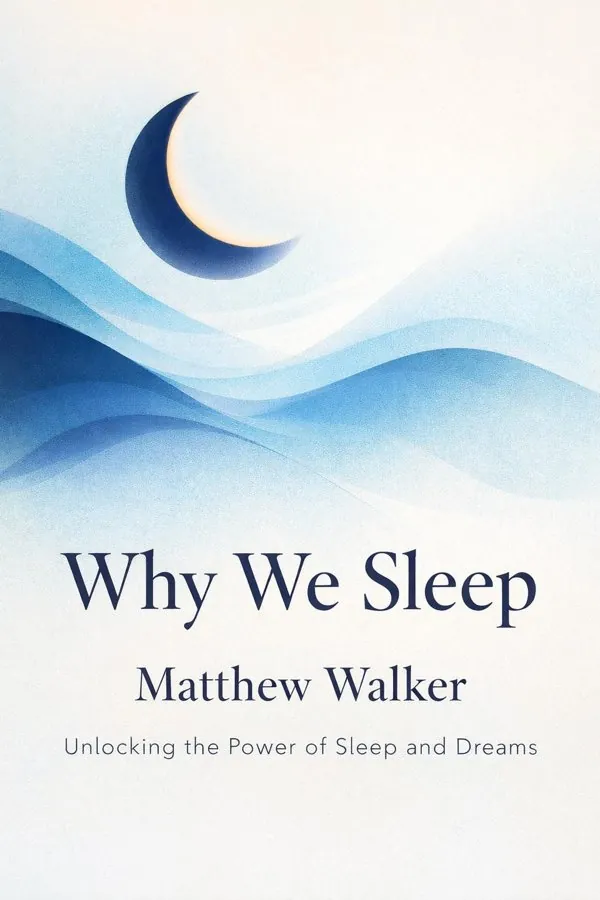
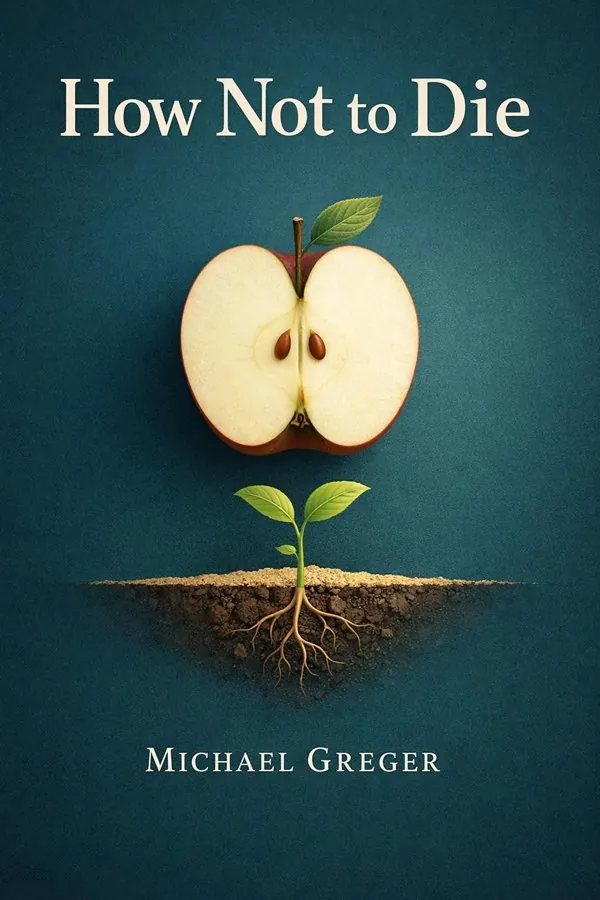
Why We Sleep
How Not to Die
In-Depth Analysis
Matthew Walker’s Why We Sleep and Michael Greger’s How Not to Die are both public-health arguments disguised as popular health books, but they differ sharply in structure, emphasis, and the kind of behavioral transformation they seek. Walker asks readers to reconsider sleep as the master regulator of human function; Greger asks them to reconsider diet as the most underused preventive tool in medicine. Both books are corrective in spirit. They challenge everyday habits that modern culture normalizes, and both insist that chronic disease and decline are not simply matters of fate or age. Yet the reading experience and practical outcome of each book are quite different.
Why We Sleep is built around a single, forceful thesis: sleep is biologically indispensable. Walker develops this claim by showing that sleep is active, structured, and evolutionarily conserved. His discussion of sleep stages is especially central. Rather than treating sleep as a block of unconsciousness, he explains the cycling between non-REM and REM sleep, each with distinct cognitive and physiological roles. Deep non-REM sleep becomes crucial in his account of memory consolidation and physical restoration, while REM sleep is linked to emotional processing, creativity, and integration of experience. That architecture gives the book a strong internal logic: if different phases do different jobs, then cutting sleep short is not merely reducing quantity but sabotaging multiple specialized functions.
How Not to Die, by contrast, is less about one mechanism than one lever. Greger’s argument is that nutrition shapes vulnerability to the major killers of modern life, from heart disease to certain cancers and brain disorders. Structurally, this makes the book broader and more modular. Instead of unfolding one physiological story in depth, it examines category after category of disease. The heart disease chapter is particularly representative: Greger does not frame clogged arteries as an inevitable consequence of aging but as a condition powerfully influenced by diet, especially the presence or absence of fiber-rich, minimally processed plant foods and the reduction of harmful dietary patterns. His later emphasis on a practical framework, often associated with the Daily Dozen, gives the book a much more immediate behavioral endpoint than Walker’s work.
The biggest difference between the books lies in the way they persuade. Walker uses synthesis and escalation. He shows how sleep touches learning, immunity, hormone balance, reaction time, mood, and long-term risk, creating a cumulative sense that nearly every important system deteriorates without adequate rest. The section on sleep deprivation is especially effective because it links common social behaviors—short nights, irregular schedules, overreliance on alarms, caffeine compensation—to measurable cognitive and bodily decline. His examples often feel vivid because they relate to universal experience: forgetting, irritability, bad decisions, burnout, daytime exhaustion. Even when readers do not know sleep science, they recognize the symptoms.
Greger persuades through accumulation and application. He presents nutrition as a cross-cutting variable that appears repeatedly across diseases that many people think of as separate. In his discussion of brain disease, for example, he connects neurological decline to broader vascular and inflammatory patterns, implicitly arguing that the brain cannot be separated from the body’s overall metabolic environment. In digestive cancers, he emphasizes the direct contact between food and the digestive tract, making diet feel not abstractly influential but physically immediate. His method can seem repetitive, but that repetition is strategic: it teaches readers to see food not as calories alone, but as exposure, protection, or risk.
In terms of practicality, How Not to Die is the more actionable book for most readers. A person can finish a chapter and change breakfast, lunch, shopping habits, and cooking routines the same day. The book is full of clear directional advice. Why We Sleep certainly has practical implications—regular sleep timing, reduced evening stimulation, respecting circadian rhythms, skepticism toward alcohol as a sleep aid—but its action plan is more inferential. Readers often come away convinced that sleep matters before they know exactly how to redesign lives built around work, parenting, stress, or technology. This makes Walker’s book more revolutionary at the level of belief, while Greger’s is more operational at the level of daily routine.
The books also differ in emotional texture. Why We Sleep often feels alarming. Walker’s warnings about the consequences of sleep deprivation create a sense that modern society has quietly accepted a dangerous form of self-harm. The effect can be profound because sleep loss is so culturally rewarded in students, professionals, and caregivers. How Not to Die is also sobering, but more empowering. Its central message is not simply that people are at risk; it is that many risks can be lowered through ordinary dietary choices. The result is less existential and more interventionist.
For readers interested in scientific storytelling, Walker may be more compelling because his subject lends itself to dramatic explanation: dreaming, memory transfer, circadian timing, and the hidden labor of the sleeping brain. For readers who want a preventive-health manual, Greger is more useful because his book functions almost like an evidence-based operating guide for eating. Walker changes how you value rest; Greger changes how you stock a kitchen.
Ultimately, the two books are complementary rather than competing. Sleep and nutrition are not rival pillars of health; they reinforce one another. Poor sleep can worsen appetite regulation and impulse control, making dietary choices harder. Poor diet can undermine energy stability and metabolic health, which in turn affects sleep quality. If Why We Sleep teaches that no health strategy works well when sleep is neglected, How Not to Die teaches that longevity requires more than rest alone. One restores the biological baseline; the other helps determine what that baseline is protecting. Together, they offer a more complete picture of preventive health than either does alone.
Side-by-Side Comparison
| Aspect | Why We Sleep | How Not to Die |
|---|---|---|
| Core Philosophy | Why We Sleep argues that sleep is a foundational biological necessity, not a negotiable lifestyle luxury. Matthew Walker frames sleep as the invisible system that supports cognition, emotional regulation, immunity, metabolic health, and longevity. | How Not to Die argues that food is one of the most powerful tools for preventing the leading causes of premature death. Michael Greger treats nutrition as a primary medical intervention, especially through a whole-food, plant-centered approach. |
| Writing Style | Walker writes in an urgent, explanatory, science-pop style that often builds momentum through striking claims about memory, disease, and performance. His prose is polished and dramatic, designed to make readers rethink habits they considered normal. | Greger writes in a more encyclopedic, evidence-stacking style, moving disease by disease and study by study. His tone is energetic and advocacy-driven, often blending medical commentary with practical dietary guidance. |
| Practical Application | Why We Sleep offers practical lessons indirectly through sleep hygiene principles, discussions of circadian rhythms, and warnings about caffeine, alcohol, and irregular schedules. Its application is often behavioral and environmental rather than step-by-step prescriptive. | How Not to Die is overtly practical, especially in its food recommendations and the Daily Dozen framework. Readers can quickly translate its ideas into grocery choices, meal planning, and disease-risk reduction strategies. |
| Target Audience | Walker’s book is ideal for readers interested in neuroscience, performance, mental health, and the hidden costs of modern sleep deprivation. It especially appeals to people who undervalue sleep because of work culture, productivity myths, or late-night habits. | Greger’s book is best suited to readers motivated by preventive medicine, diet reform, and chronic disease reduction. It strongly resonates with people seeking food-based solutions to heart disease, metabolic issues, and long-term health risks. |
| Scientific Rigor | Why We Sleep draws heavily from sleep science, laboratory studies, and epidemiological evidence, especially around REM sleep, deep sleep, and cognitive consequences of sleep loss. Its strength lies in synthesizing complex sleep research into a unifying health argument. | How Not to Die compiles a huge volume of nutritional and clinical research across major diseases, often presenting studies in rapid succession. Its rigor comes from breadth and citation density, though its persuasive framing is explicitly aligned with Greger’s nutritional stance. |
| Emotional Impact | Walker creates anxiety in a productive way by showing how routinely neglected sleep harms memory, mood, safety, fertility, and disease risk. Many readers come away shocked that something so basic could be so systematically ignored. | Greger’s emotional impact comes from reframing common fatal diseases as, in many cases, partially preventable through diet. The book can feel empowering because it offers agency, but also unsettling because it implicates everyday eating patterns in serious illness. |
| Actionability | The book is actionable for readers willing to restructure routines, protect bedtime consistency, reduce stimulants, and prioritize darkness, temperature, and timing. However, its advice is less checklist-based than its warnings are memorable. | How Not to Die is highly actionable because it repeatedly links concrete foods to specific outcomes and provides a repeatable dietary framework. It is easier to operationalize immediately, especially for readers who want daily habits rather than conceptual understanding alone. |
| Depth of Analysis | Walker goes deep on one domain, exploring sleep architecture, circadian biology, dreaming, memory consolidation, and systemic health effects with considerable thematic coherence. The result is narrow in topic but deep in mechanism. | Greger goes broad across many diseases, using nutrition as the connecting thread among cardiovascular, pulmonary, neurological, and digestive conditions. The analysis is expansive and comparative rather than focused on a single physiological process. |
| Readability | Why We Sleep is generally easier to read straight through because it follows a clear narrative arc from what sleep is to why its loss matters. Scientific concepts are explained in accessible language, even when the implications are complex. | How Not to Die can feel denser because of its disease-by-disease structure and frequent reference to studies. Readers may use it selectively, dipping into chapters most relevant to their health concerns rather than reading linearly. |
| Long-term Value | Walker’s book has lasting value as a mindset-changing work: once readers accept its core thesis, they often permanently reevaluate work schedules, bedtime habits, and recovery. Its central lesson remains relevant because sleep affects nearly every other health behavior. | Greger’s book has long-term value as a reference manual for preventive eating and chronic disease risk reduction. Readers can revisit specific chapters over time as their health priorities evolve, making it useful both as inspiration and as ongoing guidance. |
Key Differences
Single-System Focus vs Multi-Disease Framework
Why We Sleep is organized around one biological process—sleep—and explores it deeply from multiple angles, including REM sleep, deep sleep, circadian timing, and deprivation. How Not to Die uses a disease-by-disease structure, discussing heart disease, lung disease, brain disease, and digestive cancers as separate entry points into one larger nutritional argument.
Mechanism-Driven vs Intervention-Driven
Walker spends significant time explaining how sleep works before moving to what happens when it is lost, making the book mechanism-heavy. Greger is more intervention-driven, using research to guide readers toward specific foods and dietary patterns that may lower disease risk.
Behavioral Barrier vs Dietary Barrier
The main challenge in applying Why We Sleep is often structural: readers may understand the message but struggle with jobs, children, stress, or digital habits that interfere with sleep. How Not to Die faces a different barrier—changing entrenched food preferences, shopping habits, cooking skills, and social eating norms.
Narrative Flow vs Reference Utility
Why We Sleep reads more like a sustained argument and is easier to consume from beginning to end. How Not to Die functions more like a reference text, where readers may jump directly to chapters on heart disease or brain health depending on personal concerns.
Urgency Through Risk vs Empowerment Through Choice
Walker creates urgency by emphasizing what sleep deprivation damages, such as memory, judgment, mood, and immune function. Greger creates empowerment by emphasizing that everyday food choices can influence whether major diseases develop, worsen, or may be partly prevented.
Indirect Habits vs Direct Daily Prescriptions
Why We Sleep encourages habits like maintaining consistent sleep schedules, minimizing caffeine misuse, and respecting circadian rhythms, but these are often drawn from the broader argument. How Not to Die gives more direct prescriptions, especially through whole-food, plant-focused eating and repeatable daily nutrition targets.
Performance Lens vs Prevention Lens
Walker’s book often appeals to readers interested in performance, cognition, learning, and emotional regulation in the present tense. Greger’s book leans more toward long-range prevention, asking how food choices today affect the probability of heart disease, cancer, and other major illnesses later.
Who Should Read Which?
The exhausted high-performer
→ Why We Sleep
This reader likely undervalues recovery in the name of productivity. Walker’s book directly challenges that mindset by showing how sleep loss undermines memory, focus, emotional stability, and long-term performance.
The prevention-focused health optimizer
→ How Not to Die
This reader wants concrete strategies to lower the risk of chronic disease. Greger’s food-based framework, especially his attention to heart disease and other leading killers, gives them immediate and measurable behavior changes.
The intellectually curious science reader
→ Why We Sleep
Readers who enjoy coherent scientific storytelling may prefer Walker’s deep dive into sleep stages, circadian biology, and the sleeping brain. The book offers a more unified explanatory arc than Greger’s broader, chapter-by-chapter disease survey.
Which Should You Read First?
Read Why We Sleep first if you want the strongest foundation for all other health changes. Walker’s argument helps readers understand that sleep is not just one wellness habit among many, but the condition that supports decision-making, self-control, appetite regulation, learning, and recovery. In practical terms, that means better sleep may make it easier to follow the dietary changes Greger recommends later. Then read How Not to Die as the implementation-oriented second step. Once you have accepted that the body needs restoration and regularity, Greger’s book provides a concrete framework for reducing disease risk through nutrition. The transition works well because the books move from internal capacity to external input: first protect the biological system, then feed it wisely. The reverse order also works for highly diet-motivated readers, but for most people, Why We Sleep creates the broader mindset shift. It strips away the illusion that health can be optimized while sleep is neglected. After that, How Not to Die gives you a practical plan to act on your renewed respect for health.
Want the full summary?
Get instant access to this book summary and 100K+ more with Fizz Moment.
Get Free SummaryAvailable on App Store • Free to download
Frequently Asked Questions
Is Why We Sleep better than How Not to Die for beginners?
It depends on what kind of beginner you are. If you are new to health books and want one big idea explained clearly, Why We Sleep is often easier to start with because it has a tighter narrative and focuses on one central theme: sleep as a biological necessity. If you prefer practical lifestyle changes you can implement immediately, How Not to Die may feel more useful because it gives direct food guidance and disease-specific prevention strategies. In short, Why We Sleep is better for beginners who want a strong conceptual reset, while How Not to Die is better for beginners who want daily action steps.
Which book is more practical: Why We Sleep or How Not to Die?
How Not to Die is generally more practical in an immediate sense. Michael Greger gives readers concrete nutritional guidance, links foods to specific disease risks, and offers a framework that can shape shopping lists, meals, and habits right away. Why We Sleep absolutely changes behavior too, but often by shifting priorities rather than providing a detailed system. Walker gives readers strong reasons to protect sleep, avoid sleep deprivation, and respect circadian timing, yet the implementation can be harder for people with demanding schedules. So if you want direct everyday instructions, Greger’s book is more hands-on.
Should I read Why We Sleep or How Not to Die first for overall health improvement?
For overall health improvement, starting with Why We Sleep can make a lot of sense because sleep affects self-control, hunger regulation, learning, mood, and recovery. If your sleep is poor, even good intentions around diet may be harder to sustain. On the other hand, if you are already motivated to change what you eat and want immediate preventive-health strategies, How Not to Die may produce faster visible lifestyle changes. A useful rule is this: read Why We Sleep first if your life feels exhausted and overstretched; read How Not to Die first if your biggest concern is chronic disease prevention through food.
Is How Not to Die more evidence-based than Why We Sleep?
Both books are heavily research-driven, but they express evidence differently. Why We Sleep synthesizes sleep science into a coherent argument about one biological process, so the evidence feels integrated and thematic. How Not to Die covers many diseases and often presents studies in large numbers, so it can feel more citation-dense and reference-heavy. That breadth gives Greger’s book a strong evidence footprint, but also a more advocacy-oriented tone because he is clearly pushing readers toward a whole-food, plant-centered diet. Walker is more focused on explaining mechanisms; Greger is more focused on translating research into preventive recommendations.
Which book has more long-term value: Why We Sleep or How Not to Die?
They offer different kinds of long-term value. Why We Sleep has lasting power as a mindset-changing book: once readers understand sleep’s role in memory, immunity, mood, and disease risk, they often permanently reevaluate work habits, late-night routines, and recovery. How Not to Die has long-term value as an ongoing reference, since readers can return to chapters on heart disease, brain health, or digestive cancers as their needs change. If you want one transformative idea that reshapes your worldview, Walker may stay with you longer. If you want a health manual to revisit repeatedly, Greger is stronger.
Who should read Why We Sleep vs How Not to Die if they care about brain health?
For readers primarily concerned with brain health, both books are relevant but in different ways. Why We Sleep is stronger on brain function itself: memory consolidation, learning, emotional processing, and the mental costs of sleep loss are central to Walker’s argument. How Not to Die approaches brain health more through prevention, especially by connecting cognitive decline to vascular health, inflammation, and nutrition. If your concern is mental clarity, focus, and cognitive performance right now, Walker is the better fit. If your concern is reducing long-term neurological risk through diet and systemic health, Greger may be more useful.
The Verdict
If you want the more intellectually unified and immediately perspective-altering book, Why We Sleep is the stronger single read. Matthew Walker takes one ordinary human activity and reveals it as the hidden basis of memory, emotional balance, physical recovery, and long-term health. It is especially powerful for readers who have absorbed the modern belief that sleep is optional, inefficient, or negotiable. Few health books change priorities so quickly. If you want the more practical and habit-oriented book, How Not to Die is the better choice. Michael Greger gives readers something highly actionable: a way of eating that he argues can reduce risk across the leading causes of death. The book is broader, more reference-like, and more immediately useful in everyday decisions about groceries, meals, and prevention. The best recommendation depends on your main obstacle. If your life is dominated by fatigue, irregular schedules, poor focus, and chronic sleep debt, start with Why We Sleep. If your greatest concern is preventing disease through diet, start with How Not to Die. In a larger sense, these books work best together. Walker explains why your body cannot thrive without recovery; Greger explains how your diet shapes what that recovered body is fighting for. Read one for insight, the other for implementation.
Related Comparisons


Want to read both books?
Get AI-powered summaries of both Why We Sleep and How Not to Die in just 20 minutes total.