
You Are a Badass vs The Gifts of Imperfection: Which Should You Read?
A detailed comparison of You Are a Badass by Jen Sincero and The Gifts of Imperfection by Brene Brown. Discover the key differences, strengths, and which book is right for you.
You Are a Badass
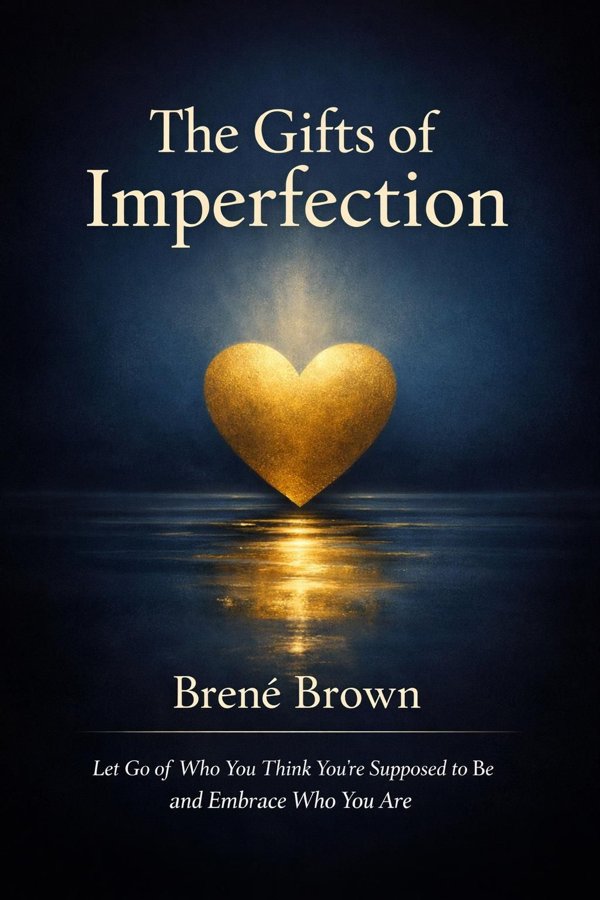
The Gifts of Imperfection
In-Depth Analysis
Although You Are a Badass and The Gifts of Imperfection sit on the same self-help shelf, they are trying to solve different human problems. Jen Sincero addresses paralysis, self-sabotage, and smallness with a loud call to act bigger. Brené Brown addresses shame, perfectionism, and disconnection with a gentler invitation to live more honestly. Both books want readers to stop being ruled by fear, but they diagnose fear differently and therefore prescribe different remedies.
Sincero’s book is built around the idea that many people remain stuck because they unconsciously obey inherited beliefs. Her framing of the ego as an overprotective internal voice is central: the ego keeps you safe, but at the cost of joy, growth, and possibility. This is a classic self-help move—naming the internal saboteur so readers can separate from it. In practice, this means questioning beliefs about money, worthiness, and success, then replacing them with more empowering narratives. The voice of the book matters here. Sincero’s humor, swearing, and upbeat irreverence are not decoration; they are part of the argument. She wants change to feel possible, immediate, and even fun. Her 27 short chapters are engineered as momentum devices.
Brown’s framework is less about momentum and more about emotional truth. One of her most important interventions is distinguishing perfectionism from healthy striving. Perfectionism, in her account, is not excellence but self-protection: a strategy for avoiding judgment, blame, and shame. That distinction is powerful because it reinterprets high achievement. A reader who sees herself as disciplined may realize she is actually armored. Brown’s language of wholehearted living—courage, compassion, connection—shifts the goal from external success to internal wholeness. Instead of asking, “How do I become bolder and get what I want?” she often asks, “What am I doing to avoid vulnerability, and what is it costing me?”
This difference creates a sharp contrast in tone. You Are a Badass often feels like a coach talking to a client before a leap: stop overthinking, stop playing small, decide. The Gifts of Imperfection feels more like a researcher-mentor helping a reader understand why she has been bracing herself against life. Brown’s authority comes from her decade of research on shame and belonging; Sincero’s comes from anecdote, coaching logic, and persuasive confidence. For some readers, Sincero’s certainty is exactly what makes the book effective. For others, Brown’s evidence-based framing builds more trust.
Their practical advice also diverges. Sincero tends to emphasize belief change as a catalyst for external transformation. If you believe you are worthy, if you stop indulging your excuses, if you commit fully, your life expands. Even the book’s interest in energy and the universe supports this orientation: inner alignment produces outer results. Brown’s guideposts, by contrast, are less about manifesting a larger life and more about inhabiting your existing life without defensive distortion. Her practices include letting go of comparison, numbing, exhaustion as status, and the need for certainty. These are not flashy interventions, but they are psychologically rich.
Consider how each author handles self-love. In Sincero, self-love is often instrumental as well as essential: if you value yourself, you will stop tolerating a mediocre life. In Brown, self-compassion is foundational because without it, vulnerability becomes intolerable. That is a subtle but significant difference. Sincero often turns inward work toward expansion and achievement; Brown turns inward work toward resilience and belonging. Neither is wrong, but they appeal to different reader needs.
The books also differ in what they may underplay. Sincero’s briskness can flatten complexity. A reader dealing with entrenched shame, trauma, or chronic perfectionism may find “change your beliefs and commit” motivating but insufficient. Brown is stronger on root causes and emotional patterning. Yet Brown’s book can feel less catalytic for a reader who already understands her emotional struggles but cannot get herself to move. In those cases, Sincero’s directness can be more useful than nuance.
The strongest overlap between the two books lies in their rejection of culturally inherited scripts. Sincero questions beliefs about what is realistic, responsible, or deserved. Brown questions the “should” culture that tells people to perform perfection, productivity, and control. Both authors argue that much suffering comes from living according to borrowed standards. Both also insist that a better life requires courage. The difference is in what courage looks like. For Sincero, courage often looks like betting on yourself, making a big decision, and refusing to shrink. For Brown, courage often looks like saying the true thing, dropping the armor, and tolerating imperfection.
In terms of literary effect, Sincero’s book is built for speed and Brown’s for absorption. You can tear through You Are a Badass and feel altered by its energy. The Gifts of Imperfection is more likely to make you stop, underline, and recognize painful patterns in your own life. Sincero gives readers a usable jolt; Brown gives readers a durable vocabulary.
Ultimately, the better book depends on whether the reader’s central obstacle is hesitation or shame. If someone already knows what they want but keeps self-sabotaging, Sincero may be the better intervention. If someone’s striving is fueled by fear of not being enough, Brown will likely go deeper. Read together, they complement each other surprisingly well: Sincero helps readers move, and Brown helps them move without abandoning themselves.
Side-by-Side Comparison
| Aspect | You Are a Badass | The Gifts of Imperfection |
|---|---|---|
| Core Philosophy | You Are a Badass argues that transformation begins when readers identify limiting beliefs, stop listening to the fear-driven ego, and make bold decisions aligned with the life they want. Its philosophy blends mindset coaching, personal responsibility, and a spiritual-energetic belief that confidence and abundance expand when you change your internal story. | The Gifts of Imperfection centers on wholehearted living: accepting vulnerability, releasing perfectionism, and cultivating courage, compassion, and connection. Brown’s philosophy is less about becoming extraordinary and more about becoming authentic enough to live without shame. |
| Writing Style | Jen Sincero writes in a punchy, comedic, conversational voice filled with pop-energy, direct commands, and irreverent humor. The short chapters are designed to feel like motivational bursts rather than sustained reflective essays. | Brené Brown writes in a warmer, steadier, more reflective tone that combines memoir, teaching, and research translation. Her prose is accessible but more contemplative, often pausing to define concepts such as shame, perfectionism, and authenticity with care. |
| Practical Application | The book offers simple exercises, mindset prompts, and reframing techniques meant to help readers act quickly on goals involving money, confidence, and life direction. Its advice tends to prioritize momentum: make a decision, commit, and stop indulging self-sabotage. | Brown structures her guidance around ten guideposts for daily practice, such as cultivating self-compassion, authenticity, rest, creativity, and meaningful work. The application is less about immediate external goals and more about changing relational and emotional habits over time. |
| Target Audience | This book is especially suited to readers who feel stuck, underconfident, or frustrated by inertia and want a high-energy push. It often appeals to readers drawn to entrepreneurial ambition, personal reinvention, or abundance-oriented self-help. | This book is ideal for readers wrestling with shame, people-pleasing, chronic perfectionism, or the pressure to appear in control. It particularly resonates with those seeking emotional healing, self-acceptance, and healthier ways of relating to themselves and others. |
| Scientific Rigor | Sincero relies primarily on anecdote, coaching wisdom, motivational framing, and broad claims about energy and the universe. While persuasive for some readers, its arguments are not built on a rigorous research framework. | Brown explicitly draws on her research background in shame, vulnerability, and belonging, even though the book is written for a general audience rather than as an academic study. Its claims feel more conceptually grounded because they are tied to recurring findings from her research program. |
| Emotional Impact | The emotional effect is often energizing and defiant: it aims to make readers feel capable, excited, and slightly embarrassed about how long they have been holding themselves back. Its emotional register is confidence-building rather than deeply therapeutic. | Brown’s book often lands with a quieter but deeper emotional resonance, especially for readers who recognize themselves in her discussions of shame and armor. It can feel relieving because it reframes imperfection not as failure but as the condition of being fully human. |
| Actionability | You Are a Badass is immediately actionable because nearly every chapter points toward a mindset shift or behavior change that can be tried the same day. Its strongest practical value lies in helping readers break hesitation and make decisions. | The Gifts of Imperfection is actionable in a slower, more reflective way, asking readers to practice vulnerability, boundaries, self-compassion, and authenticity consistently. Its actions are subtle but often more durable because they address underlying emotional patterns. |
| Depth of Analysis | Sincero treats self-sabotage broadly, often reducing complex blocks to fear, old stories, and insufficient commitment. That makes the book clear and motivating, but sometimes conceptually thinner when dealing with trauma, shame, or entrenched patterns. | Brown offers more nuanced analysis of why people cling to perfectionism and numb themselves against vulnerability. She gives readers a richer psychological map of behavior, especially around shame, belonging, and the need for approval. |
| Readability | Its short chapters, jokes, blunt phrasing, and high tempo make it extremely easy to read quickly. Even reluctant self-help readers may find it approachable because it avoids dense theory. | Brown is also accessible, but her book asks for more reflection and emotional honesty from the reader. It is readable in style, though slower in effect because the ideas invite contemplation rather than adrenaline. |
| Long-term Value | The book has strong short-term motivational value and can be useful for periodic re-reads when confidence drops or procrastination returns. Some readers may outgrow parts of it once the initial spark fades or if they want more evidence-based depth. | The Gifts of Imperfection tends to offer lasting value because its central practices—self-compassion, authenticity, resilience, and letting go of comparison—remain relevant across life stages. It often rewards revisiting as readers mature emotionally and relationally. |
Key Differences
Achievement vs. Authenticity
You Are a Badass often frames growth in terms of expanding into the life you want—more confidence, more success, more self-belief. The Gifts of Imperfection is less concerned with scaling up your life than with stripping away false performances so you can live truthfully.
Ego Language vs. Shame Language
Sincero explains many problems through the ego and limiting beliefs: the internal voice that keeps you safe but small. Brown’s preferred vocabulary is shame, vulnerability, and belonging, which gives her a more precise way to discuss why people armor themselves against failure and rejection.
Motivational Coaching vs. Research-Driven Reflection
Sincero writes like a high-energy success coach using stories, affirming rhetoric, and bold prompts to create momentum. Brown writes like a researcher translating years of work into practical wisdom, so her conclusions often feel more grounded and psychologically layered.
Fast Activation vs. Slow Transformation
You Are a Badass can produce an immediate burst of motivation because it pushes readers toward decisions and action. The Gifts of Imperfection tends to work more gradually, changing the reader’s relationship to self-worth, vulnerability, and perfection over time.
External Goals vs. Internal Healing
Sincero frequently gestures toward visible life changes—career, money, self-confidence, and bigger choices. Brown is more focused on internal repair: letting go of the need to appear flawless, practicing self-compassion, and creating genuine connection.
Spiritual-Energetic Claims vs. Psychological Framing
You Are a Badass includes ideas about energy and the universe that will appeal to readers comfortable with spiritual self-help. The Gifts of Imperfection stays closer to emotional and social psychology, making it more persuasive for readers who prefer grounded frameworks.
Humorous Defiance vs. Compassionate Honesty
Sincero’s humor and swagger help readers challenge excuses with less heaviness; the book often feels like a pep talk with attitude. Brown’s style is more compassionate and emotionally exposing, encouraging readers to face painful truths without contempt for themselves.
Who Should Read Which?
The stalled achiever who has goals but keeps procrastinating
→ You Are a Badass
This reader needs activation more than analysis. Sincero’s short chapters, blunt encouragement, and focus on self-sabotaging beliefs are well suited to someone who knows they are holding back and wants help taking decisive action.
The perfectionist who looks competent but feels chronically not enough
→ The Gifts of Imperfection
Brown directly addresses the emotional machinery behind perfectionism, including shame, fear of judgment, and the need to perform worthiness. Her emphasis on self-compassion and vulnerability is especially valuable for readers whose outer success hides inner exhaustion.
The reader rebuilding identity after burnout, divorce, or a major life transition
→ The Gifts of Imperfection
During identity upheaval, readers often need grounding more than hype. Brown’s framework helps them reconnect with authenticity, resilience, and belonging, rather than rushing to construct a more impressive version of themselves before they have emotionally healed.
Which Should You Read First?
For most readers, The Gifts of Imperfection is the better book to read first. It gives you a stronger emotional foundation by helping you understand shame, perfectionism, and the false belief that worth must be earned through performance. If you start with Brown, you are less likely to turn self-improvement into another form of self-judgment. Her guideposts teach you how to pursue growth with self-compassion rather than panic. After that, You Are a Badass works well as a second book because it adds momentum. Once you have recognized the emotional armor Brown describes, Sincero’s emphasis on decision, belief change, and bold action can help you convert insight into movement. In that sequence, the books complement each other: Brown softens the inner critic; Sincero challenges the inner coward. The one exception is for readers in a motivational slump who already understand their patterns and simply need a kickstart. In that case, reading You Are a Badass first can be useful. But for long-term change, Brown first and Sincero second is the wiser order.
Want the full summary?
Get instant access to this book summary and 100K+ more with Fizz Moment.
Get Free SummaryAvailable on App Store • Free to download
Frequently Asked Questions
Is You Are a Badass better than The Gifts of Imperfection for beginners?
For many beginners to self-help, You Are a Badass is the easier entry point because its language is casual, funny, and highly motivational. Jen Sincero breaks change into short, digestible chapters and often gives readers an immediate sense of agency. However, if a beginner is specifically struggling with shame, perfectionism, or harsh self-judgment, The Gifts of Imperfection may actually be the more helpful first read because it names those patterns with greater precision. In short: Sincero is often better for beginners who need energy and action, while Brown is better for beginners who need emotional understanding and self-compassion.
Which book is more evidence-based: You Are a Badass or The Gifts of Imperfection?
The Gifts of Imperfection is clearly more evidence-based. Brené Brown builds the book from her research into shame, vulnerability, and belonging, and even when she writes in an accessible style, her concepts are grounded in years of qualitative work. You Are a Badass relies much more on personal stories, coaching rhetoric, and broad claims about beliefs, energy, and decision-making. That does not mean Sincero’s book is useless; it simply means its authority comes from persuasion and inspiration rather than research. Readers who want psychologically grounded self-help will usually find Brown more credible and more conceptually rigorous.
Is The Gifts of Imperfection better than You Are a Badass for perfectionism and anxiety?
Yes, in most cases The Gifts of Imperfection is the stronger book for readers dealing with perfectionism and anxiety rooted in fear of judgment. Brown directly explains perfectionism as a protective strategy rather than a virtue, which helps readers understand why constant striving can feel exhausting and empty. Her emphasis on self-compassion, authenticity, and vulnerability addresses the emotional engine beneath perfectionist behavior. You Are a Badass can still help by challenging limiting beliefs and encouraging courage, but it is less nuanced about shame and less equipped to unpack why anxious overperformance happens in the first place.
Which book should I read if I feel stuck in life: You Are a Badass or The Gifts of Imperfection?
If feeling stuck means you procrastinate, doubt yourself, and avoid taking action on goals, You Are a Badass is probably the better fit. Sincero is excellent at confronting inertia and getting readers to examine the beliefs that keep them playing small. If feeling stuck means you are exhausted by trying to be perfect, afraid to disappoint people, or disconnected from your real self, The Gifts of Imperfection will likely be more transformative. Brown helps readers understand the emotional costs of performing worthiness. The choice depends on whether your stuckness is primarily behavioral or emotional.
How do You Are a Badass and The Gifts of Imperfection differ in tone and readability?
You Are a Badass is louder, faster, and more comedic. Jen Sincero uses jokes, blunt encouragement, and a breezy chapter structure to make the reading experience feel energizing and low-friction. The Gifts of Imperfection is still accessible, but its tone is more grounded, compassionate, and introspective. Brené Brown gives readers concepts to sit with rather than slogans to sprint on. In terms of readability, Sincero is the quicker read for motivation, while Brown is the more reflective read for readers who want to pause, underline, and process what they are learning about themselves.
Should I read You Are a Badass or The Gifts of Imperfection first for self-esteem?
For self-esteem, the better first choice depends on what is damaging your sense of worth. If your self-esteem suffers because you feel passive, ineffective, or too afraid to go after what you want, You Are a Badass may help first by restoring confidence and momentum. If your self-esteem is damaged by shame, comparison, people-pleasing, or relentless inner criticism, The Gifts of Imperfection is the stronger starting point. Brown’s work is especially valuable because it separates worthiness from performance. Ideally, readers with self-esteem struggles may benefit from Brown first for healing, then Sincero for activation.
The Verdict
If you want a simple verdict, The Gifts of Imperfection is the stronger and more enduring book, while You Are a Badass is the more immediately energizing one. Brené Brown offers a deeper framework for understanding why people hide behind perfectionism, perform for approval, and struggle to live authentically. Her ideas around shame, vulnerability, self-compassion, and wholehearted living have greater psychological precision and tend to stay relevant long after the first read. It is the book more likely to change how readers understand themselves. That said, Jen Sincero should not be dismissed as lightweight just because she is less rigorous. You Are a Badass succeeds at what many self-help books fail to do: it gets readers moving. Its short chapters, direct language, and focus on self-sabotaging beliefs make it highly effective for readers who are stalled by fear, indecision, or low confidence. It is a motivation engine. So the recommendation is this: choose The Gifts of Imperfection if your main struggle is shame, perfectionism, or emotional disconnection. Choose You Are a Badass if your main struggle is inertia, timidness, or lack of commitment. If possible, read both. Brown helps you become kinder and more authentic; Sincero helps you become bolder and more decisive. Together, they address both the inner wound and the outer hesitation.
Related Comparisons


Want to read both books?
Get AI-powered summaries of both You Are a Badass and The Gifts of Imperfection in just 20 minutes total.