
Women Who Run with the Wolves vs The Gifts of Imperfection: Which Should You Read?
A detailed comparison of Women Who Run with the Wolves by Clarissa Pinkola Estés and The Gifts of Imperfection by Brene Brown. Discover the key differences, strengths, and which book is right for you.
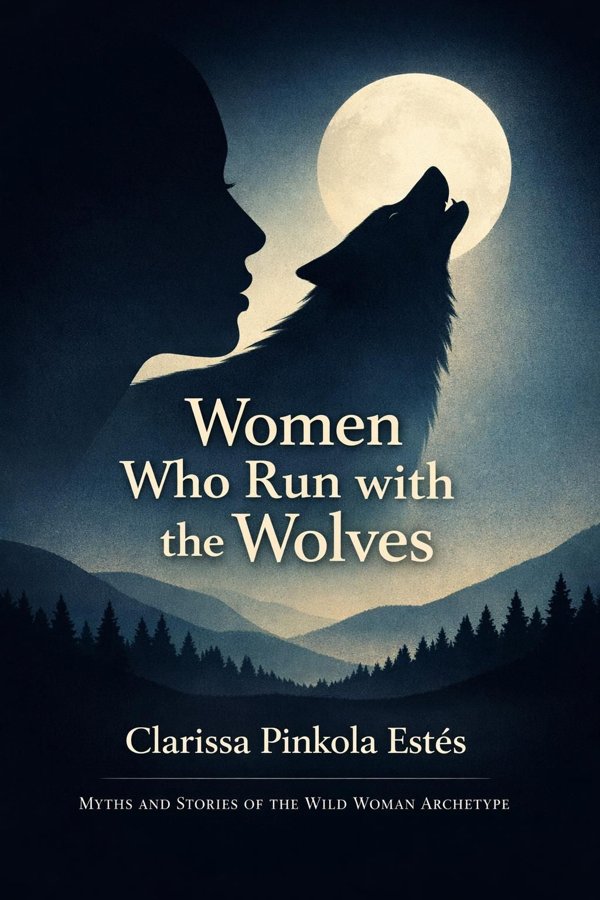
Women Who Run with the Wolves
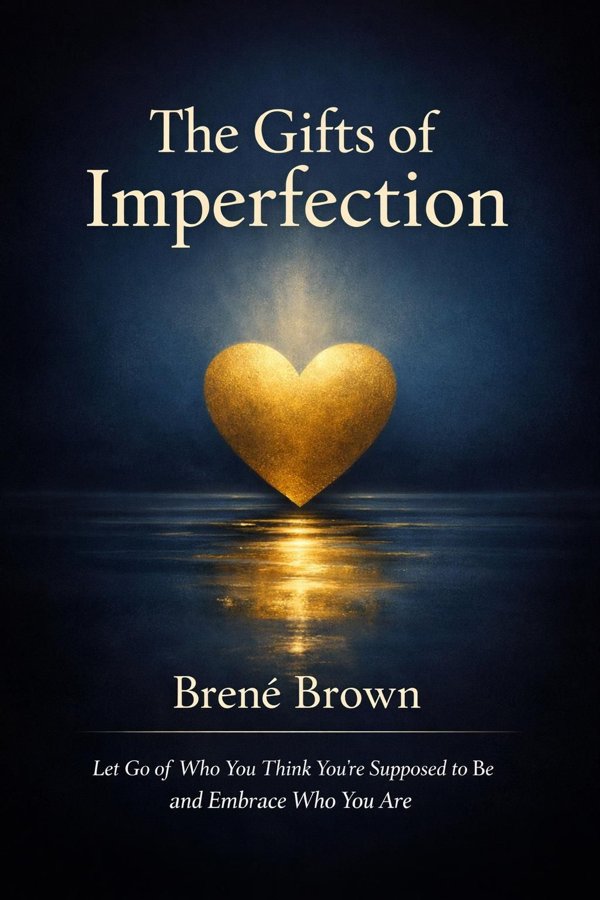
The Gifts of Imperfection
In-Depth Analysis
Clarissa Pinkola Estés’s Women Who Run with the Wolves and Brené Brown’s The Gifts of Imperfection both aim at inner liberation, but they approach that goal through radically different languages of healing. Estés writes from the traditions of depth psychology, folklore, and archetypal interpretation, while Brown writes from shame research, vulnerability studies, and practical self-help. Put simply, Estés asks readers to descend into the symbolic underworld and recover the lost instinctual self; Brown asks readers to loosen the grip of perfectionism and build a more wholehearted everyday life.
The most important difference lies in what each author believes has gone wrong. In Women Who Run with the Wolves, the central injury is estrangement from the 'Wild Woman'—the intuitive, creative, untamed feminine psyche. This lost self is not mere spontaneity or rebellion; it is a deep source of knowing, endurance, sensuality, and psychic truth. Estés dramatizes this loss through stories. In 'La Loba,' the wolf woman gathers bones in the desert and sings life back into them, symbolizing the recovery of the dismembered self. The metaphor is psychologically rich: many readers do not need more productivity techniques, Estés suggests—they need to recover what has been starved, scattered, or buried alive.
Brown, by contrast, locates the central injury in shame and the strategies we use to avoid it, especially perfectionism. In The Gifts of Imperfection, perfectionism is not framed as healthy striving but as armor. It promises protection from criticism and rejection, yet actually intensifies fear and disconnection. Her solution is not a mythic return to instinct but the practice of 'wholehearted living' through courage, compassion, and connection. Where Estés asks, 'What part of your soul has been exiled?', Brown asks, 'What are you doing to earn worthiness that you already possess?'
These different diagnoses shape each book’s tone. Estés is immersive, poetic, and often overwhelming in a purposeful way. Her interpretation of 'Bluebeard' is a good example. The tale becomes an anatomy of the internal predator—the force in the psyche that deadens intuition, forbids inquiry, and persuades a woman not to trust what she knows. This is far more than advice about bad relationships; it is a meditation on self-betrayal. Brown would likely discuss similar territory in terms of shame triggers, numbing, or the fear of being judged, but she would do so in a more accessible and behavior-oriented vocabulary. The difference is not just stylistic; it reflects distinct conceptions of truth. Estés trusts symbol and story to reveal truth indirectly. Brown trusts researched patterns and grounded naming.
For many readers, Brown will be easier to apply immediately. The Gifts of Imperfection is organized around ten guideposts, and its chapters lead naturally to action: stop confusing perfectionism with excellence, practice self-compassion, cultivate authenticity, let go of comparison, make room for meaningful work, and build resilience. Even when Brown is conceptually ambitious, she remains practical. Readers can identify a habit—people-pleasing, chronic self-criticism, overfunctioning—and begin changing it. This makes the book highly effective for those who are emotionally exhausted but not looking for symbolic immersion.
Estés offers a different kind of usefulness. Her practical value is less procedural than revelatory. 'Vasalisa the Wise' emphasizes intuition as sacred guidance, and 'The Skeleton Woman' explores the life-death-life cycle in love and selfhood: nothing living remains untouched by endings, decay, and renewal. These stories do not give a checklist; they reshape the reader’s inner map. Someone who has experienced betrayal, creative dryness, grief, or the deadening effects of social conformity may find Estés more transformative precisely because she addresses suffering at a mythic depth rather than at the level of habit correction.
Another key distinction is audience scope. The Gifts of Imperfection is broad and inclusive, with language that serves beginners well. It is ideal for readers who want a first serious book on shame, authenticity, and self-acceptance. Women Who Run with the Wolves is more specific in audience and temperament. Though many readers outside its core demographic find value in it, the book is unmistakably addressed to women and particularly to those drawn to feminine archetypes, story, and psychic excavation. Some readers experience this as profound recognition; others may find it diffuse or essentializing.
In terms of rigor, Brown’s advantage is clear if one values contemporary research. Her work emerges from years of qualitative study and offers a framework that fits modern discussions of vulnerability, belonging, and emotional resilience. Estés’s authority comes from another tradition altogether: clinical practice, cross-cultural tale interpretation, and Jungian archetypal thinking. For skeptics, this can feel untestable. For receptive readers, it can feel wiser than statistics because it reaches material empirical language often cannot.
Ultimately, these books are less rivals than complements. Brown helps readers function with more honesty and less shame in ordinary life. Estés helps readers remember a buried psychic inheritance and confront the darker, older structures beneath ordinary life. If Brown teaches you to stop performing perfection, Estés teaches you to recover the instinct that knew you were whole before performance began. Read Brown when you need tools, clarity, and emotional permission. Read Estés when you need initiation, symbolic depth, and a language for the parts of yourself that self-help often cannot name.
Side-by-Side Comparison
| Aspect | Women Who Run with the Wolves | The Gifts of Imperfection |
|---|---|---|
| Core Philosophy | Women Who Run with the Wolves argues that healing and wholeness come from recovering the 'Wild Woman' archetype—the instinctual, intuitive, creative feminine self buried under social conditioning. Estés frames psychological growth as a return to ancient knowing through myth, symbol, and the life-death-life cycle. | The Gifts of Imperfection centers on wholehearted living through courage, compassion, and connection. Brown’s philosophy is that letting go of perfectionism, shame, and the need for approval allows people to live more authentically and form healthier relationships with themselves and others. |
| Writing Style | Estés writes in a lush, incantatory, almost oral-tradition voice, blending Jungian interpretation, folklore, poetry, and therapeutic reflection. Chapters often unfold through stories such as 'La Loba,' 'Bluebeard,' and 'Vasalisa,' then expand into symbolic analysis. | Brown writes in a direct, conversational, research-inflected style that feels accessible and contemporary. She uses personal anecdotes, plain language, and structured guideposts to make emotional concepts like shame, vulnerability, and authenticity easy to grasp. |
| Practical Application | Its applications are largely interpretive and reflective: readers are invited to journal, notice recurring psychic patterns, honor intuition, and rethink personal wounds through mythic imagery. The guidance is profound but often indirect, requiring the reader to translate symbolism into daily practice. | Brown offers clearer behavioral shifts, such as recognizing perfectionism as self-protection, practicing self-compassion, setting boundaries around shame, and choosing authenticity over performance. The book is built around habits and mindset changes that can be implemented immediately. |
| Target Audience | Estés most strongly addresses women seeking depth psychology, feminist spirituality, mythic frameworks, or recovery of creative and instinctual identity. It especially resonates with readers who feel emotionally starved by purely rational or productivity-oriented self-help. | Brown reaches a broader audience, including readers new to personal development, those struggling with shame or burnout, and anyone wanting a practical framework for emotional resilience. Although widely read by women, its language and lessons are more universally framed. |
| Scientific Rigor | The book draws more from Jungian psychology, folklore, storytelling, and clinical intuition than from empirical social science. Its authority comes from symbolic resonance and therapeutic wisdom rather than testable research design or data-heavy argumentation. | Brown grounds her claims in years of qualitative research on shame, vulnerability, belonging, and wholeheartedness. While the book is not academic in tone, it is more clearly connected to contemporary research methods and evidence than Estés’s archetypal approach. |
| Emotional Impact | Women Who Run with the Wolves often feels transformative, even initiatory, because it speaks to grief, rage, instinct, sexuality, betrayal, and renewal in primal terms. Stories like 'The Skeleton Woman' and 'Bluebeard' can provoke deep recognition in readers confronting psychic fragmentation or suppressed intuition. | The Gifts of Imperfection tends to create relief, reassurance, and motivation rather than mythic upheaval. Readers often feel seen in their struggles with comparison, shame, and overachievement, and Brown’s tone makes emotional growth feel humane rather than overwhelming. |
| Actionability | Its actionability is medium: the book changes how readers interpret themselves, but it rarely gives step-by-step programs. The payoff is often slow and cumulative, emerging through rereading and reflection rather than immediate habit formation. | Its actionability is high because Brown organizes the book around ten guideposts for practice. Concepts like letting go of perfectionism, cultivating gratitude, and embracing meaningful work translate readily into concrete personal experiments. |
| Depth of Analysis | Estés offers exceptional depth at the symbolic and archetypal level, treating folktales as maps of psychic development. Her reading of 'Bluebeard' as the inner predator, for instance, gives readers a sophisticated framework for self-betrayal, denial, and intuitive awakening. | Brown’s analysis is psychologically sharp but intentionally streamlined for usability. She tends to move from concept to application quickly, privileging clarity and emotional relevance over the layered symbolic excavation found in Estés. |
| Readability | The book can be demanding: its long chapters, dense symbolism, and associative style reward patience but may frustrate readers looking for linear advice. It is often best read slowly, almost devotionally. | Brown is much easier to read in a standard self-help mode. The structure is clean, the terminology is familiar, and readers can absorb the main lessons without specialized background in mythology or depth psychology. |
| Long-term Value | Women Who Run with the Wolves has unusually strong reread value because different life stages unlock new meanings in its tales. It often becomes a lifelong companion text for readers interested in intuition, creativity, grief, and feminine individuation. | The Gifts of Imperfection also holds long-term value, especially as a reset during periods of burnout, self-criticism, or overperformance. Its lessons remain relevant because perfectionism and shame recur, but its insights are more likely to be assimilated quickly than endlessly reinterpreted. |
Key Differences
Mythic Recovery vs Behavioral Change
Estés frames healing as the recovery of the Wild Woman through symbolic stories like 'La Loba,' where scattered bones are gathered and sung back to life. Brown frames healing as changing patterns such as perfectionism, people-pleasing, and shame-driven striving in everyday life.
Archetypal Psychology vs Research-Based Self-Help
Women Who Run with the Wolves relies on Jungian-style archetypes, folktales, and clinical interpretation rather than empirical evidence. The Gifts of Imperfection is rooted in Brené Brown’s research on shame, vulnerability, and belonging, giving it a more modern psychological framework.
Symbolic Depth vs Immediate Accessibility
Estés’s chapters require interpretive effort because the lessons are embedded in stories such as 'Bluebeard' and 'The Skeleton Woman.' Brown’s lessons are easier to grasp immediately because she names common experiences directly and organizes them into guideposts.
Female Instinct and Intuition vs Universal Wholeheartedness
Estés writes explicitly about feminine psychic life, intuition, erotic vitality, creativity, and the social taming of women’s instincts. Brown addresses a broader human struggle with worthiness and disconnection, even if many women strongly identify with her work.
Transformative Reading Experience vs Usable Life Framework
Reading Estés can feel like entering a ritual space where stories trigger recognition and emotional excavation over time. Reading Brown feels more like receiving a grounded framework you can use to make healthier choices this week, especially around shame and perfectionism.
Intuition as Sacred Signal vs Vulnerability as Strength
In stories like 'Vasalisa the Wise,' Estés emphasizes intuition as a trustworthy internal guide that must be protected and sharpened. Brown’s central claim is that vulnerability, not self-protection, is the path to courage, connection, and authenticity.
Reread Slowly vs Apply Quickly
Women Who Run with the Wolves is best absorbed over time; readers often revisit chapters at different life stages and find new meanings. The Gifts of Imperfection lends itself to immediate implementation, journaling, discussion groups, and concrete mindset shifts.
Who Should Read Which?
The overwhelmed high-achiever who is exhausted by self-criticism and constantly feels 'not enough'
→ The Gifts of Imperfection
Brown directly addresses perfectionism, shame, comparison, and the pressure to perform worthiness. Her guideposts offer immediate relief and practical ways to replace harsh striving with authenticity and self-compassion.
The intuitive, creative, or spiritually curious reader who feels cut off from instinct, desire, or inner vitality
→ Women Who Run with the Wolves
Estés speaks to psychic fragmentation through mythic stories like 'La Loba' and 'Vasalisa the Wise.' Her work is ideal for readers who want symbolic depth, feminine archetypes, and a more soul-centered form of psychological healing.
The thoughtful personal-growth reader who wants both emotional insight and lasting transformation
→ The Gifts of Imperfection
Start with Brown for clarity, emotional vocabulary, and usable practices, then move to Estés for deeper archetypal work. Brown offers the more stable entry point if you want growth that is both understandable and sustainable.
Which Should You Read First?
For most readers, the best reading order is The Gifts of Imperfection first, followed by Women Who Run with the Wolves. Brown provides an accessible emotional foundation: she helps you identify shame, understand perfectionism as self-protection, and practice self-compassion. That groundwork matters because Estés asks you to face deeper material—inner predators, instinctive knowing, grief, creative starvation, and the life-death-life cycle. If you begin with Brown, you may become less defensive and more open to the symbolic intensity of Estés. That said, there is one major exception. If you already feel allergic to mainstream self-help, or if your deepest struggle is not perfectionism but a sense of inner deadness, lost intuition, or disconnection from feminine vitality, Women Who Run with the Wolves may be the better first book. It can awaken desire and recognition in readers who feel unseen by more structured advice. Still, for the average reader seeking growth with both insight and traction, Brown first and Estés second is the most effective sequence.
Want the full summary?
Get instant access to this book summary and 100K+ more with Fizz Moment.
Get Free SummaryAvailable on App Store • Free to download
Frequently Asked Questions
Is Women Who Run with the Wolves better than The Gifts of Imperfection for beginners?
For most beginners, The Gifts of Imperfection is the better starting point. Brené Brown uses straightforward language, clear chapter goals, and practical concepts like perfectionism, shame, authenticity, and self-compassion. Women Who Run with the Wolves is much denser and relies on myth, archetype, and symbolic interpretation, which can feel profound but also challenging if you are new to psychology or reflective reading. If by 'better' you mean easier to understand and apply quickly, Brown wins. If you are already drawn to folklore, Jungian ideas, or feminine spiritual psychology, Estés may still feel more personally significant.
Which book is more healing for women recovering from burnout, shame, or people-pleasing?
The Gifts of Imperfection is usually more immediately helpful for burnout, shame, and people-pleasing because Brown directly addresses the emotional mechanics behind those patterns. Her discussion of perfectionism as armor and her emphasis on self-compassion can help readers identify why they overperform and fear disapproval. Women Who Run with the Wolves may be more healing at a deeper symbolic level, especially for women who feel they have lost touch with desire, anger, creativity, or intuition. Brown helps stabilize and reframe behavior; Estés helps recover something ancient and disowned. The best choice depends on whether you need practical relief or deeper re-enchantment.
What is the difference between Women Who Run with the Wolves and The Gifts of Imperfection in terms of psychology?
Psychologically, the books come from different traditions. Women Who Run with the Wolves is rooted in Jungian and archetypal psychology, where folktales like 'Bluebeard' and 'Vasalisa' reveal recurring patterns of the psyche. It focuses on instinct, the unconscious, symbolic death and renewal, and the recovery of the Wild Woman. The Gifts of Imperfection comes from Brené Brown’s research on shame, vulnerability, and belonging. It is less concerned with mythic symbolism and more concerned with observable emotional habits such as perfectionism, self-judgment, and fear of disconnection. Estés interprets the soul; Brown interprets patterns of self-protection.
Which book is more practical: Women Who Run with the Wolves or The Gifts of Imperfection?
The Gifts of Imperfection is clearly more practical in a conventional self-help sense. Brown organizes the book around ten guideposts and consistently translates ideas into behaviors readers can notice and change, such as letting go of 'what people think,' practicing gratitude, or choosing authenticity over performance. Women Who Run with the Wolves is practical in a slower, less explicit way. Its usefulness comes from insight, symbolic recognition, and reinterpreting your inner life through stories like 'La Loba' or 'The Skeleton Woman.' If you want immediate action steps, choose Brown. If you want transformative reflection, choose Estés.
Is Women Who Run with the Wolves too spiritual or abstract compared with The Gifts of Imperfection?
It can be, depending on your expectations. Women Who Run with the Wolves is not 'spiritual' in a simplistic affirmation-based way, but it is highly symbolic, poetic, and archetypal. Estés often works through folktales rather than direct advice, so readers who prefer linear arguments may find it abstract. The Gifts of Imperfection is more grounded in modern emotional vocabulary and easier to connect to daily struggles like overworking, comparison, and shame spirals. That said, what seems abstract to one reader may feel deeply accurate to another. Estés is often most powerful for readers whose experiences are too layered or emotionally old to fit neatly into ordinary self-help language.
Should I read The Gifts of Imperfection before Women Who Run with the Wolves?
In most cases, yes. The Gifts of Imperfection builds a strong foundation in self-acceptance, vulnerability, and emotional awareness. It can help loosen the perfectionism and shame defenses that might otherwise make Women Who Run with the Wolves feel inaccessible or threatening. Once you have Brown’s framework for self-compassion and wholeheartedness, Estés’s darker and deeper material often becomes easier to absorb. However, if you are specifically seeking mythic, feminine, and intuitive healing rather than practical self-help, starting with Women Who Run with the Wolves may feel more alive and urgent.
The Verdict
These books serve different stages and styles of inner work, so the better choice depends less on objective quality than on what kind of transformation you want. If you want a practical, emotionally intelligent, research-based guide to letting go of perfectionism and living more authentically, The Gifts of Imperfection is the stronger recommendation. Brené Brown is clearer, more structured, and easier to apply immediately. Her ideas about shame, vulnerability, and wholehearted living are accessible without feeling simplistic, making the book especially valuable for readers dealing with overachievement, self-criticism, burnout, or fear of judgment. Women Who Run with the Wolves is the more original, mythic, and psychologically immersive work. It is not as easy to read or as conventionally actionable, but it reaches layers of experience that many self-help books never touch. Estés gives readers a symbolic language for instinct, betrayal, intuition, grief, sexuality, creative hunger, and psychic renewal. For some readers, especially women drawn to depth psychology and folklore, it can be life-changing in a way that feels less like advice and more like recovery of the soul. If you are choosing just one, pick Brown for clarity and habit-level change; pick Estés for depth, archetypal insight, and long-term rereading. If possible, read both: Brown to dismantle the armor, Estés to reclaim what the armor was protecting.
Related Comparisons


Want to read both books?
Get AI-powered summaries of both Women Who Run with the Wolves and The Gifts of Imperfection in just 20 minutes total.