
Rich Dad Poor Dad vs The Richest Man in Babylon: Which Should You Read?
A detailed comparison of Rich Dad Poor Dad by Robert Kiyosaki and The Richest Man in Babylon by George Clason. Discover the key differences, strengths, and which book is right for you.
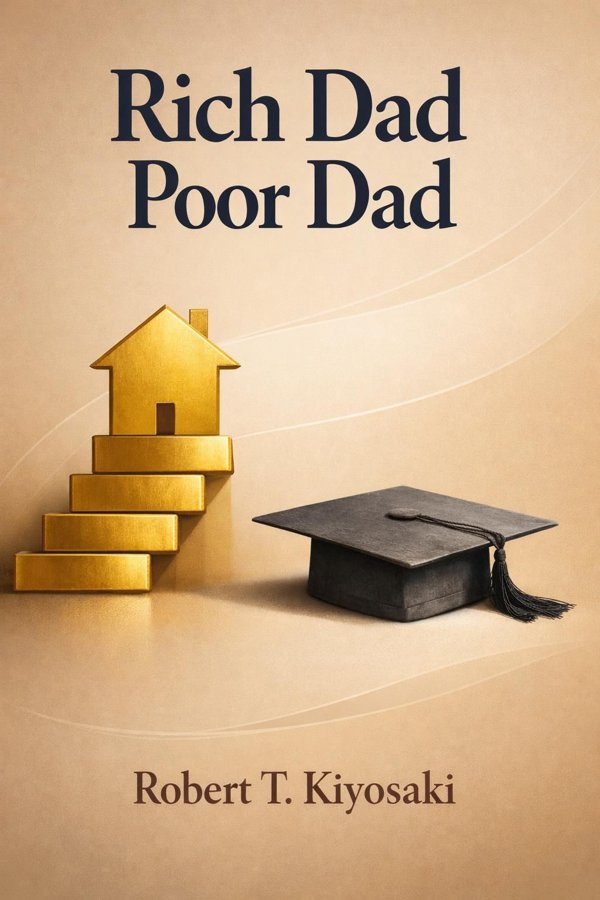
Rich Dad Poor Dad
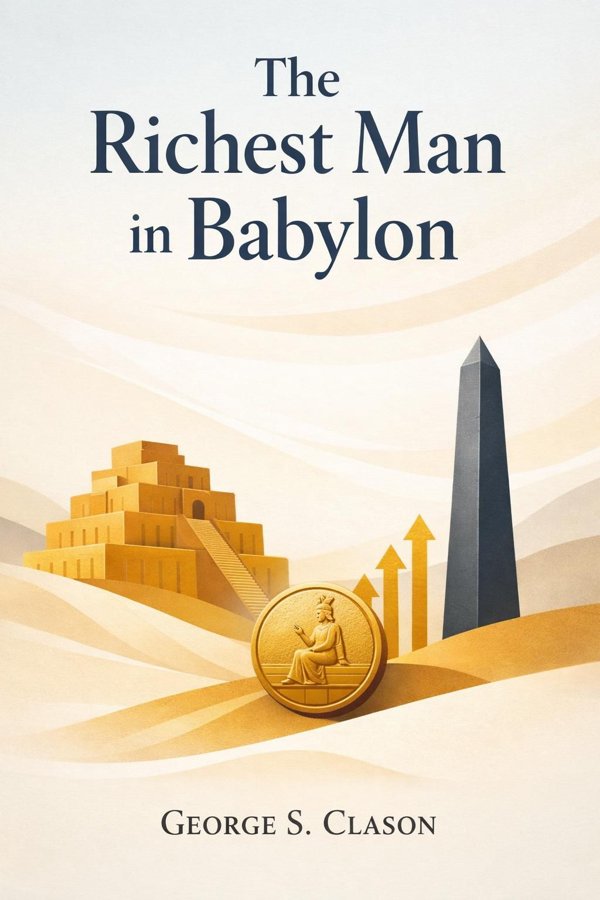
The Richest Man in Babylon
In-Depth Analysis
Rich Dad Poor Dad and The Richest Man in Babylon are both classics of personal finance, but they aim at different layers of the money problem. George Clason’s book is primarily about financial behavior: save, control spending, invest carefully, and let time work for you. Robert Kiyosaki’s book is more disruptive and ideological: question the standard life script, develop financial intelligence, and acquire assets that generate cash flow. If Clason teaches the grammar of wealth, Kiyosaki teaches a new accent and attitude toward it.
The clearest contrast lies in each book’s central teaching device. Clason relies on parables from ancient Babylon. Characters like Arkad, the wealthy former scribe, embody principles such as “Start thy purse to fattening,” meaning save at least one-tenth of what you earn. The stories are stripped down to enduring patterns: the worker who spends all he makes, the borrower crushed by imprudence, the saver who prospers because he seeks wise counsel. Kiyosaki, by contrast, personalizes his message through the famous contrast between “Poor Dad,” the educated employee who values job security, and “Rich Dad,” the entrepreneur-investor who values ownership and financial literacy. This framing makes Rich Dad Poor Dad feel less like a moral handbook and more like a challenge to conventional middle-class thinking.
That difference affects what each book emphasizes. The Richest Man in Babylon is centered on accumulation through discipline. Its “Seven Cures for a Lean Purse” move step by step: save first, control expenditures, make money multiply, guard against loss, own your home, secure future income, and increase your ability to earn. This is a foundational model of personal finance. It assumes that before wealth becomes sophisticated, it must become orderly. Rich Dad Poor Dad begins one step later, or at least in a more aggressive direction. Kiyosaki is less interested in whether you save 10% than in whether you understand the difference between assets and liabilities. He famously argues that many people buy liabilities they believe are assets, especially houses or status purchases that consume cash instead of producing it. In practical terms, Clason helps readers stop financial leakage; Kiyosaki asks them to redesign the whole machine.
The two books also differ sharply in tone toward work and institutions. Clason never dismisses labor; in fact, he respects craft, diligence, and earned income. Arkad starts as a scribe, and the book repeatedly implies that wealth begins when a worker keeps part of what he earns. Kiyosaki is more suspicious of the employee path itself. He argues that schools train people to work for money rather than to make money work for them. This is one reason Rich Dad Poor Dad often feels electrifying to readers who are frustrated with salaried life. It names a fear many modern workers have: that even steady income can leave them financially fragile. But this same quality is also why the book attracts criticism. Its claims about education, taxes, and conventional careers are broad, sometimes overstated, and not carefully supported with evidence. Clason’s wisdom may be simpler, but it is also harder to misuse.
Another major difference is how each book handles risk. The Richest Man in Babylon is consistently conservative. In the sections on the “Five Laws of Gold,” Clason warns against entrusting money to people unskilled in preserving it and against seeking impossible returns. In modern terms, he is warning readers against hype, speculation, and uninformed investing. Rich Dad Poor Dad is not reckless exactly, but it is much more comfortable with entrepreneurial and investment risk. Kiyosaki celebrates learning through action, buying assets, understanding tax structures, and using knowledge to escape the rat race. For some readers, this is liberating. For others, it can encourage overconfidence if not balanced with more concrete and evidence-based guidance.
In terms of readability and memorability, both books succeed but by opposite routes. Clason’s archaic language—phrases like “fatten thy purse” or “gold labors diligently”—can initially seem quaint. Yet that stylization is part of the book’s staying power. The lessons become almost proverbial. Kiyosaki’s prose is more contemporary, repetitive, and blunt. His binary framing—rich versus poor thinking, assets versus liabilities—makes the content easy to remember and discuss. The simplification is pedagogically effective, even when it sometimes flattens economic complexity.
For beginners, The Richest Man in Babylon is usually the safer starting point because it translates directly into immediate habits. A reader can finish it and know exactly what to do: save a percentage of income, restrain lifestyle inflation, avoid dubious investments, and seek advice from people with real experience. Rich Dad Poor Dad is often more transformational for readers who already know basic budgeting but have not yet reconsidered the role of ownership, cash flow, and financial education in their lives. Its greatest value is not technical instruction but perspective. It asks readers to see money not merely as wages and bills, but as a system of incentives, assets, and choices.
Ultimately, the books are best understood as complementary rather than competing. Clason teaches discipline before ambition. Kiyosaki teaches ambition beyond discipline. One says, in effect, “Keep part of all you earn and guard it wisely.” The other says, “Do not confuse earning with wealth building; acquire assets that free you.” Read together, they provide a stronger financial philosophy than either alone: first master restraint and consistency, then develop the literacy and courage to build cash-flow-producing wealth.
Side-by-Side Comparison
| Aspect | Rich Dad Poor Dad | The Richest Man in Babylon |
|---|---|---|
| Core Philosophy | Rich Dad Poor Dad argues that wealth comes from financial education, buying assets, and escaping the employee mindset. Kiyosaki frames money as a game governed by cash flow, leverage, and the difference between what earns income and what drains it. | The Richest Man in Babylon teaches that wealth is built through timeless habits: save first, control spending, invest prudently, and avoid foolish risks. Clason’s philosophy is less about mindset disruption and more about disciplined stewardship over time. |
| Writing Style | Kiyosaki uses a conversational, anecdotal, and provocative style built around the contrast between his 'rich dad' and 'poor dad.' The tone is modern, direct, and often intentionally contrarian, designed to challenge conventional beliefs about jobs and education. | Clason writes in parables set in ancient Babylon, using fable-like dialogue and repeated maxims such as 'Start thy purse to fattening.' The style is old-fashioned but highly memorable because its lessons are embedded in story patterns rather than argument alone. |
| Practical Application | Rich Dad Poor Dad gives readers conceptual tools like the asset-versus-liability distinction and encourages entrepreneurial thinking, investing, and building cash-flow-producing holdings. Its advice is inspirational but sometimes broad, requiring readers to translate the principles into concrete plans. | The Richest Man in Babylon offers highly actionable rules, especially paying yourself first, living below your means, and seeking counsel from experienced investors. Its prescriptions are simpler and easier to implement immediately, especially for readers at the beginning of their financial journey. |
| Target Audience | Kiyosaki is especially appealing to readers who feel disillusioned with the traditional path of school, job, and retirement. It speaks strongly to aspiring entrepreneurs, side-hustlers, and people interested in real estate or passive income. | Clason is ideal for readers who need foundational money habits before they think about entrepreneurship or complex investing. It suits savers, debt reducers, and beginners who want clear principles that apply regardless of income level. |
| Scientific Rigor | Rich Dad Poor Dad is influential but not rigorous in an academic or data-driven sense; it relies heavily on personal narrative, simplified categories, and broad claims about schools, taxes, and employment. Readers often need supplementary sources to evaluate its investment implications realistically. | The Richest Man in Babylon is also not scientific in a formal sense, but it makes fewer sweeping structural claims and stays closer to behavioral wisdom. Its value lies in durable heuristics rather than empirical analysis or detailed financial evidence. |
| Emotional Impact | Kiyosaki creates emotional tension by portraying one father as trapped by respectable beliefs and the other as liberated by financial intelligence. This contrast can energize readers, especially those who feel they have been following society’s rules without gaining security. | Clason’s emotional power is quieter and more reassuring, built around the dignity of gradual progress and the relief of gaining control over money. The parables create hope by showing ordinary people improving their condition through patience and discipline. |
| Actionability | The book is actionable at the level of mindset shifts: track cash flow, learn accounting basics, look for assets, and stop confusing consumption with investment. However, many readers finish motivated but still unsure which first financial step to take. | Clason excels at actionability because his rules can be followed almost immediately: save 10%, cap expenses, and avoid investments you do not understand. Its advice translates naturally into a budget, a savings rate, and a cautious investment approach. |
| Depth of Analysis | Rich Dad Poor Dad offers more analysis of social conditioning, work culture, and how fear and desire shape money decisions. It tries to reframe the reader’s identity in relation to money, not just improve habits. | The Richest Man in Babylon is less analytical about institutions or psychology in modern terms, but it is deep in moral and behavioral insight. It focuses on recurring human weaknesses such as impatience, vanity, and susceptibility to bad advice. |
| Readability | Kiyosaki’s language is simple, repetitive, and highly accessible to contemporary readers, even those who do not usually read finance books. Its controversial tone keeps attention, though some readers may find the repetition excessive. | Clason is also easy to read, but the pseudo-biblical phrasing and Babylonian setting may slow some modern readers at first. Once adjusted to the style, most readers find the stories short, clear, and surprisingly sticky. |
| Long-term Value | Its long-term value lies in changing how readers classify purchases, think about work, and question mainstream financial assumptions. Even critics admit that the 'assets put money in your pocket' framework can permanently alter financial decision-making. | Its long-term value comes from the durability of its core rules: save consistently, spend carefully, and invest with wisdom. Because these principles are less tied to a particular era or asset class, they age especially well. |
Key Differences
Habit Formation vs Mindset Disruption
The Richest Man in Babylon focuses on repeatable habits such as saving 10% and controlling expenditures. Rich Dad Poor Dad focuses on changing how readers think about money, especially the belief that wages and job security alone create wealth.
Parables vs Personal Narrative
Clason teaches through ancient Babylonian stories like Arkad’s rise from poor scribe to wealthy man, making principles feel timeless. Kiyosaki teaches through the contrast between his 'rich dad' and 'poor dad,' which gives the book a more autobiographical and argumentative energy.
Conservative Stewardship vs Entrepreneurial Orientation
Clason repeatedly warns readers to protect savings from bad deals and unqualified advisors, emphasizing preservation of capital. Kiyosaki is more oriented toward acquiring assets, learning investing, and embracing business ownership, which feels more growth-driven and risk-tolerant.
Immediate Steps vs Broad Frameworks
After reading Clason, a person can implement specific actions right away: save first, budget better, and avoid speculative promises. After reading Kiyosaki, a reader often gains a new financial lens—such as classifying purchases by cash flow—but may still need additional resources for execution.
View of Work
In The Richest Man in Babylon, work is honorable and necessary; wealth begins by keeping part of one’s earnings. In Rich Dad Poor Dad, work is often framed as something that can trap people in the 'rat race' if they never shift from earning income to owning assets.
Moral Simplicity vs Social Critique
Clason keeps the discussion at the level of personal conduct: discipline, patience, prudence, and wisdom. Kiyosaki adds criticism of schools, employment systems, and conventional advice, making the book feel more polemical and culturally confrontational.
Timeless Rules vs Era-Specific Energy
Clason’s principles are so general that they apply almost unchanged across generations. Kiyosaki’s message is also durable in parts, but it is more tied to modern entrepreneurial culture, real-estate enthusiasm, and late-20th-century skepticism toward traditional careers.
Who Should Read Which?
The overwhelmed beginner who struggles with saving and budgeting
→ The Richest Man in Babylon
This reader needs clarity, not complexity. Clason’s rules—especially paying yourself first and controlling expenditures—are easy to understand and implement without prior financial knowledge.
The salaried professional who earns well but feels financially stuck
→ Rich Dad Poor Dad
This reader may already have income but lacks a framework for turning earnings into assets. Kiyosaki’s emphasis on cash flow, ownership, and financial education directly addresses that frustration.
The ambitious reader interested in long-term wealth and personal finance classics
→ The Richest Man in Babylon
As a starting point, Clason provides the durable behavioral foundation on which all later investing and entrepreneurial strategies depend. It also pairs exceptionally well with Rich Dad Poor Dad as a second read.
Which Should You Read First?
For most readers, the best order is to read The Richest Man in Babylon first and Rich Dad Poor Dad second. Clason’s book lays the foundation: save part of every paycheck, control spending, protect your principal, and seek advice from people who actually understand money. Those habits create stability and discipline, which are necessary before more ambitious ideas can be used well. Then read Rich Dad Poor Dad to expand your financial imagination. Kiyosaki takes you beyond basic thrift and asks bigger questions: Are you buying assets or liabilities? Are you building cash flow or only earning wages? Are you financially educated enough to recognize opportunity? This sequence works because it mirrors the natural progression of wealth building. First, learn not to leak money. Second, learn how wealth compounds through ownership. The only exception is for readers who already budget, save consistently, and have basic investing discipline but feel mentally trapped by the employee mindset. In that case, Rich Dad Poor Dad may be the better first read, followed by Clason as a grounding corrective.
Want the full summary?
Get instant access to this book summary and 100K+ more with Fizz Moment.
Get Free SummaryAvailable on App Store • Free to download
Frequently Asked Questions
Is Rich Dad Poor Dad better than The Richest Man in Babylon for beginners?
For most true beginners, The Richest Man in Babylon is usually better because its advice is immediate, concrete, and hard to misinterpret. Clason tells readers to save at least one-tenth of their income, control expenses, and avoid investments they do not understand. Those are foundational habits. Rich Dad Poor Dad can be inspiring for beginners, especially its lesson that an asset puts money in your pocket while a liability takes money out, but its guidance is more conceptual than procedural. If you need a first money system, start with Clason. If you need a first money mindset shift, Kiyosaki may feel more powerful.
Which book has more practical personal finance advice: Rich Dad Poor Dad or The Richest Man in Babylon?
The Richest Man in Babylon has more direct personal finance advice in the everyday sense. Its 'Seven Cures for a Lean Purse' function almost like a beginner’s checklist: pay yourself first, spend less than you earn, make savings grow, and protect capital from bad investments. Rich Dad Poor Dad is practical in a different way. It gives you mental models, especially the asset-versus-liability distinction and the idea that financial education matters more than income alone. But many readers still need another book, a budget, or an investment framework after finishing it. Clason tells you what to do tomorrow; Kiyosaki tells you how to think differently for years.
Should I read The Richest Man in Babylon before Rich Dad Poor Dad?
Yes, in many cases that is the better reading order. The Richest Man in Babylon builds the habits that make later financial opportunities useful rather than dangerous. If you do not already save regularly or control spending, Kiyosaki’s emphasis on investing and assets can become abstract or prematurely ambitious. Clason gives you the discipline layer first. Then Rich Dad Poor Dad can expand your perspective by showing why simply earning and saving may not be enough for long-term financial freedom. That sequence mirrors real wealth building: first stability, then strategy. Readers who are already savers but feel stuck in employee thinking may choose the reverse order.
What are the biggest differences between Rich Dad Poor Dad and The Richest Man in Babylon?
The biggest difference is that Rich Dad Poor Dad is a mindset-reframing book, while The Richest Man in Babylon is a habit-building book. Kiyosaki challenges the traditional belief that a good job and formal education automatically create security. Clason rarely attacks institutions; instead, he teaches timeless rules like saving 10%, controlling expenditures, and seeking wise counsel. Another major difference is tone. Kiyosaki is provocative and modern, often framing choices as rich thinking versus poor thinking. Clason is calm and parabolic, teaching through stories of scribes, merchants, and lenders. One disrupts; the other stabilizes.
Is Rich Dad Poor Dad or The Richest Man in Babylon more useful for building wealth long term?
Long term, the answer depends on what is missing in your financial life. If you lack consistency, The Richest Man in Babylon is more useful because long-term wealth almost always begins with stable habits: saving, avoiding lifestyle inflation, and protecting principal. If you already have those habits but still think only in terms of salary and consumption, Rich Dad Poor Dad may have greater long-term impact because it pushes you toward ownership, cash flow, and financial education. In reality, the strongest long-term result often comes from combining them: use Clason for behavior and Kiyosaki for strategic orientation.
Which book is more credible: Rich Dad Poor Dad or The Richest Man in Babylon?
Many readers find The Richest Man in Babylon more credible because it makes modest, durable claims about money behavior rather than broad claims about society and wealth. Clason says that saving, controlling expenses, and investing carefully are the road to prosperity; few would dispute that. Rich Dad Poor Dad is influential, but it is also more controversial because it relies heavily on anecdote and simplified contrasts, especially around jobs, schooling, and asset definitions. That does not make it useless. It makes it better treated as a perspective-expanding book than a fully sufficient financial manual. Credibility here depends on whether you value timeless prudence or disruptive inspiration.
The Verdict
If you must choose only one, The Richest Man in Babylon is the better all-purpose recommendation for most readers. Its lessons are simpler, more universal, and more immediately usable: save a fixed portion of income, restrain spending, seek competent advice, and invest carefully. Those principles apply whether you are a salaried worker, freelancer, entrepreneur, or student. The book’s parables may be old, but the underlying behaviors are permanent. That said, Rich Dad Poor Dad is often the more catalytic book. It can change how readers interpret work, consumption, and financial freedom. Its strongest contribution is not technical precision but conceptual liberation. The idea that wealth is built by acquiring assets rather than merely earning paychecks has motivated millions to rethink their lives. For readers trapped in the belief that a good income automatically equals financial security, Kiyosaki’s book can be transformative. The best recommendation, therefore, is conditional. Choose The Richest Man in Babylon if you need financial fundamentals, discipline, and a dependable framework. Choose Rich Dad Poor Dad if you already grasp basic budgeting but need a more ambitious lens on ownership and cash flow. Ideally, read both: Clason first for habits, Kiyosaki second for perspective. Together they cover the two halves of financial growth—self-control and financial intelligence.
Related Comparisons
Want to read both books?
Get AI-powered summaries of both Rich Dad Poor Dad and The Richest Man in Babylon in just 20 minutes total.