
The Psychology of Money vs Rich Dad Poor Dad: Which Should You Read?
A detailed comparison of The Psychology of Money by Morgan Housel and Rich Dad Poor Dad by Robert Kiyosaki. Discover the key differences, strengths, and which book is right for you.
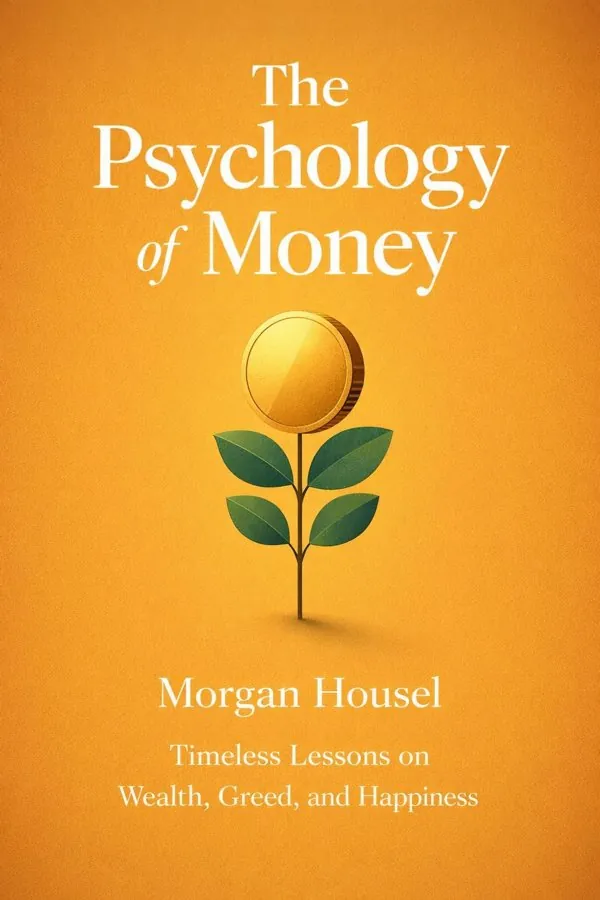
The Psychology of Money
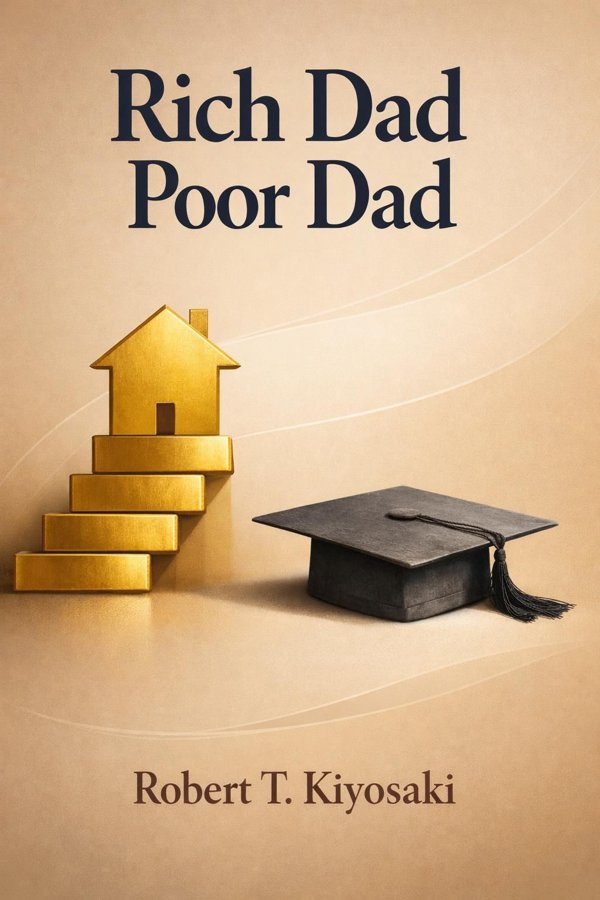
Rich Dad Poor Dad
In-Depth Analysis
Morgan Housel’s 'The Psychology of Money' and Robert Kiyosaki’s 'Rich Dad Poor Dad' are foundational works in the personal finance genre, yet they approach wealth-building from strikingly different angles, both philosophically and methodologically.
Housel’s book is a nuanced exploration of the human mind’s role in financial decision-making. Rather than prescribing specific investment strategies or budgeting techniques, Housel illuminates the hidden drivers—such as fear, greed, envy, and optimism—that influence our financial choices. For example, in his chapter 'No One Is Crazy,' Housel argues that our individual life experiences create vastly different perspectives on risk and reward. He illustrates how a person who grew up during the Great Depression might see the stock market as inherently perilous, whereas someone raised in bull markets may see it as an engine of opportunity. This theme recurs throughout the book: Housel insists that understanding our own emotional responses and cognitive biases is more important than mastering technical details.
Housel's methodology is rooted in storytelling and behavioral science. He synthesizes research from psychology and behavioral economics—citing scholars like Daniel Kahneman—to support his insights. In the chapter 'Luck & Risk,' he distinguishes between outcomes driven by skill versus those shaped by chance, cautioning readers to avoid over-attributing financial success or failure to personal merit alone. This analytical humility is a hallmark of Housel’s approach, and it leads to practical, if abstract, advice: cultivate patience, avoid hubris, and respect uncertainty.
In contrast, Kiyosaki’s 'Rich Dad Poor Dad' is structured as a memoir and parable. The book’s core conceit is the juxtaposition of advice from his biological father (the 'Poor Dad'), who values job security and formal education, with that from his friend’s entrepreneurial father (the 'Rich Dad'), who teaches him about financial independence. The lessons are clear and repetitive: buy assets, minimize liabilities, invest in your own financial education, and don’t equate hard work with wealth.
Kiyosaki’s methodology is practical and motivational. The book offers memorable, actionable frameworks—most notably, the distinction between assets (which put money in your pocket) and liabilities (which take money out). This binary, while simplified, resonates with readers who are new to financial literacy. Kiyosaki’s storytelling is direct, often polemical, and designed to provoke a reevaluation of mainstream assumptions about work, education, and security.
Philosophically, the books differ sharply. Housel is skeptical of one-size-fits-all answers. He argues that financial outcomes are often the product of context, temperament, and luck. For example, he writes, 'Doing well with money has little to do with how smart you are and a lot to do with how you behave.' By contrast, Kiyosaki is prescriptive: he believes anyone can follow the Rich Dad path by shifting their mindset and acquiring basic financial knowledge. His repeated emphasis is on action: 'The single most powerful asset we all have is our mind. If it is trained well, it can create enormous wealth.'
In terms of practical implications, Housel’s insights apply broadly but require introspection and self-discipline. His advice to 'save like a pessimist and invest like an optimist' encapsulates the delicate balance between caution and ambition. Kiyosaki, meanwhile, empowers readers to take tangible steps—such as tracking their personal balance sheets or seeking out investment opportunities—that can change their financial trajectory.
While Housel’s book is grounded in empirical research and offers long-term value through its exploration of universal psychological principles, Kiyosaki’s work thrives on its accessibility and immediate applicability. However, critics have noted that 'Rich Dad Poor Dad' sometimes oversimplifies complex financial realities and relies heavily on anecdote. Housel, on the other hand, is sometimes faulted for providing fewer direct solutions.
Ultimately, 'The Psychology of Money' and 'Rich Dad Poor Dad' complement each other: one offers insight into why we make the decisions we do, while the other provides a blueprint for changing those decisions. Together, they form a holistic foundation for anyone seeking to improve their financial life by understanding both the inner and outer game of money.
Side-by-Side Comparison
| Aspect | The Psychology of Money | Rich Dad Poor Dad |
|---|---|---|
| Core Philosophy | The Psychology of Money centers on the idea that financial success is shaped more by human behavior, psychology, and perception than by technical knowledge or mathematical expertise. | Rich Dad Poor Dad focuses on the difference between working for money and making money work for you, advocating for financial independence through assets and entrepreneurial thinking. |
| Writing Style | Morgan Housel employs a reflective, narrative-driven style, using real-life anecdotes and philosophical musings to engage readers and provoke thought. | Robert Kiyosaki presents his lessons through parables and personal stories, often in a conversational, direct tone that is both approachable and didactic. |
| Practical Application | The book provides broad, timeless principles rather than step-by-step advice, focusing on mindset shifts and behavioral changes. | It offers concrete, actionable advice such as the importance of buying assets and understanding cash flow, giving readers clear steps to improve their finances. |
| Target Audience | Ideal for readers seeking to understand the emotional and psychological forces behind money decisions, regardless of financial background. | Best suited for beginners and those new to personal finance who want a motivational introduction to building wealth outside of traditional employment. |
| Scientific Rigor | Housel draws on behavioral economics, history, and psychology, referencing academic studies and empirical evidence to underpin his arguments. | Kiyosaki relies on anecdotal evidence and personal experience, often prioritizing practical wisdom over academic rigor. |
| Emotional Impact | Encourages introspection and self-awareness, prompting readers to reflect on their own financial narratives and biases. | Inspires action and confidence, using simple contrasts and motivational language to urge readers to take control of their financial destiny. |
| Actionability | While thought-provoking, its advice is less concrete, focusing on the long-term cultivation of patience, humility, and rationality. | Highly actionable, with memorable frameworks (like assets vs. liabilities) and clear recommendations for immediate implementation. |
| Depth of Analysis | Offers nuanced, multi-layered analysis of human nature and the interplay between luck, risk, and decision-making in finance. | Delivers straightforward lessons, sometimes at the expense of nuance, often repeating core themes for emphasis. |
| Readability | Accessible and engaging, though some concepts require reflection and may challenge readers' assumptions. | Very easy to read, with simple language and short chapters designed to be digestible for all audiences. |
| Long-term Value | Its timeless psychological insights remain relevant over decades, serving as a reference for emotional and behavioral guidance. | Acts as a motivational primer; while its specific advice may need updating, its foundational concepts inspire continued learning. |
Key Differences
Philosophical Approach
'Rich Dad Poor Dad' is prescriptive and motivational, advocating a clear path to wealth through assets and entrepreneurship. 'The Psychology of Money' is introspective, emphasizing individual psychology, humility, and the unpredictability of outcomes.
Evidence Base
Housel’s book draws on behavioral economics, psychology, and historical examples, lending academic credibility. Kiyosaki relies on personal stories and anecdotal wisdom, with less emphasis on empirical research.
Actionability
'Rich Dad Poor Dad' offers step-by-step frameworks like tracking assets vs. liabilities, making it highly actionable for beginners. 'The Psychology of Money' focuses on mindset and behavior, offering principles rather than checklists.
Writing Style
Kiyosaki’s prose is conversational, direct, and repetitive for emphasis. Housel’s writing is reflective, nuanced, and draws heavily on storytelling and analogy.
Treatment of Risk
Housel dedicates entire chapters to the role of luck, risk, and uncertainty, encouraging humility. Kiyosaki acknowledges risk but frames it primarily as something to be managed through knowledge and action.
Target Audience
Kiyosaki writes for those just starting their financial journey, aiming to spark curiosity and motivation. Housel addresses readers at any stage, focusing on the mental models that underpin financial decision-making.
Longevity of Advice
'The Psychology of Money' presents insights likely to remain relevant for decades due to their psychological basis. Some of Kiyosaki’s advice, like specific investment strategies, may become dated as financial products evolve.
Who Should Read Which?
The Young Professional
→ Rich Dad Poor Dad
Those just starting their careers will benefit from Kiyosaki’s foundational lessons on financial literacy, asset-building, and the importance of thinking beyond traditional employment. The book’s motivational style is particularly effective for young readers seeking inspiration and direction.
The Reflective Saver
→ The Psychology of Money
Readers who already save and invest but want to understand the 'why' behind their decisions will find Housel’s exploration of psychological biases, risk perception, and behavioral finance deeply enlightening. It helps refine existing strategies for greater long-term success.
The Entrepreneurial Mindset
→ Rich Dad Poor Dad
Aspiring entrepreneurs and those interested in building wealth outside of traditional employment structures will resonate with Kiyosaki’s emphasis on financial education, asset acquisition, and the mindset required for business success.
Which Should You Read First?
For most readers, starting with 'Rich Dad Poor Dad' is advisable, especially if you are new to personal finance. Kiyosaki’s clear explanations of assets, liabilities, and financial independence create a strong conceptual foundation and inspire immediate action. The book’s motivational tone can help overcome initial inertia and make financial education approachable. Once you have grasped the basics and are ready to reflect on the deeper causes of financial behavior, 'The Psychology of Money' offers the perfect next step. Housel’s insights into human psychology and decision-making will help you refine your approach, avoid common pitfalls, and build resilience for the long term. However, if you already have some financial knowledge or are particularly interested in behavioral finance, you might choose to start with Housel’s book to address mindset before tactics. Ultimately, reading both sequentially provides the most comprehensive education.
Want the full summary?
Get instant access to this book summary and 100K+ more with Fizz Moment.
Get Free SummaryAvailable on App Store • Free to download
Frequently Asked Questions
Is The Psychology of Money better than Rich Dad Poor Dad for beginners?
For absolute beginners, 'Rich Dad Poor Dad' may be more immediately accessible due to its simple language, direct advice, and motivational style. It introduces key concepts like assets vs. liabilities and encourages a proactive approach to financial independence. However, 'The Psychology of Money' offers deeper insights into the psychological factors that drive financial behavior, which can be invaluable for beginners who want to cultivate sound habits from the start. Ideally, beginners should read both, starting with Kiyosaki for foundational concepts, then Housel for deeper understanding.
Which book is more actionable: The Psychology of Money or Rich Dad Poor Dad?
'Rich Dad Poor Dad' is generally considered more actionable because it provides clear, practical steps such as acquiring assets, understanding cash flow, and prioritizing financial education outside traditional systems. 'The Psychology of Money' is more reflective, focusing on developing a wise mindset and emotional resilience, which are crucial but less immediately tangible. Readers looking for step-by-step guidance often find Kiyosaki’s frameworks easier to implement in daily life.
Does The Psychology of Money offer scientific evidence missing in Rich Dad Poor Dad?
Yes, 'The Psychology of Money' frequently references research from behavioral economics and psychology to support its arguments. Housel draws on studies by experts like Daniel Kahneman and integrates historical financial events to illustrate his points. In contrast, 'Rich Dad Poor Dad' relies mostly on personal anecdotes and does not cite academic research, making Housel’s book more rigorous for readers seeking evidence-based insights.
Should I read Rich Dad Poor Dad if I already have financial knowledge?
If you already have a solid foundation in personal finance, 'Rich Dad Poor Dad' may feel simplistic or repetitive, as it’s designed primarily for newcomers. However, its motivational tone and emphasis on mindset can still offer value, especially if you’re seeking inspiration or a reminder to focus on asset building. For advanced readers, 'The Psychology of Money' offers more nuanced insights into the behavioral side of wealth.
How do the books address risk and uncertainty in finance?
Housel dedicates significant attention to the concepts of luck, risk, and uncertainty, arguing that understanding and respecting these factors is crucial for financial success. He advises humility and patience in the face of uncertainty. Kiyosaki also discusses risk, primarily as something to be managed and embraced by acquiring financial education and assets, but he is less focused on the psychological impacts of uncertainty.
Can I use both books together for a comprehensive financial education?
Absolutely. 'Rich Dad Poor Dad' offers foundational financial principles and motivates action, while 'The Psychology of Money' dives into the often-overlooked psychological forces that shape our financial outcomes. Reading both provides a well-rounded perspective, equipping you with practical tools and the self-awareness needed to apply them effectively.
The Verdict
Both 'The Psychology of Money' and 'Rich Dad Poor Dad' are invaluable but serve distinct purposes. 'Rich Dad Poor Dad' is an excellent starting point for readers new to personal finance, as it demystifies core concepts like assets, liabilities, and financial independence through relatable stories and actionable advice. Its motivational style can spark the desire for change, especially for those who have never encountered these ideas before. On the other hand, 'The Psychology of Money' is best suited for readers who want to understand the deeper, often invisible motivations behind their financial decisions. Housel’s focus on psychological tendencies, risk perception, and behavioral biases offers timeless wisdom that applies at every stage of financial development. For those seeking immediate, practical steps, Kiyosaki’s book is the better pick. For those interested in long-term, sustainable financial well-being rooted in self-awareness and behavioral mastery, Housel’s work is indispensable. Ideally, readers should engage with both: start with 'Rich Dad Poor Dad' to build foundational knowledge and ambition, then progress to 'The Psychology of Money' to refine their mindset and avoid common pitfalls. Together, they provide a holistic education for anyone serious about financial success.
Related Comparisons

Want to read both books?
Get AI-powered summaries of both The Psychology of Money and Rich Dad Poor Dad in just 20 minutes total.