
Rich Dad Poor Dad vs The Intelligent Investor: Which Should You Read?
A detailed comparison of Rich Dad Poor Dad by Robert Kiyosaki and The Intelligent Investor by Benjamin Graham. Discover the key differences, strengths, and which book is right for you.
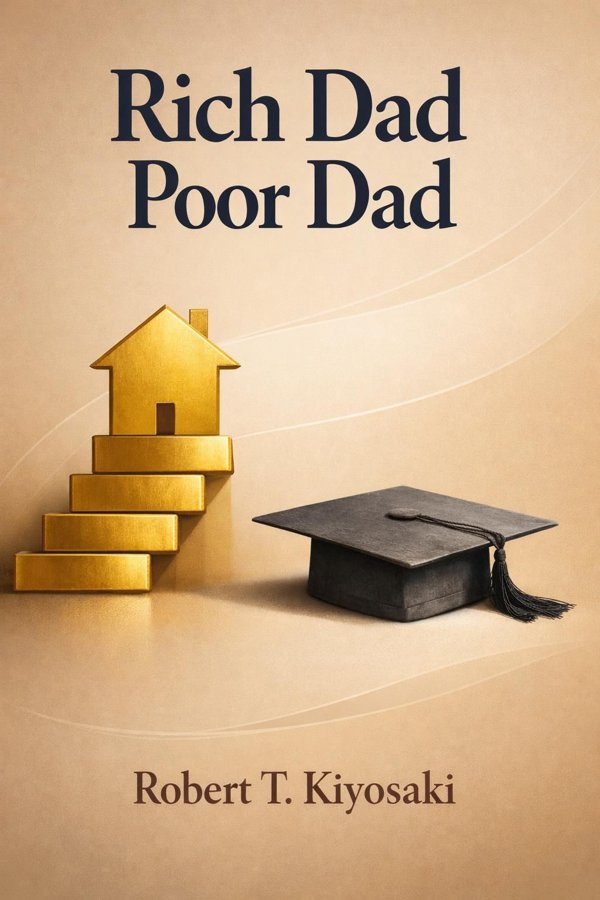
Rich Dad Poor Dad
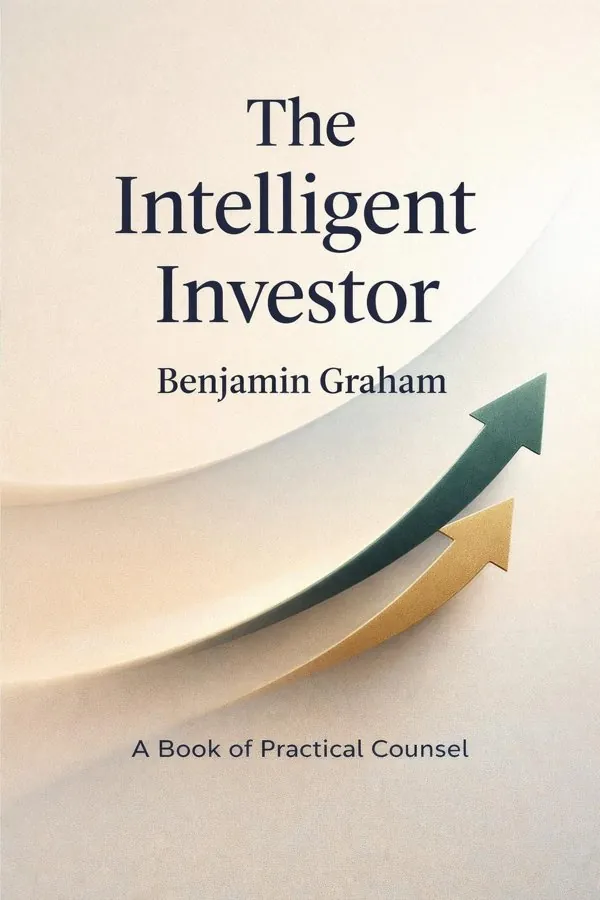
The Intelligent Investor
In-Depth Analysis
Rich Dad Poor Dad and The Intelligent Investor are both landmark finance books, but they operate at different levels of the reader’s financial development. Robert Kiyosaki’s book is primarily about escaping a limiting money mindset; Benjamin Graham’s book is about practicing disciplined investing once that mindset has been reoriented. Put simply, Kiyosaki asks readers to stop thinking like earners only, while Graham teaches them how to think like owners of securities. They overlap in their suspicion of naïve financial behavior, but they differ sharply in method, precision, and intellectual seriousness.
Kiyosaki’s central contribution is conceptual clarity through contrast. The opposition between “poor dad” and “rich dad” is not merely biographical storytelling; it is a dramatic device used to stage two worldviews. Poor Dad represents the conventional formula: get educated, get a secure job, work hard, and trust institutional systems. Rich Dad represents financial self-education, risk tolerance, entrepreneurship, and the pursuit of assets that produce cash flow. This framing is effective because it turns abstract financial habits into identity choices. A reader may forget a technical rule, but not the recurring lesson that “the rich buy assets” while others accumulate liabilities they mistake for assets, such as an expensive home that drains cash through mortgage payments, taxes, and upkeep.
Graham’s contribution is less theatrical but more durable as a formal investing philosophy. His famous definition of investment—requiring thorough analysis, safety of principal, and an adequate return—immediately sets a higher bar than most popular finance writing. It also creates one of the book’s sharpest contrasts with Kiyosaki. Rich Dad Poor Dad encourages readers to think expansively about wealth creation, often through business and real estate. The Intelligent Investor, by contrast, is focused on public market investing and insists on analytical discipline before capital is committed. Graham is not interested in motivation alone; he wants to protect readers from costly errors born from excitement, imitation, and overconfidence.
The books also differ in how they define the main enemy. For Kiyosaki, the enemy is conditioning: the fear-driven dependence on wages, credentials, and conventional career paths. His stories about working for low wages under Rich Dad’s guidance are designed to reveal that labor without learning keeps people trapped. For Graham, the enemy is not employment culture but emotional instability. His allegory of Mr. Market is one of the best explanations ever written of investor psychology: the market exists to serve you with prices, not instruct you with truth. Where Kiyosaki says, in effect, “do not live only to earn,” Graham says, “do not let fluctuating prices control your judgment.”
This difference in enemy leads to a difference in practical use. Rich Dad Poor Dad is strongest before the portfolio stage. It helps readers question whether their income statement and balance sheet reflect genuine wealth-building. The book’s simple distinction between assets and liabilities has had enormous influence precisely because it gives novice readers a test they can apply immediately: does this purchase put money in my pocket or take money out? That is not a complete accounting framework, but it is a powerful heuristic. Someone considering a flashy car purchase or stretching for a larger house can suddenly see the decision in cash-flow terms rather than status terms.
The Intelligent Investor becomes more powerful once a reader asks, “Now that I want to invest intelligently, how should I proceed?” Graham’s answer is substantially more nuanced than Kiyosaki’s. He distinguishes between defensive and enterprising investors, recognizing that not everyone should pursue the same level of activity or complexity. This is one of the book’s most practical strengths. The defensive investor is advised to emphasize sound diversification and protection from major mistakes; the enterprising investor may pursue undervalued securities more actively, but only with discipline and analysis. Kiyosaki often inspires ambition; Graham calibrates it.
Another major difference lies in evidentiary style. Rich Dad Poor Dad persuades by memorable simplification. Its lessons are sticky because they compress financial life into easy categories and compelling stories. But that accessibility comes at a cost. The book is often criticized for being light on verifiable detail, imprecise in places, and occasionally overgeneralized in its treatment of schools, jobs, taxes, and investing. Graham, by contrast, earns trust through careful distinction. His entire framework of margin of safety acknowledges human fallibility: because forecasts can be wrong and conditions can change, the investor should demand a buffer between price and value. That single principle has influenced generations of investors because it combines humility with practical risk management.
Emotionally, the books produce different transformations. Kiyosaki energizes. Many readers come away feeling that they have been given permission to challenge inherited scripts about work and money. Graham steadies. He does not promise dramatic financial liberation; he offers mental discipline, patience, and protection from self-inflicted harm. In a speculative bubble, Kiyosaki may inspire readers to seek assets, but Graham is more likely to stop them from buying overpriced ones.
Ultimately, these books are best seen as complementary but not interchangeable. Rich Dad Poor Dad is a gateway book that changes the questions readers ask. The Intelligent Investor is a masterwork that improves the answers they give. Kiyosaki is better at igniting financial consciousness; Graham is far better at forming an investor’s judgment. If a reader is financially passive, Kiyosaki may be the necessary first shock. If a reader already intends to invest, Graham is the safer and more substantial guide. One teaches why ownership matters; the other teaches how not to be foolish once you become an owner.
Side-by-Side Comparison
| Aspect | Rich Dad Poor Dad | The Intelligent Investor |
|---|---|---|
| Core Philosophy | Rich Dad Poor Dad argues that financial freedom comes from changing how you think about money, especially by acquiring assets that generate cash flow rather than relying on salary alone. Kiyosaki frames wealth-building as a mindset shift away from employee thinking and toward ownership, entrepreneurship, and financial literacy. | The Intelligent Investor argues that durable wealth is built through disciplined investing, careful analysis, and protection against loss. Graham’s philosophy is less about entrepreneurial identity and more about rational decision-making, valuation, and avoiding speculation. |
| Writing Style | Kiyosaki writes in a conversational, motivational, and anecdotal style built around the memorable contrast between his 'rich dad' and 'poor dad.' The tone is provocative and simplified, designed to challenge assumptions rather than supply technical detail. | Graham writes in a formal, analytical, and instructive style, often defining terms carefully and building arguments step by step. Even with devices like 'Mr. Market,' the prose is more sober and textbook-like than inspirational. |
| Practical Application | Rich Dad Poor Dad offers broad practical lessons such as tracking assets versus liabilities, understanding cash flow, and seeking financial education outside school. Its application is strongest at the level of personal mindset and financial habits, though it is less precise about implementation details. | The Intelligent Investor gives more structured practical guidance, including the distinction between defensive and enterprising investors, the role of bonds and stocks, and the importance of a margin of safety. Its advice is directly applicable to portfolio construction and security selection. |
| Target Audience | Kiyosaki is speaking to readers who feel stuck in the paycheck-to-paycheck cycle or who have never been taught how wealth is built. It is especially accessible to beginners who need a conceptual wake-up call more than technical investing instruction. | Graham is aimed at readers who want to become serious investors and are willing to think patiently about valuation, risk, and market behavior. Beginners can benefit, but the book rewards readers prepared for denser material and long-term study. |
| Scientific Rigor | Rich Dad Poor Dad is comparatively low in empirical rigor, relying heavily on personal narrative, simplified definitions, and broad claims about education, employment, and wealth. Its persuasiveness comes more from framing and storytelling than from systematic evidence. | The Intelligent Investor is far more rigorous, grounding its arguments in market history, distinctions between investment and speculation, and careful reasoning about risk. Graham’s method is not scientific in a laboratory sense, but it is analytical, evidence-conscious, and internally disciplined. |
| Emotional Impact | Kiyosaki’s book often creates a strong emotional jolt because it tells readers that the conventional path of school, job, and savings may not lead to freedom. That challenge can feel liberating, unsettling, and highly motivating at the same time. | Graham’s emotional effect is quieter but deeper for investors prone to panic or overconfidence. By teaching readers to distrust crowd emotion through ideas like Mr. Market, the book creates confidence through steadiness rather than excitement. |
| Actionability | The book is actionable in the sense that it pushes readers to review spending, learn basic accounting concepts, and rethink what counts as an asset. However, many readers will need follow-up resources to translate its philosophy into a concrete investment plan. | Graham’s framework is highly actionable for readers building an investing discipline, because it gives operational concepts like adequate return, safety of principal, diversification, and valuation discipline. Its actions are more demanding, but also more precise. |
| Depth of Analysis | Rich Dad Poor Dad is intentionally broad and foundational, offering memorable principles rather than exhaustive analysis. It simplifies complex financial realities in order to make readers rethink assumptions quickly. | The Intelligent Investor offers much greater analytical depth, especially in its treatment of investor temperament, market pricing, and the distinction between sound investment and speculation. Graham’s framework remains layered enough to revisit repeatedly over time. |
| Readability | Kiyosaki is easier to read for most general audiences because the language is straightforward and the ideas are packaged through stories. Readers can finish it quickly and retain its central lessons with little prior financial background. | Graham is readable for a classic investing text, but it still demands concentration and patience. The conceptual density means readers often benefit from reading slowly, taking notes, or consulting modern commentary. |
| Long-term Value | Its long-term value lies in the way it permanently alters how many readers classify income, expenses, assets, and liabilities. Even critics of its simplifications often acknowledge that its mindset shift can be enduring. | Its long-term value is exceptionally high because its principles—margin of safety, emotional discipline, and skepticism toward speculation—remain relevant across market cycles. It is one of the rare finance books that can guide both beginners and experienced investors for decades. |
Key Differences
Mindset Shift vs Investment Method
Rich Dad Poor Dad is primarily concerned with changing how readers think about money, work, and ownership. The Intelligent Investor goes much further into method, explaining how to distinguish investment from speculation and how to apply principles like margin of safety in real decisions.
Story-Driven Teaching vs Analytical Instruction
Kiyosaki teaches through memorable stories, especially the contrast between 'rich dad' and 'poor dad,' which makes the book emotionally accessible. Graham teaches through definitions, classifications, and frameworks such as Mr. Market and the defensive versus enterprising investor distinction.
Entrepreneurial Orientation vs Public Market Orientation
Rich Dad Poor Dad often points readers toward entrepreneurship, real estate, and owning cash-generating assets outside traditional employment. The Intelligent Investor is centered on securities investing, with much more attention to stocks, bonds, price discipline, and investor behavior in markets.
Provocation vs Restraint
Kiyosaki deliberately provokes readers by challenging schools, jobs, and conventional financial advice, often using bold contrasts to shake loose old assumptions. Graham is more restrained and cautious, repeatedly warning readers not to overestimate their knowledge or chase excitement.
Simplified Heuristics vs Nuanced Risk Control
The famous asset-versus-liability distinction in Rich Dad Poor Dad works well as a beginner heuristic, such as questioning whether a large house improves wealth or drains cash. Graham’s margin of safety is more nuanced, because it addresses the uncertainty in valuation itself and builds error tolerance into investment decisions.
Immediate Motivation vs Enduring Discipline
Readers often finish Rich Dad Poor Dad eager to take action, pursue financial education, and rethink their lifestyle choices. Readers finish The Intelligent Investor with fewer adrenaline-fueled impulses but with a stronger discipline for surviving market cycles and avoiding self-destructive behavior.
Broad Accessibility vs Demanding Depth
Rich Dad Poor Dad is accessible to almost anyone and can be read quickly without prior finance knowledge. The Intelligent Investor asks more from the reader, but in return it offers deeper analytical value that can be revisited throughout an investor’s life.
Who Should Read Which?
The financially frustrated employee who wants to escape paycheck dependence
→ Rich Dad Poor Dad
This reader is likely to benefit most from Kiyosaki’s challenge to the conventional work-save-spend cycle. The book reframes wealth as ownership and cash flow, which can be the necessary first step before any serious investing strategy begins.
The cautious long-term saver ready to invest retirement or brokerage money
→ The Intelligent Investor
This reader needs structure, not just motivation. Graham’s emphasis on safety of principal, speculation versus investment, and emotional discipline makes it better suited to someone allocating real capital for long-term results.
The ambitious self-educator who wants both financial freedom and investing discipline
→ The Intelligent Investor
Although this reader may enjoy the entrepreneurial energy of Rich Dad Poor Dad, Graham will offer the stronger long-term foundation. Once ambition is already present, the more valuable next step is learning restraint, valuation awareness, and risk management.
Which Should You Read First?
For most readers, the best order is to read Rich Dad Poor Dad first and The Intelligent Investor second. Kiyosaki’s book works as a primer in financial awareness: it helps you see why earned income alone may not create freedom, why cash-flow-producing assets matter, and why traditional education often leaves people unprepared for real-world money decisions. That shift is valuable because it creates motivation and a new lens for evaluating spending and earning. Once that mindset is in place, The Intelligent Investor becomes far more useful. Graham assumes a reader who is ready to think patiently about risk, analysis, and behavior under uncertainty. If you begin with Graham without already caring about ownership, investing, and long-term wealth, you may admire the book more than absorb it. But if Kiyosaki has already convinced you that financial education matters, Graham provides the discipline that prevents enthusiasm from turning into speculation. Read Kiyosaki to change your questions; read Graham to improve your answers.
Want the full summary?
Get instant access to this book summary and 100K+ more with Fizz Moment.
Get Free SummaryAvailable on App Store • Free to download
Frequently Asked Questions
Is Rich Dad Poor Dad better than The Intelligent Investor for beginners?
For absolute beginners, Rich Dad Poor Dad is usually easier to start with because it explains money in plain language and focuses on foundational ideas like assets, liabilities, and cash flow. It is especially effective for readers who have never questioned the assumption that a stable job automatically leads to wealth. However, if by 'beginners' you mean people ready to begin investing actual savings, The Intelligent Investor is ultimately more reliable. Kiyosaki is better at awakening financial interest; Graham is better at teaching what disciplined investing really requires. So the answer depends on whether the beginner needs motivation first or method first.
What is the main difference between Rich Dad Poor Dad and The Intelligent Investor?
The main difference is that Rich Dad Poor Dad is a mindset and financial-literacy book, while The Intelligent Investor is an investing methodology book. Kiyosaki focuses on how people think about money, work, and ownership, using the contrast between his two father figures to challenge conventional financial beliefs. Graham focuses on how investors should behave in markets, emphasizing analysis, temperament, margin of safety, and the difference between investment and speculation. One tries to change your financial identity; the other tries to discipline your investment decisions.
Should I read Rich Dad Poor Dad or The Intelligent Investor first if I want to build wealth?
If you feel financially stuck, think mostly in terms of salary, or have never seriously studied personal finance, Rich Dad Poor Dad is often the better first read because it will reshape how you think about earning, spending, and owning assets. If you already save money and want to invest it wisely, The Intelligent Investor should come first because it gives more rigorous guidance on risk and valuation. Many readers benefit from reading Kiyosaki first for the mindset shift and then Graham for the discipline. That sequence moves naturally from financial awakening to sound investment practice.
Is The Intelligent Investor too difficult after reading Rich Dad Poor Dad?
It can feel significantly more demanding, but not impossibly so. Rich Dad Poor Dad is fast, story-driven, and conceptually simplified, while The Intelligent Investor asks readers to slow down and think carefully about definitions, investor behavior, and the logic of valuation. The jump in difficulty is real, especially if you are new to markets. That said, reading Kiyosaki first can actually make Graham easier, because it gives you a strong reason to care about investing in the first place. Expect a transition from inspirational finance to disciplined, analytical finance.
Which book is more practical: Rich Dad Poor Dad or The Intelligent Investor?
They are practical in different ways. Rich Dad Poor Dad is practical for changing everyday financial behavior: questioning lifestyle inflation, tracking cash flow, and distinguishing assets from liabilities. Its practicality is conceptual and behavioral. The Intelligent Investor is more practical for actual investing because it addresses how to treat stocks, bonds, market swings, and investor temperament. If you want to improve your financial habits and ambition, Kiyosaki is practical; if you want to deploy capital intelligently and reduce mistakes, Graham is more practical.
Is Rich Dad Poor Dad or The Intelligent Investor better for long-term investing?
For long-term investing specifically, The Intelligent Investor is clearly stronger. Graham’s principles of margin of safety, diversification, emotional discipline, and the refusal to speculate are designed precisely for investors seeking durable results over decades. Rich Dad Poor Dad can support long-term wealth-building by teaching readers to value assets and financial education, but it does not provide the same detailed framework for evaluating investments or navigating market psychology. Kiyosaki may inspire the decision to invest for the long run; Graham offers the more dependable blueprint for doing it intelligently.
The Verdict
If you have to choose only one book for lasting financial wisdom, The Intelligent Investor is the stronger and more intellectually durable choice. Benjamin Graham offers a framework that remains relevant across generations because it addresses the permanent problems of investing: emotional overreaction, inadequate analysis, speculative temptation, and the need for a margin of safety. It does not merely motivate; it trains judgment. That said, Rich Dad Poor Dad should not be dismissed, because its influence comes from solving a different problem. Many readers do not fail financially because they lack valuation theory; they fail because they never learn to think beyond wages, consumption, and conventional career scripts. Kiyosaki’s great strength is that he makes readers question what they have been taught to admire. His distinction between assets and liabilities, while simplified, has been transformative for people who previously equated income with wealth. The best recommendation, then, depends on what kind of help you need right now. If you need a mindset reset, entrepreneurial energy, and a simple framework for rethinking money, start with Rich Dad Poor Dad. If you are ready to manage savings, invest rationally, and avoid expensive mistakes, choose The Intelligent Investor. For most readers, the ideal outcome is not choosing one against the other, but using Kiyosaki as the spark and Graham as the discipline. Inspiration may begin the journey, but analysis protects it.
Related Comparisons
Want to read both books?
Get AI-powered summaries of both Rich Dad Poor Dad and The Intelligent Investor in just 20 minutes total.