
It Ends with Us vs People We Meet on Vacation: Which Should You Read?
A detailed comparison of It Ends with Us by Colleen Hoover and People We Meet on Vacation by Emily Henry. Discover the key differences, strengths, and which book is right for you.
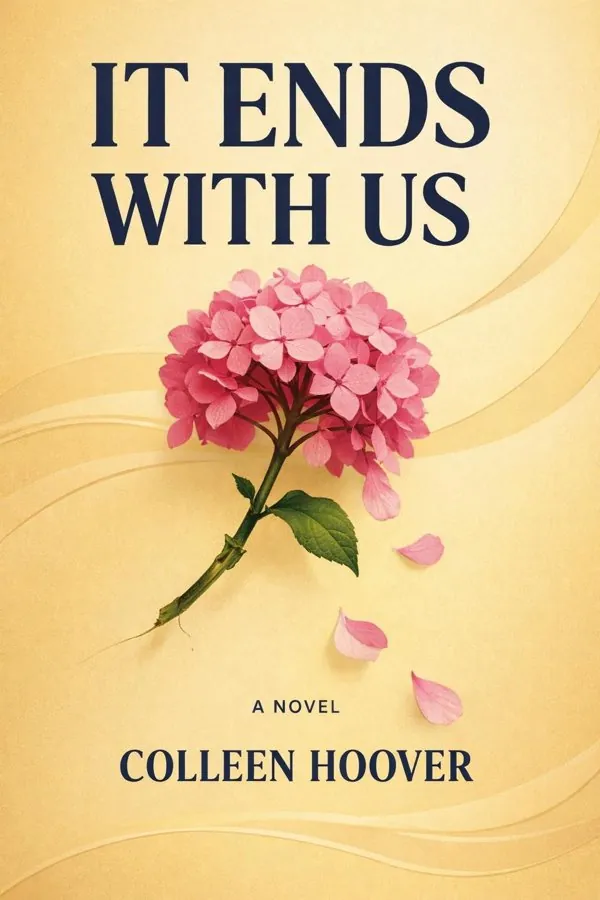
It Ends with Us
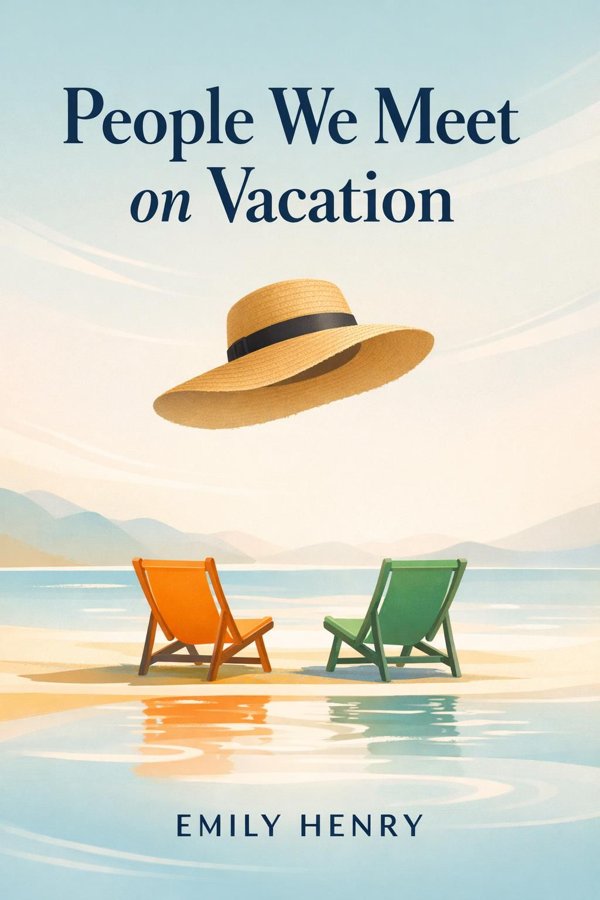
People We Meet on Vacation
In-Depth Analysis
Although both It Ends with Us by Colleen Hoover and People We Meet on Vacation by Emily Henry are shelved as romance, they pursue strikingly different emotional and thematic goals. One uses romance as a vehicle to examine the psychology of abuse, while the other uses romance to explore friendship, timing, and emotional hesitation. Comparing them reveals not merely two love stories but two competing ideas of what contemporary romance can do.
It Ends with Us begins like a conventional story of reinvention. Lily Bloom arrives in Boston, opens a flower shop, and meets Ryle Kincaid, a brilliant neurosurgeon whose charisma and intensity are immediately attractive. Yet Hoover deliberately builds Ryle as someone who is not initially legible as a monster. This is central to the novel’s moral architecture. The book is not asking why a person stays with someone obviously cruel; it is asking how tenderness, admiration, desire, and violence become entangled so gradually that leaving feels like betraying love itself. Lily’s childhood memories of her father’s abuse of her mother form the hidden structure beneath the plot. Because she has witnessed abuse before, she is both more alert to it and more vulnerable to rationalizing it. That contradiction gives the novel its emotional power.
People We Meet on Vacation operates in a completely different key. Poppy Wright and Alex Nilsen meet in college as apparent opposites: she is restless, ironic, and drawn to novelty; he is grounded, routine-loving, and quietly dependable. Their annual vacations become the framework of the novel, with trips to different destinations marking shifts in their bond. The central question is not safety but timing: what happens when two people are emotionally central to each other for years but cannot or will not name what they are? Emily Henry uses the friends-to-lovers trope not as pure wish fulfillment, but as a study in self-protection. Poppy fears stillness and dissatisfaction; Alex fears risk that could destroy the one relationship he cannot bear to lose. Their conflict is built from silence rather than harm.
The largest difference between the novels lies in what romance means inside each one. In Hoover’s book, romance is not inherently redemptive. Attraction can obscure danger. Desire can become the medium through which control enters a relationship. Ryle’s emotional intensity, which in another romance might read as devotion, becomes threatening because Hoover shows how quickly possessiveness and volatility can attach themselves to intimacy. By contrast, Henry treats romance as something already latent within companionship. Alex’s reliability and Poppy’s vitality are not warning signs to be reinterpreted but complementary traits waiting for mutual acknowledgment. Where Hoover interrogates romantic myth, Henry gently fulfills it.
Their secondary structures reinforce these aims. Atlas Corrigan in It Ends with Us is crucial not simply as a love triangle figure, but as Lily’s memory of uncoercive care. Through her journal entries, especially those tied to her younger self, Atlas becomes associated with compassion that asks for nothing, in contrast to Ryle’s love, which repeatedly becomes entangled with damage and remorse. Atlas is not idealized because he is perfect; he matters because he embodies emotional safety. In People We Meet on Vacation, the travel settings perform a similar but lighter structural role. Each vacation serves as an emotional time capsule. The destinations are memorable not because of external drama but because they preserve stages of intimacy, awkwardness, retreat, and longing. Space, in Henry’s novel, archives feeling.
Stylistically, the books also diverge. Hoover’s prose is blunt, confessional, and intensely forward-moving. She wants the reader close to Lily’s moral confusion, often so close that moments of denial feel almost persuasive. The plainness of the style is part of its effect: it strips away ironic distance. Henry, on the other hand, writes with more polish and comic elasticity. Her dialogue sparkles, and her dual timeline structure lets tension accumulate through delayed revelation. She trusts banter, contrast, and recurring emotional motifs. If Hoover’s strategy is immersion through urgency, Henry’s is seduction through charm and slow-burn ache.
In emotional impact, It Ends with Us is clearly the harsher experience. The scenes of violence are less important than the aftermaths: apology, self-questioning, minimization, and the terrible hope that an exception can still be made for someone one loves. Lily’s ultimate decision to leave is the novel’s true romantic climax, though it is not romantic in the conventional sense. It transforms the genre’s usual promise. The great act of love is not choosing a partner but protecting a child and refusing inheritance through repetition. People We Meet on Vacation offers a softer but still substantial emotional payoff. Its ache comes from duration, from years of partial confession and emotional displacement. The pain is recognizable, but it is safer pain: longing, not fear.
For that reason, the books also differ in audience expectation. Readers seeking catharsis through difficult realism may find Hoover’s novel more memorable and more consequential. Readers wanting warmth, chemistry, and emotional growth without traumatic stakes will almost certainly prefer Henry’s. Neither is “better” in the abstract; they are doing different work. Yet in terms of thematic ambition, It Ends with Us reaches farther. It asks readers to examine how narratives of passion can mask violence, and how difficult moral courage can look when it opposes one’s own heart. People We Meet on Vacation is narrower but more tonally balanced, succeeding as a contemporary romance that understands friendship as the deepest form of intimacy.
Ultimately, the comparison shows that genre labels can be misleading. These books share romance as a category, but one destabilizes the genre from within while the other refines one of its most beloved forms. Hoover leaves the reader with questions about survival and self-respect. Henry leaves the reader with the pleasure of recognition: that the person who feels like home may have been beside you all along.
Side-by-Side Comparison
| Aspect | It Ends with Us | People We Meet on Vacation |
|---|---|---|
| Core Philosophy | It Ends with Us argues that love is not sufficient justification for staying in a harmful relationship. Lily’s journey centers on recognizing inherited patterns of abuse and choosing to break them, even when the abuser is someone she deeply loves. | People We Meet on Vacation is built on the idea that emotional compatibility and timing matter as much as chemistry. Poppy and Alex’s story suggests that the right relationship may begin in friendship and require honesty rather than dramatic sacrifice. |
| Writing Style | Colleen Hoover writes in an emotionally immediate, confessional style, often using Lily’s journals and interior reflections to intensify vulnerability. The prose is accessible and direct, designed to foreground emotional escalation and moral conflict over stylistic subtlety. | Emily Henry uses witty, polished, contemporary rom-com prose with strong banter and alternating past-present structure. Her style is lighter on the surface but layered with melancholy, especially in how humor coexists with longing and emotional avoidance. |
| Practical Application | The novel has strong practical relevance for readers interested in recognizing abusive dynamics, including rationalization, apology cycles, and the difficulty of leaving. Lily’s perspective illustrates how personal history can distort one’s threshold for acceptable behavior. | The book offers more interpersonal than survival-oriented insight, particularly about communication, emotional repression, and the consequences of mistimed honesty. Readers may recognize themselves in Poppy and Alex’s tendency to protect a friendship by refusing to define it. |
| Target Audience | This book suits romance readers who want emotionally heavy, issue-driven fiction and are comfortable with domestic violence themes. It especially appeals to readers who value moral complexity over feel-good resolution. | This novel is ideal for readers seeking a friends-to-lovers romance with travel, humor, and emotional warmth. It is better suited to those who enjoy relationship tension without the same level of trauma and danger found in darker contemporary romance. |
| Scientific Rigor | As a novel, it is not research-driven in a formal sense, but it persuasively reflects recognizable abuse patterns such as escalation, self-blame, and generational repetition. Its psychological credibility comes from emotional realism rather than documented evidence. | People We Meet on Vacation has little interest in psychological or sociological rigor beyond believable emotional behavior. Its strength lies in character dynamics, not in presenting analytically grounded frameworks for understanding relationships. |
| Emotional Impact | It Ends with Us is more devastating and morally unsettling, especially as Lily moves from attraction to fear, denial, and ultimately painful clarity. Scenes involving Ryle’s apologies and Lily’s internal bargaining create an intense emotional experience. | People We Meet on Vacation delivers a gentler but still resonant emotional arc rooted in yearning, nostalgia, and missed chances. Its strongest feelings come from accumulated intimacy across years rather than acute crisis. |
| Actionability | Readers may take away concrete emotional lessons about boundaries, warning signs, and the need to judge relationships by repeated behavior rather than isolated tenderness. Lily’s final decision offers a memorable model of choosing safety over romantic idealization. | The book encourages readers to speak clearly, confront emotional avoidance, and pay attention to the relationships that already function like love. Its lessons are actionable in everyday dating and friendship contexts, though less urgent than Hoover’s novel. |
| Depth of Analysis | The novel reaches greater thematic depth through its treatment of memory, family inheritance, and the social misunderstandings surrounding abuse. Atlas functions not merely as a romantic alternative but as a living contrast to coercive love. | Emily Henry’s novel is more focused than expansive, analyzing how adult identity can diverge from public success. Its depth emerges in the contrast between Poppy’s adventurous persona and her emotional dissatisfaction, though it remains narrower in thematic scope. |
| Readability | The book is highly readable due to its fast pacing and emotionally charged chapters, though some readers may find the content distressing. Its accessibility makes difficult material especially immediate. | This is the easier, breezier read, with vacation settings, comic rhythm, and familiar romance beats. Even with emotional tension, it remains more relaxing and conventionally pleasurable to move through. |
| Long-term Value | It Ends with Us tends to linger because of the ethical questions it raises about love, harm, and generational trauma. Readers often remember not just the plot but the uncomfortable self-interrogation it provokes. | People We Meet on Vacation has long-term value as a comfort reread and as a strong exemplar of modern friends-to-lovers romance. It may be less transformative, but it remains memorable for its chemistry, structure, and emotional familiarity. |
Key Differences
Romance as critique vs romance as fulfillment
It Ends with Us uses a romantic setup to question the idea that love can justify suffering. People We Meet on Vacation, by contrast, ultimately rewards emotional honesty and fulfills the fantasy that best friendship can mature into lasting romantic partnership.
High-stakes trauma vs low-stakes longing
Lily’s story involves domestic violence, fear, and the real-life consequences of staying or leaving. Poppy and Alex face emotional stakes, but their conflict centers on silence, timing, and an unresolved falling out rather than physical danger.
Memory of abuse vs memory of friendship
In Hoover’s novel, the past is shaped by Lily’s childhood exposure to her father’s abuse and by her journals about Atlas, which define her understanding of kindness. In Henry’s novel, the past is built through shared vacations that track the deepening of affection over years.
Alternative love interests function differently
Atlas serves as a moral and emotional counterexample to Ryle, showing Lily what nonviolent care looks like. In People We Meet on Vacation, outside relationships mainly emphasize that neither Poppy nor Alex can replicate with others the intimacy they share together.
Tone and reader experience
It Ends with Us becomes increasingly tense and painful, asking the reader to endure difficult scenes and emotional contradictions. People We Meet on Vacation remains breezy and humorous even when dealing with regret, making it the more comforting and escapist experience.
Structure and suspense
Hoover creates suspense through emotional escalation: readers watch warning signs harden into undeniable reality. Henry uses alternating timelines and the mystery of the trip that broke Poppy and Alex, generating curiosity about a relational rupture rather than a threat.
What the ending means
The ending of It Ends with Us is about boundary-setting and breaking generational trauma, not simply choosing a partner. The ending of People We Meet on Vacation is about finally aligning love, friendship, and timing into a mutually confessed relationship.
Who Should Read Which?
The reader who wants a warm, witty, emotionally satisfying romance
→ People We Meet on Vacation
This reader will likely value chemistry, banter, and a relationship built on years of friendship. Emily Henry’s novel offers emotional depth without the distressing subject matter and moral heaviness that define It Ends with Us.
The reader interested in serious relationship themes and morally complex fiction
→ It Ends with Us
This book is better for readers who want a story about abuse, trauma, and the difficulty of breaking inherited patterns. It uses romance conventions to raise harder questions about love, harm, and self-protection.
The reader returning to romance after a long break
→ People We Meet on Vacation
It provides a smoother re-entry because it is readable, contemporary, and emotionally engaging without being overwhelming. Once that reader has reoriented to the genre’s rhythms, It Ends with Us can serve as a more challenging, issue-driven follow-up.
Which Should You Read First?
Read People We Meet on Vacation first if you want to ease into contemporary romance with a book that showcases many of the genre’s pleasures: strong chemistry, humor, emotional tension, and a satisfying payoff. Its friends-to-lovers arc is easy to enter, and the vacation structure keeps the story moving with warmth and variety. Starting there gives you a sense of what modern romantic fiction can feel like when it is built around connection rather than crisis. Read It Ends with Us first only if you are specifically looking for a heavier, conversation-starting novel and are comfortable with emotionally difficult material. It is not the best introduction if you want escapism, because it intentionally unsettles the reader’s expectations about love and attraction. In sequence, Henry then Hoover creates a useful contrast: first romance as comfort, then romance as interrogation. But if your priority is literary intensity and social relevance, reverse the order. Just do not go into Hoover expecting the same emotional safety or genre reassurance that Henry provides.
Want the full summary?
Get instant access to this book summary and 100K+ more with Fizz Moment.
Get Free SummaryAvailable on App Store • Free to download
Frequently Asked Questions
Is It Ends with Us better than People We Meet on Vacation for beginners?
For most romance beginners, People We Meet on Vacation is the easier starting point. Its friends-to-lovers structure, witty dialogue, and vacation settings make it accessible, emotionally engaging, and less overwhelming. It Ends with Us is also highly readable, but its subject matter is much heavier because it centers on domestic abuse, denial, and generational trauma. If a beginner wants to understand contemporary romance conventions with humor and chemistry, Emily Henry is the safer entry. If the reader specifically wants emotionally intense issue-driven fiction and is comfortable with difficult material, Colleen Hoover may feel more powerful, but it is not the gentlest introduction to the genre.
Which is more emotional: It Ends with Us or People We Meet on Vacation?
It Ends with Us is more emotionally intense in a destabilizing, painful sense. Lily’s relationship with Ryle moves through attraction, fear, apology, hope, and self-protective clarity, creating a much sharper emotional swing. People We Meet on Vacation is emotional too, but its feelings come from yearning, nostalgia, and unresolved friendship rather than danger. Poppy and Alex hurt each other mainly through silence and timing, not through harm. So the answer depends on what kind of emotion you mean: for devastation and moral tension, It Ends with Us is stronger; for warmth, longing, and satisfying romantic payoff, People We Meet on Vacation is gentler and more comforting.
Which book has the better romance: It Ends with Us vs People We Meet on Vacation?
If by "better romance" you mean the healthier and more conventionally satisfying central relationship, People We Meet on Vacation is the stronger choice. Poppy and Alex are built on years of trust, humor, and emotional familiarity, and the novel ultimately affirms that bond. It Ends with Us is more complicated because its central relationship with Ryle is intentionally designed to challenge romantic assumptions. In many ways, the book’s deepest statement is that not every intense love story should be preserved. Atlas offers a healthier contrast, but Hoover’s novel is less about celebrating romance than interrogating it. So readers seeking romantic fulfillment usually prefer Emily Henry, while readers seeking emotional complexity often prefer Hoover.
Is People We Meet on Vacation lighter than It Ends with Us?
Yes, significantly. People We Meet on Vacation deals with loneliness, miscommunication, and the fear of changing a beloved friendship, but its tone remains playful, affectionate, and often funny. The travel episodes give it buoyancy, and Emily Henry balances vulnerability with banter. It Ends with Us may begin with familiar romantic momentum, but it quickly becomes a serious exploration of abuse and trauma. Even its tender moments are shadowed by tension once the cycle of violence begins. Readers looking for an emotionally safe or escapist romance will almost certainly find People We Meet on Vacation lighter, while It Ends with Us demands a greater willingness to sit with discomfort.
Which book is more thought-provoking, It Ends with Us or People We Meet on Vacation?
It Ends with Us is more thought-provoking in terms of ethical and psychological questions. It asks readers to confront why abusive relationships can be difficult to leave, how childhood models of love shape adult choices, and whether love can coexist with unacceptable harm. People We Meet on Vacation is thoughtful too, especially about adult dissatisfaction and the difference between the life one performs and the life one actually wants. However, its insights remain within the boundaries of romantic self-discovery. Hoover’s novel prompts broader reflection on trauma, family legacy, and the limits of forgiveness, making it the more intellectually and morally provocative of the two.
Who should read It Ends with Us instead of People We Meet on Vacation?
Readers should choose It Ends with Us over People We Meet on Vacation if they want a romance-adjacent novel with serious stakes and social relevance. It is better for readers interested in stories about trauma, resilience, abusive relationship dynamics, and the courage required to break generational patterns. It may also resonate with those who prefer emotionally raw books that leave lasting moral questions rather than simply delivering comfort. By contrast, readers who want charm, chemistry, and a satisfying slow-burn between fundamentally good people should choose Emily Henry. The decision really comes down to whether you want catharsis through confrontation or pleasure through emotional closeness.
The Verdict
If you are deciding between these books, the choice depends less on quality than on emotional intention. It Ends with Us is the more thematically ambitious and socially resonant novel. It takes the framework of romance and turns it into an examination of abuse, denial, inheritance, and the painful strength required to end a cycle. Lily’s relationship with Ryle is compelling precisely because Hoover refuses to simplify him into a one-note villain, which makes Lily’s decisions more morally and emotionally difficult. This gives the book weight, urgency, and a lasting afterlife in the reader’s mind. People We Meet on Vacation is the more pleasurable traditional reading experience. Emily Henry excels at banter, chemistry, and the slow accumulation of intimacy across time. Poppy and Alex are appealing not because they are trapped in extreme circumstances, but because their emotional hesitation feels familiar and human. The vacations provide a charming structure, and the novel delivers the warm ache and payoff many romance readers seek. Overall, if you want the more important and memorable book, choose It Ends with Us. If you want the better pure romance and the more enjoyable first read, choose People We Meet on Vacation. Hoover’s novel reaches deeper into pain and consequence; Henry’s novel is more balanced, comforting, and re-readable. For literary impact, It Ends with Us wins. For romantic satisfaction, People We Meet on Vacation does.
Related Comparisons

Want to read both books?
Get AI-powered summaries of both It Ends with Us and People We Meet on Vacation in just 20 minutes total.