
November 9 vs The Love Hypothesis: Which Should You Read?
A detailed comparison of November 9 by Colleen Hoover and The Love Hypothesis by Ali Hazelwood. Discover the key differences, strengths, and which book is right for you.

November 9
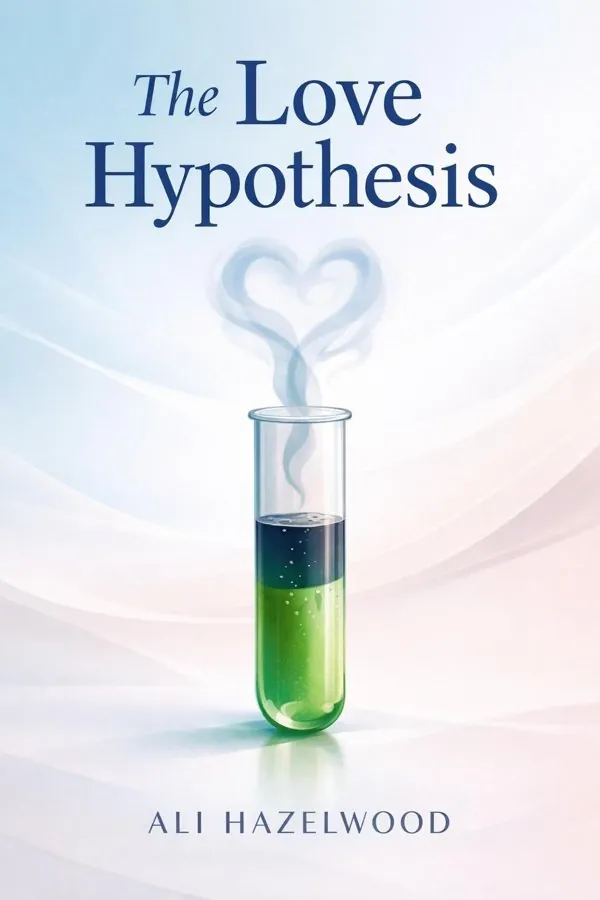
The Love Hypothesis
In-Depth Analysis
Although November 9 by Colleen Hoover and The Love Hypothesis by Ali Hazelwood are both contemporary romances, they operate on strikingly different emotional and structural principles. One is built on annual encounters, accumulating mystery, and high-stakes revelations; the other grows from a fake-dating arrangement in a university science setting, using comedy and slow-burn intimacy to transform skepticism into trust. Comparing them reveals not only two popular romance formulas, but two distinct philosophies of what love stories are supposed to do for a reader.
November 9 is fundamentally a novel about timing, self-invention, and the danger of turning another person into narrative material. Fallon and Ben meet on November 9, and their agreement to see each other only on that date each year immediately gives the novel an architecture of delay. That structure matters because it makes absence an active ingredient in the romance. Each meeting becomes charged by what has changed off the page: Fallon’s attempts to rebuild self-worth after her life-altering fire and visible scars, and Ben’s hidden grief and guilt. Hoover uses the gaps between meetings to create longing and uncertainty; the reader experiences the romance not as a continuous relationship but as a series of emotional snapshots. This gives the novel a mythic, fate-driven quality, but it also means that revelation carries enormous force. When hidden truths surface, the reader must reconsider the entire emotional history of the couple.
The Love Hypothesis, by contrast, begins not with fate but with improvisation. Olive impulsively kisses Adam to convince her friend that she has moved on, and the fake relationship grows from a practical lie rather than a cosmic connection. Hazelwood’s premise is openly trope-driven, but the novel gains freshness from its setting among graduate students, labs, conferences, and faculty politics. Olive is a biologist trained to observe evidence, yet she consistently misreads emotional evidence in her own life. Adam, initially feared as an unapproachable professor, gradually becomes legible through actions rather than declarations: showing up, protecting Olive professionally, and respecting her boundaries. Where Hoover relies on revelation to destabilize the romance, Hazelwood relies on reinterpretation. The reader sees Adam one way at first, then slowly learns that Olive’s assumptions have obscured a more generous reality.
The tonal difference is crucial. November 9 is driven by ache. Fallon’s body image, her strained relationship with her father, and Ben’s emotional burden create a world in which love is inseparable from damage. Hoover’s prose is direct and emotionally emphatic, designed to produce rapid immersion and strong reaction. The novel is not subtle about wanting to wound before it heals. Even the concept of Ben as a writer becomes ethically loaded, because storytelling in this novel is both intimate and dangerous. The book asks whether being seen by another person is redemptive or exploitative, especially when one person controls the narrative.
The Love Hypothesis is gentler in its affect, even when it addresses serious issues such as academic precarity, harassment, and the vulnerability of women in male-dominated institutions. Hazelwood’s greatest strength is tonal balancing. Olive’s anxiety and insecurity are real, but they are cushioned by humor, awkwardness, and the absurdity of maintaining a public fake relationship. This makes the book feel more emotionally accessible to readers who enjoy romance as comfort. While November 9 tends to escalate toward rupture, The Love Hypothesis tends to accumulate reassurance. Adam’s appeal lies not in mystery but in consistency; once the novel allows the reader to see him clearly, he becomes a figure of reliability.
Their heroines also illuminate the books’ differences. Fallon’s struggle is deeply tied to visibility: how scars alter not only how others see her, but how she imagines her future. Her romantic arc is entwined with questions of desirability, self-worth, and whether she can reclaim authorship over her own life. Olive’s struggle is less about bodily visibility than intellectual and emotional credibility. She doubts relationships, second-guesses her desirability, and navigates a space where competence does not protect her from vulnerability. Fallon’s wounds are narratively foregrounded and symbolically central; Olive’s are more situational and psychological.
In terms of romance mechanics, November 9 is the riskier book. Its annual-meeting premise is inherently artificial, but Hoover leverages that artificiality into emotional intensity. The relationship feels heightened because it is rationed. The Love Hypothesis is also built on an implausible premise, yet it seeks realism through social detail: research schedules, conference travel, grad-student finances, and departmental reputation. Readers may find Hazelwood’s world more livable, Hoover’s more operatic.
The male leads embody another major contrast. Ben’s charm is inseparable from secrecy. He is magnetic because he is narratively charged; the reader senses that something crucial remains hidden. Adam, however, is compelling because of his transparency once Olive learns to read him correctly. He is less a mystery box than a misjudged constant. That makes Ben a more volatile romantic figure and Adam a safer, steadier one.
Ultimately, the better book depends on what a reader wants from romance. November 9 offers intensity, moral complication, and a metafictional twist on the idea that lovers shape each other through stories. It is a book for readers who want catharsis and do not mind melodrama as the price of emotional force. The Love Hypothesis offers wit, chemistry, and a satisfying blend of trope pleasure and emotional sincerity. It is a book for readers who want to feel entertained, seen, and reassured. Both are effective within their chosen mode, but they leave radically different aftertastes: November 9 lingers like a bruise, while The Love Hypothesis lingers like a smile.
Side-by-Side Comparison
| Aspect | November 9 | The Love Hypothesis |
|---|---|---|
| Core Philosophy | November 9 treats love as a force shaped by timing, memory, and emotional damage. Its central belief is that people can meet at the wrong moment and still remain bound by a story that keeps rewriting them. | The Love Hypothesis frames love as something that can emerge from deliberate performance, trust, and gradual evidence. It begins with skepticism and a fake-dating premise, then argues that emotional truth can grow out of controlled circumstances. |
| Writing Style | Colleen Hoover writes in a confessional, high-intensity emotional register, using dramatic reveals and cliffhanger-like turns to keep the reader off balance. The prose is accessible and direct, with a strong emphasis on internal wounds and romantic longing. | Ali Hazelwood uses witty, bantering prose with a romantic-comedy rhythm and a stronger emphasis on situational humor. The voice is lighter, more playful, and shaped by Olive’s analytical perspective and academic setting. |
| Practical Application | November 9 offers readers emotional reflection rather than actionable lessons, especially around trauma, self-image, and the stories people tell about themselves. Its value is more cathartic than instructional. | The Love Hypothesis provides more immediately recognizable relationship lessons about communication, boundaries, professional respect, and vulnerability. Readers may find its depiction of negotiated fake dating oddly useful as a model for discussing expectations. |
| Target Audience | This novel is best suited to readers who enjoy emotionally turbulent romance, twist-driven plotting, and themes of healing after visible and invisible scars. It will especially appeal to fans of angsty new-adult and crossover contemporary romance. | This book fits readers who enjoy rom-coms, academia settings, STEM heroines, and slow-burn attraction. It is especially appealing to readers who want warmth and comedy alongside emotional payoff. |
| Scientific Rigor | Scientific rigor is largely irrelevant to November 9, which operates through emotional symbolism and the annual structure of its premise. Its credibility depends on psychological intensity rather than realistic systems or professions. | The Love Hypothesis is not a hard-science novel, but it integrates lab culture, conference politics, grant pressure, and academic hierarchy in ways that feel textured and recognizable. The science functions as setting and metaphor more than technical argument. |
| Emotional Impact | November 9 aims for devastation, tenderness, and shock, especially through its handling of Fallon’s scars, Ben’s secrets, and the annual meetings that accumulate emotional weight. It is the more emotionally bruising of the two books. | The Love Hypothesis aims for charm, yearning, and reassurance, though it still reaches genuine vulnerability through Olive’s insecurities and Adam’s steadfast care. Its impact is softer and more comforting than shattering. |
| Actionability | The novel is less actionable because its structure depends on extraordinary coincidence and withheld truths. Readers are more likely to extract emotional themes than behavioral guidance. | The book is more actionable in the sense that it models explicit agreements, honest clarification, and the slow revision of assumptions. Even its fake-dating setup becomes a framework for discussing consent and emotional boundaries. |
| Depth of Analysis | November 9 invites analysis around metafiction, guilt, bodily identity, and whether love can survive betrayal rooted in authorship itself. Its twists create rich moral ambiguity, even when they also court melodrama. | The Love Hypothesis offers strong thematic material on women in STEM, imposter syndrome, and the collision between intellect and emotional fear. Its analysis is less structurally daring but more socially grounded in everyday institutional pressures. |
| Readability | The book is fast and compulsive, propelled by a one-day-per-year structure that creates natural momentum and suspense. Its readability comes from emotional urgency and Hoover’s talent for page-turning revelation. | The Love Hypothesis is highly readable because of its humor, familiar tropes, and generous pacing of romantic tension. The academic details rarely slow the story and often enrich its charm. |
| Long-term Value | November 9 tends to linger because of its moral complications, dramatic revelations, and the way it ties storytelling to personal harm and healing. Readers may revisit it less for comfort than for the intensity of its emotional architecture. | The Love Hypothesis has strong reread value as a comfort romance, especially for readers who love fake dating, competent heroines, and supportive male leads. Its long-term appeal lies in mood, chemistry, and escapist satisfaction. |
Key Differences
Romantic Engine: Fate vs Arrangement
November 9 is powered by the idea of a destined connection revisited on the same date each year, making timing itself feel romantic and ominous. The Love Hypothesis begins with a practical fake-dating arrangement, so the romance develops from chosen performance rather than mystical inevitability.
Tone: Angst vs Warmth
Hoover’s novel leans into emotional pain, self-doubt, and shocking revelation, especially through Fallon’s scars and Ben’s secretive past. Hazelwood’s book uses comedy, awkwardness, and playful banter to make vulnerability feel lighter and more inviting.
Narrative Structure
November 9 uses annual check-ins, which creates narrative gaps full of suspense and forces character development to register in concentrated bursts. The Love Hypothesis unfolds more continuously, letting chemistry and trust build scene by scene through shared routines and escalating intimacy.
Male Lead Appeal
Ben is designed as a charismatic but unstable romantic center whose hidden truths complicate the reader’s trust in him. Adam’s appeal comes from competence, restraint, and dependable care, making him less volatile and more reassuring.
Setting Function
In November 9, setting is secondary to emotional architecture; cities and locations matter less than the ritual of the date itself. In The Love Hypothesis, the university and lab environment actively shape the plot through power dynamics, professional stakes, and social perception.
Thematic Focus
November 9 emphasizes bodily identity, trauma, narrative control, and whether love can survive ethically troubling truths. The Love Hypothesis focuses more on emotional self-protection, women in STEM, professional vulnerability, and the gap between observed behavior and assumed intention.
Reread Experience
A reread of November 9 often highlights foreshadowing, moral ambiguity, and the emotional mechanics of the twist. A reread of The Love Hypothesis tends to emphasize comfort, chemistry, and the pleasure of seeing Adam’s devotion long before Olive fully recognizes it.
Who Should Read Which?
Reader who loves witty banter, fake dating, and emotionally safe slow burns
→ The Love Hypothesis
This reader will likely prefer Olive and Adam’s chemistry, the academic rom-com setup, and the steady movement from pretense to sincerity. The novel offers vulnerability without overwhelming darkness, making it ideal for readers who want pleasure, humor, and warmth.
Reader who wants angst, twists, and emotionally bruising romance
→ November 9
Fallon and Ben’s relationship is shaped by trauma, timing, and a revelation that changes the meaning of the whole story. Readers who enjoy high emotional stakes and morally complicated romantic tension will find Hoover’s novel more gripping.
Reader interested in strong thematic discussion for a book club
→ November 9
While both novels are discussable, November 9 offers more argumentative material around authorship, bodily self-perception, forgiveness, and the ethics of transforming pain into story. It is more likely to generate divided reactions and deeper debate.
Which Should You Read First?
Read The Love Hypothesis first if you want the smoother entry point. Its fake-dating premise is familiar, the humor is immediate, and the romance unfolds in a way that helps you settle into the characters without emotional whiplash. Starting there also lets you enjoy a satisfying, low-stress contemporary romance before moving to something heavier. Then read November 9 as the more intense second experience. Its once-a-year structure, stronger angst, and morally destabilizing revelations will hit harder once you have just finished a romance that is comparatively safe and comforting. In that order, the contrast becomes productive: Hazelwood shows how love can grow through consistency and communication, while Hoover tests how love survives secrecy, guilt, and the pressure of narrative meaning. If, however, you already know you prefer emotionally devastating romances and do not care much for rom-com charm, reversing the order can work. But for most readers, The Love Hypothesis first and November 9 second creates the better emotional progression from light vulnerability to full-scale romantic turbulence.
Want the full summary?
Get instant access to this book summary and 100K+ more with Fizz Moment.
Get Free SummaryAvailable on App Store • Free to download
Frequently Asked Questions
Is November 9 better than The Love Hypothesis for beginners?
For most romance beginners, The Love Hypothesis is the easier starting point. Its fake-dating setup is immediately clear, its humor lowers the emotional barrier to entry, and the academic setting gives the plot a grounded rhythm. November 9 is also very readable, but it is much more dependent on high emotional stakes, painful backstory, and a major reveal that reshapes the romance. If a beginner wants a comforting, funny, trope-friendly romance, Hazelwood is usually the better first choice. If they want a more dramatic, twist-heavy emotional experience and do not mind angst, Hoover may be more memorable.
Which book has more emotional depth: November 9 or The Love Hypothesis?
November 9 generally reaches greater emotional extremity and arguably greater emotional depth, though the answer depends on how one defines depth. Hoover explores trauma, bodily self-consciousness, parental disappointment, guilt, and the ethics of storytelling through Fallon and Ben’s annual meetings. The Love Hypothesis handles vulnerability, insecurity, and professional stress with sensitivity, but its tone remains warmer and more stabilizing. Hazelwood’s depth comes through accumulated trust and emotional misreading rather than devastating rupture. Readers seeking a romance that hurts before it heals will likely find November 9 deeper; readers who value nuanced comfort may prefer The Love Hypothesis.
Is The Love Hypothesis or November 9 more realistic?
The Love Hypothesis feels more realistic in day-to-day texture, even though its fake-dating premise is overtly rom-com in design. Olive’s lab work, conference travel, dependence on funding, and anxiety about academic standing create a recognizable professional world. November 9 is emotionally persuasive for many readers, but its once-a-year meeting structure and dramatic revelations push it into a more heightened register. Hoover is less interested in logistical realism than in emotional architecture. So if realism means believable routines and institutional pressures, The Love Hypothesis wins; if realism means intense internal pain and complicated healing, some readers may still find November 9 true.
Which romance is more character-driven: November 9 vs The Love Hypothesis?
Both are character-driven, but in different ways. November 9 is driven by hidden history: the reader’s understanding of Ben and Fallon changes as new information surfaces, so character is revealed through secrecy, memory, and reinterpretation. The Love Hypothesis is driven more by perception and gradual clarification. Olive’s assumptions about Adam, love, and her own desirability shape the plot, and the romance deepens as she learns to trust what his behavior has been showing all along. If you enjoy dramatic character revelations, choose November 9. If you prefer watching two people slowly become emotionally legible to one another, choose The Love Hypothesis.
What should I read after The Love Hypothesis if I want something more intense like November 9?
If The Love Hypothesis worked for you but you want a more emotionally volatile follow-up, November 9 is a logical next read because it intensifies many familiar romance pleasures: longing, chemistry, vulnerability, and delayed emotional payoff. The key difference is that Hoover raises the stakes through trauma and a morally disruptive secret, rather than through comedic misunderstandings and academic complications. Expect less banter and more ache. You may especially appreciate November 9 if what you loved in Hazelwood was not just the romance, but the idea that love can transform how a character understands herself over time.
Is November 9 or The Love Hypothesis better for readers who like strong themes?
November 9 is stronger if you want themes foregrounded in a dramatic, almost symbolic way. Fallon’s scars, the annual date structure, and Ben’s relationship to storytelling all reinforce the novel’s concern with identity, fate, and authorship. The Love Hypothesis also has clear themes, especially around women in STEM, imposter syndrome, and emotional skepticism, but they are woven into a lighter, more entertainment-forward romance. In other words, Hoover’s themes demand attention; Hazelwood’s themes support the story’s charm. Readers who enjoy discussing symbolism and ethical ambiguity will likely find more to unpack in November 9.
The Verdict
If you want the more intense, emotionally risky novel, choose November 9. Colleen Hoover’s book is built to unsettle: its annual meeting structure creates longing, its heroine’s journey through visible scarring and self-worth carries real weight, and its major revelations force the reader to rethink the romance in ethical as well as emotional terms. It is the stronger pick for readers who value catharsis, dramatic turns, and love stories that flirt with damage before they reach healing. If you want the more satisfying all-around comfort read, choose The Love Hypothesis. Ali Hazelwood delivers a sharper balance of humor, chemistry, and vulnerability, with an academic setting that gives the romance texture without overwhelming it. Olive and Adam’s fake-dating arc is more conventionally pleasurable than Fallon and Ben’s once-a-year connection, and Adam’s reliability will appeal to readers who want emotional safety alongside attraction. As a craft comparison, November 9 is bolder in structure and more morally complicated; The Love Hypothesis is smoother in execution and more consistent in tone. Neither book simply does what the other does better—they are aiming at different reader desires. For angst, twists, and lingering emotional bruises, pick November 9. For banter, slow-burn reassurance, and rereadable rom-com charm, pick The Love Hypothesis. If forced to recommend just one to the widest audience, The Love Hypothesis is the safer and more universally appealing choice.
Related Comparisons


Want to read both books?
Get AI-powered summaries of both November 9 and The Love Hypothesis in just 20 minutes total.