
Good Energy vs How Not to Die: Which Should You Read?
A detailed comparison of Good Energy by Casey Means and How Not to Die by Michael Greger. Discover the key differences, strengths, and which book is right for you.
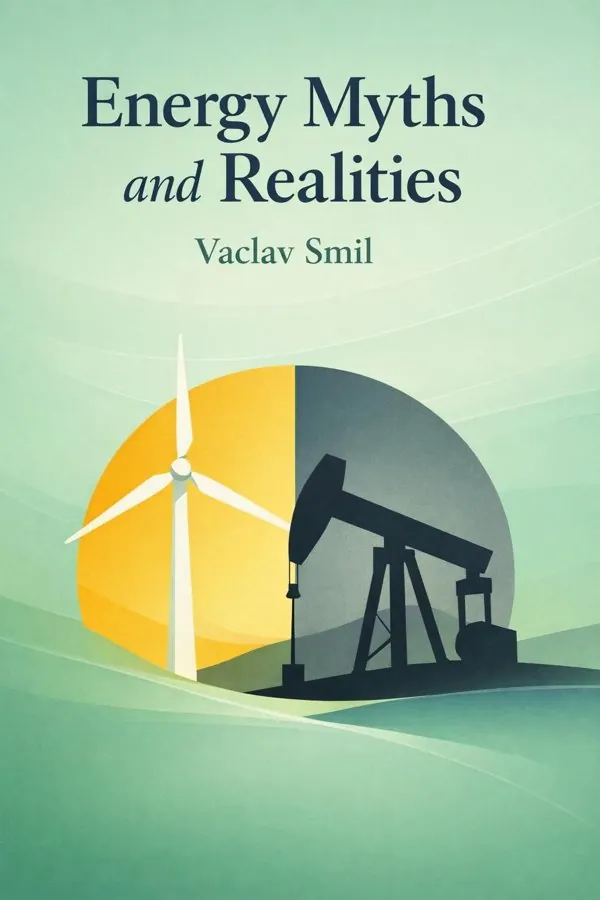
Good Energy
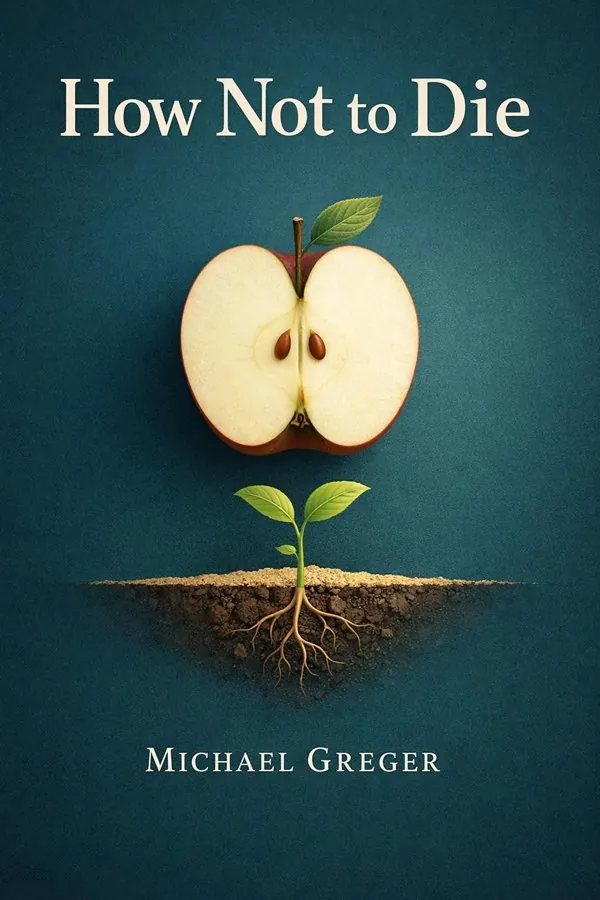
How Not to Die
In-Depth Analysis
Although these books are listed in the same broad health category, Good Energy and How Not to Die operate on strikingly different levels of analysis and ask readers to care about different forms of survival. Good Energy is fundamentally about civilization-scale metabolism: how societies power themselves, why energy transitions are slow, and why optimistic narratives often ignore physical and infrastructural constraints. How Not to Die is about biological metabolism at the personal level: how daily food choices influence disease risk and how nutrition can function as prevention rather than after-the-fact treatment. Read together, they form an intriguing contrast between systems thinking and self-care, between the mechanics of modern life and the physiology of individual longevity.
The first major difference is the scale of causation each book emphasizes. Good Energy begins by clarifying terms like energy, power, and efficiency, which is not merely definitional housekeeping but a signal of method. It wants readers to think with precision because public discourse often collapses crucial distinctions. If people confuse total energy demand with power generation capacity, or efficiency gains with complete replacement of underlying systems, they misunderstand the challenge. That focus continues in the book’s historical treatment of energy transitions. The shift from one dominant energy regime to another is presented not as a simple technology swap but as a replacement of infrastructures, machines, supply chains, habits, and institutions. In contrast, How Not to Die narrows causation to a more intimate domain. It asks what happens when food choices alter inflammation, vascular health, metabolic function, and cancer risk. Where Good Energy says, in effect, “civilizations do not turn quickly,” Greger says, “your plate matters every day.”
Their use of evidence also reveals different intellectual temperaments. Good Energy appears to rely on engineering realism and historical precedent. Its argument about the myth of rapid transformation depends on observing that societies remain locked into dense, reliable energy systems not merely out of bad faith but because coal, oil, and natural gas are embedded in transport, heating, industry, and electricity generation. The key example here is the persistence of fossil fuels: the book does not treat this as an ideological embarrassment to be waved away but as a fact requiring explanation. Renewables may be improving, but the system-level challenge includes intermittency, land use, storage, transmission, and industrial integration. How Not to Die, by contrast, derives authority from medical and nutritional research. Its disease-by-disease structure lets Greger build arguments through examples such as heart disease, digestive cancers, lung diseases, and brain health. Rather than asking whether a nation can replace baseload systems at scale, it asks what dietary patterns reduce arterial damage, support blood flow, or lower long-term cancer risk.
This difference in evidence creates different reading experiences. Good Energy is corrective. It likely frustrates readers who want a triumphant narrative of imminent clean-energy victory because it keeps bringing them back to friction, delay, and trade-offs. That gives the book intellectual seriousness. It resists the comfort of easy consensus and demands that readers accept inconvenient constraints. In this sense, it resembles a systems audit. How Not to Die is more mobilizing. It also challenges mainstream assumptions, especially the idea that chronic disease is just bad luck or inevitable aging, but its challenge comes with a stronger sense of personal agency. A reader can finish a chapter on heart disease and immediately rethink breakfast, lunch, and dinner. The emotional current is therefore different: Good Energy sobers, How Not to Die energizes.
Another key comparison lies in what each book means by practicality. Good Energy is practical for citizens, voters, policy readers, and intellectually serious non-specialists. Its practicality is cognitive. After reading it, one is better equipped to interrogate claims about renewable rollout, to ask whether infrastructure timelines match political promises, and to see why replacing a fuel source often means rebuilding an entire enabling system. For example, a reader exposed to the book’s discussion of renewable realities would likely be less impressed by raw installation numbers alone and more attentive to grid integration or storage needs. How Not to Die is practical in the behavioral sense. Its value appears in supermarkets, kitchens, and medical conversations. Greger’s chapter structure turns major causes of death into points of intervention, making food choice a daily form of risk management.
Their limitations also mirror their strengths. Good Energy may leave some readers wanting clearer prescriptions; realism can feel like restraint or even pessimism if not paired with a roadmap. Because it emphasizes complexity, some readers may struggle to convert its insights into specific policy preferences. How Not to Die may face the opposite challenge: because nutrition advice is directly actionable, it can sometimes seem to imply that enough can be solved at the level of individual behavior, even when health outcomes also depend on broader social and environmental conditions. In other words, Greger gives agency generously, while Good Energy distributes responsibility across large systems.
For beginners, How Not to Die is probably the more immediately accessible book because its stakes are personal and its recommendations are easier to apply. But for readers who want to understand why public discussions of energy so often feel detached from physical reality, Good Energy offers a more structurally transformative education. It teaches a discipline of thought: define terms carefully, study history, respect scale, and distrust frictionless narratives. Greger teaches a different discipline: treat nutrition as preventive medicine, connect disease risk to routine choices, and use evidence to reclaim control over health.
Ultimately, the two books are not rivals so much as complements with radically different centers of gravity. Good Energy asks how societies endure. How Not to Die asks how individuals do. One is about the operating logic of civilization; the other is about the operating logic of the body. If you want a book that sharpens public reasoning about technological transition, choose Good Energy. If you want one that could reshape tomorrow’s meals and perhaps your long-term health trajectory, choose How Not to Die. The more interesting conclusion, however, is that both books push against passive thinking. Each insists that what sustains life—whether electricity grids or human organs—depends on understanding underlying systems rather than trusting comforting myths.
Side-by-Side Comparison
| Aspect | Good Energy | How Not to Die |
|---|---|---|
| Core Philosophy | Good Energy frames energy questions as systems problems shaped by physics, infrastructure, timelines, and trade-offs. Its core philosophy is that serious thinking about energy must move beyond slogans and confront scale, density, reliability, and the persistence of incumbent systems. | How Not to Die argues that many leading causes of premature death are strongly influenced by everyday dietary choices. Its philosophy is preventive and optimistic: food is not merely fuel but a powerful clinical tool for reducing disease risk. |
| Writing Style | Good Energy appears analytical, explanatory, and corrective in tone, aiming to puncture overconfident narratives about rapid clean-energy transition. It likely relies on conceptual clarification and historical framing more than motivational rhetoric. | How Not to Die uses a more direct, persuasive, and reader-facing style, translating medical research into practical guidance. Greger tends to move from epidemiological findings to concrete recommendations, making the prose feel urgent and actionable. |
| Practical Application | The practical value of Good Energy lies in improving how readers evaluate claims about renewables, fossil fuels, and transition timelines. It equips readers to think more critically about policy, infrastructure, and public debate rather than giving a personal checklist. | How Not to Die is practical at the level of daily behavior: what to eat, what patterns increase risk, and how nutrition can help prevent disease. Its applications are immediate, especially for readers wanting to change meals, shopping habits, or long-term health routines. |
| Target Audience | Good Energy is best suited to readers interested in energy policy, climate debate, systems thinking, and technological realism. It will especially appeal to people frustrated by simplistic narratives from either pro-fossil or techno-utopian camps. | How Not to Die targets health-conscious general readers, patients seeking prevention strategies, and anyone interested in evidence-based nutrition. It is particularly accessible to readers who want health advice tied to specific diseases like heart disease or digestive cancers. |
| Scientific Rigor | Good Energy’s rigor comes from its emphasis on engineering constraints, historical transition patterns, and the material realities of energy systems. It is less about laboratory-style evidence and more about disciplined reasoning across infrastructure, economics, and physical limits. | How Not to Die foregrounds medical and nutrition research, using disease-by-disease discussions to support its claims. Its rigor depends on how convincingly Greger synthesizes studies into dietary conclusions and how well readers accept nutrition evidence as a basis for prevention. |
| Emotional Impact | Good Energy creates tension by challenging comforting assumptions, especially the idea that a swift and painless energy transformation is already underway. Its emotional effect is often sobering rather than inspiring, pushing readers toward humility about complex systems. | How Not to Die can feel empowering because it gives readers agency over serious health risks. At the same time, its discussion of the leading causes of death adds urgency and can be unsettling in a highly personal way. |
| Actionability | Good Energy is actionable mainly at the level of judgment: it helps readers ask better questions about intermittency, energy density, infrastructure replacement, and fossil-fuel persistence. Its recommendations are indirect, shaping civic and intellectual decisions more than personal habits. | How Not to Die is highly actionable because it links research to food choices readers can implement immediately. The book naturally lends itself to habit change, meal planning, and disease-prevention routines. |
| Depth of Analysis | Good Energy appears deep in its treatment of transition history and systems replacement, showing that changing an energy source means rebuilding supply chains, grids, transport, and industrial dependence. Its depth comes from connecting technological optimism to physical and institutional realities. | How Not to Die is deep in a different way, organizing its analysis around major disease categories and tracing how nutrition affects them through inflammation, blood flow, metabolic health, and direct digestive exposure. Its depth is more biomedical and problem-specific. |
| Readability | Good Energy may be highly readable for intellectually curious readers, but its concepts can be demanding because it asks readers to track distinctions like energy versus power and to think historically about infrastructure. It is more cerebral than immediately conversational. | How Not to Die is generally easier for mainstream readers because it connects evidence to familiar fears and everyday decisions. The disease-by-disease structure gives it a clear entry point even for readers without scientific training. |
| Long-term Value | Good Energy offers long-term value as a framework book: even as technologies evolve, its lessons about scale, trade-offs, and transition inertia remain useful. Readers can return to it whenever energy debates become overly simplistic or politically theatrical. | How Not to Die has lasting value because the relationship between diet and chronic disease remains a lifelong concern. Readers may revisit it as a preventive-health reference, especially when reassessing eating habits or specific disease risks. |
Key Differences
Scale of Analysis
Good Energy works at the level of societies and infrastructures, asking how entire energy systems change over time. How Not to Die works at the level of the individual body, asking how daily nutrition affects organs, disease risk, and longevity.
Type of Urgency
The urgency in Good Energy comes from public misunderstanding and the dangers of unrealistic transition narratives. In How Not to Die, urgency is intimate and medical: the stakes are heart disease, cancer, brain decline, and other leading causes of death.
Nature of Practical Advice
Good Energy offers conceptual tools such as distinguishing energy from power and recognizing that replacing fuels means replacing systems. How Not to Die offers direct lifestyle guidance, encouraging readers to change what they eat in response to evidence on specific diseases.
View of Constraints
Good Energy is centered on hard constraints like energy density, intermittency, infrastructure timelines, and fossil-fuel persistence. How Not to Die focuses more on modifiable risk factors, arguing that many chronic conditions are not fixed destinies but are strongly shaped by diet.
Emotional Tone
Good Energy is sobering because it strips away comforting assumptions about smooth, rapid transformation. How Not to Die is more empowering, giving readers a sense that everyday choices can materially improve long-term outcomes.
Evidence Structure
Good Energy builds its case through historical transitions and systemic reasoning about renewables and fossil fuels. How Not to Die builds its case by moving through diseases such as heart disease and digestive cancers and linking them to nutritional research.
Best Use Case
Read Good Energy when you want to think more clearly about public policy, energy debates, or technological realism. Read How Not to Die when you want to redesign habits, understand preventive nutrition, or connect food choices to specific health outcomes.
Who Should Read Which?
The health-motivated self-improver
→ How Not to Die
This reader wants changes that can be implemented now, ideally through diet and routine. Greger’s focus on heart disease, brain health, and digestive cancers makes the connection between evidence and action unusually direct.
The policy-minded realist
→ Good Energy
This reader is less interested in wellness tips than in understanding why energy debates are often simplistic. Good Energy’s attention to scale, infrastructure, transition history, and fossil-fuel persistence will be far more satisfying.
The systems thinker who likes interdisciplinary reading
→ Good Energy
Although both books use systems logic, Good Energy is the stronger fit for readers who enjoy tracing how technology, history, institutions, and physical constraints interact. It rewards readers who like nuanced trade-offs more than straightforward prescriptions.
Which Should You Read First?
If you are deciding which book to read first, the best order depends on whether you want immediate action or conceptual reorientation. For most readers, start with How Not to Die. It is easier to enter because the stakes are personal, the chapter structure is intuitive, and the practical implications are immediate. Reading about heart disease, brain health, or digestive cancers naturally prompts reflection on your own habits, so the payoff comes quickly. Read Good Energy second if you want a broader intellectual shift. Its arguments about energy versus power, historical transition patterns, renewable limitations, and fossil-fuel persistence require slower, more analytical attention. It is less about changing tomorrow’s behavior than about retraining how you interpret public claims and policy debates. That said, if you are already immersed in climate, infrastructure, or energy policy discussions, reverse the order. Good Energy will give you a stronger framework for evaluating big-picture narratives, and How Not to Die can then serve as a more personal, habit-centered complement. In short: start with Greger for immediate utility, with Means for systems-level clarity.
Want the full summary?
Get instant access to this book summary and 100K+ more with Fizz Moment.
Get Free SummaryAvailable on App Store • Free to download
Frequently Asked Questions
Is Good Energy better than How Not to Die for beginners?
For most beginners, How Not to Die is the easier entry point. Its structure is intuitive, moving through major causes of death such as heart disease and digestive cancers, then linking those conditions to diet in concrete ways. Good Energy is beginner-friendly in intention, especially when it clarifies terms like energy, power, and efficiency, but its subject is more abstract because it deals with infrastructure, historical transitions, and system-level trade-offs. If you are new to both topics and want immediate personal relevance, start with Greger. If you are especially curious about energy policy, climate realism, and engineering constraints, Good Energy may still be the better first choice.
Which book is more practical: Good Energy or How Not to Die?
How Not to Die is more practical in the everyday sense because its advice can affect what you buy, cook, and eat immediately. Greger’s disease-focused chapters make it easy to connect nutritional evidence to specific preventive habits. Good Energy is practical in a different way: it improves your ability to judge public claims about renewables, fossil fuels, transition speed, and infrastructure needs. That makes it extremely useful for policy-minded readers, investors, students, or voters, but less directly actionable at the level of daily routine. So if you mean personal habit change, choose How Not to Die; if you mean better systems-level judgment, choose Good Energy.
Is Good Energy more scientifically rigorous than How Not to Die?
They are rigorous in different domains, so the answer depends on what kind of rigor you value. Good Energy emphasizes engineering logic, historical evidence, physical constraints, and system complexity. Its strength is in showing why energy transitions are not just about invention but about replacing entrenched infrastructures and managing trade-offs like intermittency and scale. How Not to Die is rigorous in a biomedical sense, drawing on nutrition and disease-prevention research to make claims about health outcomes. Readers who trust clinical and epidemiological evidence may find Greger more conventionally scientific, while readers focused on infrastructure realism may find Good Energy more disciplined and resistant to wishful thinking.
Which book should I read if I want to prevent disease and improve long-term health?
If your primary goal is disease prevention and better personal health, How Not to Die is the stronger fit by a wide margin. The book is built around that exact objective, using chapters on heart disease, lung diseases, brain diseases, and digestive cancers to show how nutrition shapes risk. Its argument is that food should be treated as central to healthcare, not peripheral to it. Good Energy, despite the title, is not mainly a personal wellness book based on the information provided here; it is concerned with societal energy systems, fossil-fuel persistence, and renewable-energy realities. For your body and daily habits, Greger is the clearer choice.
How do Good Energy and How Not to Die differ in their use of evidence and examples?
Good Energy uses examples that illuminate system behavior: the persistence of fossil fuels, the slow pace of historical energy transitions, and the mismatch between political rhetoric and infrastructural reality. Its examples tend to demonstrate that replacing an energy source means replacing a wider ecosystem of machines, networks, and institutions. How Not to Die uses examples organized around diseases and bodily processes. Heart disease becomes a way to discuss blood flow and dietary impact, while digestive cancers highlight that the digestive tract is in direct contact with what we consume. In short, Good Energy explains civilization through infrastructure; How Not to Die explains health through physiology and nutrition.
Is How Not to Die or Good Energy better for readers interested in systems thinking?
Good Energy is better if by systems thinking you mean large-scale interactions among technology, history, infrastructure, and physical constraints. The book’s strongest idea is that energy transitions are system replacements, not gadget upgrades, and that misunderstanding scale leads to unrealistic expectations. How Not to Die also uses systems thinking, but at the level of the human body. It connects diet to inflammation, metabolic function, blood flow, and long-term disease risk across multiple organs. So both books qualify, but Good Energy is more macro-systems oriented, while How Not to Die is more bio-systems oriented.
The Verdict
These books serve different needs, and the better choice depends less on quality than on the kind of transformation you want. If you want to sharpen your thinking about energy, climate discourse, and the realities of technological change, Good Energy is the more intellectually bracing book. Its strongest contribution is not a simple policy prescription but a framework: define terms clearly, respect physical constraints, study how transitions actually happen, and resist seductive narratives about effortless progress. It is especially valuable for readers who want realism instead of ideological reassurance. If you want a book that can change your daily behavior and potentially your long-term health outcomes, How Not to Die is the more immediately useful and personally consequential choice. Its disease-by-disease organization gives readers a clear throughline from scientific evidence to preventive action, and its central claim—that nutrition belongs at the center of healthcare rather than the margins—is both memorable and actionable. Overall, How Not to Die is the better recommendation for the average general reader because it is more direct, more accessible, and easier to apply right away. But Good Energy may be the more important book for readers trying to understand why so many public conversations about energy feel detached from reality. Choose Greger for personal health change; choose Means for systems-level clarity and intellectual discipline.
Related Comparisons

Want to read both books?
Get AI-powered summaries of both Good Energy and How Not to Die in just 20 minutes total.