
Can't Hurt Me vs Mindset: Which Should You Read?
A detailed comparison of Can't Hurt Me by David Goggins and Mindset by Carol Dweck. Discover the key differences, strengths, and which book is right for you.
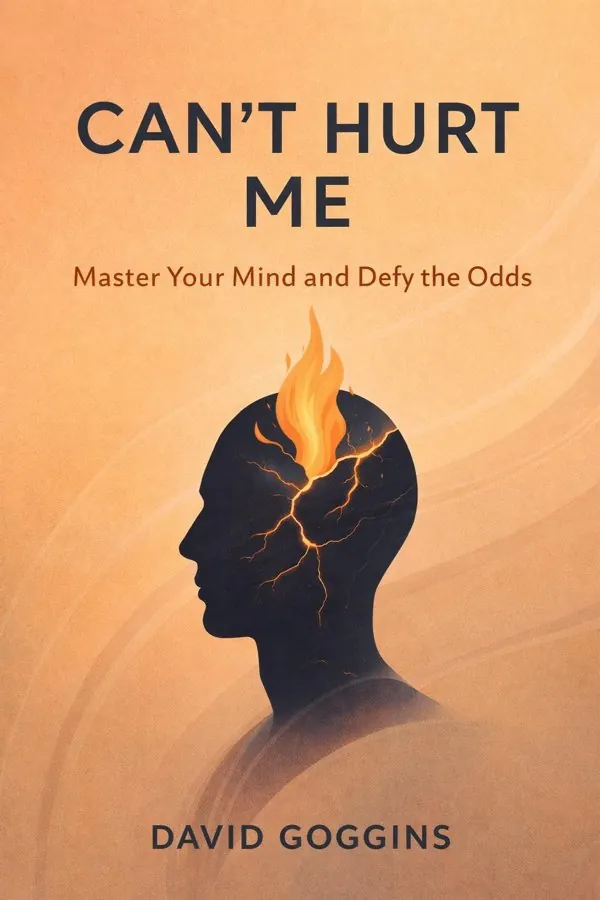
Can't Hurt Me
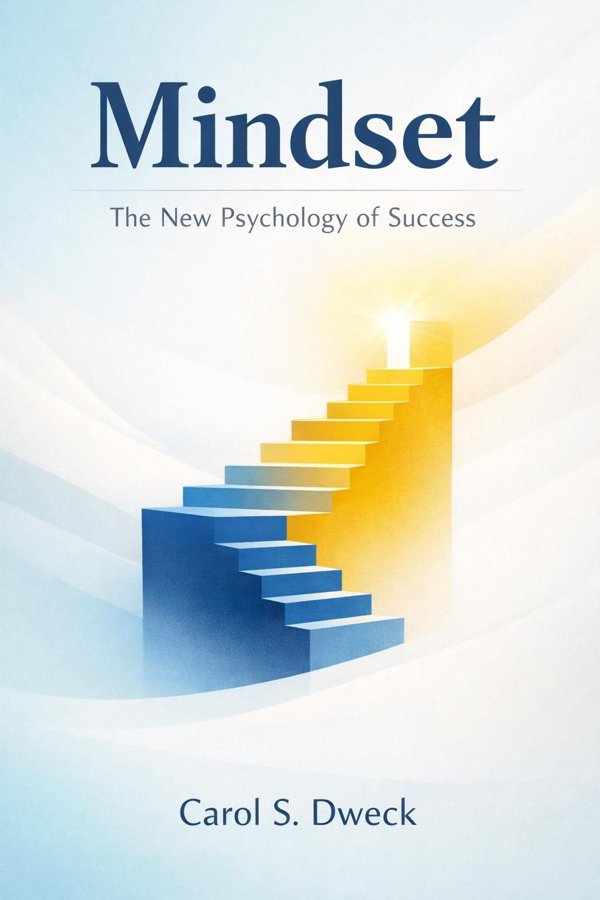
Mindset
In-Depth Analysis
David Goggins’s Can't Hurt Me and Carol Dweck’s Mindset both belong to the self-help category, but they operate through very different engines of persuasion. Goggins tries to transform the reader by force of example: he tells a story so severe and uncompromising that the reader feels embarrassed by their own excuses. Dweck, by contrast, changes the reader through interpretation: she gives a framework for understanding why people stagnate, protect ego, or keep growing after failure. One book is a furnace; the other is a lens.
At the center of Can't Hurt Me is the belief that identity is rebuilt through confrontation with pain. Goggins begins with an abusive childhood marked by violence, racism, and poverty, and he presents these not as mere background details but as the forge that later shaped his mentality. The early sections matter because they establish the scale of the inertia he had to overcome: obesity, low self-belief, a deadening routine, and the psychology of avoidance. His turning point is not intellectual in the way Dweck’s insights are. It is visceral. He looks at his life and decides that the cost of staying the same has become unbearable. The rest of the book follows the consequences of that decision through military training, extreme fitness, and endurance racing.
Mindset starts elsewhere. Dweck is less interested in one person’s dramatic transformation than in the invisible assumptions that guide many lives. Her fixed versus growth distinction explains why one student collapses after being told she is not naturally gifted, while another treats the same setback as information. She shows how praise like 'You’re so smart' can paradoxically create fragility, because it teaches children to protect an image rather than develop ability. In sports, school, and work, she returns to the same pattern: fixed mindset individuals often seek validation and avoid situations that might expose limitations, while growth mindset individuals engage feedback and effort as part of the path to mastery.
This creates the biggest contrast between the books: Goggins is about exceptional exertion, while Dweck is about adaptable cognition. Goggins would likely agree that beliefs matter, but he is less interested in subtle reframing than in proof through action. His methods, such as the 'Accountability Mirror' and 'Cookie Jar,' are designed to harden self-perception. The mirror forces brutal honesty; the cookie jar stores memories of past victories to draw on during present suffering. These techniques are psychologically sharp, but they are embedded in a larger ethic of relentless pressure. Dweck’s methods are gentler and more transferable. She encourages process praise, openness to mistakes, and a shift from 'I can’t do this' to 'I can’t do this yet.' Her approach is especially powerful where one person influences another: in classrooms, teams, families, and organizations.
Another important difference is the role of evidence. Can't Hurt Me is persuasive because Goggins did improbable things: drastic weight loss in a short period, surviving Navy SEAL training, and moving into ultramarathons despite severe physical pain. The book’s logic is testimonial. It says, in effect, this was possible for me under conditions that looked impossible, so your self-imposed limits are probably lies. That can be deeply motivating, but it also means readers have to decide how much of his model is admirable, how much is transferable, and how much is extreme. Mindset, on the other hand, asks for trust in research findings and recurring patterns. Dweck is not saying everyone should become extraordinary through suffering; she is saying people reliably improve when they relate differently to effort, error, and ability.
The emotional textures also diverge. Goggins’s story hits with shame, awe, aggression, and inspiration. Readers who feel trapped by comfort or self-pity may find it electrifying because it attacks passivity at the root. Yet that same intensity can alienate readers who need compassion, sustainability, or acknowledgment that not every problem is solved by simply pushing harder. Dweck’s book is less electrifying but often more usable over time. It invites self-correction without demanding self-war. Someone can change how they talk to a child, how they interpret criticism at work, or how they recover from a failed exam immediately after reading it.
In terms of audience, Can't Hurt Me is strongest for readers who need ignition. If someone is in a season of stagnation, has fallen into excuse-making, or responds to challenge more than reassurance, Goggins may produce a genuine shift. The sections on obesity and hopelessness are particularly effective because they make transformation feel earned rather than abstract. Mindset is stronger for readers who want a durable framework rather than a motivational surge. Its examples in schools and sports show that the book is not merely about feeling better after failure; it is about building environments that produce better learning and persistence.
The books also differ in their theory of failure. For Goggins, failure is useful because it reveals weakness and expands one’s tolerance for suffering. For Dweck, failure is useful because it carries information and becomes part of the developmental process. Goggins asks, 'How much more can you take?' Dweck asks, 'What do you believe this setback means?' Both questions matter, but they produce different kinds of readers. Goggins cultivates grit through ordeal. Dweck cultivates resilience through interpretation.
Taken together, the books complement each other unusually well. Mindset explains why people stop growing; Can't Hurt Me demonstrates what growth can look like when pursued with ferocious seriousness. Dweck provides the mental model; Goggins supplies the emotional charge. If Mindset helps a reader stop fearing effort, Can't Hurt Me dares them to test where their real limits are. If Goggins risks pushing some readers toward unsustainable intensity, Dweck balances that with a more humane and broadly applicable account of development. Neither book fully replaces the other. One teaches how to think about growth. The other makes growth feel urgent, embodied, and non-negotiable.
Side-by-Side Comparison
| Aspect | Can't Hurt Me | Mindset |
|---|---|---|
| Core Philosophy | Can't Hurt Me argues that radical self-discipline, deliberate suffering, and total personal accountability can transform trauma and weakness into strength. Goggins treats the mind as a battlefield where excuses must be defeated through extreme effort and repeated proof of capability. | Mindset argues that beliefs about ability shape performance, resilience, and learning. Dweck’s central claim is that people improve most when they see intelligence, talent, and character as developable rather than fixed. |
| Writing Style | Goggins writes in a blunt, confrontational, memoir-driven voice full of hard edges, vivid hardship, and motivational intensity. The style is built to provoke, challenge, and emotionally jolt readers into action. | Dweck writes in a clear, explanatory, research-based style that uses case studies from classrooms, sports, business, and parenting. The tone is calmer and more analytical, aiming to persuade through patterns and evidence rather than adrenaline. |
| Practical Application | The book offers tools such as the 'Accountability Mirror,' the 'Cookie Jar,' and goal-setting through harsh self-honesty. Its advice is highly practical for readers drawn to habit change through challenge, discomfort, and identity reconstruction. | Mindset is practical in a different way: it helps readers change language, feedback habits, and interpretations of failure. Its applications are especially strong in education, coaching, parenting, and workplace development. |
| Target Audience | Can't Hurt Me most directly speaks to readers who feel stuck, defeated, complacent, or hungry for a dramatic reset. It especially appeals to those inspired by military discipline, endurance sports, and stories of extreme personal reinvention. | Mindset is ideal for readers who want a broad framework for growth without adopting an extreme lifestyle. It is particularly useful for teachers, parents, managers, students, and athletes interested in long-term development. |
| Scientific Rigor | Can't Hurt Me is grounded primarily in lived experience rather than formal evidence. Its authority comes from Goggins’s biography, Navy SEAL training, weight loss, and ultramarathon feats, not controlled studies or psychological literature. | Mindset is far more scientifically rigorous, drawing from Dweck’s decades of psychological research on achievement, praise, motivation, and response to setbacks. While some readers debate the breadth of the concept, the book is clearly rooted in an academic framework. |
| Emotional Impact | Goggins’s story has immediate emotional force because it begins with abuse, racism, poverty, obesity, and hopelessness before moving into brutal self-transformation. The book often leaves readers feeling shaken, energized, and challenged. | Mindset has a subtler emotional effect, creating recognition rather than shock. Readers often feel enlightened or gently unsettled as they realize how fixed-mindset habits may be shaping their reactions to failure, talent, and criticism. |
| Actionability | The action steps are concrete and memorable, but they demand a high tolerance for discomfort and intensity. Readers can implement its methods quickly, though sustaining them may be difficult without strong internal drive. | The actions in Mindset are easier to integrate into daily life because they often begin with reframing language and feedback. Its advice is less cinematic than Goggins’s, but more scalable across ordinary routines and relationships. |
| Depth of Analysis | Can't Hurt Me goes deepest on individual willpower, trauma alchemy, and the psychology of pushing beyond perceived limits. It is less nuanced about structural factors, moderation, or differing personality types. | Mindset offers broader analytical depth across domains like school, sports, business, and relationships. It is stronger at explaining recurring psychological patterns, though sometimes less vivid about what change feels like from the inside. |
| Readability | The memoir format makes it fast-moving and highly readable, especially for readers who connect with narrative momentum. Its intensity can also feel repetitive or overwhelming for those who prefer measured argument. | Mindset is accessible for a psychology book, with digestible examples and straightforward prose. Still, its conceptual repetition and case-study structure may feel slower than Goggins’s dramatic storytelling. |
| Long-term Value | Can't Hurt Me has long-term value as a motivational reset text readers return to when they need courage, urgency, or a reminder of personal agency. Its strongest use is as a catalyst during stagnation or self-pity. | Mindset has long-term value as a durable interpretive framework that can shape how readers parent, teach, lead, learn, and respond to setbacks over years. It tends to age well because it changes perception, not just motivation. |
Key Differences
Memoir of Extremity vs Framework of Development
Can't Hurt Me is built around one person’s transformation through suffering, discipline, and extreme performance. Mindset is built around a psychological framework that applies across many lives, from children in classrooms to professionals in leadership roles.
Pain as Teacher vs Feedback as Teacher
Goggins repeatedly treats physical and mental pain as the route to discovering untapped capacity, especially in SEAL training and endurance racing. Dweck emphasizes that improvement comes from how people process mistakes, criticism, and effort, not necessarily from extreme hardship itself.
Shock Motivation vs Cognitive Reframing
Can't Hurt Me motivates by making comfort look unacceptable and mediocrity feel self-imposed. Mindset motivates by changing the meaning of challenge, so failure becomes evidence of a learning process rather than evidence of inadequacy.
Individual Combat vs Social Application
Goggins mainly focuses on personal battle: mastering the self through brutal honesty and discipline. Dweck’s ideas extend naturally into relationships and systems, such as how teachers praise students or how managers cultivate resilient teams.
Biographical Authority vs Research Authority
The credibility of Can't Hurt Me comes from what Goggins has survived and accomplished, including dramatic weight loss, SEAL qualification, and ultramarathons. The credibility of Mindset comes from Dweck’s research tradition in psychology and the consistency of her findings across domains.
High-Intensity Tactics vs Everyday Language Shifts
Goggins asks for major internal and behavioral escalation through tools like the Accountability Mirror and deliberate exposure to discomfort. Dweck often starts with smaller but powerful shifts, such as praising strategy and persistence instead of labeling someone naturally gifted.
Narrower Emotional Persona vs Broader Reader Accessibility
Can't Hurt Me is deeply compelling but filtered through Goggins’s very specific ethos of relentless toughness, which will not suit every reader. Mindset is less electrifying, yet easier for a wider audience to adapt because it does not require embracing a warrior identity.
Who Should Read Which?
The burned-out achiever who fears failure and ties self-worth to being naturally capable
→ Mindset
This reader needs to untangle identity from performance. Dweck’s explanation of fixed mindset patterns can help them reinterpret mistakes, accept coaching, and rebuild a healthier relationship to effort and development.
The stuck reader who feels physically or mentally complacent and responds to hard-edged motivation
→ Can't Hurt Me
Goggins is especially effective for readers who need a dramatic wake-up call. His story of moving from abuse, obesity, and hopelessness into disciplined action can make change feel urgent and morally non-negotiable.
The teacher, coach, parent, or manager trying to help others grow
→ Mindset
Mindset is better suited to people shaping other people’s development. Its examples around praise, challenge, feedback, and learning environments offer more direct tools for creating durable growth in others.
Which Should You Read First?
For most readers, start with Mindset and then read Can't Hurt Me. Dweck gives you the conceptual foundation first: you learn how fixed beliefs about talent, intelligence, and character create avoidance, defensiveness, and fear of failure. That framework helps you recognize why Goggins’s transformation matters psychologically, not just dramatically. When you then read Can't Hurt Me, you can see it as a lived example of someone refusing a fixed identity and repeatedly choosing development through effort, feedback, and discomfort. There is one major exception. If you are currently stuck in apathy, excuses, or low drive, start with Can't Hurt Me. Goggins can create momentum faster because his story is emotionally explosive. After that, read Mindset to make your growth more sustainable and less dependent on raw intensity. In other words, read Mindset first if you want clarity before action; read Can't Hurt Me first if you need action before clarity. The ideal sequence for lasting benefit is still Dweck, then Goggins.
Want the full summary?
Get instant access to this book summary and 100K+ more with Fizz Moment.
Get Free SummaryAvailable on App Store • Free to download
Frequently Asked Questions
Is Can't Hurt Me better than Mindset for beginners?
It depends on what kind of beginner you are. If you are new to self-help and want a clear, emotionally powerful push to change your habits, Can't Hurt Me may feel more immediately gripping because Goggins tells a dramatic story of moving from abuse, obesity, and hopelessness into extreme discipline. If you want a calmer and more foundational explanation of how beliefs about talent and failure shape your progress, Mindset is usually better for beginners. Dweck’s framework is easier to apply gradually, especially if you are not drawn to military-style intensity. In short: beginners who need motivation may prefer Goggins, while beginners who want a practical mental model may benefit more from Dweck.
Which book is more practical: Can't Hurt Me or Mindset?
Both are practical, but in different ways. Can't Hurt Me is practical for personal discipline because it offers memorable tools like the Accountability Mirror, the Cookie Jar, and the habit of turning discomfort into training. It is strongest when you need to break inertia, rebuild identity, or push through excuses. Mindset is more practical across everyday settings because its advice applies to parenting, teaching, leadership, studying, and sports. Changing how you praise effort, interpret failure, or approach criticism can be implemented immediately without adopting an extreme lifestyle. If you want a personal challenge system, choose Goggins. If you want a framework for daily growth across many areas, choose Dweck.
Should I read Mindset before Can't Hurt Me?
For most readers, yes. Mindset gives you the conceptual groundwork: it explains why people avoid challenge, why praise can backfire, and how a growth-oriented view of ability changes learning and resilience. Reading it first can help you interpret Goggins more intelligently, seeing his transformation not just as toughness but as a radical rejection of fixed identity. Then Can't Hurt Me becomes the vivid case study of what happens when someone acts as though he can develop beyond all prior limits. That said, if you are currently unmotivated and need a jolt more than a framework, starting with Can't Hurt Me can work well. The best order depends on whether you need understanding first or ignition first.
Is Mindset too academic compared to Can't Hurt Me?
Mindset is definitely more academic in structure and tone, but it is not inaccessible. Dweck writes for general readers and supports her ideas with stories from students, athletes, teachers, business leaders, and families, so the book remains readable even when it is research-driven. Compared to the adrenaline and autobiographical momentum of Can't Hurt Me, it may feel slower and more repetitive. However, that analytical style is also its strength: it helps readers see patterns that extend beyond a single life story. If you dislike memoir-driven motivation and want evidence-based self-improvement, Mindset may actually be more appealing. If you read mainly for emotional intensity and personal narrative, Goggins will likely feel more engaging.
Which book is better for athletes: Can't Hurt Me or Mindset?
Athletes can gain a lot from both, but the best choice depends on the problem they are trying to solve. Can't Hurt Me is powerful for athletes who need toughness, discipline, and a higher threshold for discomfort. Goggins’s sections on Navy SEAL training and endurance sports show how he uses pain as a training partner rather than a signal to quit. Mindset is better for athletes who struggle with fear of failure, over-identification with talent, or poor responses to criticism and setbacks. Dweck’s sports examples are especially helpful for understanding coachability and long-term development. Ideally, athletes read Mindset to build the right beliefs and Can't Hurt Me to add intensity and commitment.
Can Can't Hurt Me and Mindset be read together for personal growth?
Yes, and they actually complement each other unusually well. Mindset helps you diagnose the beliefs that make you avoid challenge, protect ego, or interpret failure as proof of limitation. Can't Hurt Me then supplies a much more visceral model of what it looks like to act against those limiting beliefs with discipline and courage. Dweck gives you language like fixed mindset, growth mindset, process, and learning. Goggins gives you lived examples of accountability, suffering, and self-overcoming. Read together, they can prevent two common problems: Mindset keeps Goggins from becoming mere macho intensity, and Can't Hurt Me keeps Dweck from remaining purely conceptual. One clarifies the map; the other dares you to walk it.
The Verdict
If you want one book that will hit you in the chest and force you to confront your excuses, choose Can't Hurt Me. David Goggins offers a rare kind of self-help: not comforting, not polished, and not especially moderate. Its power lies in the sheer force of his example, from surviving abuse and racism to escaping obesity and embracing punishing physical tests. For readers who need urgency, grit, and a story of radical self-reinvention, it is hard to ignore. If you want one book that will improve the way you learn, lead, teach, parent, or recover from failure over the long run, choose Mindset. Carol Dweck provides a more universal and sustainable framework. Her distinction between fixed and growth mindsets explains patterns that show up everywhere, and her advice is easier to apply consistently in everyday life. Overall, Mindset is the better all-purpose recommendation because it is more broadly useful, more scientifically grounded, and more adaptable to different personalities and professions. Can't Hurt Me is the more memorable and emotionally intense book, but also the more extreme and less universally transferable one. The strongest recommendation is not to treat them as rivals. Read Mindset for the framework, then Can't Hurt Me for the fire. Together, they deliver both understanding and momentum.
Related Comparisons

Want to read both books?
Get AI-powered summaries of both Can't Hurt Me and Mindset in just 20 minutes total.