
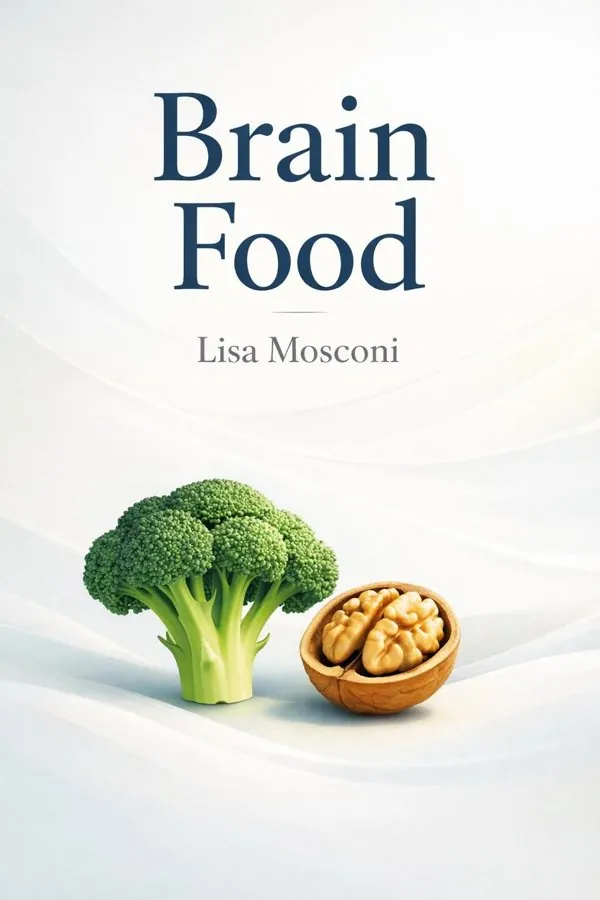
Brain Food: The Surprising Science of Eating for Cognitive Power: Summary & Key Insights
by Lisa Mosconi
 10 min11 chaptersAudio available
What Is Brain Food: The Surprising Science of Eating for Cognitive Power About?
Brain Food: The Surprising Science of Eating for Cognitive Power by Lisa Mosconi is a life_science book spanning 11 pages. In this book, neuroscientist and nutrition expert Dr. Lisa Mosconi explores the connection between diet and brain health. She explains how specific foods can enhance memory, prevent cognitive decline, and improve mental clarity. Drawing on scientific research, Mosconi provides practical dietary recommendations to support optimal brain function and long-term cognitive performance.
This FizzRead summary covers all 11 key chapters of Brain Food: The Surprising Science of Eating for Cognitive Power in approximately 10 minutes, distilling the most important ideas, arguments, and takeaways from Lisa Mosconi's work. Also available as an audio summary and Key Quotes Podcast.
Brain Food: The Surprising Science of Eating for Cognitive Power
In this book, neuroscientist and nutrition expert Dr. Lisa Mosconi explores the connection between diet and brain health. She explains how specific foods can enhance memory, prevent cognitive decline, and improve mental clarity. Drawing on scientific research, Mosconi provides practical dietary recommendations to support optimal brain function and long-term cognitive performance.
Who Should Read Brain Food: The Surprising Science of Eating for Cognitive Power?
This book is perfect for anyone interested in life_science and looking to gain actionable insights in a short read. Whether you're a student, professional, or lifelong learner, the key ideas from Brain Food: The Surprising Science of Eating for Cognitive Power by Lisa Mosconi will help you think differently.
- ✓Readers who enjoy life_science and want practical takeaways
- ✓Professionals looking to apply new ideas to their work and life
- ✓Anyone who wants the core insights of Brain Food: The Surprising Science of Eating for Cognitive Power in just 10 minutes
Want the full summary?
Get instant access to this book summary and 100K+ more with Fizz Moment.
Get Free SummaryAvailable on App Store • Free to download
Key Chapters
To truly appreciate how diet shapes cognition, we must recognize the brain’s exceptional needs. Unlike other organs, the brain operates as an energy-intensive powerhouse — consuming about twenty percent of all calories despite weighing only two percent of body mass. But what matters most is not quantity; it is quality. The brain depends on a steady supply of complex carbohydrates for glucose, polyunsaturated fats to preserve neuronal membranes, protein for neurotransmitter synthesis, and micronutrients for cellular protection.
In my research, I found that many of us unknowingly starve our brains of essential compounds, even when we feel well-fed. Processed carbohydrates deliver rapid glucose spikes that the brain cannot efficiently use, leading to mental fog rather than energy. On the other hand, foods rich in steady, complex energy — like ancient grains or colorful vegetables — help neurons maintain consistent firing patterns. My message is simple but vital: when you feed yourself, you feed your neurons, and their needs are precise.
Think of your brain as an orchestra. Each nutrient serves an instrument: omega-3 fatty acids tune the strings of memory, antioxidants silence oxidative noise, and trace minerals conduct energy through subtle biochemical symphonies. Once you see nutrition in this light, you start to understand that cognition is chemistry, and chemistry is food.
Our brain’s structure dictates how it consumes nutrients. The frontal cortex thrives on glucose efficiency, driving focus and decision-making. The hippocampus, our memory hub, protects itself with antioxidant defense to ward off oxidative stress. The neuronal membranes — delicate bilayers of lipid — require omega-3 fatty acids to preserve both flexibility and signaling precision.
The metabolic machinery that runs the brain is remarkably sensitive. Even mild nutritional deficiencies can alter how neurons communicate. Imaging studies from our lab demonstrated how brain scans changed after participants followed brain-supportive diets rich in plant antioxidants and essential fats. Regions linked to learning and recall brightened, showing more metabolic stability. This wasn’t an abstract phenomenon; it was biochemistry translated into mental sharpness.
As I explain, cellular metabolism in neurons involves converting glucose, fats, and amino acids into ATP — the energy currency. Disrupt one nutrient cycle, and neurons struggle to maintain electrical balance. This perspective transforms how we view food. Each bite alters the molecular choreography inside the skull. A nutrient-rich meal doesn’t just satisfy hunger; it fuels complex electrochemical symphonies underlying thought and creativity.
+ 9 more chapters — available in the FizzRead app
All Chapters in Brain Food: The Surprising Science of Eating for Cognitive Power
About the Author
Lisa Mosconi, PhD, is a neuroscientist and nutritionist specializing in the relationship between diet and brain health. She serves as the Director of the Women's Brain Initiative and Associate Director of the Alzheimer's Prevention Clinic at Weill Cornell Medical College. Her research focuses on how lifestyle factors influence brain aging and disease prevention.
Get This Summary in Your Preferred Format
Read or listen to the Brain Food: The Surprising Science of Eating for Cognitive Power summary by Lisa Mosconi anytime, anywhere. FizzRead offers multiple formats so you can learn on your terms — all free.
Available formats: App · Audio · PDF · EPUB — All included free with FizzRead
Download Brain Food: The Surprising Science of Eating for Cognitive Power PDF and EPUB Summary
Key Quotes from Brain Food: The Surprising Science of Eating for Cognitive Power
“To truly appreciate how diet shapes cognition, we must recognize the brain’s exceptional needs.”
“Our brain’s structure dictates how it consumes nutrients.”
Frequently Asked Questions about Brain Food: The Surprising Science of Eating for Cognitive Power
Brain Food: The Surprising Science of Eating for Cognitive Power by Lisa Mosconi is a life_science book that explores key ideas across 11 chapters. In this book, neuroscientist and nutrition expert Dr. Lisa Mosconi explores the connection between diet and brain health. She explains how specific foods can enhance memory, prevent cognitive decline, and improve mental clarity. Drawing on scientific research, Mosconi provides practical dietary recommendations to support optimal brain function and long-term cognitive performance.
More by Lisa Mosconi
You Might Also Like

The Selfish Gene
Richard Dawkins
10 min
Awakenings
Oliver Sacks
10 min
Parasite Rex: Inside the Bizarre World of Nature's Most Dangerous Creatures
Carl Zimmer
10 min
The Atlas of Life on Earth
Various
10 min
The Book of Humans: The Story of How We Became Us
Adam Rutherford
10 min
The Horse
Wendy Williams
10 minBrowse by Category
Ready to read Brain Food: The Surprising Science of Eating for Cognitive Power?
Get the full summary and 100K+ more books with Fizz Moment.