
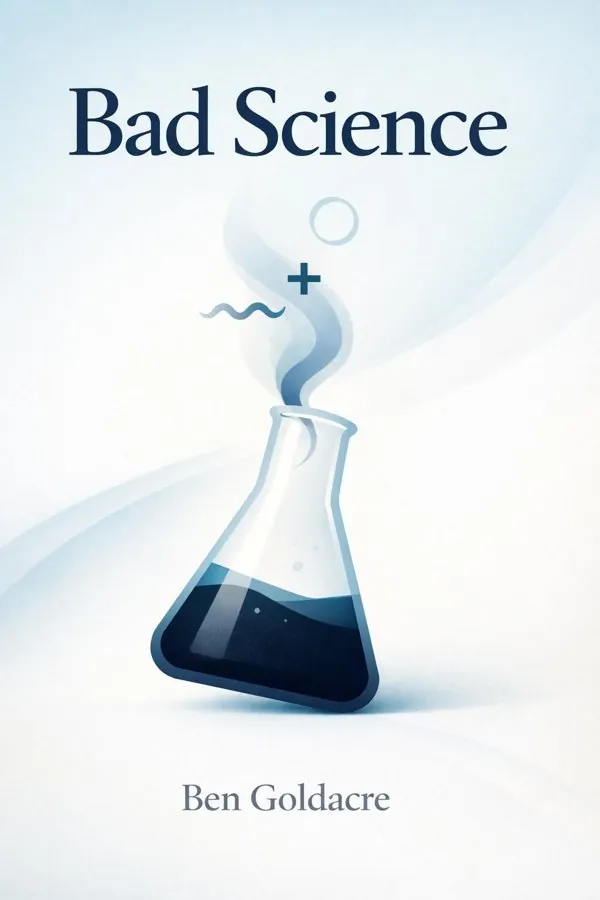
Bad Science: Summary & Key Insights
by Ben Goldacre
 10 min12 chaptersAudio available
What Is Bad Science About?
Bad Science by Ben Goldacre is a popular_sci book spanning 12 pages. Bad Science is a popular science book by British physician and journalist Ben Goldacre. First published in 2008, it critically examines poor scientific practices and pseudoscience in the media, pharmaceutical industry, and popular culture. Goldacre debunks unfounded claims and explains how critical thinking and the scientific method can protect the public from misinformation.
This FizzRead summary covers all 12 key chapters of Bad Science in approximately 10 minutes, distilling the most important ideas, arguments, and takeaways from Ben Goldacre's work. Also available as an audio summary and Key Quotes Podcast.
Bad Science
Bad Science is a popular science book by British physician and journalist Ben Goldacre. First published in 2008, it critically examines poor scientific practices and pseudoscience in the media, pharmaceutical industry, and popular culture. Goldacre debunks unfounded claims and explains how critical thinking and the scientific method can protect the public from misinformation.
Who Should Read Bad Science?
This book is perfect for anyone interested in popular_sci and looking to gain actionable insights in a short read. Whether you're a student, professional, or lifelong learner, the key ideas from Bad Science by Ben Goldacre will help you think differently.
- ✓Readers who enjoy popular_sci and want practical takeaways
- ✓Professionals looking to apply new ideas to their work and life
- ✓Anyone who wants the core insights of Bad Science in just 10 minutes
Want the full summary?
Get instant access to this book summary and 100K+ more with Fizz Moment.
Get Free SummaryAvailable on App Store • Free to download
Key Chapters
Let’s start with one of the most powerful forces shaping our perception of science: the media. In theory, journalists should act as translators between the scientific world and the public, conveying complex findings in a clear and responsible way. Too often, however, accuracy falls victim to drama. A nuanced study about a correlation becomes a breathless headline about causation. Uncertainty—a hallmark of honest science—gets stripped away for the sake of a catchy hook.
From my years of writing for *The Guardian*, I’ve seen this firsthand. Many science journalists operate under impossible deadlines or lack the technical background to interpret a study’s design, limitations, or statistical significance. And then there are the 'churnalists'—those who simply rewrite press releases from PR teams presenting research in its most flattering light. When a pharmaceutical company funds a study on its own product, you can bet that the press release won’t highlight the side effects or the null findings.
This isn’t about blaming individuals as much as exposing a system where bad incentives breed bad reporting. The public ends up thinking science flips its conclusions every week—one day coffee cures cancer; the next, it causes it. In reality, the scientific conversation moves slowly, building consensus through replication and critique. But the media’s appetite for novelty and certainty doesn’t allow for that pace. That’s how bad science takes root—not merely through fabrication, but through the quiet erosion of context and critical thought.
Few examples illustrate bad science better than homeopathy. On the surface, homeopathy sounds scientific: it talks of 'remedies' and 'laws', it uses Latin names and meticulous dilution charts. But let’s be clear: homeopathy’s foundations rest on pre-scientific fantasy—the notion that a substance causing symptoms in a healthy person can cure those same symptoms in a sick one, and that water can 'remember' a substance that’s been diluted out of existence.
I like to think of homeopathy not as a threat, but as a fascinating psychological mirror. When someone feels better after taking a homeopathic pill, we witness the placebo effect in action—a powerful demonstration of how expectation, empathy, and ritual can influence perception of health. The placebo effect is real, but it does not mean homeopathy works. It means the mind can generate genuine relief even when the treatment itself is inert. That’s why we need controlled, double-blind trials: to disentangle what patients feel from what physically changes.
What frustrates me most isn’t homeopathy’s persistence—it’s the way pseudoscience absorbs the language of real science to protect itself from scrutiny. If a claim cannot be tested, replicated, or falsified, it simply does not belong in the scientific conversation. By insisting on the methods of evidence-based medicine, we don’t crush wonder—we defend truth.
+ 10 more chapters — available in the FizzRead app
All Chapters in Bad Science
About the Author
Ben Goldacre is a British physician, academic, and writer specializing in evidence-based medicine and science communication. He has worked as a columnist for The Guardian and is known for his advocacy of scientific rigor and transparency in medical research.
Get This Summary in Your Preferred Format
Read or listen to the Bad Science summary by Ben Goldacre anytime, anywhere. FizzRead offers multiple formats so you can learn on your terms — all free.
Available formats: App · Audio · PDF · EPUB — All included free with FizzRead
Download Bad Science PDF and EPUB Summary
Key Quotes from Bad Science
“Let’s start with one of the most powerful forces shaping our perception of science: the media.”
“Few examples illustrate bad science better than homeopathy.”
Frequently Asked Questions about Bad Science
Bad Science by Ben Goldacre is a popular_sci book that explores key ideas across 12 chapters. Bad Science is a popular science book by British physician and journalist Ben Goldacre. First published in 2008, it critically examines poor scientific practices and pseudoscience in the media, pharmaceutical industry, and popular culture. Goldacre debunks unfounded claims and explains how critical thinking and the scientific method can protect the public from misinformation.
You Might Also Like
Structures: Or Why Things Don"t Fall Down
J.E. Gordon
10 min
The Road to Wigan Pier
George Orwell
10 min
Bonk: The Curious Coupling of Science and Sex
Mary Roach
10 min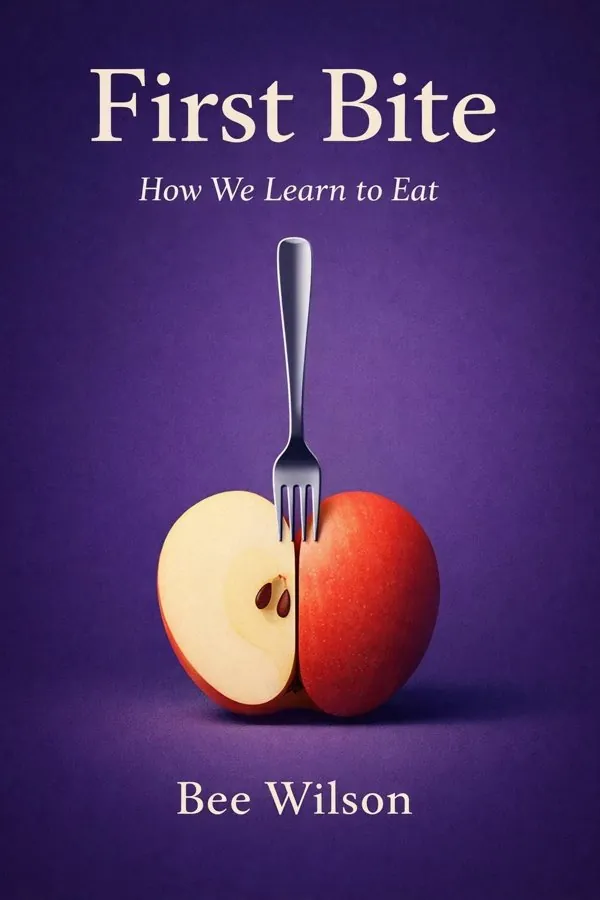
First Bite: How We Learn to Eat
Bee Wilson
10 min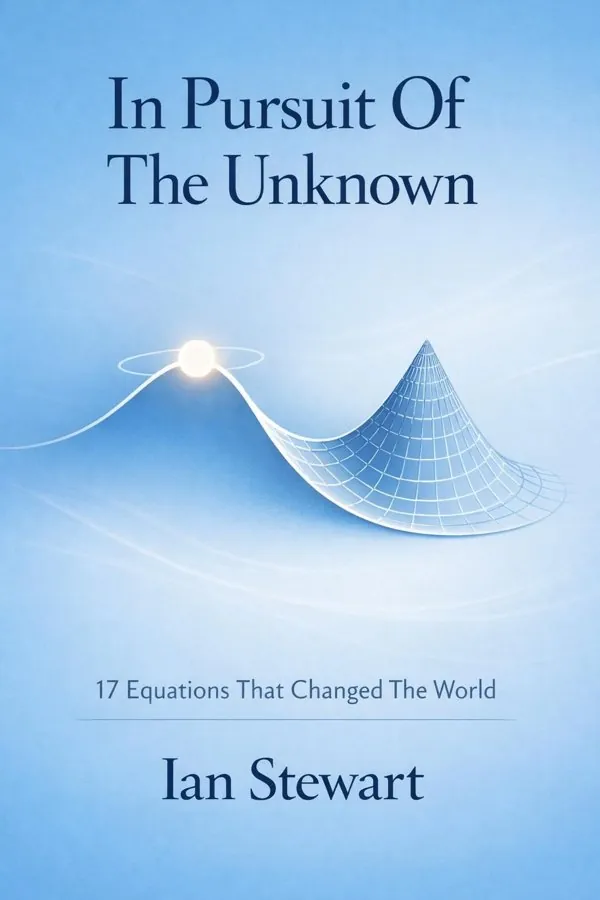
In Pursuit Of The Unknown: 17 Equations That Changed The World
Ian Stewart
10 min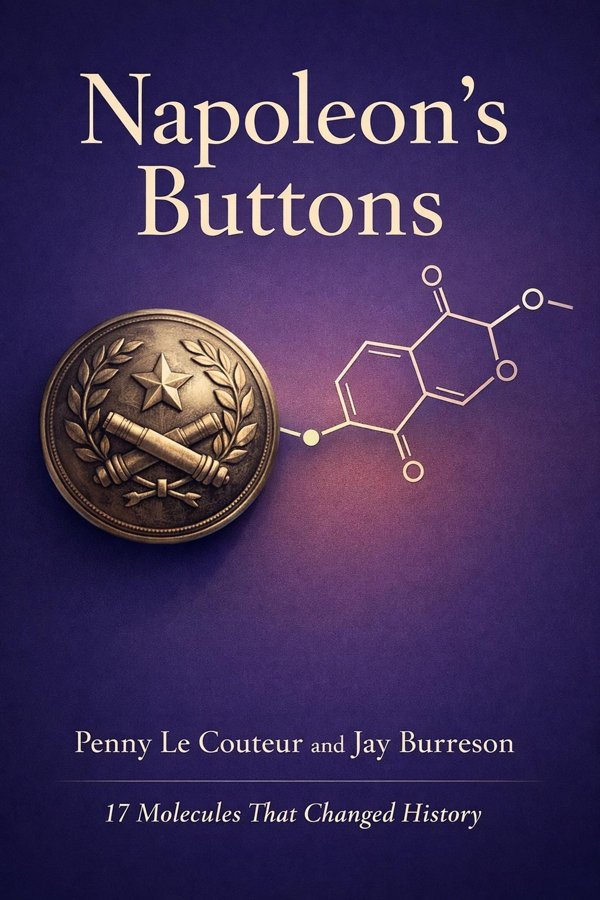
Napoleon's Buttons: 17 Molecules That Changed History
Penny Le Couteur and Jay Burreson
10 minBrowse by Category
Ready to read Bad Science?
Get the full summary and 100K+ more books with Fizz Moment.