

Yukio Mishima Books
Yukio Mishima (1925–1970) was a Japanese novelist, playwright, and essayist, widely regarded as one of the most important Japanese authors of the 20th century. His works often explore themes of beauty, death, and the conflict between traditional values and modernity.
Known for: Runaway Horses, Spring Snow, The Decay of the Angel, The Sailor Who Fell From Grace With The Sea, The Sea of Fertility, The Sound of Waves, Thirst for Love
Books by Yukio Mishima
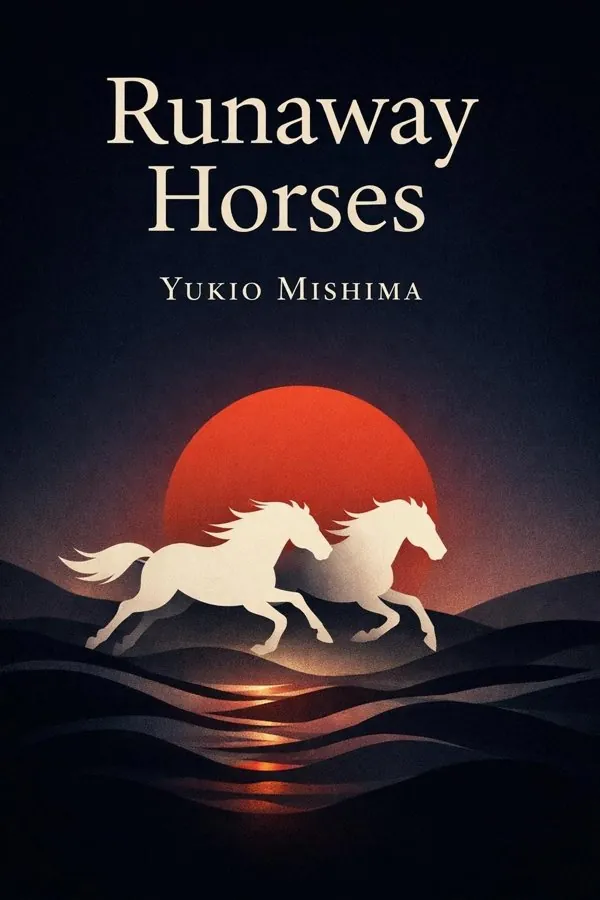
Runaway Horses
Runaway Horses is Yukio Mishima’s fierce, unsettling second installment in The Sea of Fertility tetralogy, and it shifts the series from romantic loss to ideological fire. Set in Japan in the early 19...
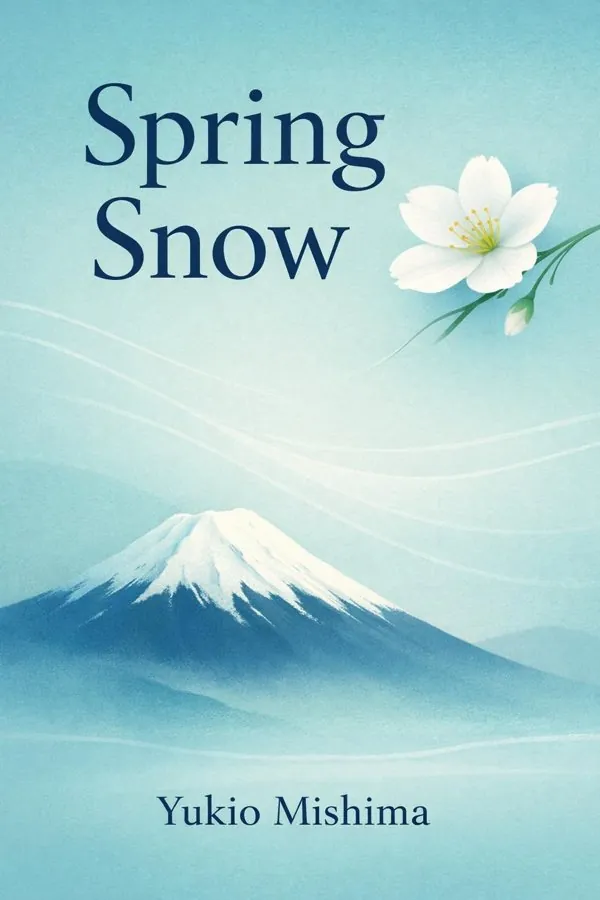
Spring Snow
Spring Snow is a novel of longing, pride, and irreversible loss set at a moment when Japan itself seems suspended between two worlds. The first volume of Yukio Mishima’s Sea of Fertility tetralogy fol...
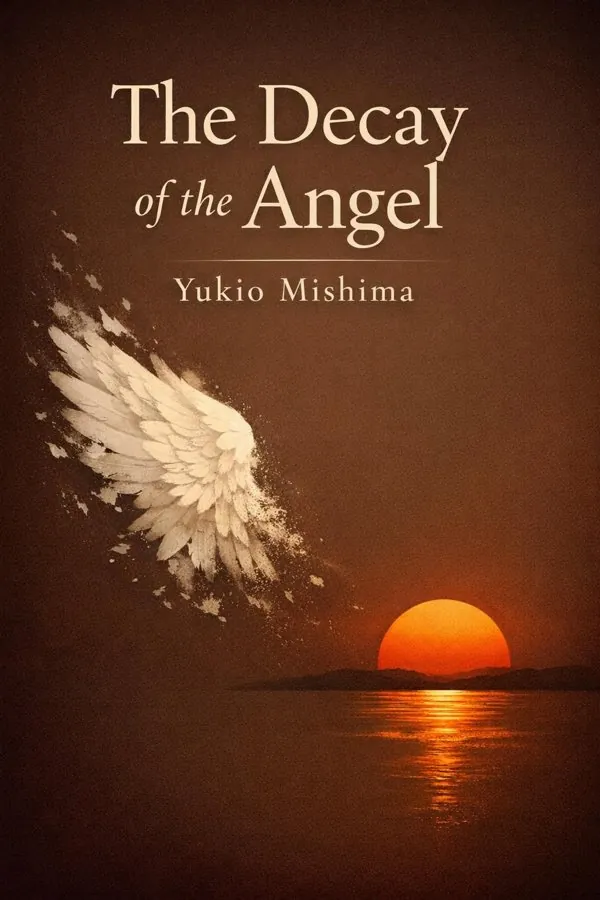
The Decay of the Angel
The Decay of the Angel is Yukio Mishima’s final novel and the concluding volume of his monumental Sea of Fertility tetralogy. Set in the twilight of Shigekuni Honda’s life, the book follows the retire...
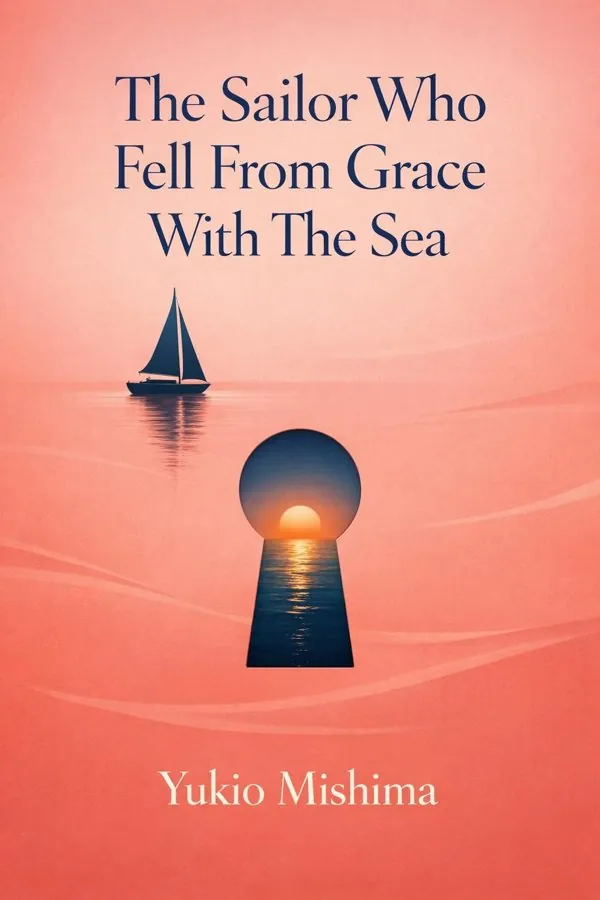
The Sailor Who Fell From Grace With The Sea
What happens when a child’s hunger for purity collides with the compromises of adult life? In The Sailor Who Fell From Grace With The Sea, Yukio Mishima turns a seemingly simple story—a widow, her son...
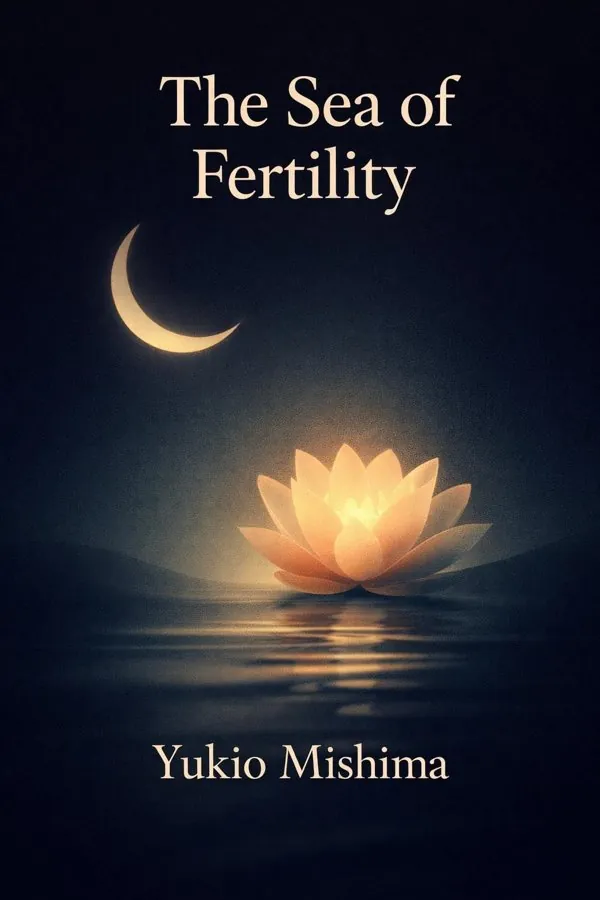
The Sea of Fertility
What if a single life could return again and again, not to offer comfort, but to expose the illusions by which people and nations live? Yukio Mishima’s The Sea of Fertility is a monumental four-volume...

The Sound of Waves
The Sound of Waves is Yukio Mishima’s luminous 1954 novel about first love, moral character, and the quiet power of a life lived close to nature. Set on the small fishing island of Uta-jima, the story...

Thirst for Love
Thirst for Love is one of Yukio Mishima’s earliest and most penetrating novels, first published in 1950, and it remains a striking study of desire turned inward until it becomes suffering. Set in post...
Key Insights from Yukio Mishima
Honda and the Return of Kiyoaki
Reason often believes it has outgrown mystery, until the past returns wearing a new face. In Runaway Horses, Shigekuni Honda reappears as a far more mature figure than the observer readers met in Spring Snow. He is now trained in law, evidence, and restraint. He has built a life around logic, proced...
From Runaway Horses
Isao and the Discipline of Purity
The most dangerous ideals are often the ones wrapped in virtue. Isao Iinuma is introduced as a young man formed by discipline, austerity, and reverence for samurai values. He is not lazy, corrupt, or self-indulgent. On the contrary, he is earnest, physically trained, morally severe, and passionately...
From Runaway Horses
The Divine Wind and Sacred Violence
Fanaticism rarely sees itself as fanaticism; it sees itself as fidelity. One of the novel’s central developments is Isao’s involvement with a group of young conspirators sometimes described through the spirit of the “Divine Wind,” evoking the historical idea of Japan’s sacred protection and destiny....
From Runaway Horses
Betrayal Shatters the Romantic Plot
Revolution often dies not in battle, but in contact with reality. As Isao’s conspiracy advances, the novel shifts from exalted intention to the messier world of betrayal, surveillance, and failed execution. The plan that once seemed charged with almost mythic significance becomes vulnerable to fear,...
From Runaway Horses
Law, Trial, and Competing Truths
A courtroom does not erase passion; it translates passion into procedure. After the conspiracy begins to unravel, Runaway Horses enters the domain of arrest, legal defense, and formal judgment. Here Mishima stages a powerful confrontation between two worlds: Honda’s world of law and Isao’s world of ...
From Runaway Horses
Sacrifice as Awakening and Self-Deception
People often mistake intensity for truth. During Isao’s imprisonment and reflection, the novel probes the inner logic of sacrifice. Confinement does not cool his convictions; if anything, it clarifies them. Stripped of movement and political momentum, he becomes more inwardly certain that suffering ...
From Runaway Horses
About Yukio Mishima
Yukio Mishima (1925–1970) was a Japanese novelist, playwright, and essayist, widely regarded as one of the most important Japanese authors of the 20th century. His works often explore themes of beauty, death, and the conflict between traditional values and modernity. Notable works include 'The Templ...
Read more
Yukio Mishima (1925–1970) was a Japanese novelist, playwright, and essayist, widely regarded as one of the most important Japanese authors of the 20th century. His works often explore themes of beauty, death, and the conflict between traditional values and modernity. Notable works include 'The Templ...
Yukio Mishima (1925–1970) was a Japanese novelist, playwright, and essayist, widely regarded as one of the most important Japanese authors of the 20th century. His works often explore themes of beauty, death, and the conflict between traditional values and modernity. Notable works include 'The Temple of the Golden Pavilion', 'Confessions of a Mask', and 'The Sea of Fertility' tetralogy.





Frequently Asked Questions
Yukio Mishima (1925–1970) was a Japanese novelist, playwright, and essayist, widely regarded as one of the most important Japanese authors of the 20th century. His works often explore themes of beauty, death, and the conflict between traditional values and modernity.
Read Yukio Mishima's books in 15 minutes
Get AI-powered summaries with key insights from 7 books by Yukio Mishima.