

William James Books
William James (1842–1910) was an American philosopher and psychologist, widely regarded as one of the leading thinkers of the late 19th century. A founder of pragmatism and functional psychology, his works include 'The Principles of Psychology' and 'Pragmatism'.
Known for: Habit, Pragmatism: A New Name for Some Old Ways of Thinking, The Principles of Psychology, The Varieties of Religious Experience: A Study in Human Nature, The Will to Believe, and Other Essays in Popular Philosophy
Books by William James
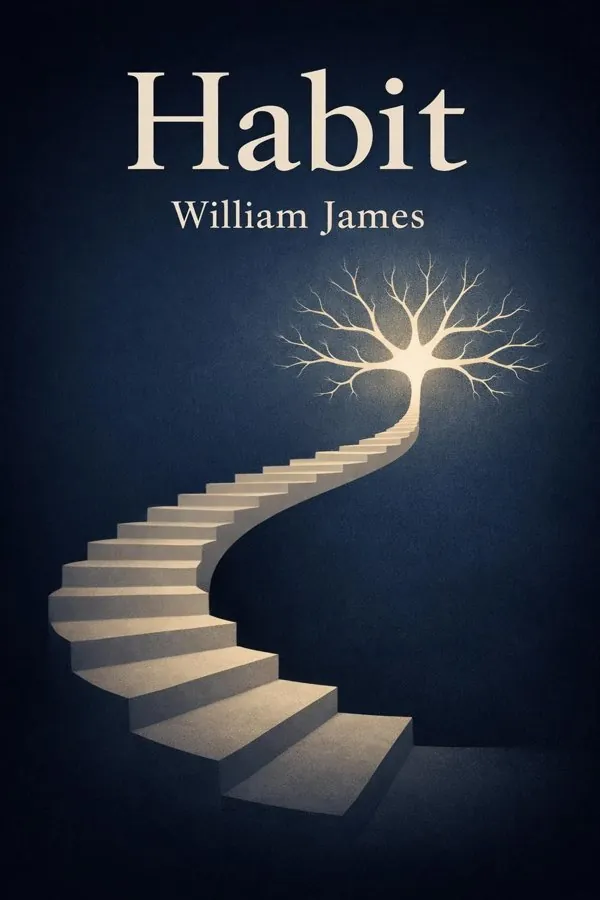
Habit
Why do some actions feel effortless while others demand constant willpower? In "Habit," William James offers a powerful answer: much of human life is shaped not by dramatic decisions but by repeated b...
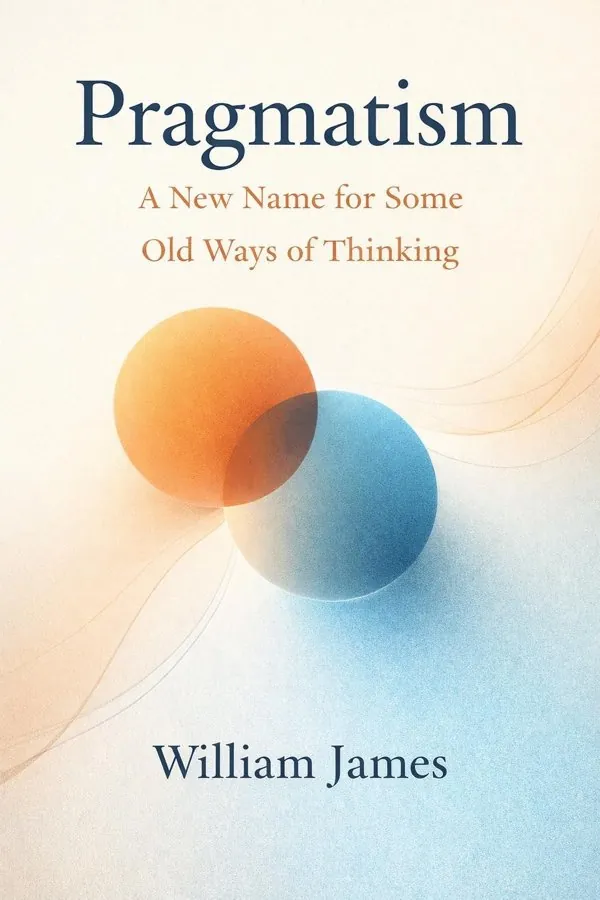
Pragmatism: A New Name for Some Old Ways of Thinking
William James’s Pragmatism: A New Name for Some Old Ways of Thinking is one of the most influential works in American philosophy because it asks a disarmingly simple question: what difference does an ...

The Principles of Psychology
First published in 1890, The Principles of Psychology is one of the founding texts of modern psychology and still feels remarkably alive today. In this monumental work, William James asks questions th...

The Varieties of Religious Experience: A Study in Human Nature
What if religion were studied not as a system of doctrines, but as a lived reality inside the human mind? In The Varieties of Religious Experience, William James approaches faith from exactly that ang...

The Will to Believe, and Other Essays in Popular Philosophy
First published in 1897, The Will to Believe, and Other Essays in Popular Philosophy is one of William James’s most accessible and provocative works. In this collection, James tackles questions that s...
Key Insights from William James
Habit Begins in the Nervous System
A powerful truth lies at the center of James's argument: habit is not just a matter of mindset, but of bodily structure. He insists that repeated actions physically affect the nervous system, making certain responses easier over time. In other words, habit is not merely something we "have" psycholog...
From Habit
Repetition Turns Action Into Mechanism
What we do often enough stops feeling like choice and starts functioning like machinery. James does not say this to diminish human freedom, but to show how efficiency becomes possible. Habit mechanizes behavior. By turning repeated actions into automatic routines, it saves effort, reduces decision f...
From Habit
Character Is Built From Repeated Acts
James's most memorable claim is also his most unsettling: character is largely a bundle of habits. We like to imagine character as something deep, noble, and separate from routine. James brings it down to earth. The kind of person we become is shaped by the things we repeatedly do, especially in ord...
From Habit
The First Steps Matter Most
There is a fragile period at the beginning of every habit when success or failure has outsized consequences. James stresses that habits are formed most effectively through strong starts and early consistency. When a pattern is new, the pathway is still shallow. That makes it both easier to create an...
From Habit
Bad Habits Must Be Disrupted Early
A bad habit is easiest to break when it still feels minor. James understands that harmful behaviors gain power through repetition, and the longer they continue, the more deeply they shape conduct. The danger is that people often wait for a problem to become serious before acting. By then, the pathwa...
From Habit
Education Should Train Useful Automatism
James sees education as far more than the transfer of information. A central task of education, in his view, is the formation of good habits. Schools and training institutions succeed not only when they teach ideas, but when they establish patterns of attention, effort, punctuality, self-control, an...
From Habit
About William James
William James (1842–1910) was an American philosopher and psychologist, widely regarded as one of the leading thinkers of the late 19th century. A founder of pragmatism and functional psychology, his works include 'The Principles of Psychology' and 'Pragmatism'. He taught at Harvard University and i...
Read more
William James (1842–1910) was an American philosopher and psychologist, widely regarded as one of the leading thinkers of the late 19th century. A founder of pragmatism and functional psychology, his works include 'The Principles of Psychology' and 'Pragmatism'. He taught at Harvard University and i...
William James (1842–1910) was an American philosopher and psychologist, widely regarded as one of the leading thinkers of the late 19th century. A founder of pragmatism and functional psychology, his works include 'The Principles of Psychology' and 'Pragmatism'. He taught at Harvard University and influenced generations of philosophers and psychologists.


Frequently Asked Questions
William James (1842–1910) was an American philosopher and psychologist, widely regarded as one of the leading thinkers of the late 19th century. A founder of pragmatism and functional psychology, his works include 'The Principles of Psychology' and 'Pragmatism'.
Read William James's books in 15 minutes
Get AI-powered summaries with key insights from 5 books by William James.