
William Easterly Books
William Easterly is an American economist and professor at New York University, known for his critical views on foreign aid and development policy. He previously worked at the World Bank and is the author of several influential books on global poverty and economic development.
Known for: The Elusive Quest for Growth: Economists' Adventures and Misadventures in the Tropics, The Tyranny of Experts: Economists, Dictators, and the Forgotten Rights of the Poor, The White Man’s Burden: Why the West’s Efforts to Aid the Rest Have Done So Much Ill and So Little Good
Books by William Easterly

The Elusive Quest for Growth: Economists' Adventures and Misadventures in the Tropics
Why have so many poor countries remained poor despite decades of aid, expert advice, and ambitious development plans? In The Elusive Quest for Growth, economist William Easterly tackles that unsettlin...
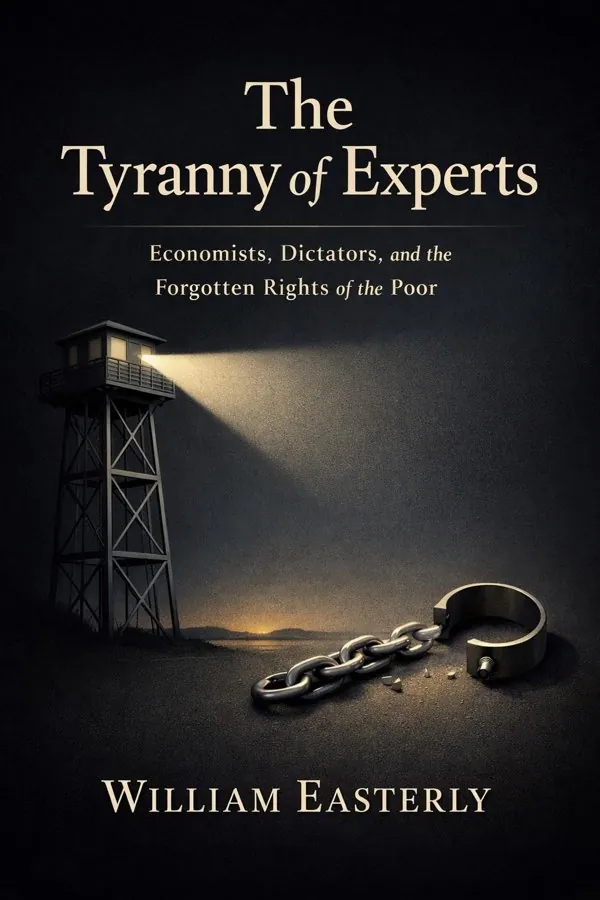
The Tyranny of Experts: Economists, Dictators, and the Forgotten Rights of the Poor
In The Tyranny of Experts, William Easterly delivers a sharp and provocative critique of modern development thinking. His central claim is unsettling: many of the world’s most respected anti-poverty e...
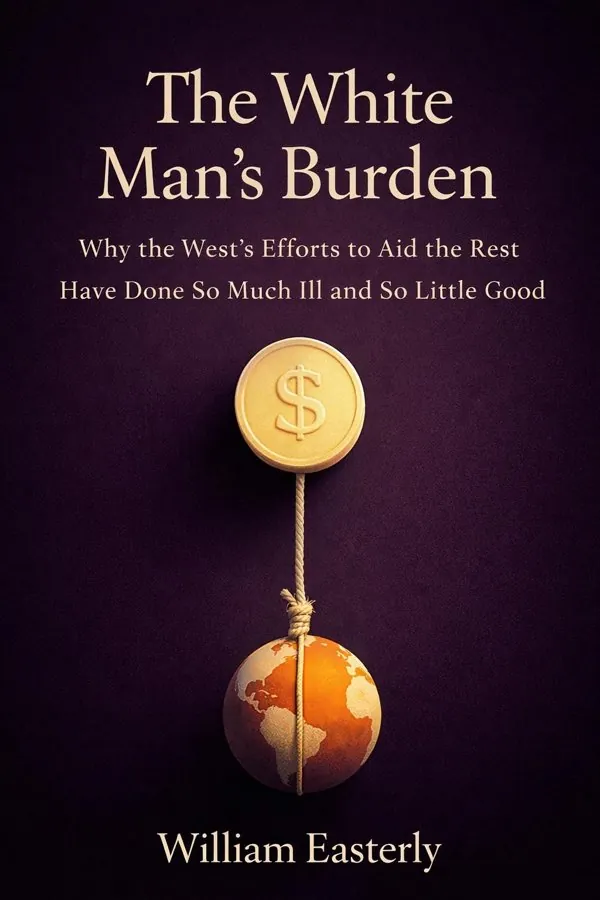
The White Man’s Burden: Why the West’s Efforts to Aid the Rest Have Done So Much Ill and So Little Good
In The White Man’s Burden, economist William Easterly delivers a sharp, unsettling critique of foreign aid and the grand development schemes that have shaped global policy for decades. Rather than ask...
Key Insights from William Easterly
The Rise and Fall of Development Planning
One of the most seductive ideas in economics is that poverty can be engineered away. After World War II, many economists and policymakers believed newly independent and low-income countries could quickly become prosperous if experts applied the right formulas. National income accounting, growth mode...
From The Elusive Quest for Growth: Economists' Adventures and Misadventures in the Tropics
Why Investment Alone Does Not Create Growth
It is tempting to believe that growth is mainly a financing problem. Early development theory, especially the Harrod-Domar framework, suggested that if poor countries lacked growth, the core reason was insufficient savings and investment. Increase capital formation, the argument went, and output wou...
From The Elusive Quest for Growth: Economists' Adventures and Misadventures in the Tropics
Population, Education, and Simplistic Silver Bullets
Few things are more appealing to policymakers than a single variable that seems to explain everything. In development debates, population growth and education often played that role. At different moments, experts argued that poor countries remained poor because they had too many children, too little...
From The Elusive Quest for Growth: Economists' Adventures and Misadventures in the Tropics
Foreign Aid and the Savings Gap Illusion
Helping poor countries with money sounds both moral and practical. If poverty reflects a shortage of resources, then foreign aid should provide the missing push. This belief shaped decades of international development policy. Aid was expected to supplement savings, finance investment, stabilize gove...
From The Elusive Quest for Growth: Economists' Adventures and Misadventures in the Tropics
Planning, Adjustment, and Policy Overreach
When early development plans failed, economists did not give up on top-down reform; they changed its form. If state-led planning had overreached, perhaps market-oriented structural adjustment would finally fix things. Easterly traces how international institutions shifted from financing investment p...
From The Elusive Quest for Growth: Economists' Adventures and Misadventures in the Tropics
Incentives, Institutions, and Everyday Freedom
Growth is not mainly produced by plans. It is produced by people. That is one of Easterly’s central insights. Entrepreneurs start businesses because they expect to benefit from success. Farmers invest in land when they trust they will keep the returns. Workers acquire skills when opportunities rewar...
From The Elusive Quest for Growth: Economists' Adventures and Misadventures in the Tropics
About William Easterly
William Easterly is an American economist and professor at New York University, known for his critical views on foreign aid and development policy. He previously worked at the World Bank and is the author of several influential books on global poverty and economic development.


Frequently Asked Questions
William Easterly is an American economist and professor at New York University, known for his critical views on foreign aid and development policy. He previously worked at the World Bank and is the author of several influential books on global poverty and economic development.
Read William Easterly's books in 15 minutes
Get AI-powered summaries with key insights from 3 books by William Easterly.